BMW's Factories Have Now Moved 1 Million Cars With Nobody Behind the Wheel
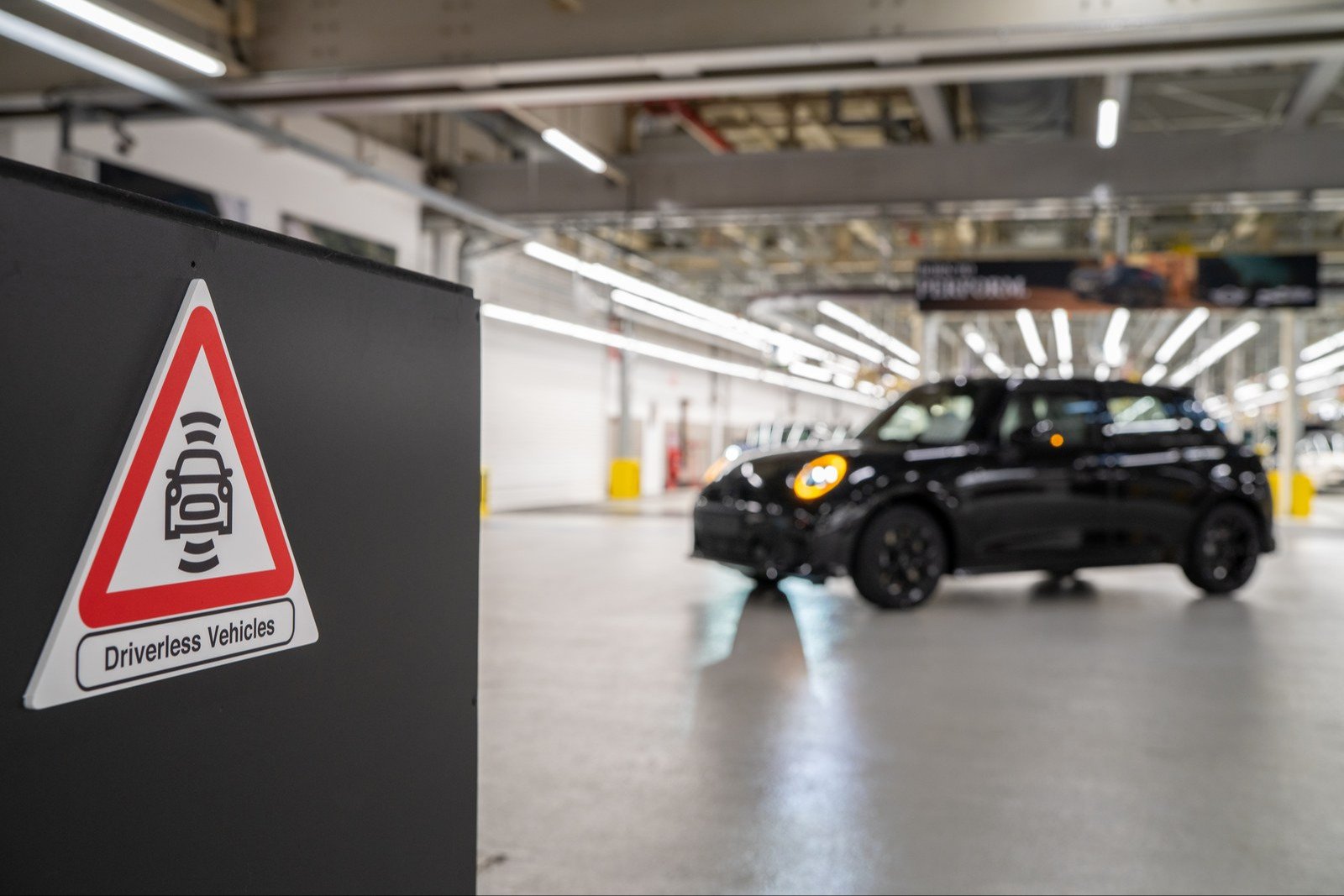
MINI's Oxford plant is the fourth BMW site where new cars drive themselves off the line, guided by sensors in the building rather than in the car. Spartanburg follows.
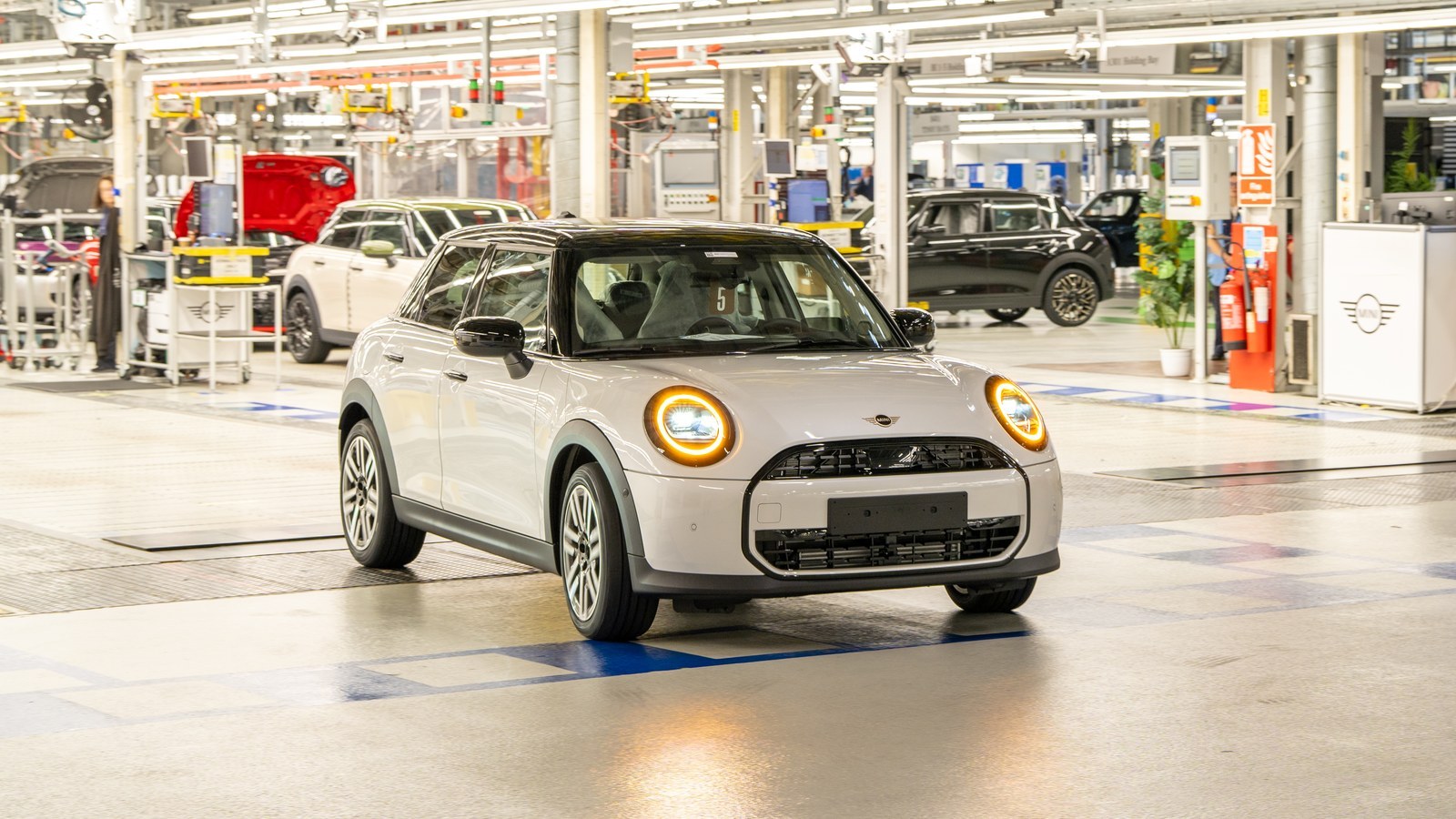
BMW says one million new cars have now driven themselves through its factories, with no one in the driver's seat. The fourth plant to adopt the system is MINI's Oxford factory in England, and the company says its Spartanburg, South Carolina, plant is next, within the coming year.
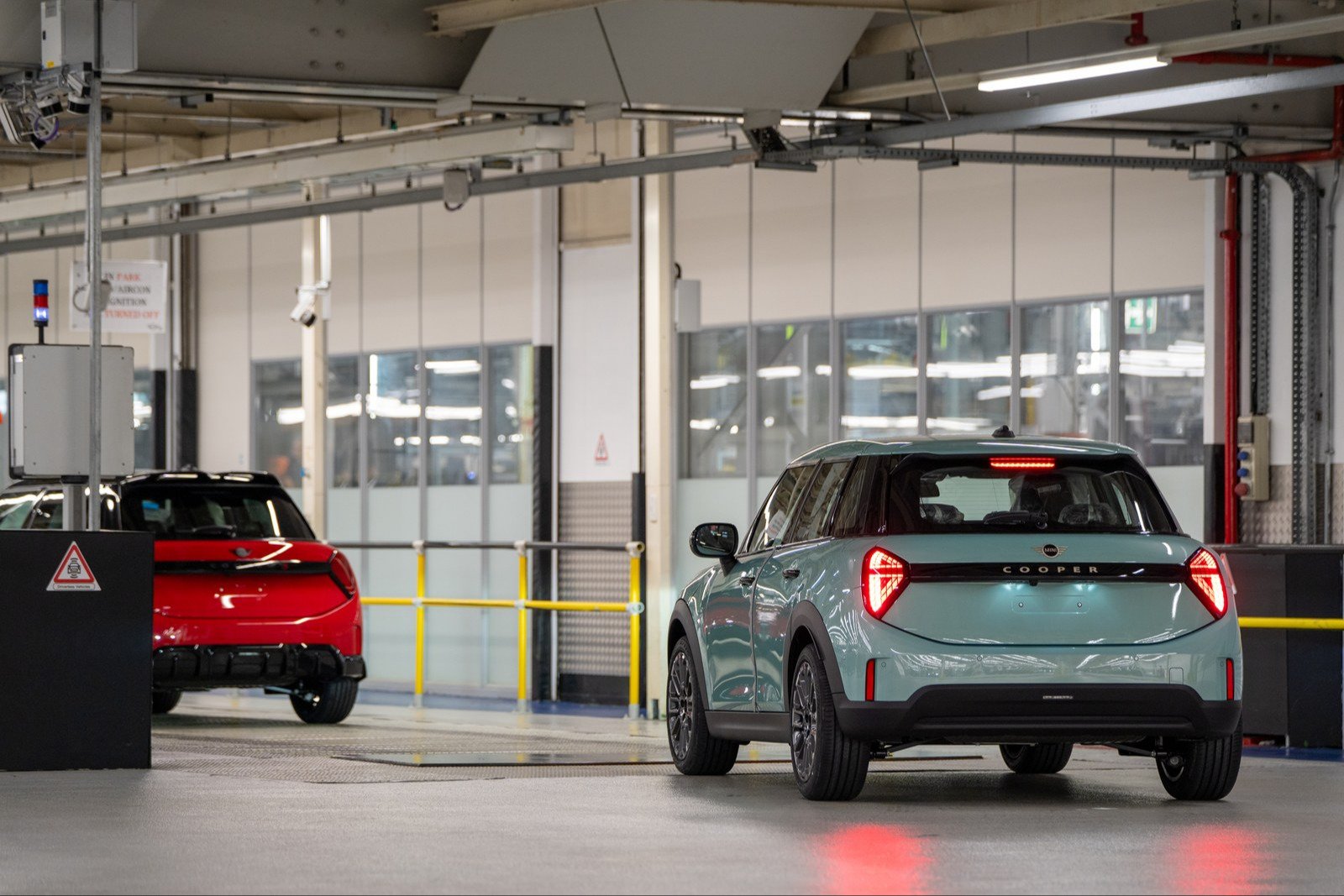
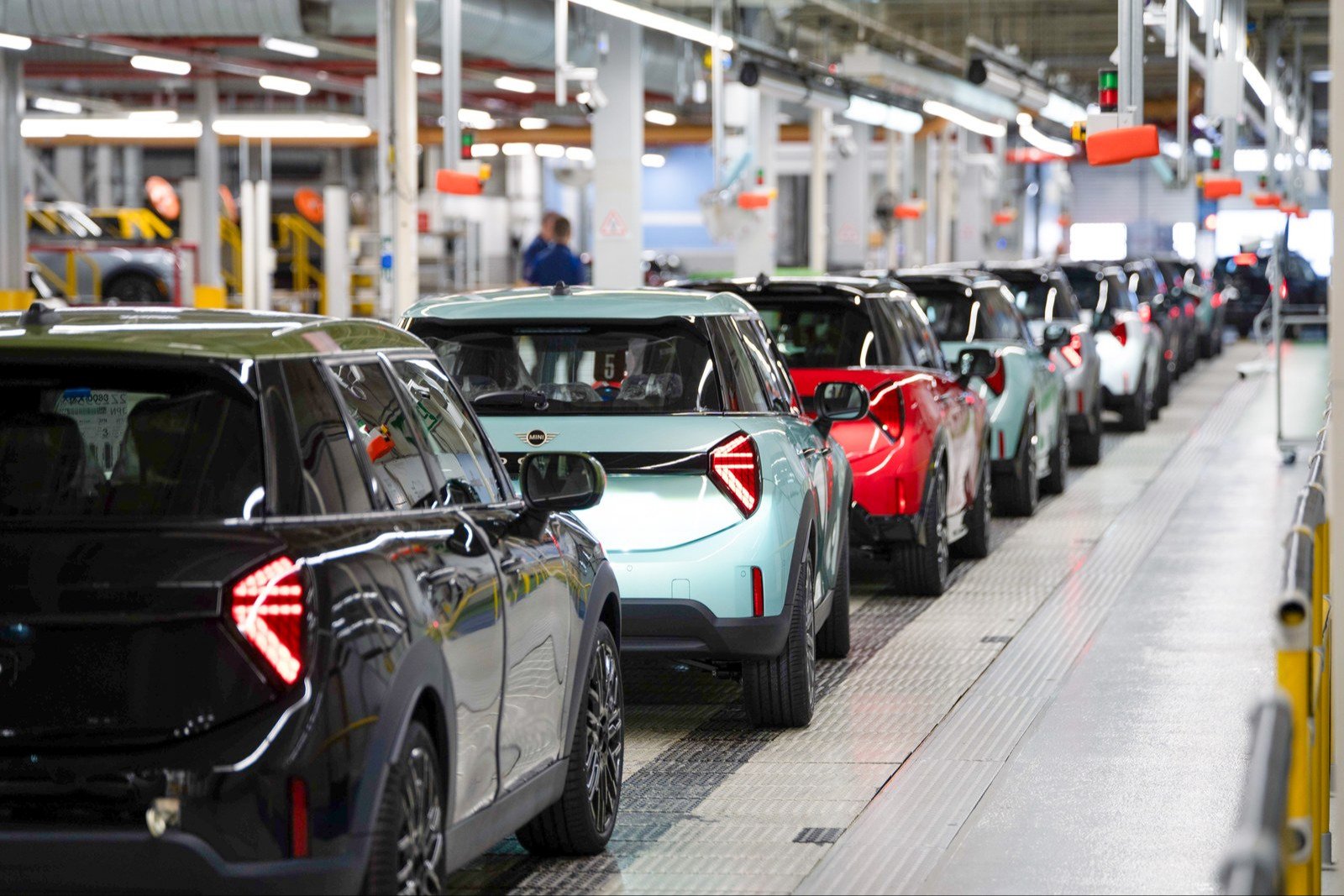
BMW calls the technology Automated Driving In-Plant. It handles the short trips a freshly built car makes inside a plant, from the end of the assembly line to test areas, finishing bays, and logistics yards, which a worker would otherwise drive one car at a time.
What the numbers say
Oxford logged more than 53,000 automated moves over the past year, according to BMW. Across the four plants, the system now averages about 3,500 driverless moves per working day. It started as a pilot at Dingolfing, Germany, in 2022, then spread to Leipzig and Regensburg before Oxford.
Oxford also adds something new. It is the first BMW plant where the driverless cars talk directly to the factory's existing control systems: a car parks itself precisely beside a lifting station, and a cloud-based link lets the car and the equipment coordinate the job that happens there.
The brains are in the building
The key difference from most self-driving tech is where the sensing happens. BMW's cars don't navigate with their own cameras. LiDAR sensors mounted along each route scan the area, and software in the cloud plans the path and steers the car, braking for people, other cars, robotic carts, forklifts, and anything temporarily in the way. BMW says Dingolfing has the largest LiDAR network in Europe.
The driving system comes from Embotech, a 2013 spin-off of Swiss university ETH Zurich. Embotech says its Level 4 system is certified under the EU Machinery Directive, and BMW's venture fund, BMW i Ventures, bought a stake in the company in December 2024.
Tesla took the opposite route. In April 2025 it showed production Model Ys driving themselves 1.4 miles from the end of the Giga Texas line to the outbound lot, using the cars' own cameras and Full Self-Driving software, and said its factories had logged more than 50,000 driverless miles. BMW's approach needs fixed sensors along every route, but the intelligence lives in the plant rather than in each car.
The rollout has also run behind BMW's earlier timeline. When the company moved the system into series use in November 2024, it said Regensburg and Oxford would follow in 2025 and that its new Debrecen, Hungary, plant would use it from day one. Debrecen isn't among the four sites BMW lists today.
What's next
Spartanburg, where BMW builds its large X-badged SUVs, will be the first site outside Europe. BMW hasn't said how many cars will move driverless there or which areas of the plant will be covered. It will land in a region where rivals are automating too, as Hyundai and Kia showed with the factory tech headed for their Georgia plants.