Dodge, Ford and Chevy Are Fighting Over Crate Engines. Here's What 1,000 HP Costs
Direct Connection, Ford, and Chevrolet all sell 1,000-hp-class V8s by the crate. The power ratings, warranties, and emissions fine print are far less alike than they look.
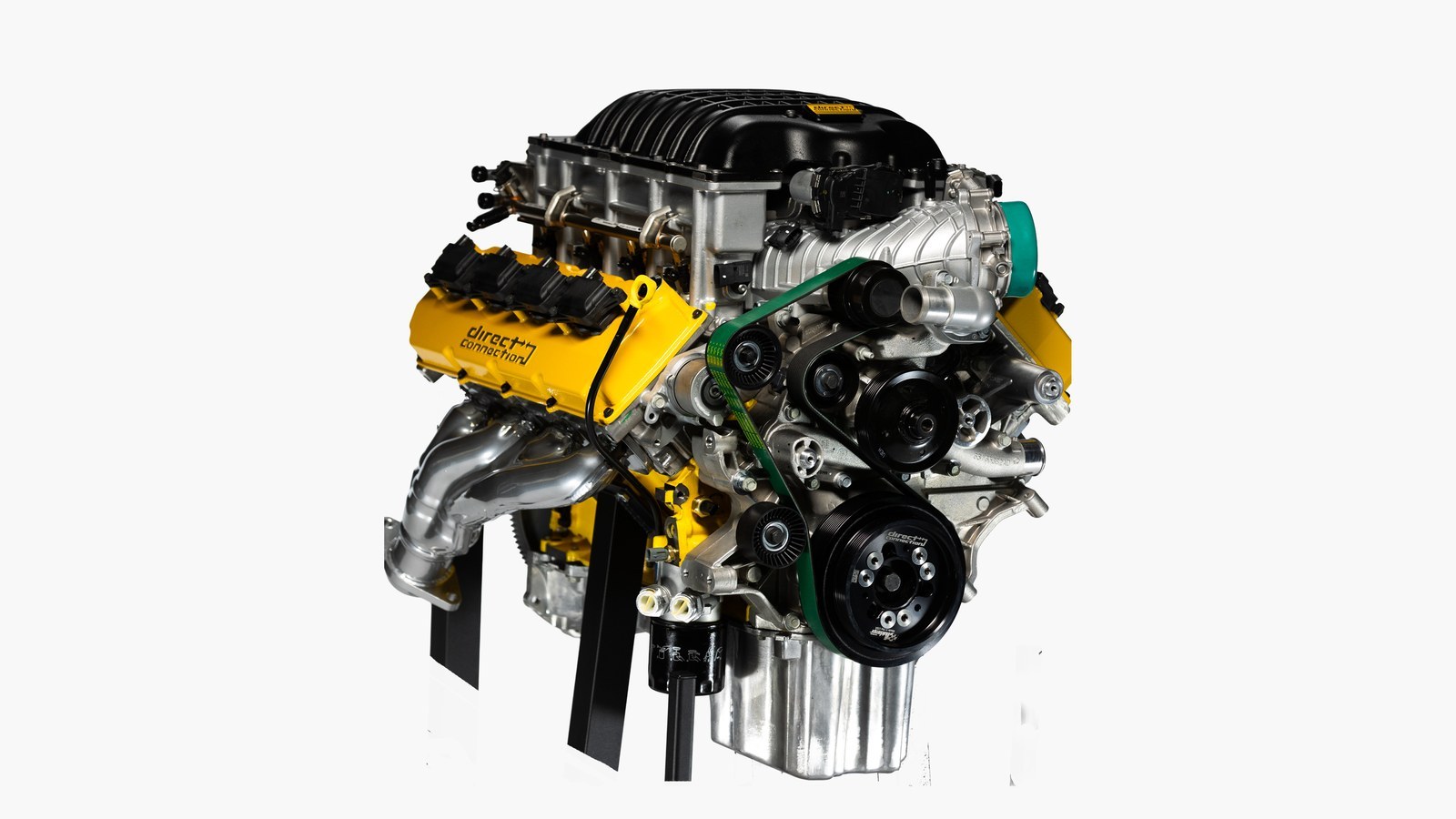
A crate engine used to be a parts-counter item for drag racers and hot-rodders. At this year's SEMA Show, it became a three-way contest between Detroit's performance divisions. Dodge's Direct Connection put six packaged Hemi V8s on the floor, topped by the 1,025-hp Hellephant C170. Ford stuffed a supercharged Megazilla 2.0 rated at more than 1,200 hp into a one-off Bronco. And Chevrolet Performance's 1,004-hp ZZ632 remains the benchmark both are chasing.
We broke down what's inside Direct Connection's six new Hemi packages this week, and our look at automakers selling lifts, tires, and wheels through their dealers asked why carmakers want the aftermarket's accessory money. This is the bigger version of that question: why would a company that builds cars want to sell you just the motor, and what does a factory horsepower actually cost?
What each automaker is selling right now
The table sticks to engines that are on sale or have an announced sales plan. Prices were checked on Nov. 5, 2026, and come from the automakers' own sites unless noted.
| Engine or package | Rated output | Fuel for that rating | What's in the box | Price | Status and legal use |
|---|---|---|---|---|---|
| Direct Connection 345 and 392 packages | 385–485 hp | Not specified | Engine, wiring and power distribution center, flashed PCM, O2 sensors, pedal; automatics add shifter | TBA | Q1 2027; emissions status not stated |
| Direct Connection Hellcrate Redeye package | Up to 885 hp, 787 lb-ft | High Octane mode | Same controller kit; transmission sold separately | TBA | Q1 2027; emissions status not stated |
| Direct Connection Hellephant C170 package | 1,025 hp, 945 lb-ft | E85 blend | Same controller kit; transmission sold separately | TBA | Q1 2027; emissions status not stated |
| Ford Megazilla 7.3L (M-6007-MZ73) | 612 hp, 670 lb-ft | Premium pump gas | Engine, coils, plug wires, oil pan, engine harness; control pack, starter, and accessory drive extra | $25,295 | On sale; competition or off-highway use only |
| Ford Megazilla 2.0 | 1,200+ hp, 1,000+ lb-ft | Race fuel | TBA | TBA | Shown in Bronco Frostwarden concept; no date |
| Chevrolet ZZ632/1000 Deluxe (19432060) | 1,004 hp, 876 lb-ft | 93-octane pump gas | Engine; Chevrolet also sells engine-and-transmission Connect & Cruise packages | Not listed by Chevrolet | On sale; competition use only |
| Chevrolet E-ROD LT4 (19356048) | 640 hp, 630 lb-ft | Not specified | Supercharged engine system | Not listed by Chevrolet | On sale; CARB EO D-126-47 for eligible pre-1996 vehicles |
Direct Connection lists six separate packages, each with automatic and manual part numbers. We've grouped the two naturally aspirated families here; the full breakdown is in our launch story.
The horsepower numbers aren't measuring the same thing
Read the fuel column before the power column. Chevrolet rates the ZZ632 at 1,004 hp on 93-octane pump gas. Stellantis rates the Hellephant C170 at 1,025 hp on an E85 blend. Ford's 1,200-plus figure for the Megazilla 2.0 is on race fuel, and Ford hasn't published a pump-gas number.
Ford bills the Megazilla 2.0 as the most powerful crate engine an automaker has ever built, according to Hagerty's report from the show. On the published numbers, that holds only on race fuel. In my view, the more useful title belongs to the ZZ632: it's the one engine in this group that makes four-digit horsepower on fuel you can buy at a gas station.
What's in the box matters more than the peak number
The real competition is over how much of the swap the automaker solves for you. Direct Connection's new packages ship the engine with its wiring, a pre-flashed engine computer, oxygen sensors, and the accelerator pedal, backed by a three-year, 100,000-mile warranty, according to Stellantis's announcement. Tim Kuniskis summed up the pitch as "one part, one solution." The gearbox is still a separate purchase.
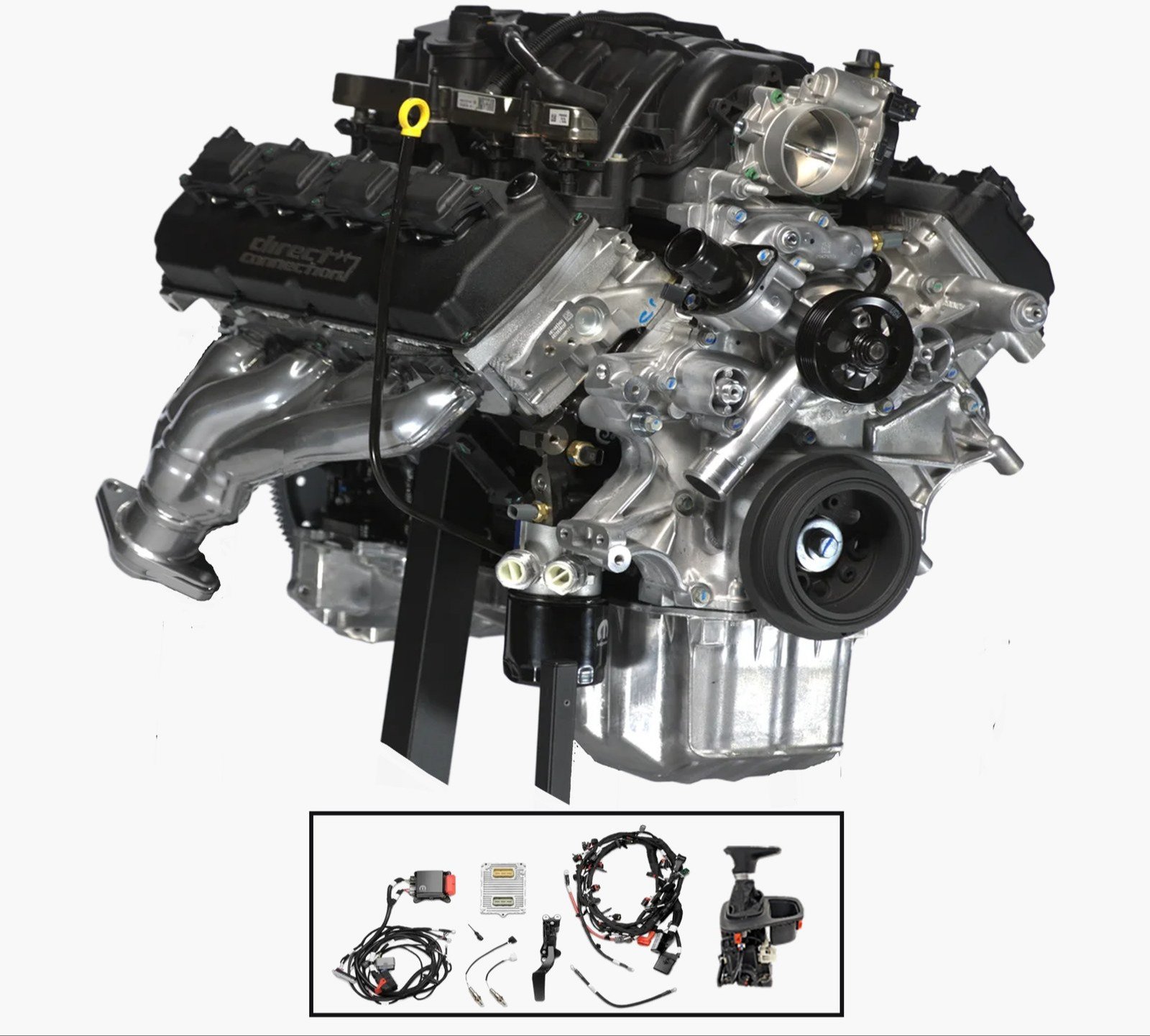
Ford's naturally aspirated Megazilla goes the other way. Ford's parts listing includes the engine harness, but the control pack, starter, and front accessory drive are sold separately, and the listing says a custom calibration is required. At $25,295 for 612 hp, the engine alone works out to about $41 per horsepower before any of that.
Chevrolet has offered matched engine-and-transmission Connect & Cruise packages for years, which is the bundle Direct Connection still stops short of. But Chevrolet doesn't print prices on its ZZ632 product page and sends buyers to dealers, so a like-for-like dollars-per-horsepower comparison across all three isn't possible yet.
Warranty and the emissions fine print
This is where the factory label is supposed to earn its premium, and the three brands handle it very differently.
- Direct Connection: three years or 100,000 miles on every new package. The announcement doesn't say whether any of them will be legal for road use. Buyers should ask before the first-quarter launch.
- Ford: the Megazilla listing says warranty coverage is available but marks the engine for competition or off-highway use only, warning that installing it in a road vehicle is likely to violate U.S. and Canadian emissions laws. Ford's supercharged 5.0-liter Coyote crate engine, announced alongside the Megazilla 2.0 in January 2025, was pitched as street legal with an available two-year, 24,000-mile limited warranty.
- Chevrolet: the ZZ632 is labeled for competition use only. Chevrolet's E-ROD line is the exception, carrying a California Air Resources Board executive order for eligible 1995-and-earlier vehicles.
That last point is Chevrolet's quiet advantage. For a buyer who wants to register a restomod in a strict state, an emissions-certified factory crate engine is a different product from a 1,000-hp race motor, even if both come in the same kind of crate.
Why automakers want to sell you the motor
Start with the size of the market. SEMA puts U.S. accessory and performance parts sales at $52.92 billion for 2025, with pickups alone accounting for 30%. The buyers Ford named when it announced the Megazilla 2.0 were desert pre-runner builders and drag racers. Direct Connection's show car was a 1967 Plymouth GTX running the Redeye package. These are restomod, race, and off-road customers who would otherwise buy an engine from a specialist shop.
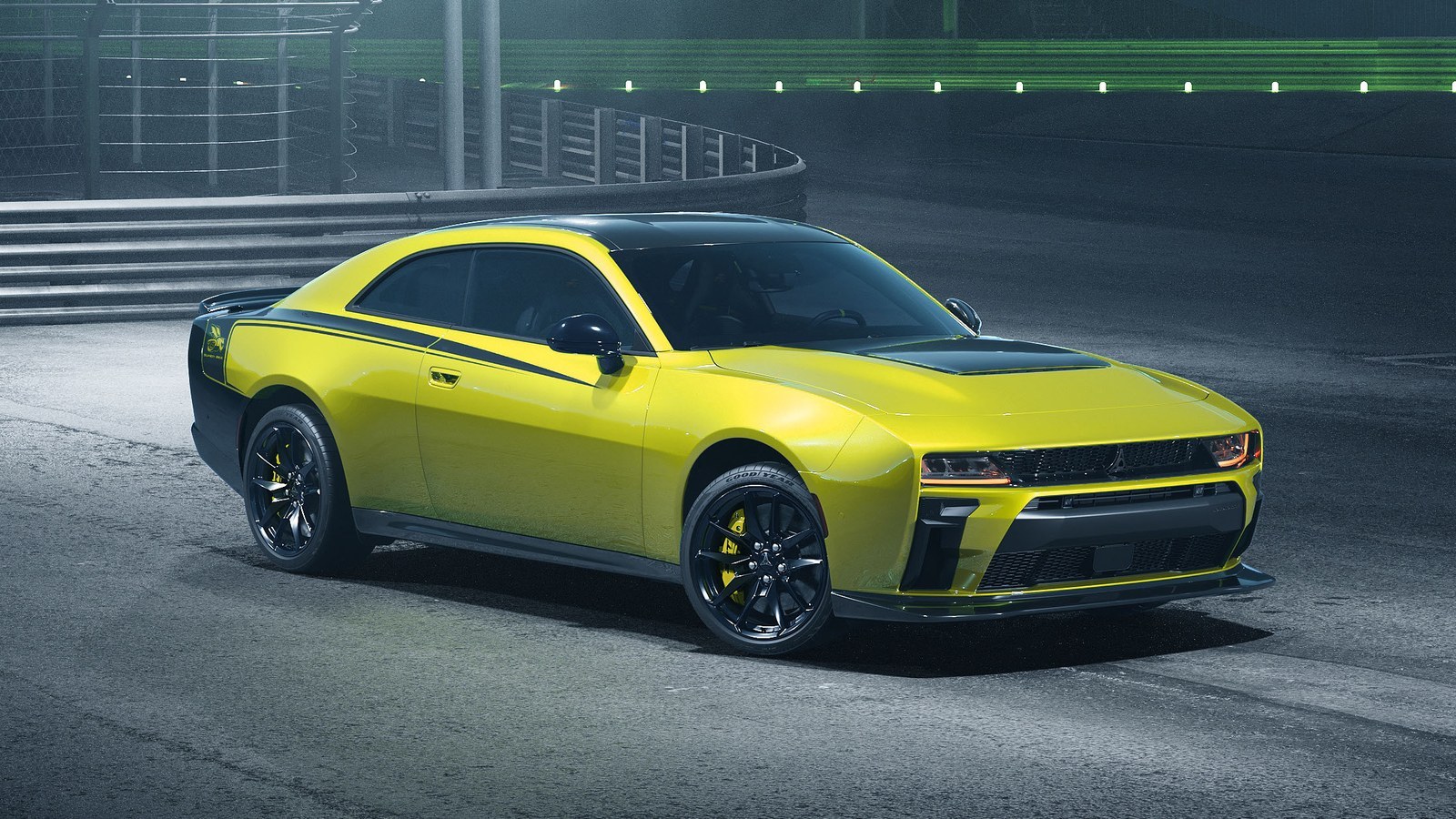
The second reason is brand. Dodge is betting heavily on gasoline, from the Charger Super Bee to a NASCAR Cup return in 2027. Selling Hemis by the crate keeps the engine in the culture even in cars Dodge didn't build. Ford and Chevrolet are making the same play with the 7.3 and the big-block.
The third is the dealer. All three programs run through dealer parts counters, as does Honda's push to sell reproduction NSX parts in the U.S. My bet is that this channel is the point: a crate engine, a controller kit, and a transmission kit are three parts tickets, and the installer is often the same service department.
What none of the three discloses is how many crate engines they sell or what they earn on them. Stellantis, Ford, and GM don't break out performance-parts revenue in their results, so any claim about margins would be a guess, and we won't make one.
What we don't know yet
- Prices for all six Direct Connection packages. Stellantis says only that pricing will be announced; the packages go on sale in the first quarter of 2027.
- Price, final specifications, and on-sale timing for the Megazilla 2.0. Ford's January 2025 announcement targeted orders in the fourth quarter of 2025; at SEMA 2026 it was still unpriced.
- Whether any Direct Connection package will carry a CARB executive order.
- Sales volumes for any of these engines, which automakers don't report.
The case against the factory crate
The strongest counterargument is that this is marketing more than business. Volumes are almost certainly small, and specialist engine builders have long sold big-power V8s outside any automaker's program. The factory engines themselves lean on outside suppliers: the Megazilla 2.0 uses a Whipple supercharger, and the Hellephant C170 uses an IHI blower.
That's fair, but it misses what the automakers are selling. It isn't peak power. It's a part number, a warranty, and a dealer who answers the phone when the engine won't start. Once Direct Connection and Ford publish prices, we'll update the table and see what that peace of mind costs per horsepower.