Japan's Automakers Are Building More in America. What It Means for What You Pay
Toyota, Honda, Subaru, and Nissan are shifting production to U.S. plants to escape a 15% tariff. That protects their margins, but it won't lower sticker prices anytime soon.
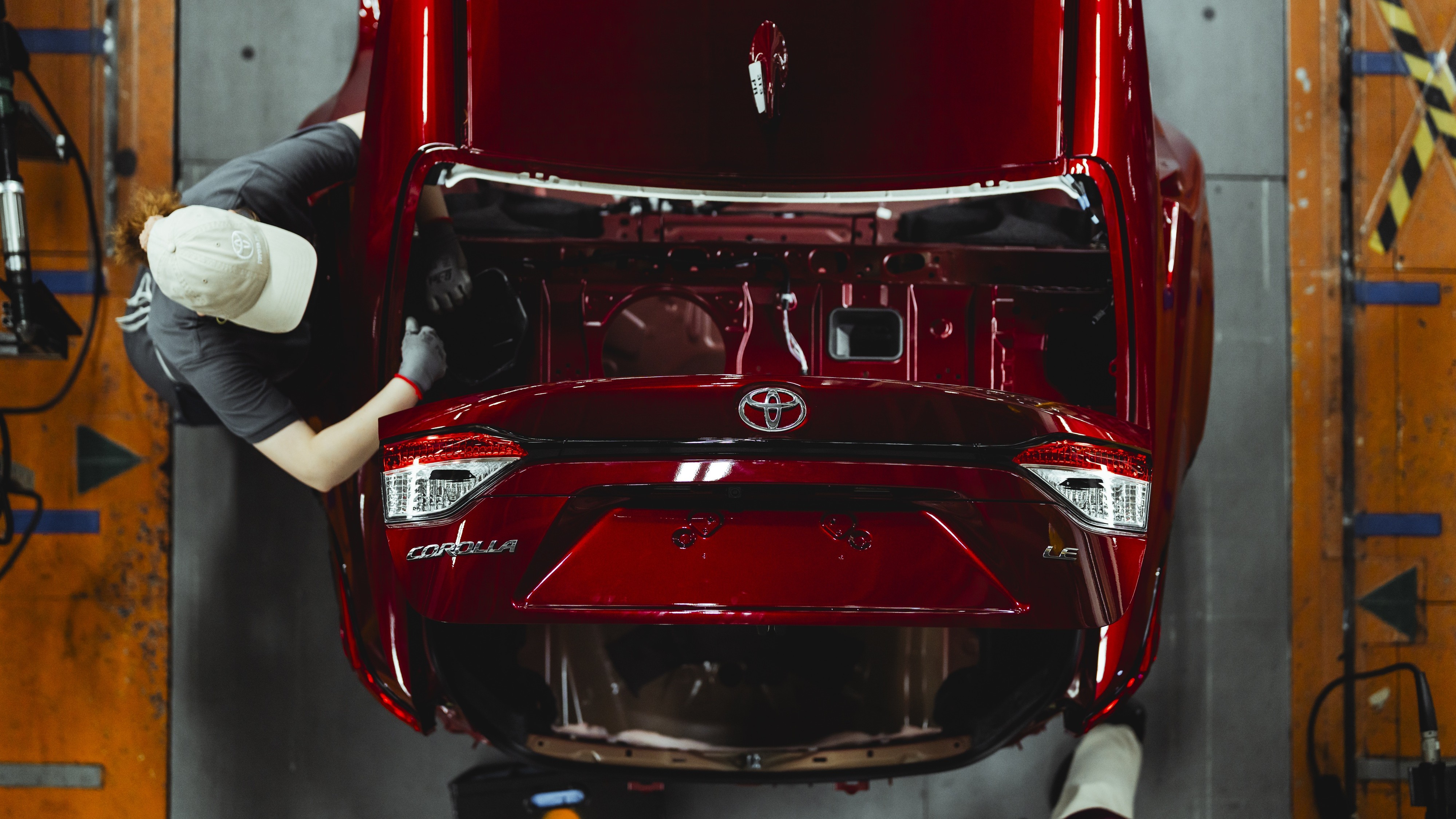
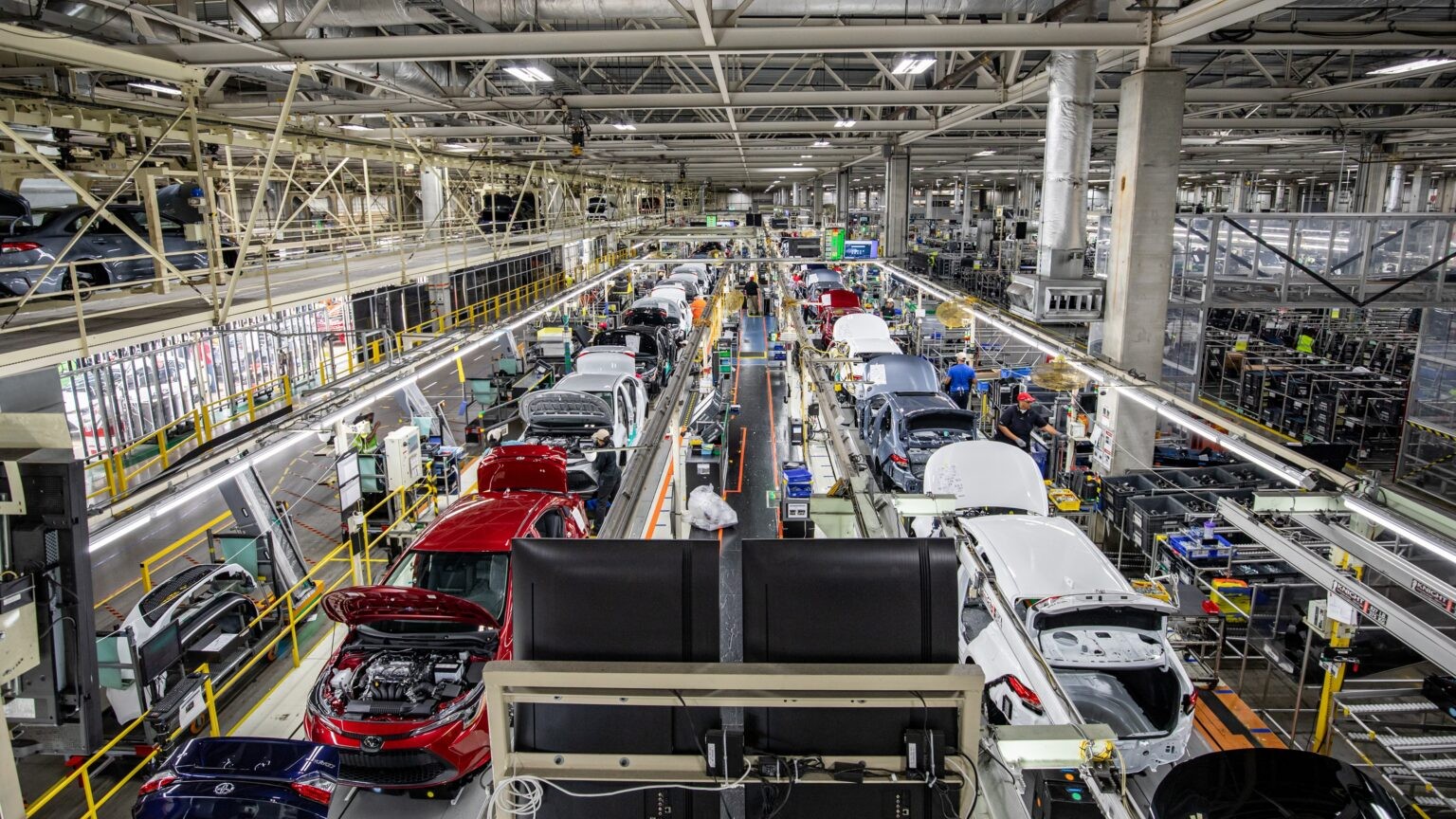
Japan's automakers are building more of what they sell in America, in America. Toyota is adding the hybrid Corolla to its Mississippi plant. Honda moved the Civic Hybrid hatchback from Japan to Indiana. Subaru now assembles every Forester it sells here in Lafayette, Indiana, hybrid included.
The question for buyers is whether any of that makes these cars cheaper. In my view, the honest answer is no, at least not soon. Building locally shields automakers from a 15% tariff. It does not cut sticker prices, and the first U.S.-built Corolla Hybrid from Mississippi is still years away.
The rate that set this in motion
Japanese-built cars and light trucks now enter the U.S. at a combined 15% duty. Executive Order 14345, signed September 4, 2025, set a single 15% ceiling for Japanese vehicles and parts in place of the separate Section 232 auto tariff. U.S. Customs and Border Protection applied it to imports entered on or after September 16, 2025.
That replaced the 27.5% rate Japanese cars had faced since spring 2025. It is still well above what they paid before 2025, and every vehicle shipped from Japan carries it.
Who is moving what
Toyota. In November 2025, Toyota announced $912 million across five U.S. plants, including $125 million for Blue Springs, Mississippi, to build what it calls the first electrified Corollas assembled in the U.S. Another $1 billion followed on March 23, 2026: $800 million for Georgetown, Kentucky, to add Camry and RAV4 capacity and a second EV, and $200 million for Grand Highlander production in Princeton, Indiana.
Both are part of Toyota's pledge to invest up to $10 billion in U.S. manufacturing over five years. Toyota says it assembles about half the vehicles it sells in the U.S. here, and 76% in North America. "Toyota's philosophy is to build where we sell," Kevin Voelkel, senior vice president of manufacturing operations, said in the November 18, 2025, announcement.
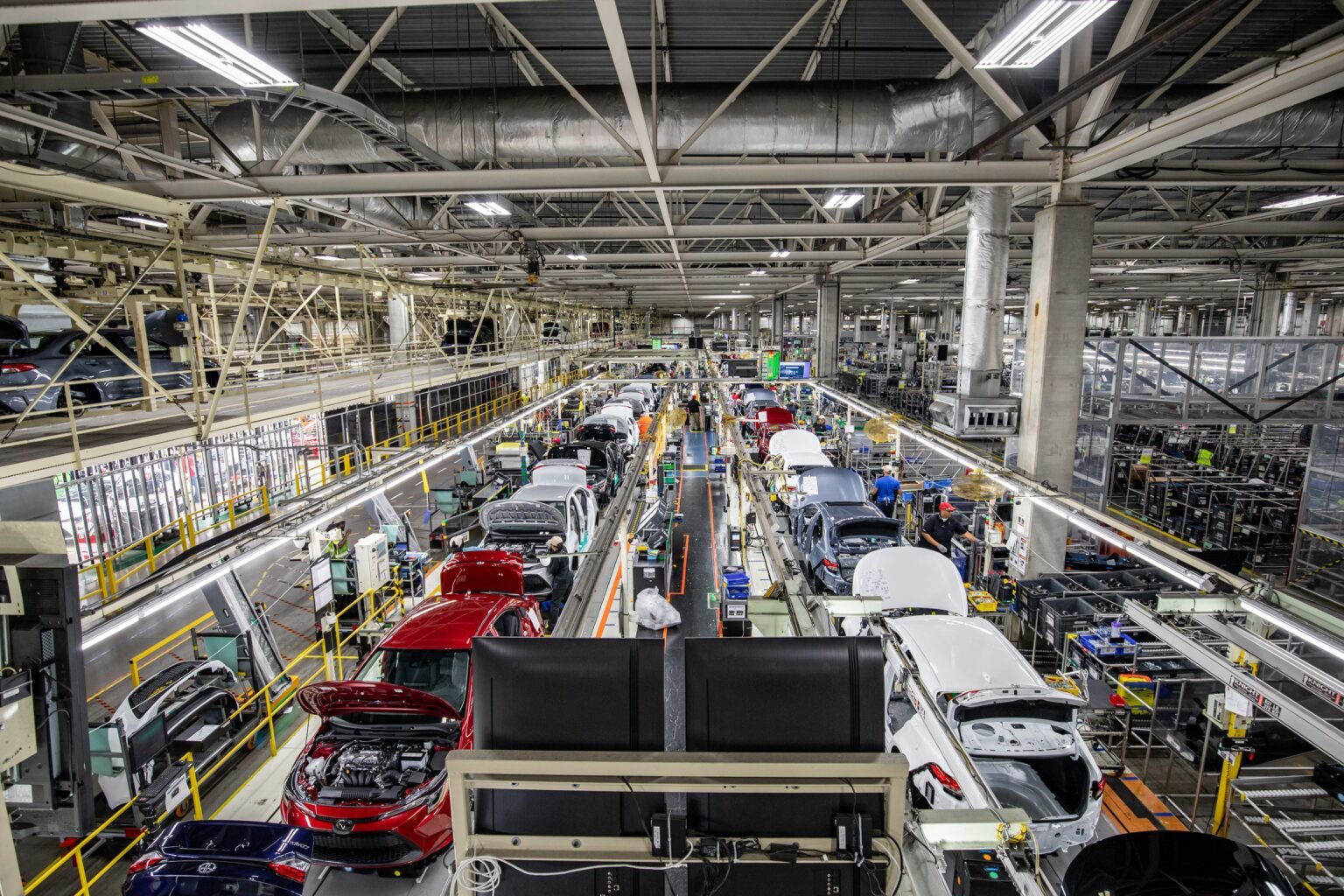
Honda. Around 99% of the Honda-brand vehicles sold in the U.S. in 2025 were made in North America, and about 60% in the U.S., the company said on January 14, 2026. Its U.S. plants built 928,507 Honda and Acura vehicles last year. In April 2025, Honda confirmed to Reuters that the Civic Hybrid hatchback would move from Yorii, Japan, to Indiana.
Subaru. Subaru of Indiana Automotive started building the Forester Hybrid on February 3, 2026, the first hybrid Subaru has produced in the U.S. With it, every Forester the brand sells here comes from Lafayette.
Nissan. Nissan reportedly aims to build 80% of its U.S. sales locally by the end of 2030, up from about 65% today. Nissan Americas chairman Christian Meunier gave those figures to reporters in Yokohama on September 28, 2026, according to Reuters. The new Rogue Hybrid will be imported from Japan at launch, with U.S. production possible from 2028 depending on demand, according to the same reports. Nissan has not published a release on the plan.
Mazda. U.S. tariffs cut Mazda's profit by ¥97.1 billion in the first half of its fiscal year, April through September 2025, Wards reported. Mazda told investors it would make maximum use of the Alabama plant it shares with Toyota and grow sales of the CX-50, including the hybrid.
The bill so far
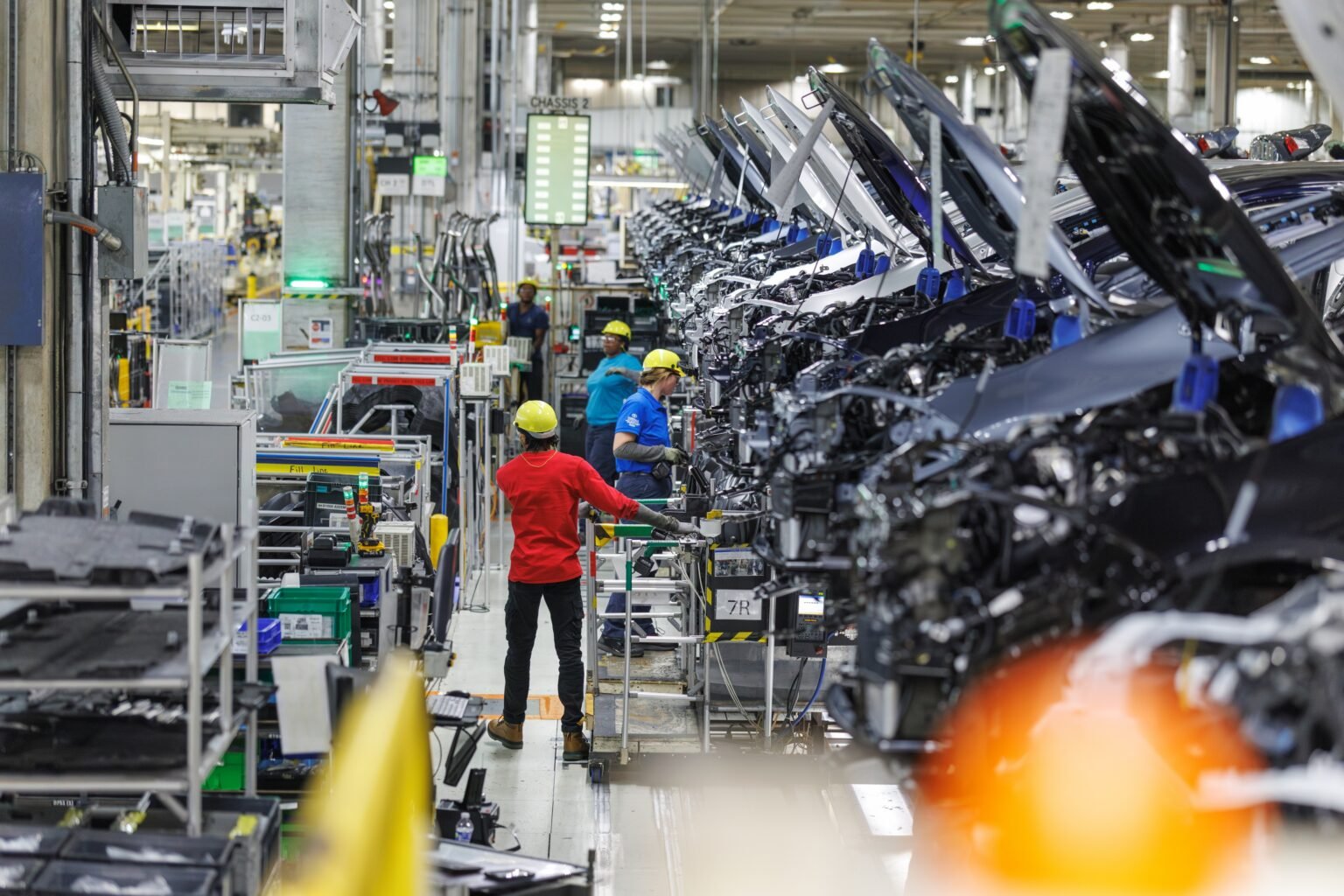
U.S. tariffs, EV policy reversals, and emissions-rule changes cost six Japanese automakers ¥4.42 trillion ($27.6 billion) in the fiscal year that ended March 31, 2026, according to Automotive Manufacturing Solutions. Its breakdown puts the tariff share at about $15.2 billion, covering imports from Japan, Mexico, and Canada. That last detail matters: for tariff purposes, North American is not the same as American.
Toyota has been open about where this goes. Speaking at a dealer forum, Andrew Gilleland, senior vice president of automotive operations at Toyota Motor North America, said the brand could raise prices three times in 2026 instead of the usual two, Autoblog reported on February 6, 2026, citing Car Dealership Guy. With average prices near $50,000, he said, "it keeps me up at night."
Why a new plant doesn't mean a lower price
A factory line is a cost that gets paid back over years, not a discount that arrives on day one. I'd argue the tariff money an automaker saves by building here goes first to paying for the new tooling and to covering losses already booked, not to the window sticker.
Timing is the second problem. Toyota has not named a start date for the Mississippi Corolla Hybrid; 2028 has been reported, but Toyota's own September 25, 2026, story on the plant gives no date. Until then, every Corolla Hybrid sold here is built abroad and pays the duty.
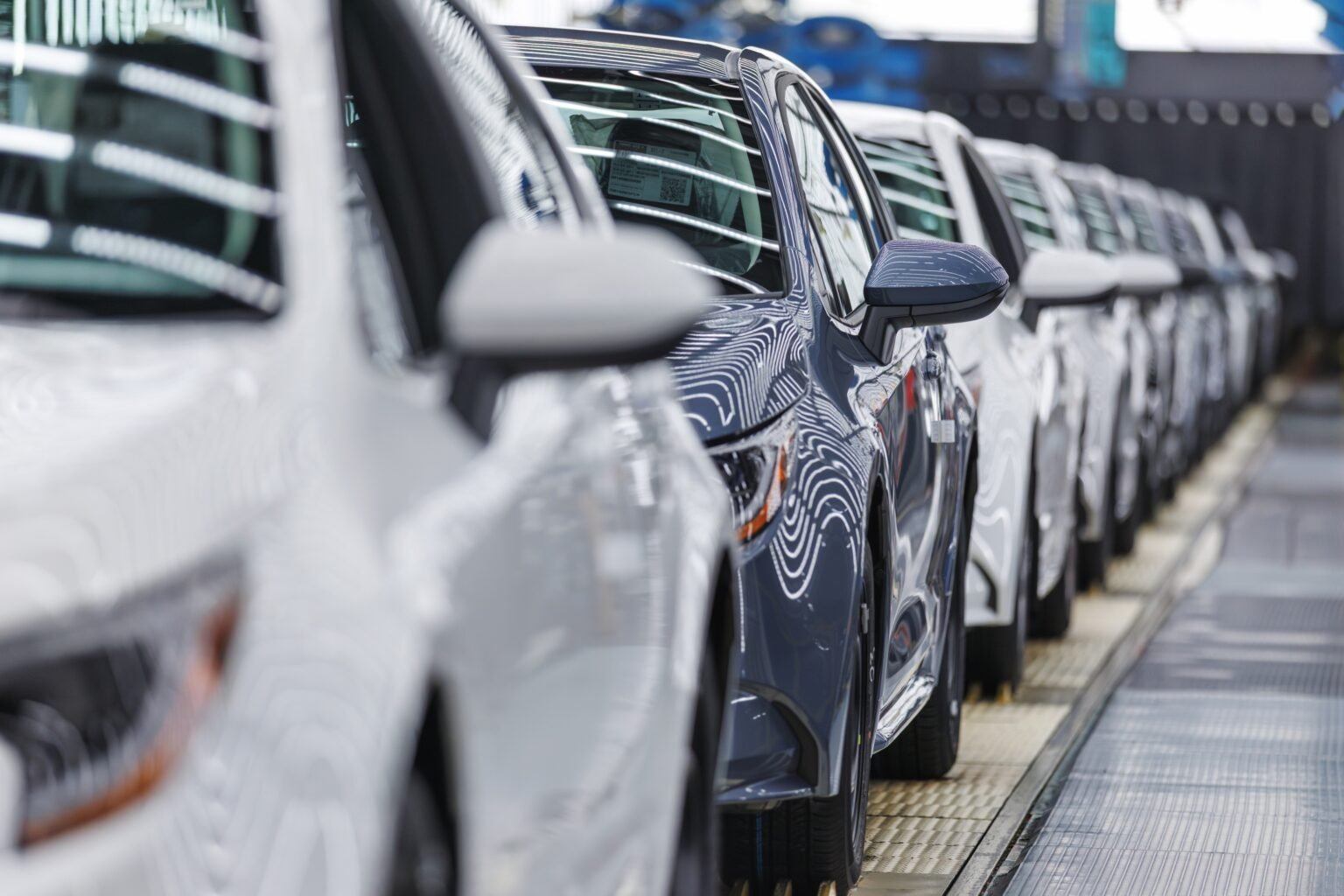
Market data fits that picture. Kelley Blue Book put the average new-vehicle transaction price at $50,089 in August 2026, up 1.9% from a year earlier. Cox Automotive executive analyst Erin Keating said on September 10, 2026, that increases remain below the long-term average of about 3%. Prices are not spiking. They are not falling either, and the pressure is showing up elsewhere, as automakers quietly delete cheaper trims instead of raising base prices.
The best argument against me
The strongest counterpoint is simple: a car built in Indiana or Kentucky does not pay the 15% at all. Localization prevents price increases that would otherwise land, and Honda's near-total North American footprint is a good example of that shield working.
I accept that. But "prevented a rise" is not "lowered the price," and a shopper comparing window stickers today sees only the second. My bet is that the payoff from all these plants shows up as steadier prices over several model years, not as a cut.
What we don't know
- How much, in dollars, localization lowers prices. We found no analyst estimate that quantifies it for these models at the current 15% rate.
- When U.S.-built Corolla Hybrids start. Toyota has not confirmed a date.
- Whether Nissan's 80% target and 2028 Rogue Hybrid timing hold. Both come from press reports of a roundtable, not a Nissan release.
- Whether the 15% rate itself stays where it is.
What it means if you're shopping
If you want a Corolla Hybrid, don't hold out for a Mississippi-built car expecting a discount. If you're deciding between a Civic and a Corolla, compare today's prices and features, not where the next generation might be built. The Forester Hybrid is already U.S.-built; the Rogue Hybrid is not. In my view, that difference will matter more at the next price increase than it does on today's sticker.