The Qashqai Turns 20: Why Europe's Favorite Crossover Never Took Off in America
Nissan's Qashqai has sold 7.3 million units in 20 years. Its U.S. twin lasted six model years. The difference says a lot about American buyers.
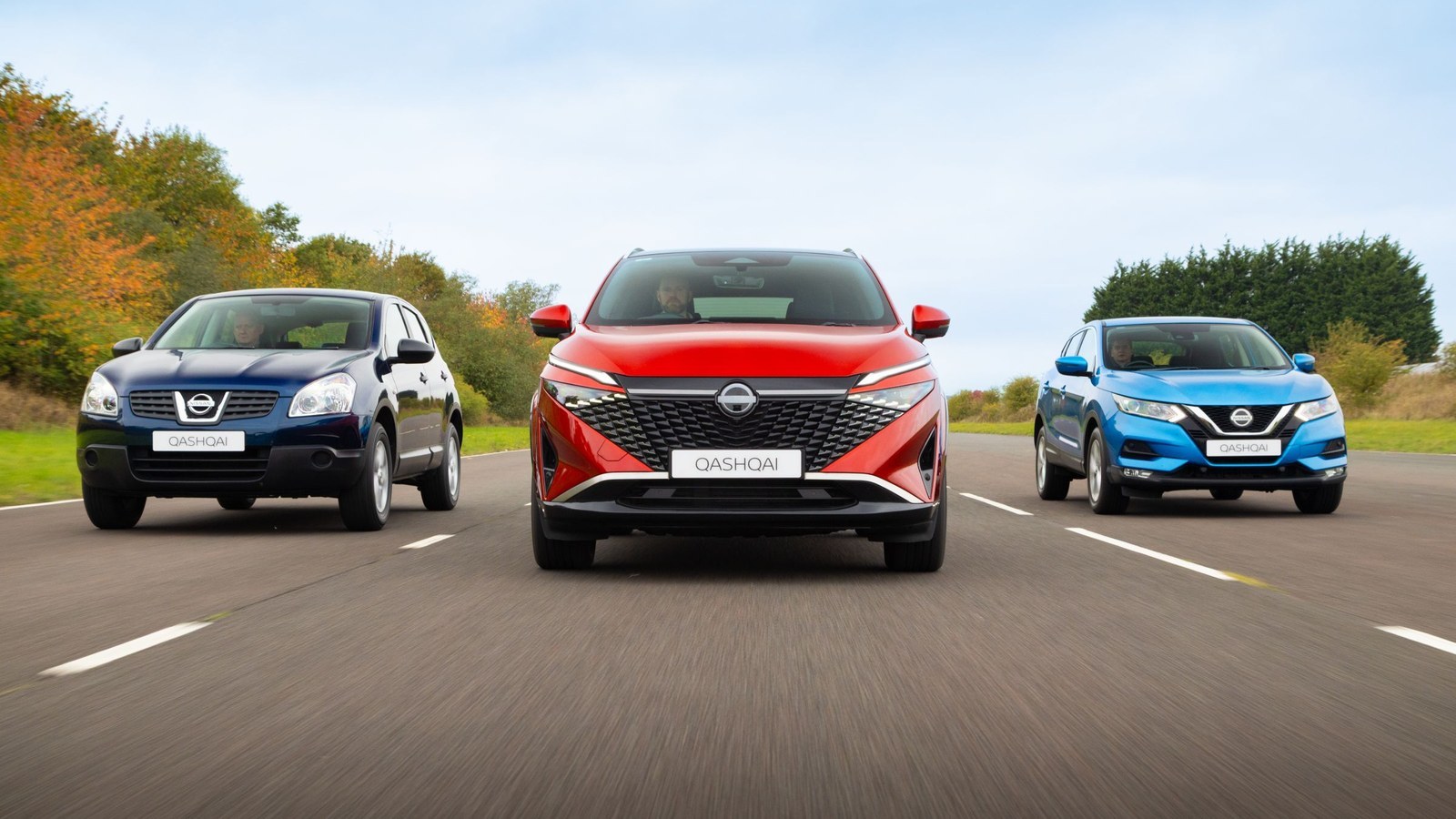
Nissan spent this week celebrating 20 years of the Qashqai, and the numbers earn the party: more than 7.3 million sold across three generations and over 100 markets, 4.1 million of them in Europe. In America, the same car lasted six model years under a borrowed name and left so quietly that Nissan never said how many it had sold.
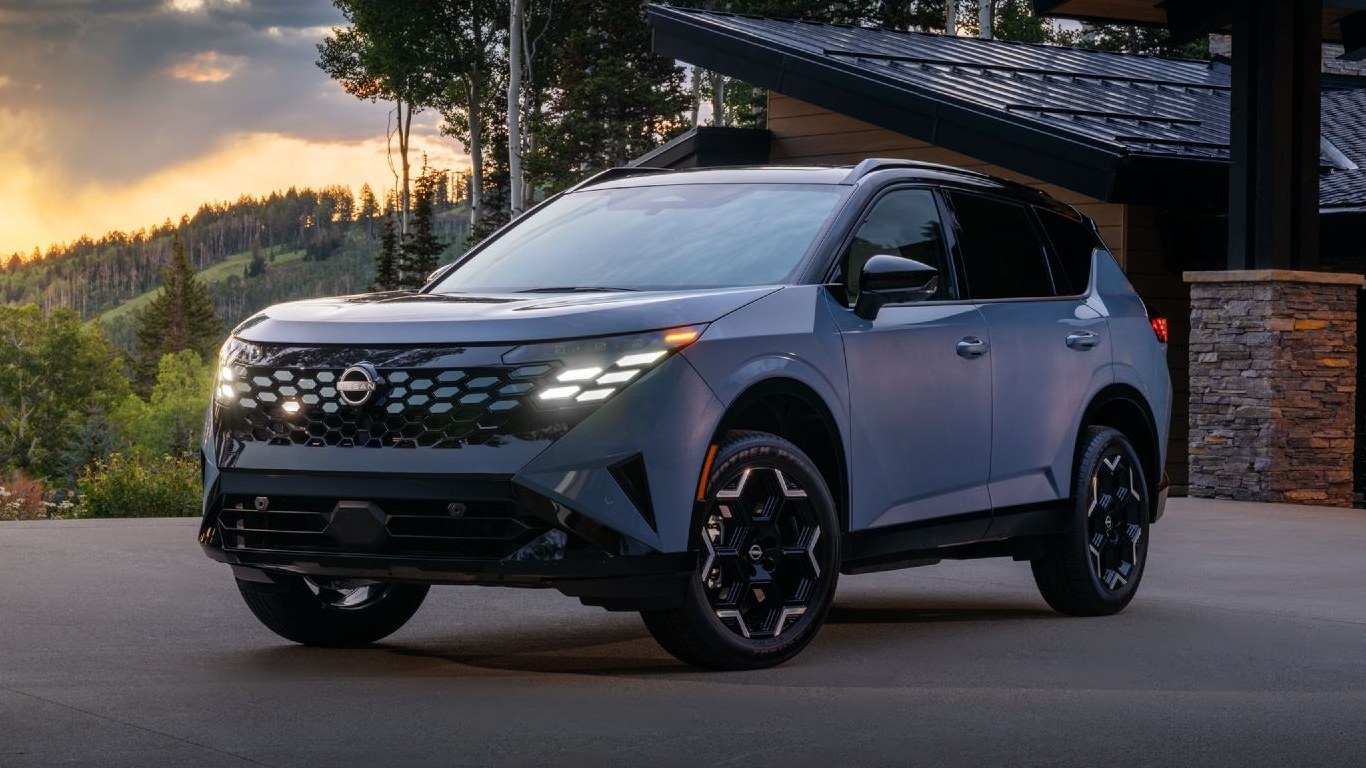
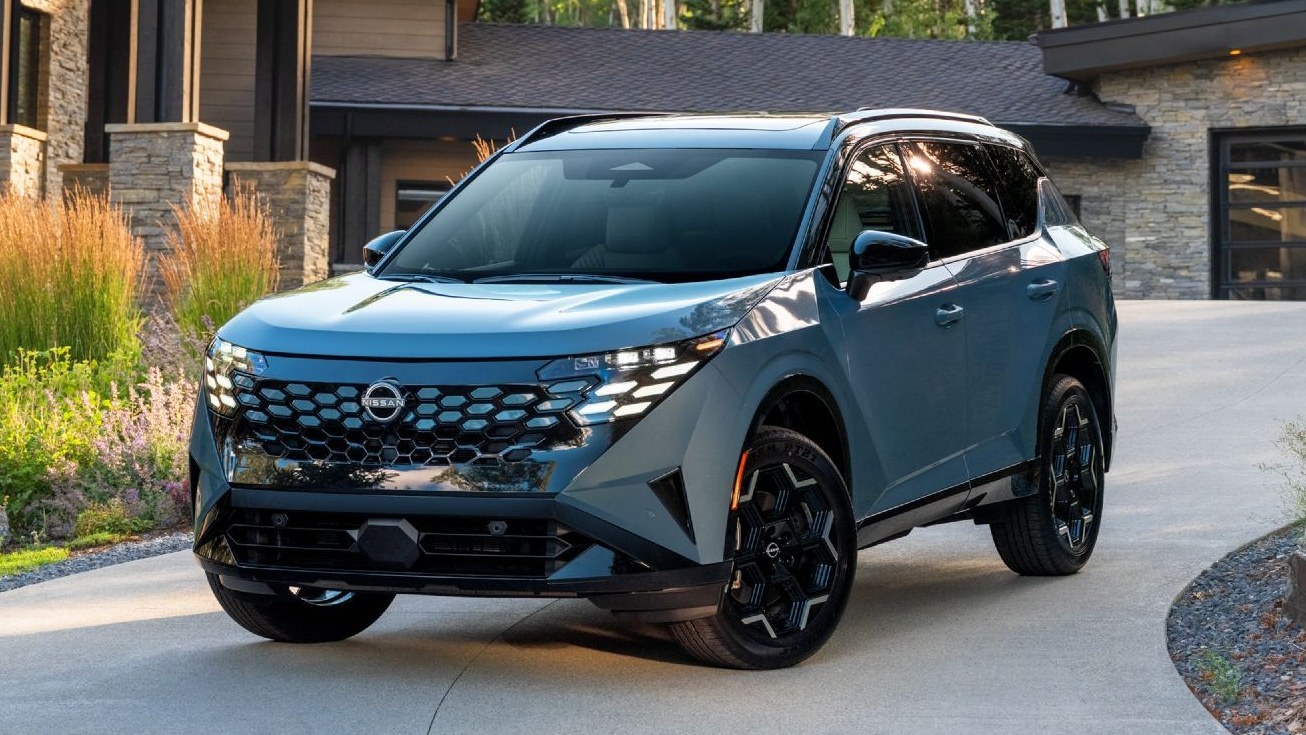
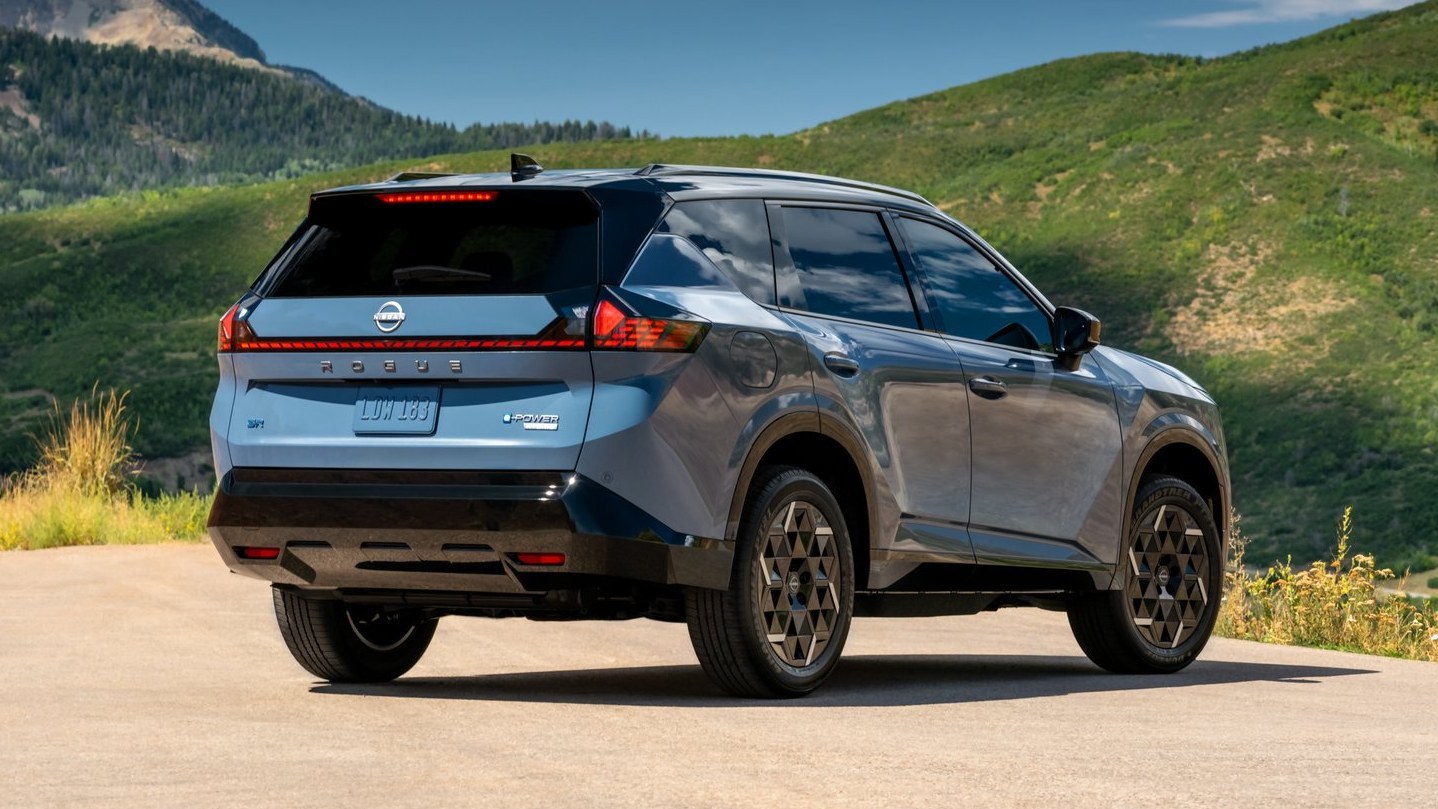
That gap is the most useful lesson of the anniversary. In my view, the Rogue Sport didn't fail because it was a bad car. It failed because the U.S. market had no job for it, and Nissan's own showroom, still anchored by the 2027 Rogue, made that obvious.
Europe wanted a new kind of family car
The Qashqai was styled and engineered for European buyers at Nissan's design and technical centers in the U.K., and the pitch was simple: take the best parts of a family hatchback and add the bits of an SUV people actually liked. Nissan has told that origin story itself for years.
Europe bought it immediately. According to GoodCarBadCar data, European sales cleared 200,000 units every year from 2010 through 2019. JATO Dynamics counted 204,500 in 2014 alone, enough to make it the region's best-selling SUV or crossover that year.
The most telling detail is the spec sheet. At the 10-year mark, Nissan said its most popular Qashqai was a 1.5-liter diesel with front-wheel drive and a six-speed manual. That is not an SUV buyer. That is someone trading up from a Golf or a Focus.
Nissan's claim that it "invented" the crossover is debatable. Toyota and Honda would point to the RAV4 and CR-V of the 1990s. But in Europe the Qashqai clearly wrote the template that rivals copied, and Nissan says compact crossover sales there grew from almost nothing to 2.6 million units by 2016.
America already had that car. It was called the Rogue
When the Qashqai crossed the Atlantic for 2017, Nissan gave it a name meant to borrow the halo of its best-seller. The Rogue Sport S FWD started at $21,420 before destination. The 2017 Rogue S FWD started at $23,820.
That's a $2,400 gap between a small crossover with a 141-hp 2.0-liter four and a CVT, and a bigger one wearing almost the same badge. Spread over a 60-month loan, it works out to about $40 a month. I'd argue that's not a gap American shoppers notice when the bigger box is sitting on the same lot.
That's the core difference between the two markets. In Europe, the Qashqai was the upgrade from a hatchback. In the U.S., where the RAV4, CR-V, and Rogue are already the default family car, the Rogue Sport looked like a step down.
Then Nissan squeezed it from below
In 2018 the Kicks arrived at $17,990. It was front-drive only, but cheaper, and Nissan reported Kicks sales up 150 percent in 2019. The Rogue Sport was now boxed in: shoppers who wanted cheap went to the Kicks, shoppers who wanted space went to the Rogue. The Kicks still holds that entry slot, as our comparison of crossovers under $25,000 shows.
Production for the U.S. ended in December 2022, with the base price up to $24,260 by then. Nissan's dealer letter put it plainly: with the new Rogue and the redesigned Kicks, it would "continue to cover this part of [the] market effectively."
The strongest counterargument
Here's the honest problem with calling the Rogue Sport a flop: nobody outside Nissan can prove it. Nissan reported Rogue and Rogue Sport sales as one number, so the combined Rogue line's 2018 peak of 412,110 units hides how many were the smaller car. It may have done the conquest job Nissan hired it for and been cut only because the Kicks did that job cheaper.
Canada also suggests the car itself was fine. Sold there under its own Qashqai name, it was Nissan Canada's third-best seller in 2021, with 11,972 units. The same product worked when it wasn't positioned as the lesser Rogue.
Same car, opposite direction
Nissan marked the birthday in Europe with a sticker-bombed one-off, complete with velour seat covers and a working iPod. It's a nostalgia play aimed squarely at people who bought the first one.
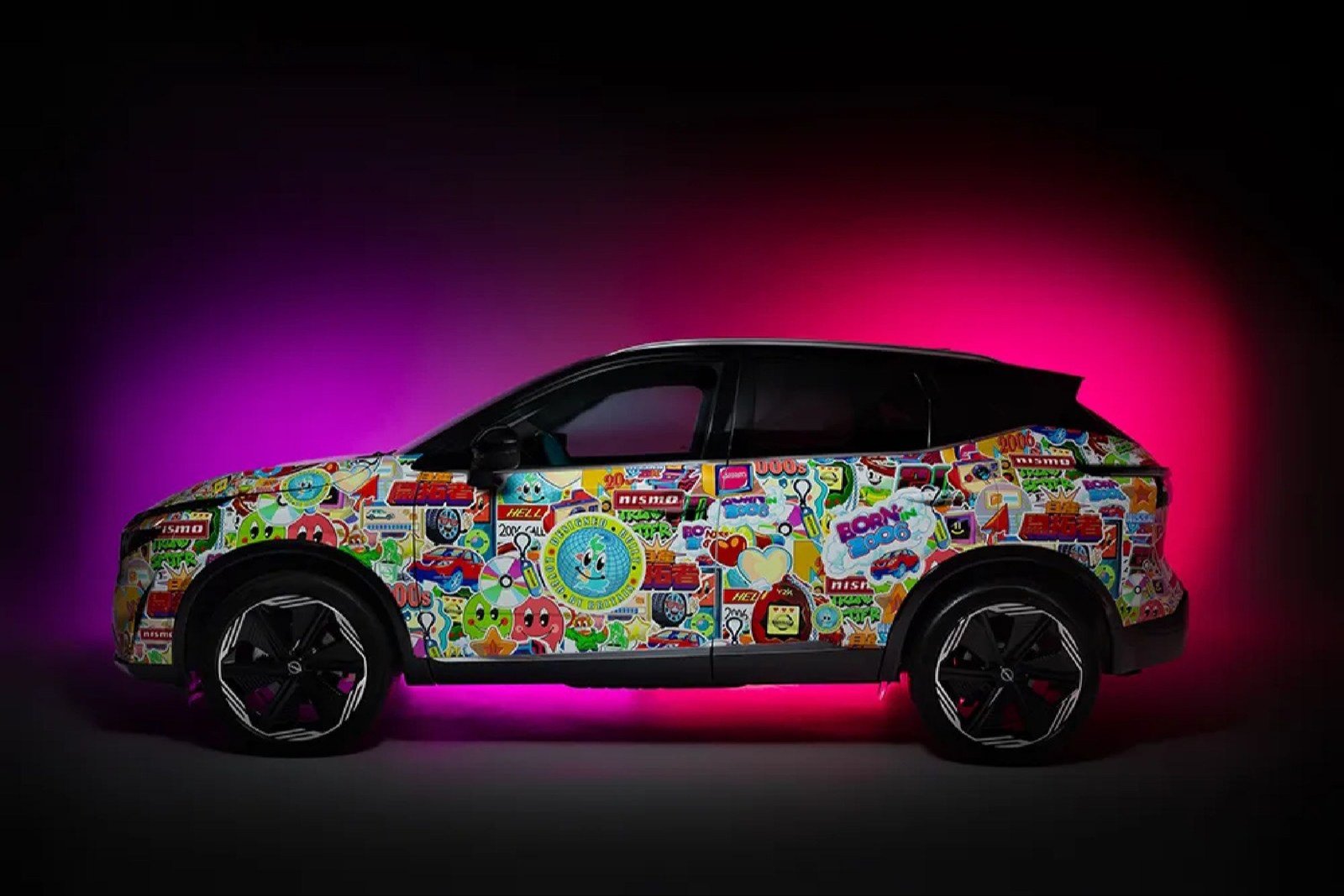
The European Qashqai has since moved on to e-POWER, Nissan's series hybrid, with more than 230,000 sold since 2022. We break down that technology in our e-POWER explainer. In the U.S., Nissan is leaning on the Rogue instead, which also carries much of its current financial recovery.
My bet is that the next small Nissan to succeed here will look less like a Qashqai and more like a shrunken Rogue. Twenty years of Qashqai history point to one lesson: Europeans bought a crossover to move up from a hatchback, while Americans won't buy one to move down from an SUV.