The Toyota RAV4 Shortage, Explained: Real Wait Times and the Best Alternatives
Toyota's best-seller went hybrid-only just as hybrid demand peaked, and dealers can't keep one in stock. Here's what the wait really looks like — and the smart ways around it.
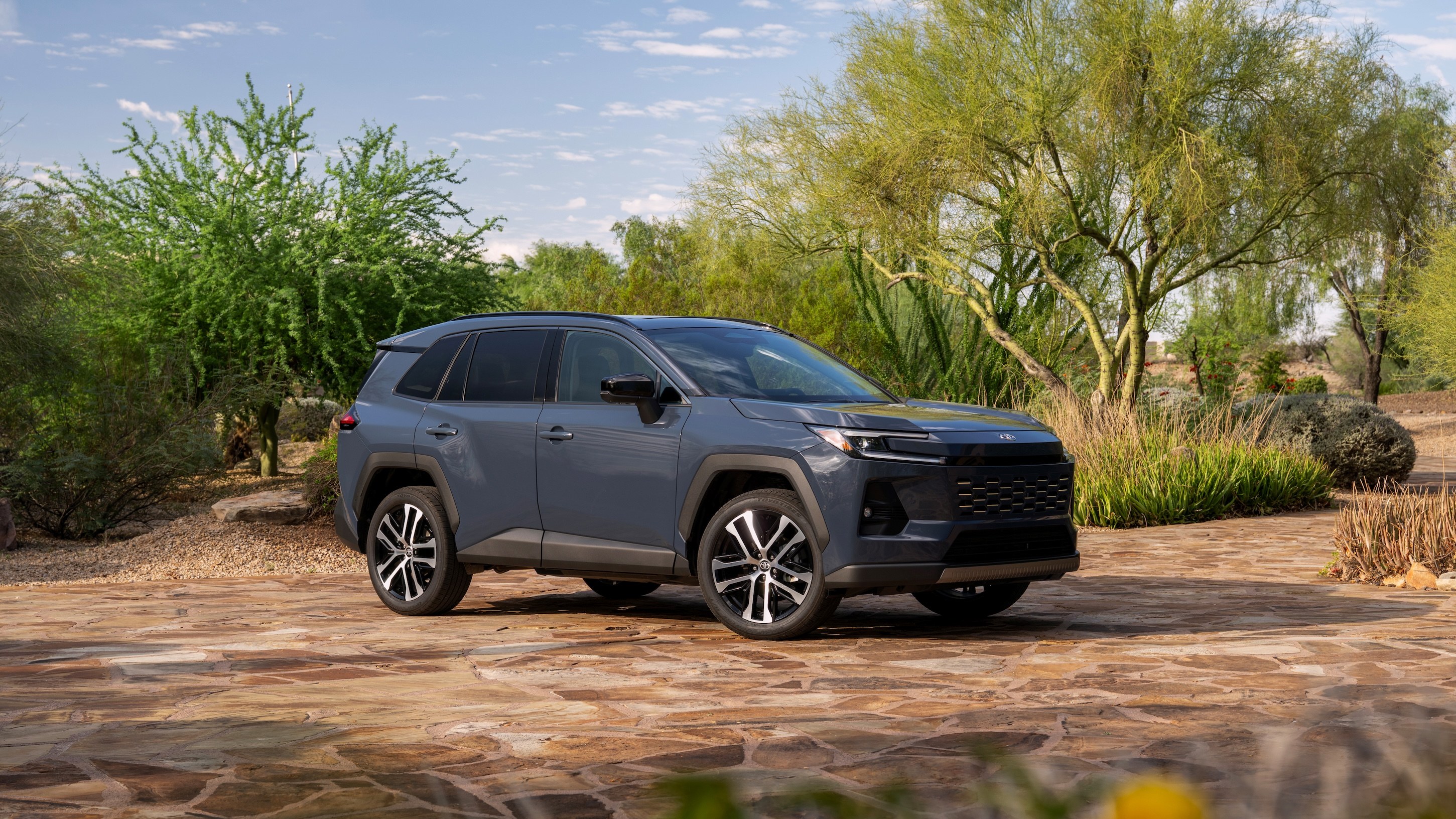
If you have tried to buy a new Toyota RAV4 this summer, you already know the punchline: there aren't any. America's third-best-selling vehicle has become one of its hardest to find, with dealers reporting near-empty lots and some buyers waiting months for a car they ordered in spring. Here is why it happened, what the wait actually looks like, and what to drive home instead if you would rather not join the queue.
Why the RAV4 is suddenly scarce
The shortage is largely Toyota's own doing — and a calculated piece of it. The redesigned 2026 RAV4 went hybrid-only in the United States, starting at $31,900 before the destination fee, and the plants in Japan and Canada that build US-bound cars spent months being retooled for the new powertrain lineup. Early supply came exclusively from those two countries while Toyota converted its Georgetown, Kentucky, line.
Kentucky production started in June 2026 and is expected to add around 40,000 RAV4s by the end of the year, according to Automotive News, with a further expansion planned for 2027. But ramp-ups are gradual, and demand never paused: nearly 480,000 RAV4s were sold in the US in 2025, more than any vehicle in the country except the Ford F-150 and Chevrolet Silverado.
The timing made it worse. Hybrids account for more than 18% of US vehicle sales in 2026, according to J.D. Power, so Toyota switched its best-seller to hybrid power at the exact moment hybrid demand hit a record. Toyota itself estimates the constrained launch will cost it roughly 55,000 RAV4 sales in the US this year.
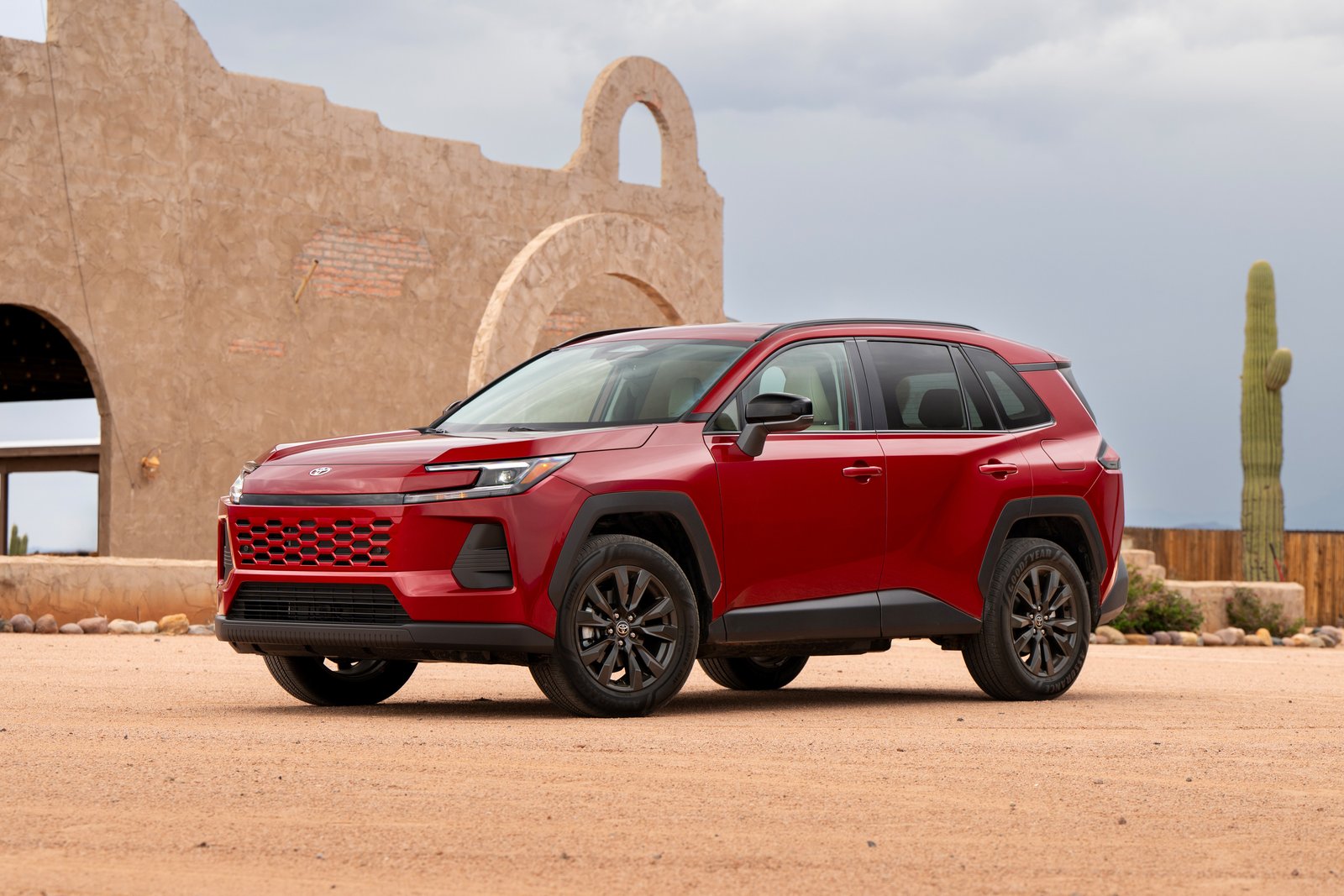
How long you'll actually wait
There is no official national wait time, and any dealer estimate is exactly that — an estimate. What buyers and dealers report sketches the range. A Connecticut couple profiled by CNBC ordered their RAV4 in March and is only taking delivery now, about six months later. "The wait was a slight annoyance," Nancy Berman told the network. The dealership serving them, Colonial Toyota in Milford, says its lot has room for roughly 250 more vehicles and is sitting at about a third of that capacity.
Earlier in the summer, the squeeze was even tighter. One large California store reportedly had more than 800 customers waiting for an allocation, and Toyota's North American sales chief Damon Rose told Automotive News in June the company was "counting inventory in hours' supply right now, not days" — with 97.6% of available RAV4s sold within the month of May.
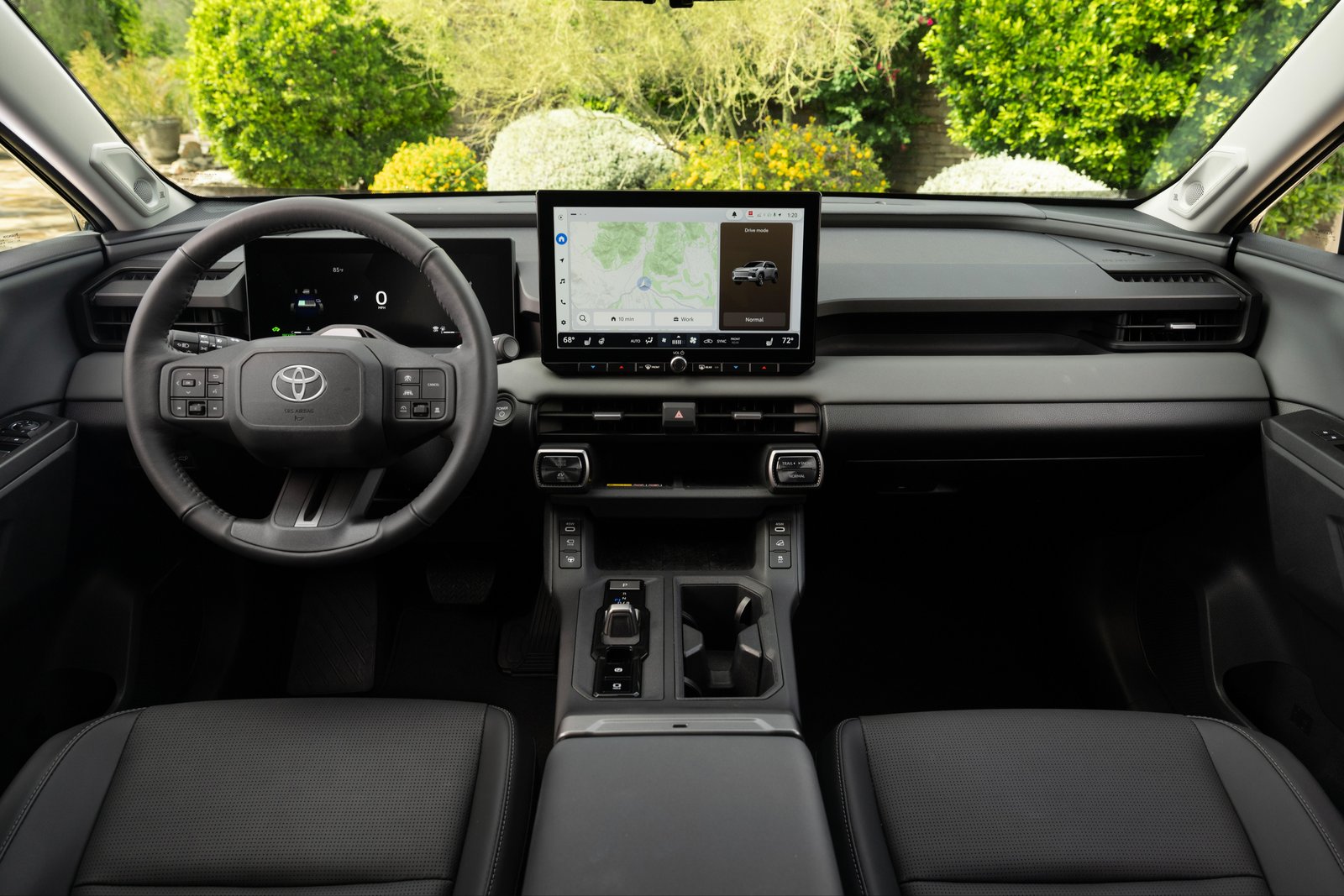
Expect the wait to vary widely by region, trim, and even color: high-demand mid-range trims in popular colors move first, while a flexible buyer may get lucky with an unclaimed incoming unit. Nobody has published fresh nationwide days'-supply figures for the RAV4 specifically since early summer, so treat any precise number you hear as a snapshot, not a promise.
If only a RAV4 will do
Toyota's US sales were still up 0.3% through July, which tells you the company isn't panicking — and that discounts are not coming while every car sells at sticker. If you're set on the RAV4, a few moves improve your odds:
- Place a factory order or deposit now rather than waiting for lots to fill — the queue only gets longer behind you.
- Get the out-the-door price in writing at order time, and confirm the deposit is refundable.
- Widen your search radius; allocation varies dealer to dealer, and a store two hours away may deliver months sooner.
- Stay flexible on trim and color — a rigid spec is the single biggest wait multiplier.
- Ask to be called about canceled orders and unclaimed inbound units.
What to buy instead
Toyota dealers are already steering waiting customers toward the rest of the showroom — the Corolla Cross Hybrid if you can live with less space, the bZ electric crossover, or a 4Runner if you were stretching upward anyway.
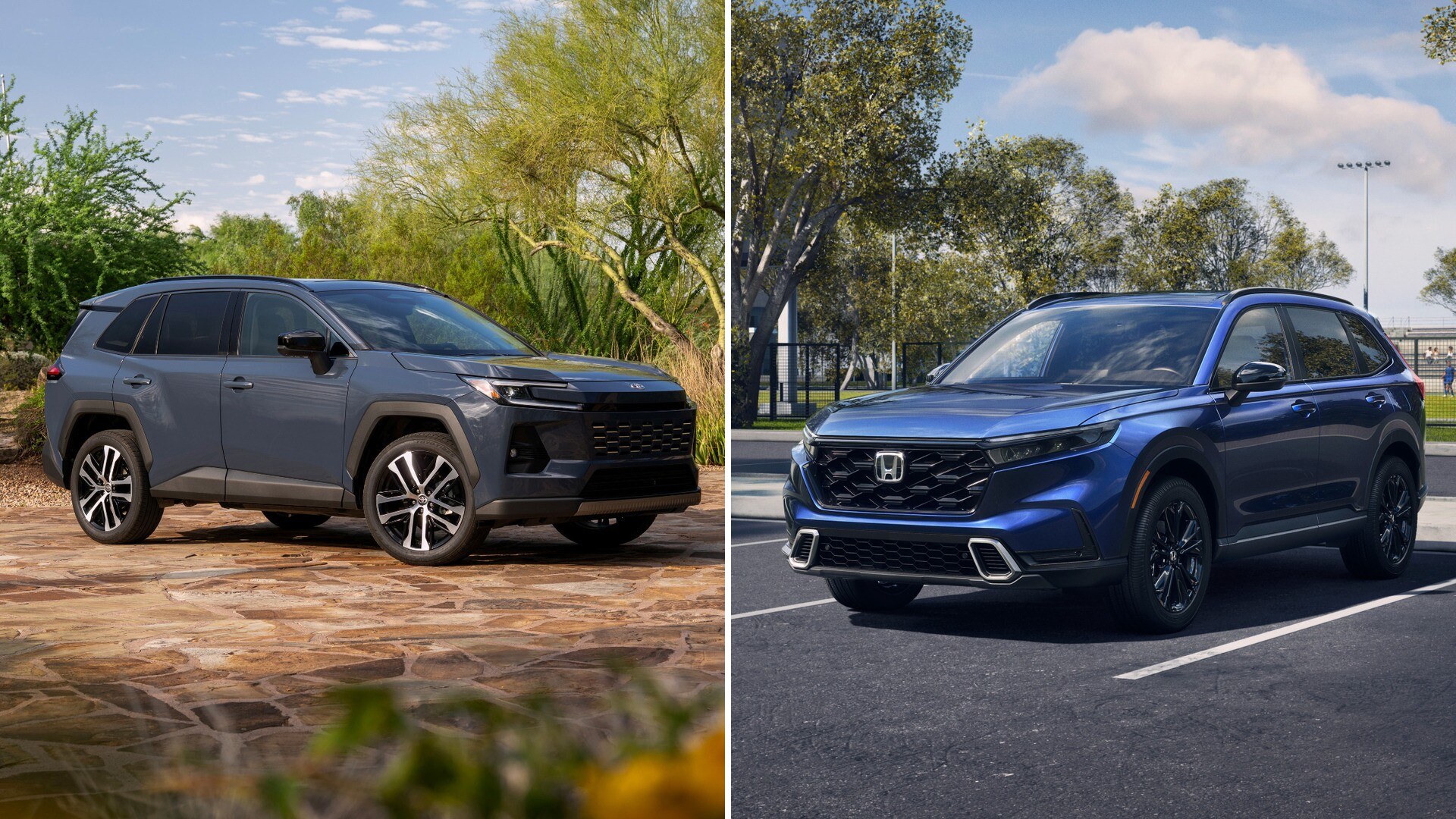
Outside the brand, the compact hybrid segment has never been deeper. The Honda CR-V Hybrid starts at $37,580 with destination — Honda has rolled the line over to the 2027 model year at $36,030, plus a $1,550 destination charge — and matches the RAV4 on practicality. The Hyundai Tucson Hybrid undercuts it on price and is quicker than you'd expect — we've put it head-to-head with the RAV4 in our Tucson vs. RAV4 comparison. Kia has priced the 2027 Sportage from $28,990, keeping it well below both the RAV4 and CR-V. And if what you really wanted was Toyota's hybrid system, the Mazda CX-50 Hybrid literally uses it under license — wrapped in a different body that's actually in stock. Subaru's first Forester Hybrid, new for 2026, rounds out the list for buyers who want standard all-wheel drive.
What we don't know yet
Three things remain genuinely open. First, current nationwide inventory: dealers describe supply in days or even hours, but no fresh model-specific days'-supply data has been published for late summer. Second, when supply fully normalizes — Toyota has pointed to the Kentucky ramp-up and a 2027 expansion but has not named a date. Third, how uneven the recovery will be: coastal high-demand markets will likely stay tight long after inventory returns elsewhere. We'll update this story when Toyota reports September and third-quarter sales in early October.