Toyota Funds Quantum Research at UChicago, but Only Up to $1 Million a Year
The multi-year deal targets vehicle sensing, secure data links, and battery materials, but most of the money pays graduate students, and results are decades away.
Toyota has signed a multi-year research agreement with the University of Chicago to study how quantum technology could one day help cars sense their surroundings, protect the data they send, and monitor their batteries. The money behind it is modest: the automaker says annual funding will reach up to $1 million.
The work will be based mostly at UChicago's Pritzker School of Molecular Engineering and starts with five joint projects. Toyota's side is coordinated by the Toyota Research Institute of North America, which also runs the company's new battery center in Michigan.
What the researchers will actually study
According to the joint announcement, the program covers three practical targets:
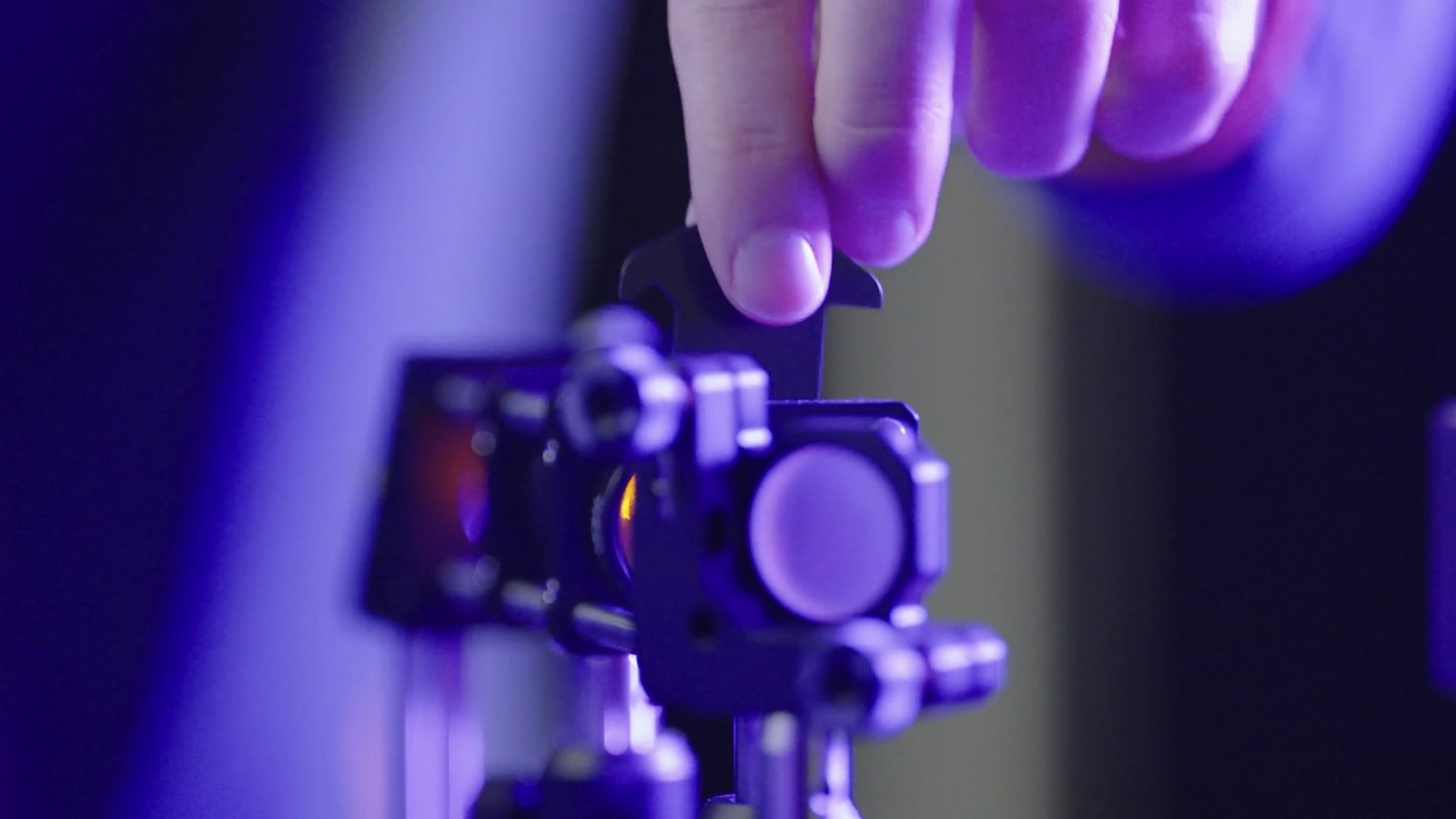
- Sensing. Quantum sensors can detect tiny environmental changes in a lab. The question is whether that precision can survive in a vehicle and outperform today's cameras, radar, and lidar.
- Secure communications. Protecting data passed between cars, roadside equipment, and regional control centers.
- Materials. Using quantum simulations to design materials for sensors and data links, including sensors that could track the condition of battery packs in fine detail.
Physicist Giulia Galli, who leads the theory team, framed the battery work on a 20-year horizon. Nothing here points to a feature in a Toyota showroom this decade.
Mostly an investment in people
The first phase will fund up to eight graduate students across theory and lab work, and lead researcher David Awschalom said virtually all of the money goes to students and postdocs. Two Toyota researchers are already working in the Awschalom and Galli labs as visiting scientists.
That makes this less a technology bet than an early talent pipeline. Toyota gets a seat close to the research and a recruiting channel; the university gets industry problems to work on.
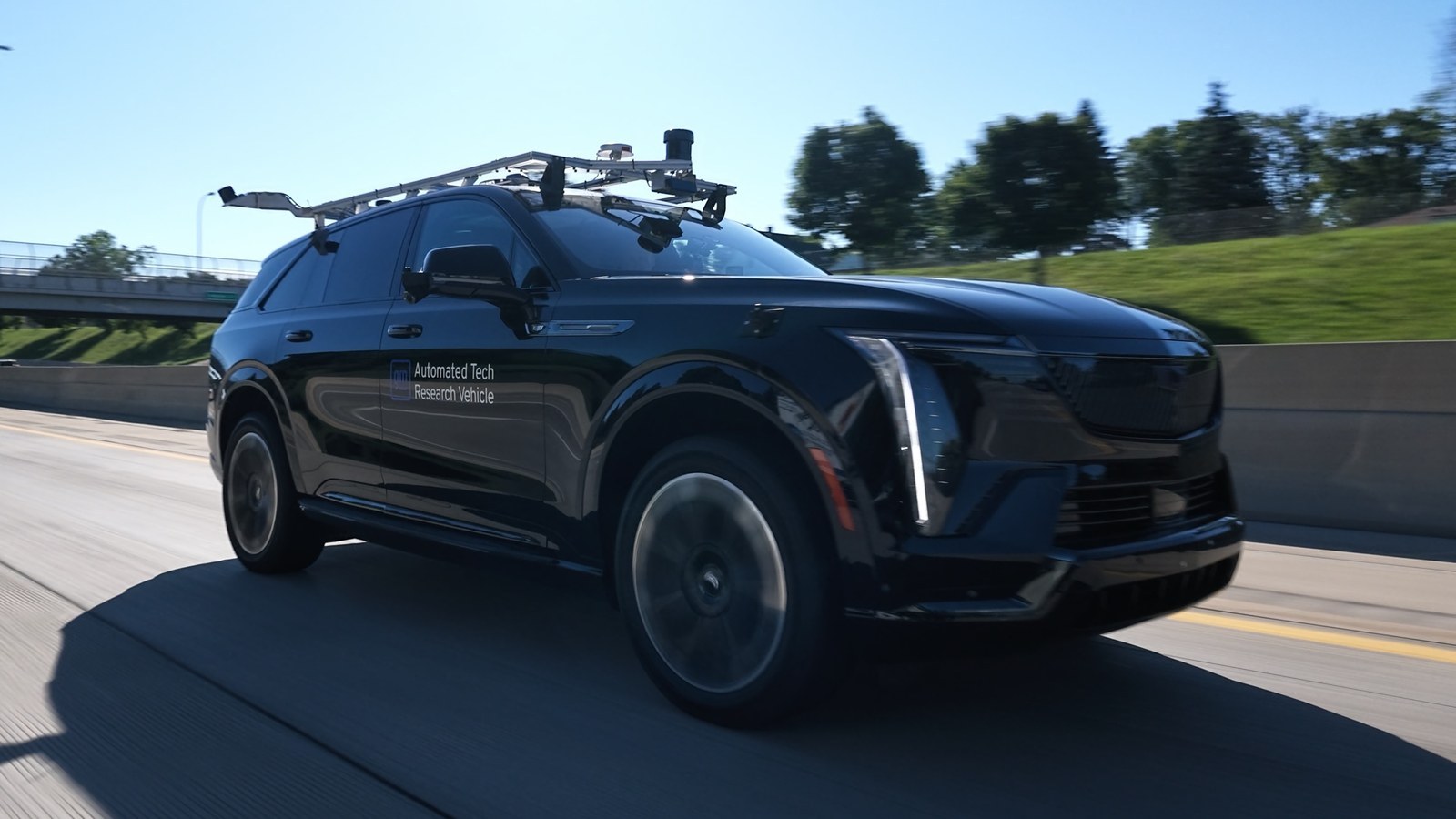
Toyota is not first here. Hyundai began working with quantum computing company IonQ in 2022, using its machines to model battery chemistry and to test quantum algorithms for object detection in self-driving systems. Toyota's own autonomy efforts, such as its robotaxi project with Waymo, rely on conventional sensors.
Neither company has said what results it expects or when. For now, the UChicago deal is a long-range research program with a small budget and no product roadmap attached.