Which EVs Can Charge at a Tesla Supercharger — and Which Still Need an Adapter
Twenty-one automakers now have Supercharger access, but whether you plug straight in or fumble with a $185–$249 adapter depends on your brand and model year. Here is the full breakdown.
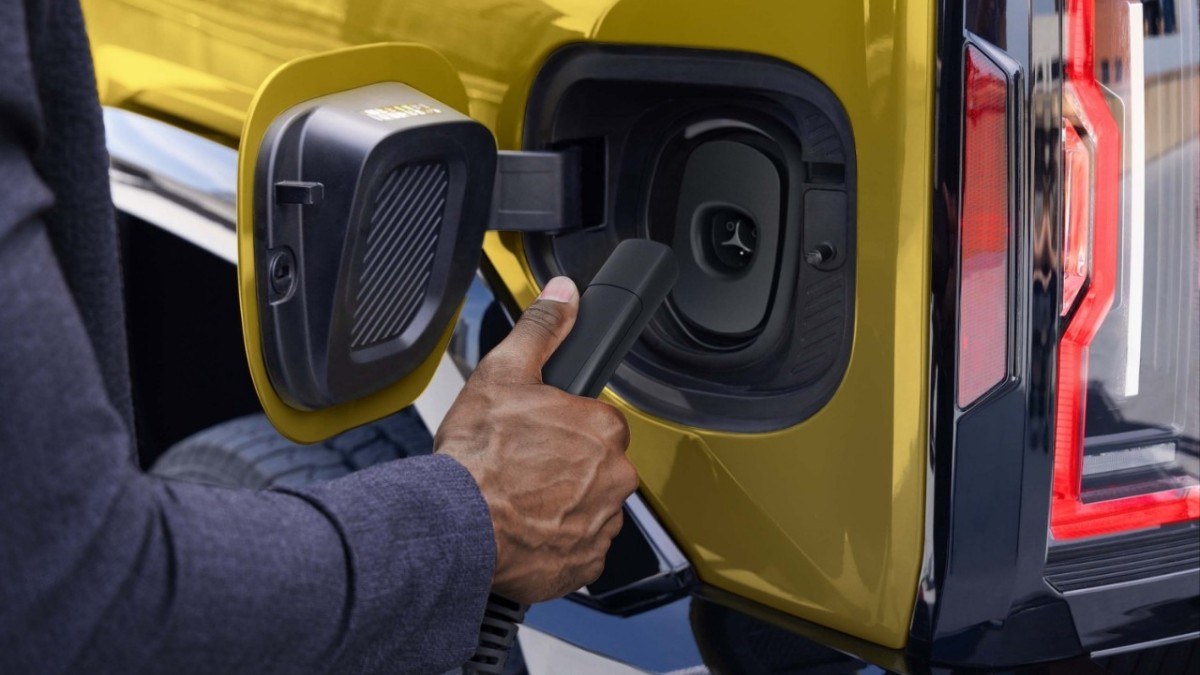
As of September 2026, Tesla lists 21 automakers with access to its North American Supercharger network. Owners of Ford, GM, Hyundai, Kia, Toyota, Stellantis and a dozen other brands can pull up to a Supercharger and plug in. The catch is what happens between the cable and your car. If your EV has a native NACS port, you plug in directly. If it still has the older CCS1 port, you need an adapter from your own automaker, and those cost anywhere from nothing to $249.
The three brands still outside the network are Mazda, Mitsubishi and VinFast. None has announced a date.
Which brands have Supercharger access
Tesla's official support page names the following manufacturers: Acura, Audi, BMW, Ford, General Motors, Genesis, Honda, Hyundai, JLR, Kia, Lucid, Mercedes-Benz, Nissan, Polestar, Porsche, Rivian, Stellantis, Subaru, Toyota, Volkswagen and Volvo. Lexus is not a separate line on that list but charges under Toyota's agreement.
Ford opened the door in February 2024. Stellantis was the last major group to join, on March 19, 2026, bringing Dodge, Jeep, Ram, Fiat and Maserati EVs onto the network at once.
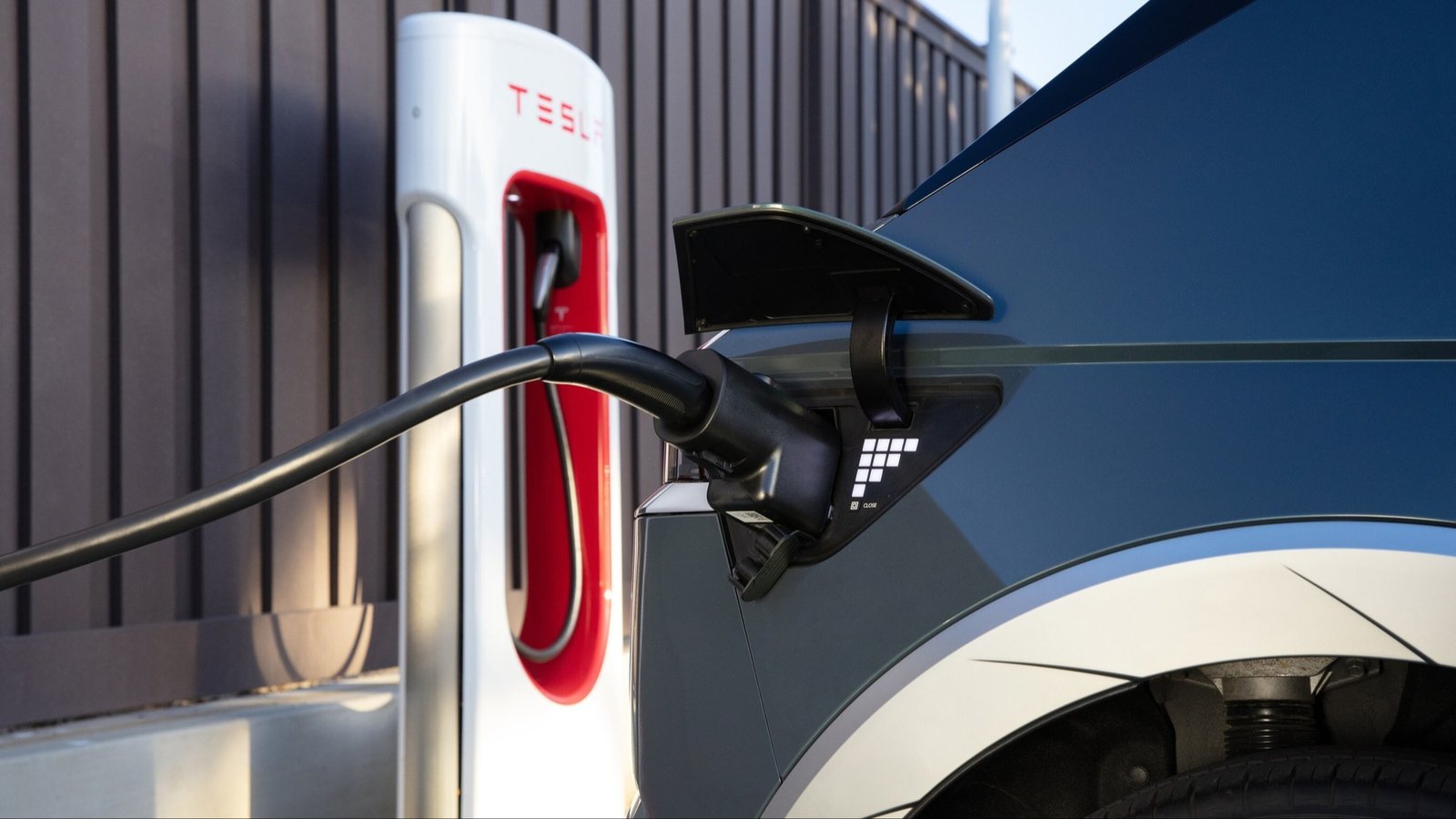
Access does not mean every Supercharger. Tesla runs three kinds of sites: Tesla-only stalls, "All EVs" stalls with a built-in Magic Dock adapter that any CCS1 car can use, and NACS partner stalls that open brand by brand. The Tesla app filters the map to the sites your specific vehicle can use.
Brand-by-brand: adapter or native port
The table below covers every brand on Tesla's list. "Native NACS" means the model ships with the port from the factory and needs no adapter at a Supercharger. Adapter prices are U.S. MSRP as published by each automaker; where a brand has not published a price, the cell says so.
| Brand | Access since | Adapter | Native NACS models |
|---|---|---|---|
| Ford | Feb 2024 | $200 (early owners got one free) | Fathom (early 2027); Mach-E and F-150 Lightning remain CCS1 |
| Rivian | Mar 2024 | Free to existing owners | R1T/R1S from MY2026, R2 |
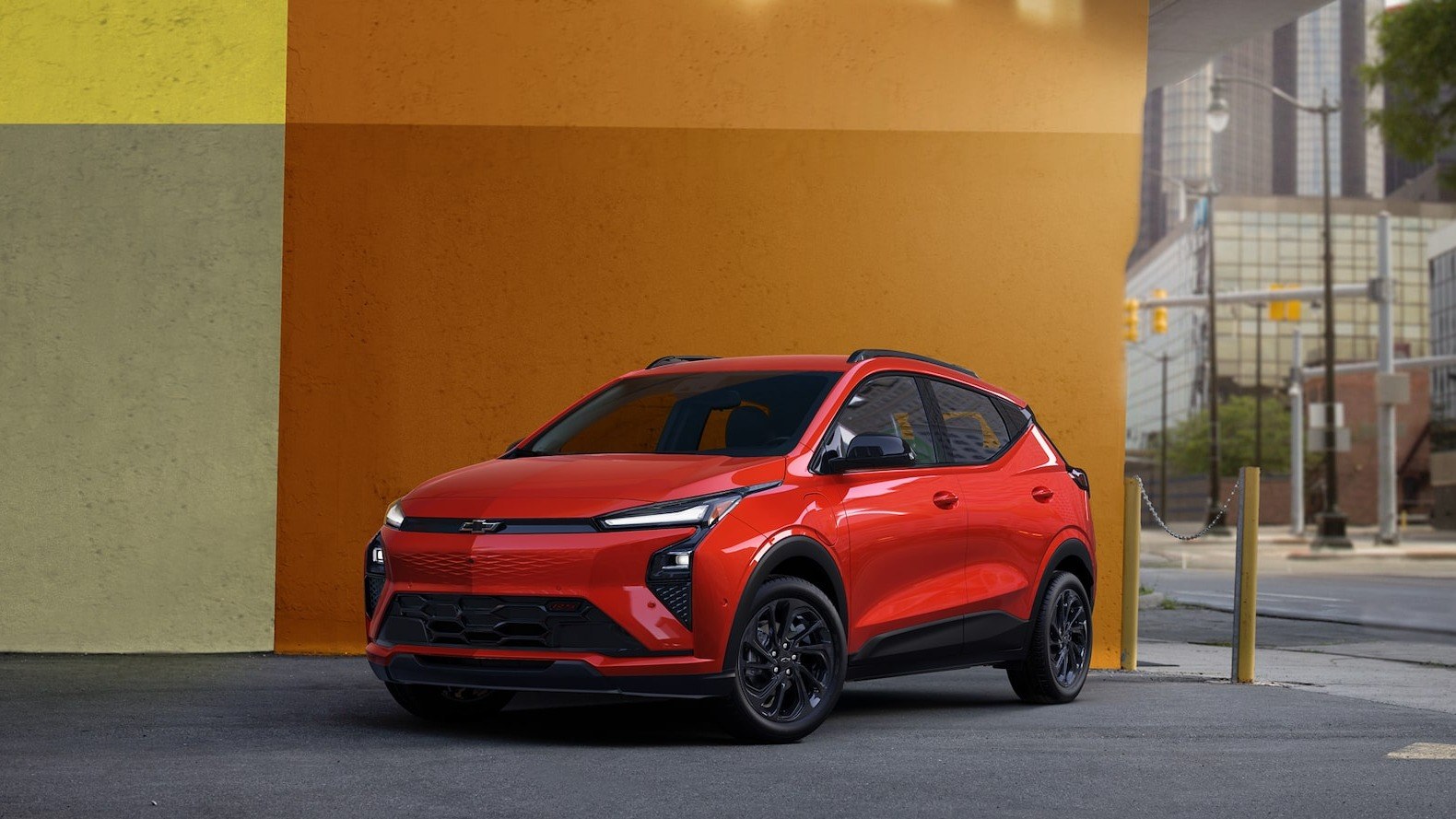
| GM (Chevrolet, Cadillac, GMC) | Sep 2024 | $225 | Optiq (MY2026), Bolt (MY2027); all GM EVs for MY2027 |
| Volvo / Polestar | Oct 2024 | $230; free with new EX90, EX40, EC40 | None yet on sale |
| Nissan | Dec 2024 | $235 (Ariya) | Leaf (2026) |
| Mercedes-Benz | Feb 2025 | $185 | CLA (2026) |
| Hyundai | Mar 2025 | Free if bought by Jan 31, 2025; otherwise sold | Ioniq 5 (MY2025), Ioniq 9 |
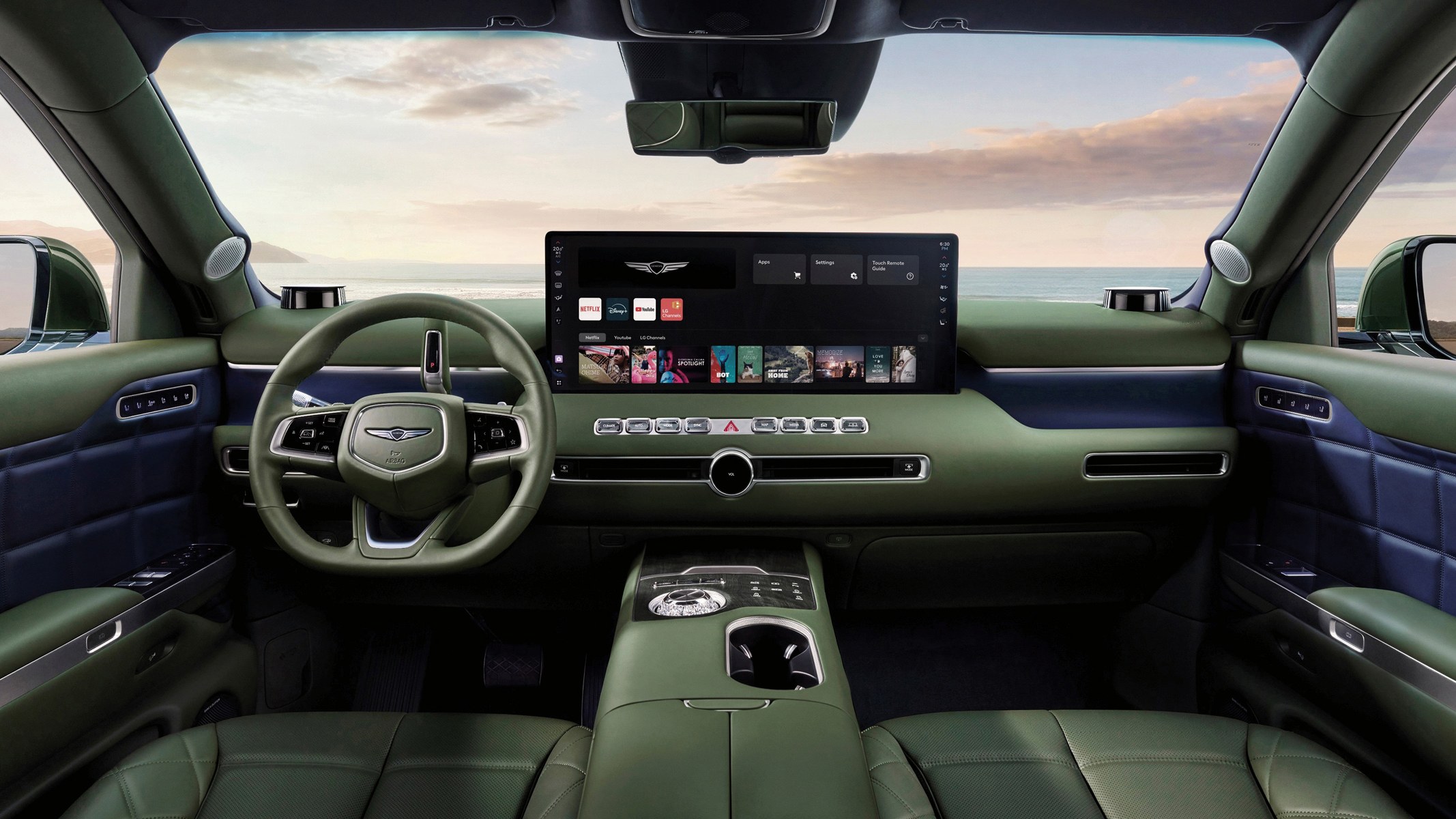
| Genesis | Early 2025 | Via Hyundai program | Electrified GV70 (2026) |
| Kia | Apr 24, 2025 | $249; free for EV6/EV9 2024–25 bought from Sep 4, 2024 | EV6 (MY2025), EV9 (MY2026), EV3 |
| Honda / Acura | Jul 2025 | $225 (Prologue, ZDX) | None yet |
| Lucid | Jan 2025 (Gravity), Jul 31, 2025 (Air) | $220 (Air) | Gravity |
| JLR | Aug 2025 | Not yet published | Next-generation Jaguar and Range Rover EVs |
| Audi | Sep 2025 | Included with new Q6/A6 e-tron, e-tron GT; Q4 e-tron excluded | None yet |
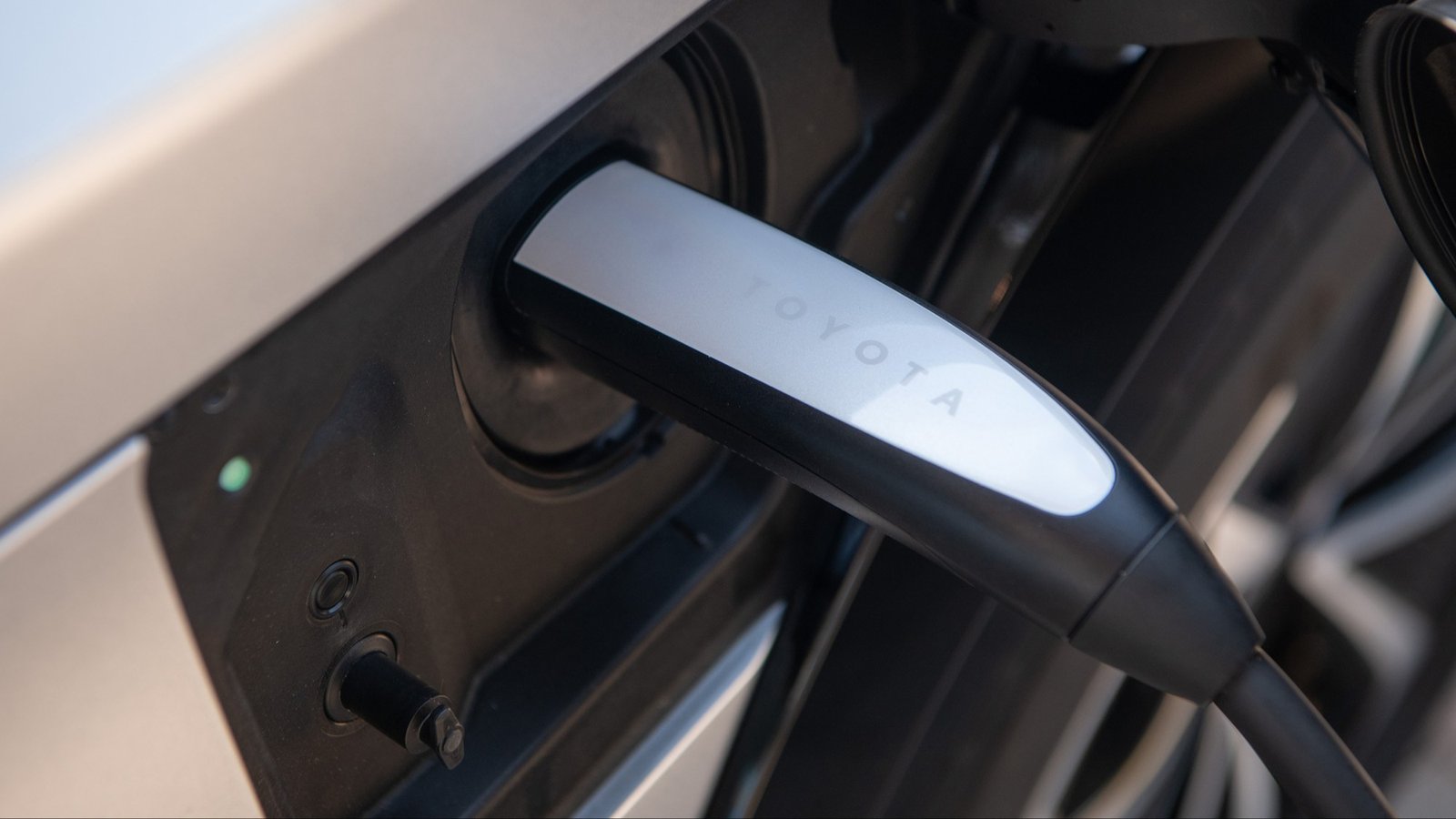
| Porsche | Sep 9, 2025 | $185; free for MY2025 Taycan and all Macan Electric; included on MY2026 | Taycan (MY2027) |
| Toyota / Lexus | Oct 2025 | Free for bZ4X and RZ 2023–25 | bZ, C-HR, RZ (2026) |
| Subaru | Oct 2025 | Sold to Solterra 2023–25 owners; price not published | Solterra (2026), Uncharted |
| Volkswagen | Nov 2025 | $200; included on MY2026 | None yet |
| BMW | Dec 2025 | BMW-approved Lectron Vortex Plus; price not published | iX3, i5 (expected) |
| Stellantis | Mar 19, 2026 | Free2move Charge adapter via dealers and Mopar; MSRP not published | Dodge Charger Daytona (MY2027) |
A few cells deserve a footnote. Ford's first EV with a factory NACS port will be the Fathom pickup due in early 2027; the current Mustang Mach-E and F-150 Lightning still use CCS1. GM is the most sweeping switch: every Cadillac, Chevrolet and GMC EV moves to a native port for the 2027 model year, and the Cadillac Optiq already has one for 2026. Audi's Q4 e-tron is the one mainstream EV from a listed brand that cannot use the network at all, because Audi has not approved an adapter for it.
How much a Supercharger session costs in a non-Tesla EV
Superchargers are pay-per-use with no membership required, and prices vary by site and time of day. Non-Tesla vehicles pay a higher per-kilowatt-hour rate by default. Tesla itself has put that premium at roughly 40 percent; Electrek's analysis of posted rates puts the real gap closer to 30 to 35 percent, and DCFC Tracker's September 2026 survey found members paying about 31 percent less than the standard rate.
The way around it is a Supercharging Membership, which gives other EVs the same per-kWh price Tesla owners pay. Tesla's support pages do not list the fee, but Electrek and InsideEVs report it at $12.99 a month. One membership covers all your vehicles, and it can be canceled any time. Congestion fees apply to every EV on the network, including a charge for sitting above 80 percent at a busy site.
How to start a session
Most brands route you through the Tesla app: download it, create an account, add your vehicle and a payment card, then pick the stall number printed on the post. A handful of automakers have folded Supercharging into their own apps, so you never open Tesla's. Kia uses Kia Access, Nissan uses MyNISSAN, Stellantis uses Free2move Charge, and GM's Energy Pass inside the MyChevrolet, MyCadillac and MyGMC apps covers Superchargers alongside IONNA, Electrify America and ChargePoint. Toyota's 2026 bZ and Subaru's 2026 Solterra go further with Plug & Charge, which starts the session as soon as the cable clicks in.
Two things to know before you arrive:
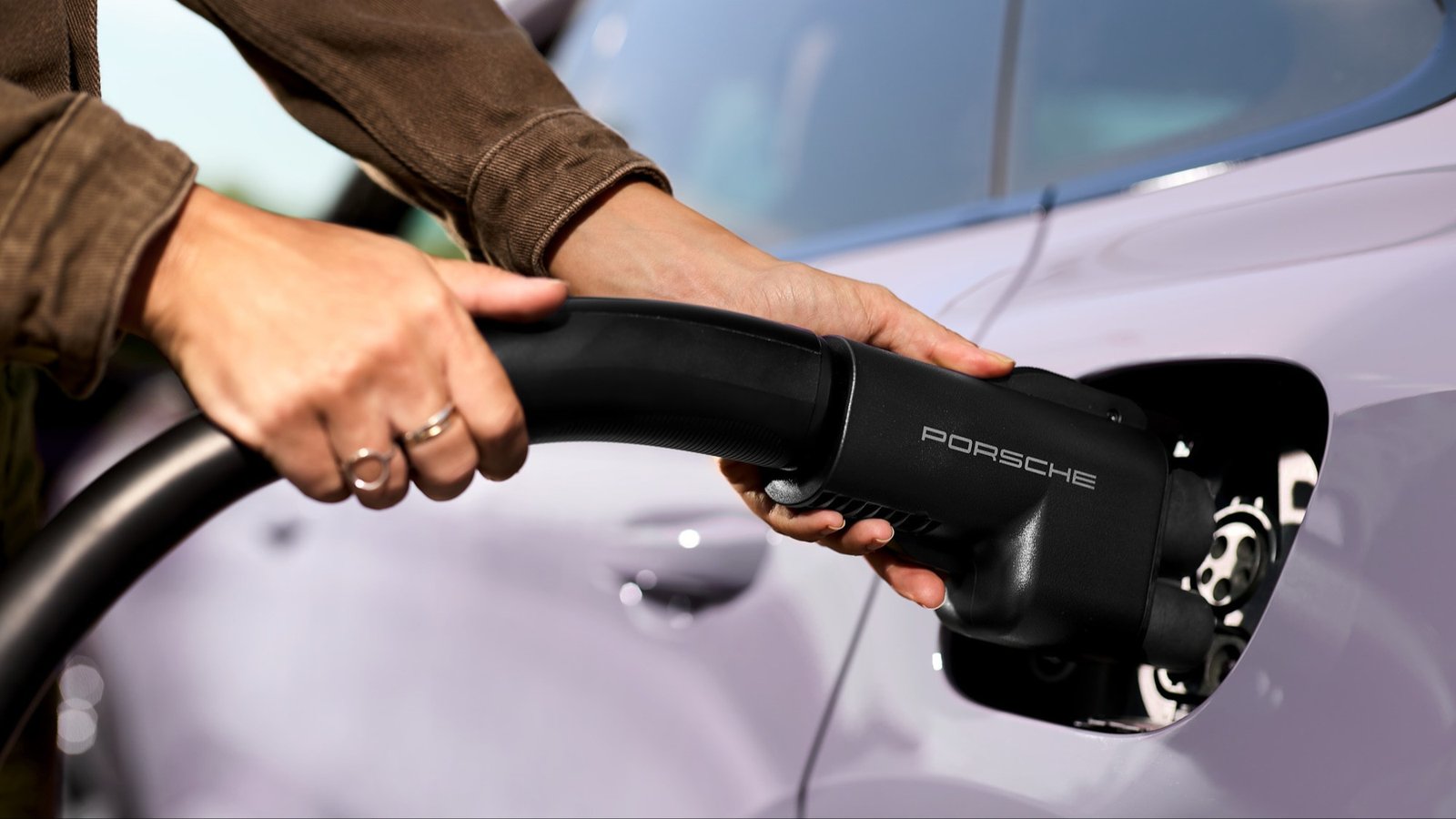
- Only your automaker's adapter is allowed. Tesla's terms prohibit third-party adapters, and Honda, Nissan and Kia all warn that an unapproved one can void the vehicle's warranty. Cheaper adapters on Amazon are not worth the risk.
- The cable may be short. V3 Superchargers were built for Tesla's rear-left charge port. If your port is on the front or the right side, Tesla's own advice is to park over the line rather than diagonally. Newer V4 posts have longer cables that reach any port position.
Why an 800-volt EV charges slowly at a Supercharger
The cable being open to you does not mean you get your car's peak rate. V3 Superchargers top out at 250 kW and are optimized for 400-volt-class packs. Cars built on 800-volt systems, including the Hyundai Ioniq 5, Kia EV6, Porsche Taycan and Lucid Air, draw well below their rated maximum on those stalls. Lucid is the only automaker that has put a number on it: the Air charges at up to 50 kW through its adapter, which Lucid frames as a road-trip backup rather than a primary fast charger. Hyundai, Kia and Porsche have not published Supercharger-specific figures. Tesla's app shows the maximum kilowatts at each site, and V4 stalls with their higher-voltage hardware are where 800-volt cars will eventually see their full rate.
What is NACS, and why does it have two names
NACS stands for North American Charging Standard. It is Tesla's connector, in use since the first Supercharger in 2012, which Tesla published as an open design in November 2022. SAE International then standardized it as J3400, which is why automaker press releases increasingly say "J3400" instead of "NACS." They are the same plug. A native NACS car still needs a CCS1 adapter for Electrify America or EVgo stations that have not switched cables, and most automakers now bundle that second adapter with new vehicles.
What we don't know yet
- When Mazda, Mitsubishi and VinFast join. Mazda has said it will adopt NACS but currently sells no EV in the U.S. Mitsubishi has never announced an agreement with Tesla. VinFast committed in 2023 and has not activated access.
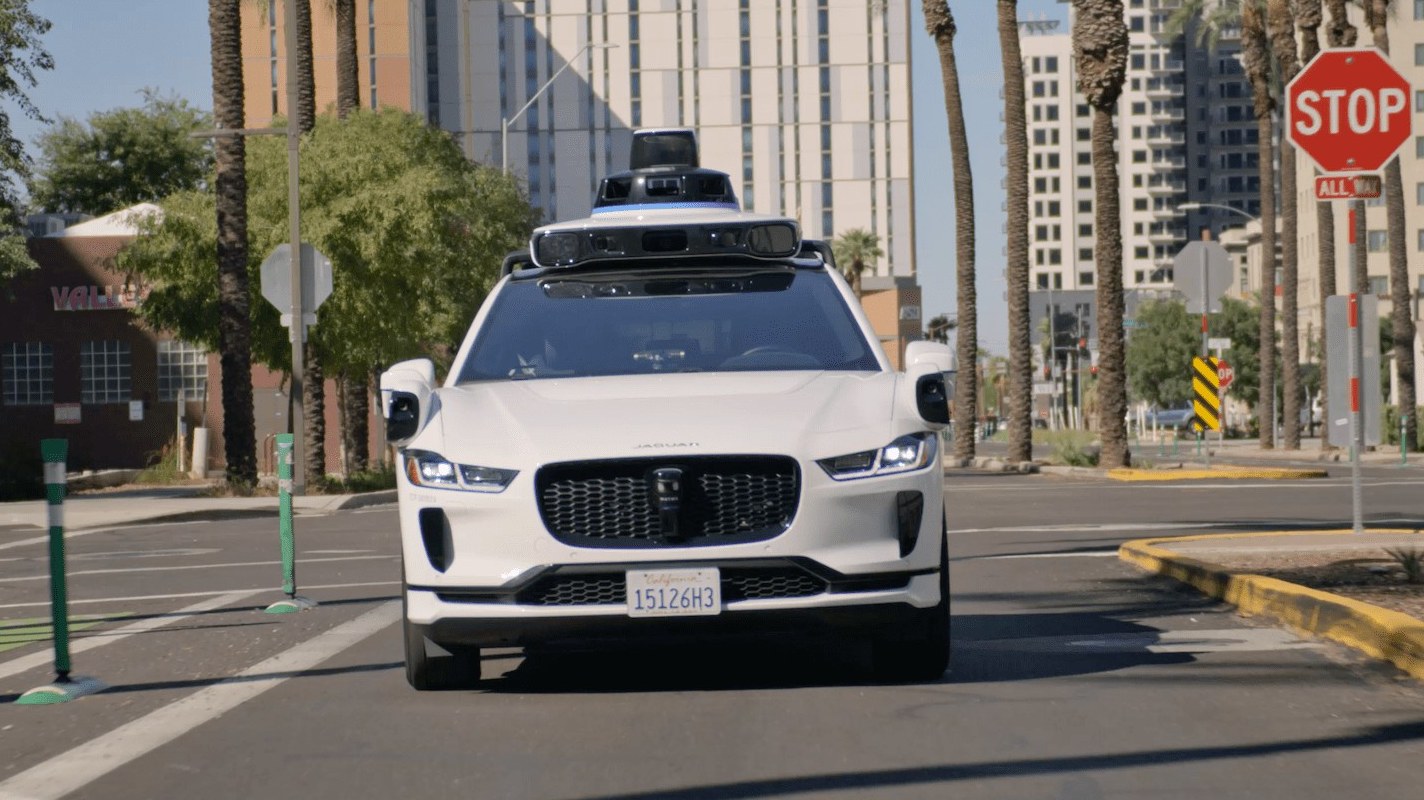
- The exact date JLR went live. The brand appeared on Tesla's list in August 2025 without a press release, and JLR has not published an approved adapter for the I-Pace.
- Adapter prices from Audi, BMW and Stellantis. None of the three has published an MSRP; third-party reports put Stellantis's Free2move Charge adapter somewhere between $230 and $250.
- How many Superchargers are in the U.S. Tesla only says more than 80,000 worldwide. The most recent partner figure is Stellantis's "more than 27,500" across North America, from March 2026.
What's next
The adapter era is closing quickly. Every GM EV goes native for 2027, Ford's Fathom arrives in early 2027 with a NACS port, Porsche's 2027 Taycan drops CCS1, and Stellantis starts with the 2027 Charger Daytona. Within two model years, the adapter question will mostly apply to used EVs. If you are shopping now, check our roundup of Cadillac's EV lineup and the 2026 GMC EVs, both of which cross the NACS line this cycle. And whichever brand you pick, range figures on the window sticker come from EPA testing; if you are comparing against Chinese-market numbers, our CLTC vs. EPA explainer shows why they are not the same thing.