Volkswagen Lost $6.5 Billion in Q3 on Porsche — and Booked the End of the U.S. ID.4
A €6.4 billion Porsche write-down drove the loss. The report also books the end of U.S. ID.4 production and flags Audi's North American slump and tariffs.
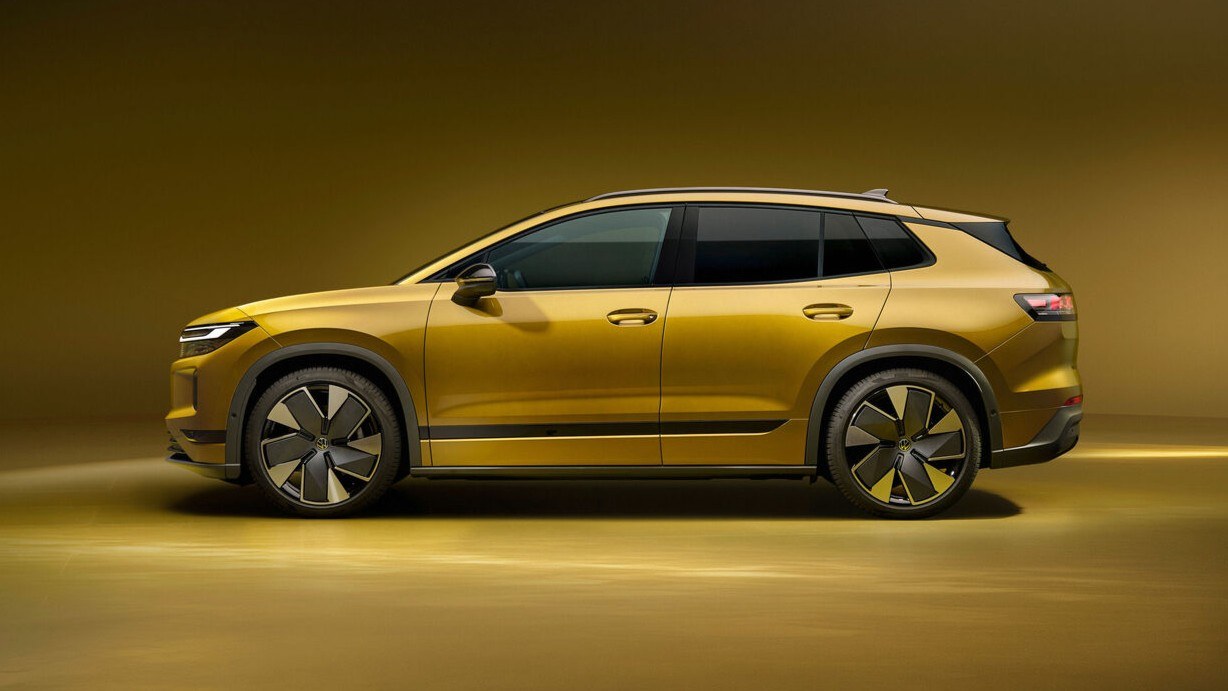
Volkswagen Group lost €5.86 billion ($6.5 billion) at the operating level in the third quarter, and most of it never left the bank: a €6.4 billion non-cash write-down of the goodwill VW carries for Porsche. Buried in the same nine-month report is a line American EV shoppers will recognize. VW now books the end of ID.4 production in the U.S. as a one-time charge.
That exit was announced in April, when VW stopped building the ID.4 in Chattanooga, Tennessee. Its successor, the ID. Tiguan, has no U.S. date yet, as our ID. Tiguan guide explains. Dollar figures in this story use the European Central Bank's Oct. 29 reference rate of $1.113 per euro.
Where the money went
Third-quarter revenue fell 6.3%, to €75.3 billion ($83.8 billion), and deliveries dropped 14.3%, to 1.885 million vehicles. After taxes, the quarter cost VW €5.82 billion. A year ago, the same quarter showed an operating loss of €1.3 billion.
Through nine months, the group made an operating profit of just €71 million, down 98.7%, on €233.4 billion in revenue. Strip out €8.7 billion in special items, €7.8 billion of them booked in the third quarter, and the figure becomes €8.8 billion ($9.8 billion), a 3.8% margin.
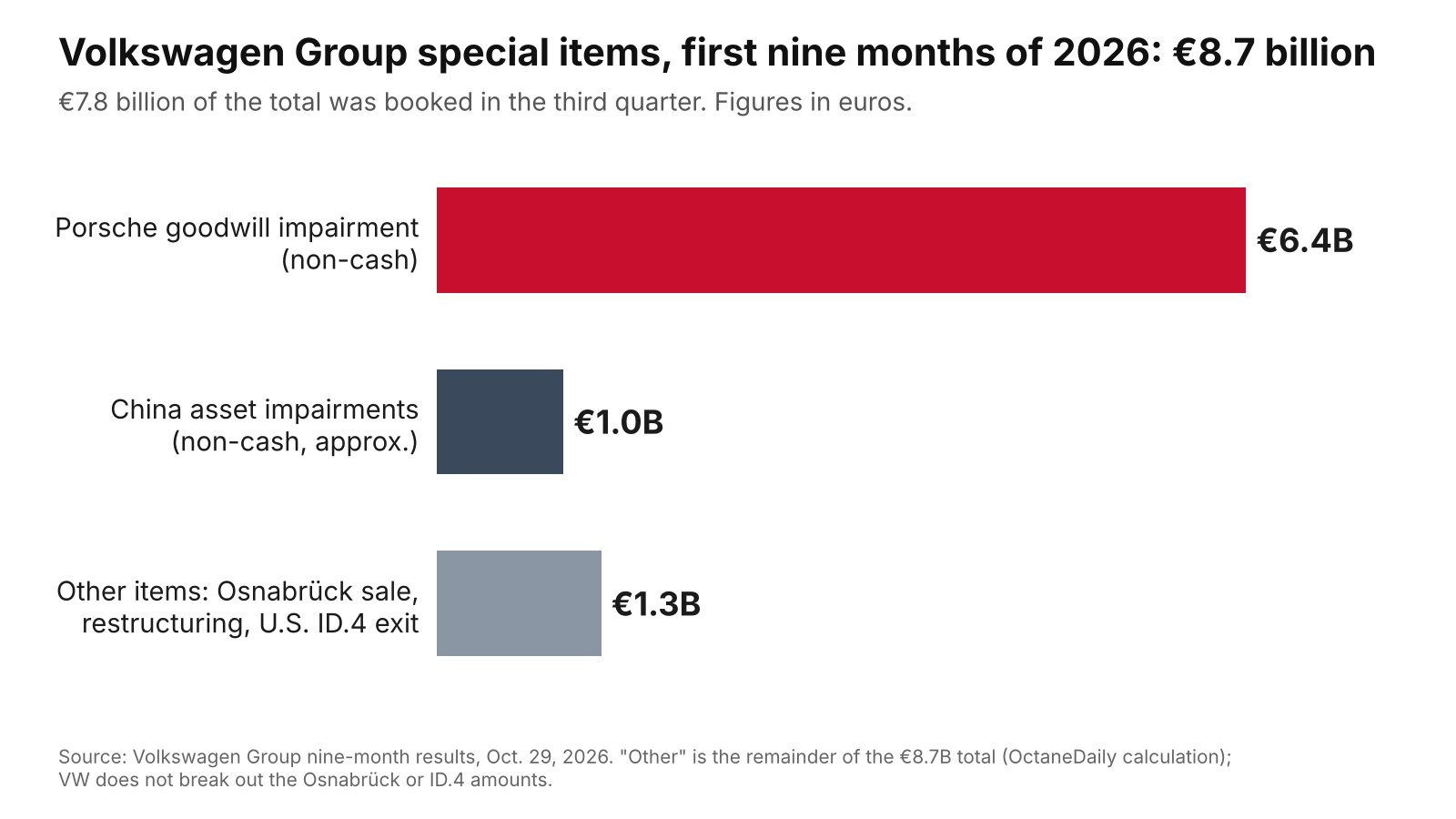
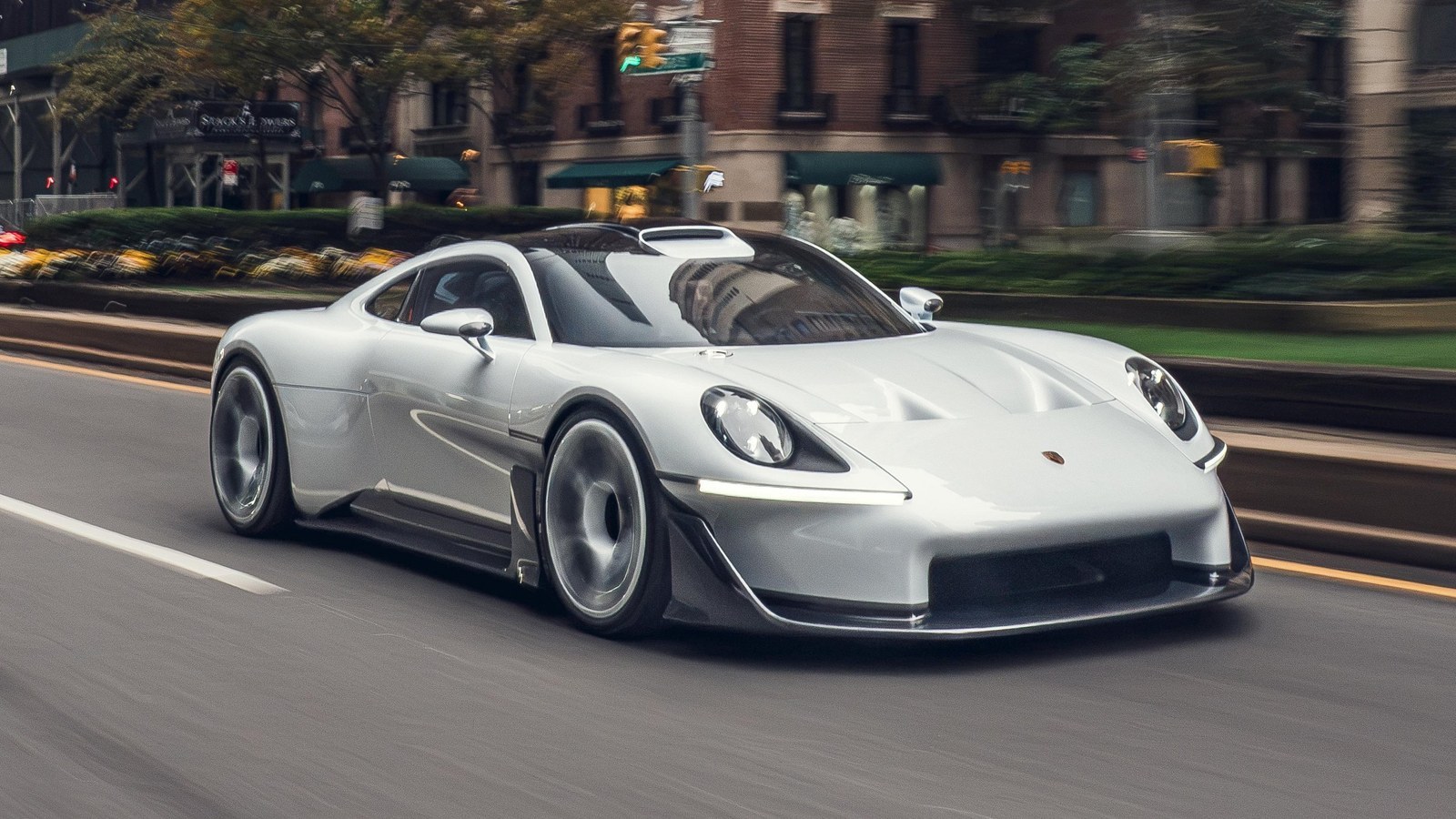
Porsche accounts for the bulk of those charges. Roughly €1 billion more covers impairments on assets of consolidated companies in China, and the rest includes costs tied to the planned sale of the Osnabrück plant in Germany. VW lists the "already completed" end of U.S. ID.4 production among the special items in its Core brand group, but doesn't say what it cost.
The U.S. pieces
The ID.4 charge closes out a car that had already stopped selling. VW's U.S. dealers moved 989 ID.4s in the third quarter, down 92% from a year earlier, the last full quarter of the $7,500 federal tax credit, according to our breakdown of VW's U.S. sales. Chattanooga now builds the gas-powered Atlas instead.
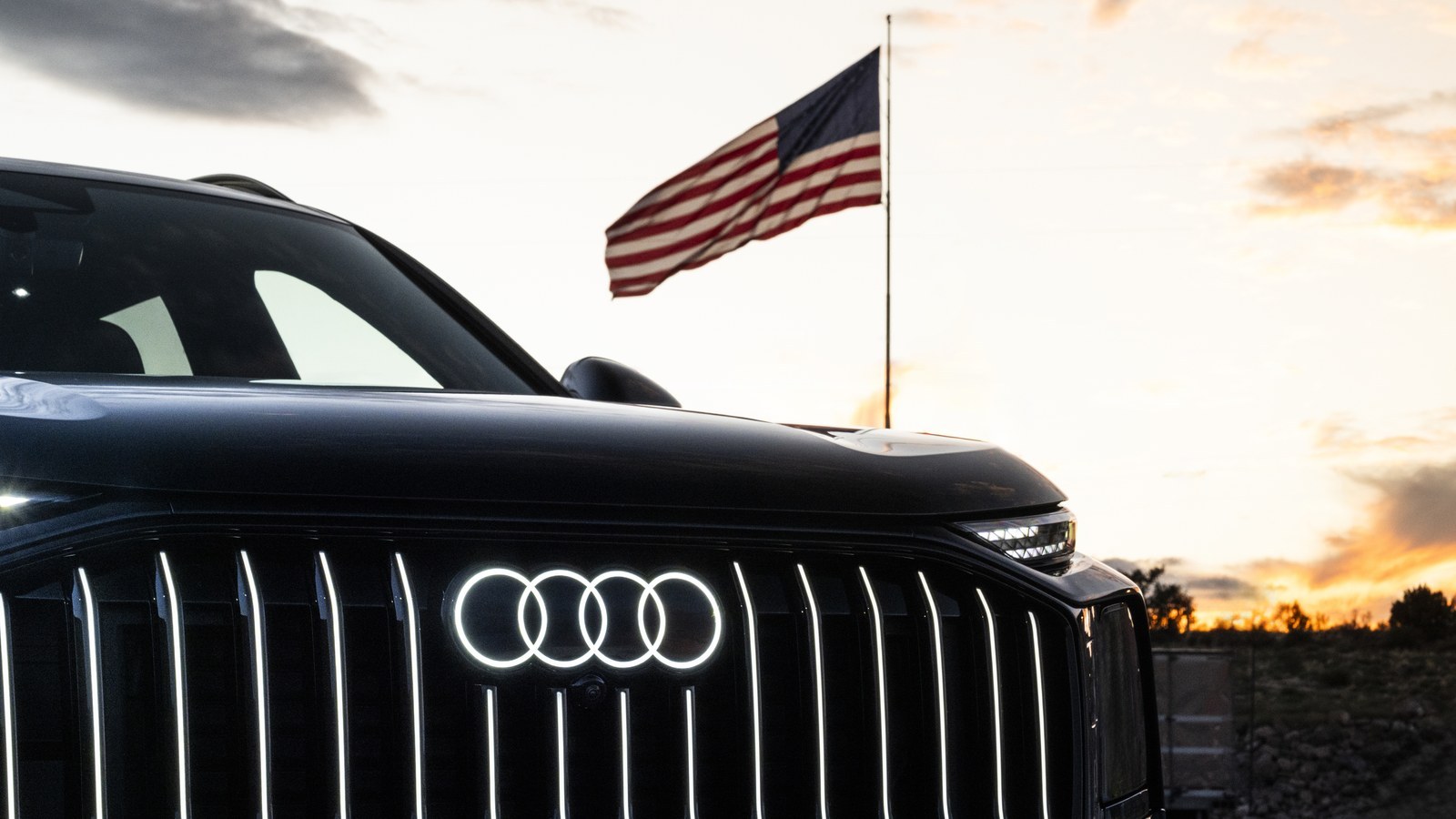
The Progressive brand group, led by Audi, saw operating profit fall 26%, to €1.2 billion. VW blames falling volumes in China and North America, along with weaker residual values. Audi's U.S. sales were down 17.1% in the first half, according to GoodCarBadCar. Every Audi sold here still comes from Mexico or Europe, at least until the Georgia plant opens in the early 2030s.
Tariffs run through the report without a price tag. VW says U.S. duties weigh on the business and names them as a drag on its Traton truck division, but it doesn't total their cost for the group. Porsche alone booked €200 million in U.S. tariff charges in the third quarter, as its own results showed.
The outlook assumes nothing changes
VW confirmed the forecast it cut on Sept. 18. It expects about €315 billion ($351 billion) in 2026 revenue and an operating margin of up to 1%, down from the 4% to 5.5% it guided to in July. It also expects €3 billion to €6 billion in automotive net cash flow. All of it rests on the assumption that the current U.S. tariff regime stays as it is.
Demand in Europe looks healthier than the profit line. Orders there rose 4%, to 3.0 million vehicles, and orders for battery-electric models jumped 39%. EVs now make up about 40% of a European order bank of roughly 1.1 million cars. The catch, VW says, is that those EVs earn less than the gas and hybrid models they replace.
"We cannot afford to lose any time and must act quickly and decisively," finance chief Arno Antlitz said.
His answer is a cost program of about €31 billion. What VW hasn't said is how the ID.4 exit affects its U.S. lineup next year, or when the ID. Tiguan will reach American dealers. The next data point is VW and Audi's October U.S. sales, due Nov. 3.