Your EV Can Keep the Lights On. Here’s Which Ones Actually Can
Twelve GM models, the Cybertruck and new Teslas with a Powerwall can back up a home today. Kia, Ford and Subaru owners face a longer list of caveats.
When a winter storm takes down the grid, the battery parked in your driveway holds days of household electricity. A long-range Kia EV9 stores 99.8 kWh; Tesla's benchmark for an average home is 30 kWh a day. Getting that energy into your breaker panel is the hard part, and it is a separate question from how much range the cold takes from each EV.
Only a few EVs sold in the U.S. can do it today. Each needs brand-specific hardware wired into the house, and the truck that started the trend is out of production. Here is where every factory-backed system stands in October 2026.
V2H vs. V2L: Two Very Different Things
Vehicle-to-home (V2H) sends power from the car through a bidirectional charger into your electrical panel. Hardwired loads such as the furnace blower, well pump, and lights keep working. It requires an electrician, a permit, and often utility approval.
Vehicle-to-load (V2L) is simply outlets on the car, or an adapter in the charge port. You run extension cords to a refrigerator or a space heater. Nothing is installed, and nothing in the house is powered automatically.
Many EVs are advertised as "bidirectional." Only V2H keeps a house running.
EVs That Can Power a House Today
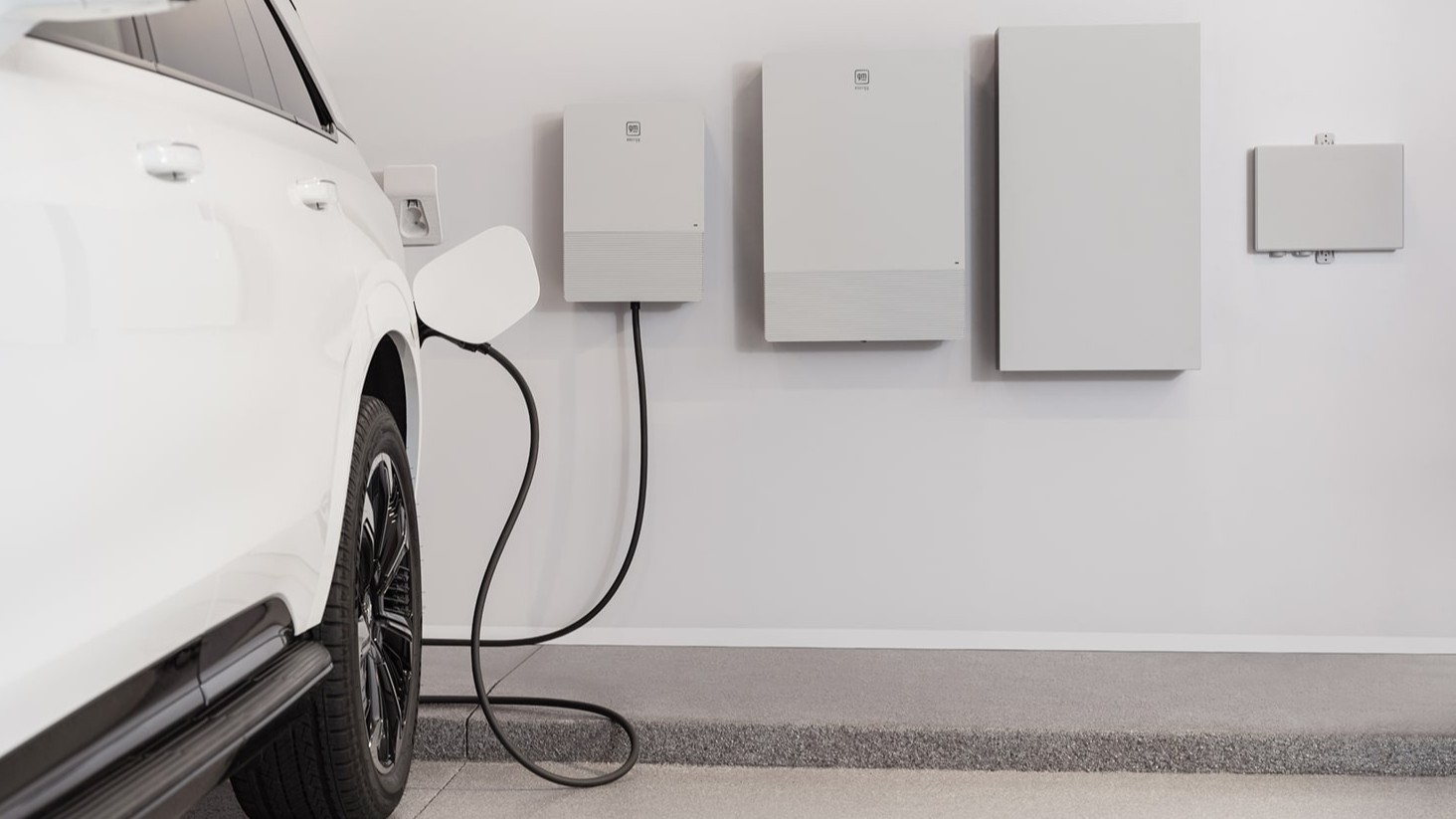
- GM (12 models). GM Energy lists the 2026 Chevrolet Blazer EV, Equinox EV, and Silverado EV, the 2027 Bolt, the 2026 GMC Sierra EV and both Hummer EVs, and the 2026 Cadillac Optiq, Lyriq, Vistiq, Escalade IQ, and Celestiq. You need the PowerShift Charger ($1,999) and the V2H Enablement Kit ($6,999), which adds a hub, an inverter, and a dark-start battery. The bundle lists at $8,998 and is on sale for $6,748 through November 2. Output is up to 9.6 kW. Installation is extra. Chevrolet's accessories catalog limits Equinox EV compatibility to LT and RS trims and says some 2024 models need a software update first.
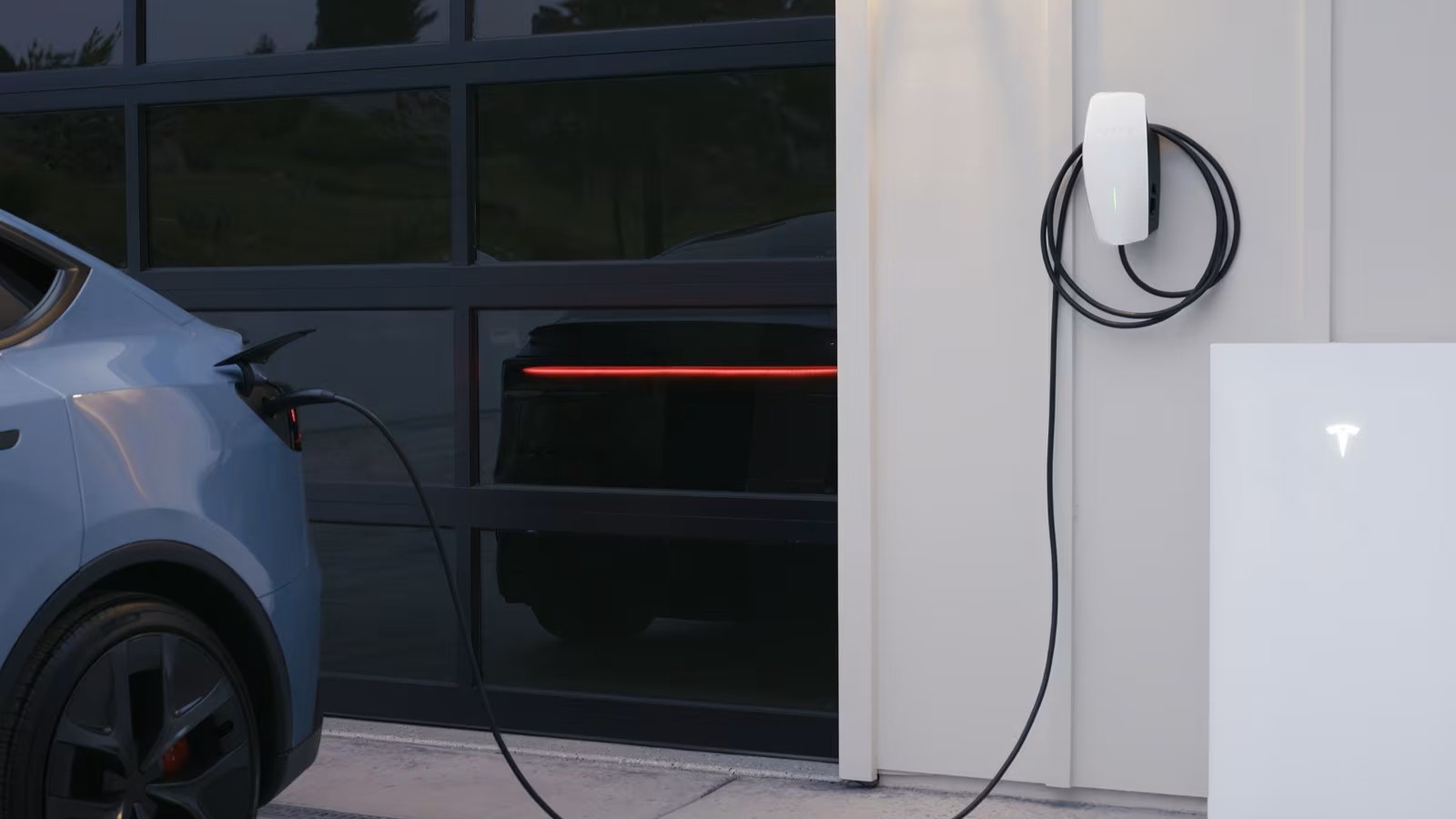
- Tesla Cybertruck. The only Tesla that backs up a house without a home battery. Tesla's Powershare page puts hardware at about $1,950 and installation at $2,000 to $4,000; the Powershare Gateway and Universal Wall Connector bundle is $1,970 in Tesla's shop, where it was listed as out of stock at the time of writing. Output is up to 11.5 kW, enough for more than three days at 30 kWh a day, Tesla says.
- Tesla Model 3 and Model Y. Guaranteed only on cars ordered on or after October 1, 2026, and only with a Powerwall 3, which EnergySage prices at $13,473 installed before incentives. The car adds more than two days to the Powerwall's backup. Details are in our Powershare report for Model 3 and Model Y.
Available on Paper, Complicated in Practice
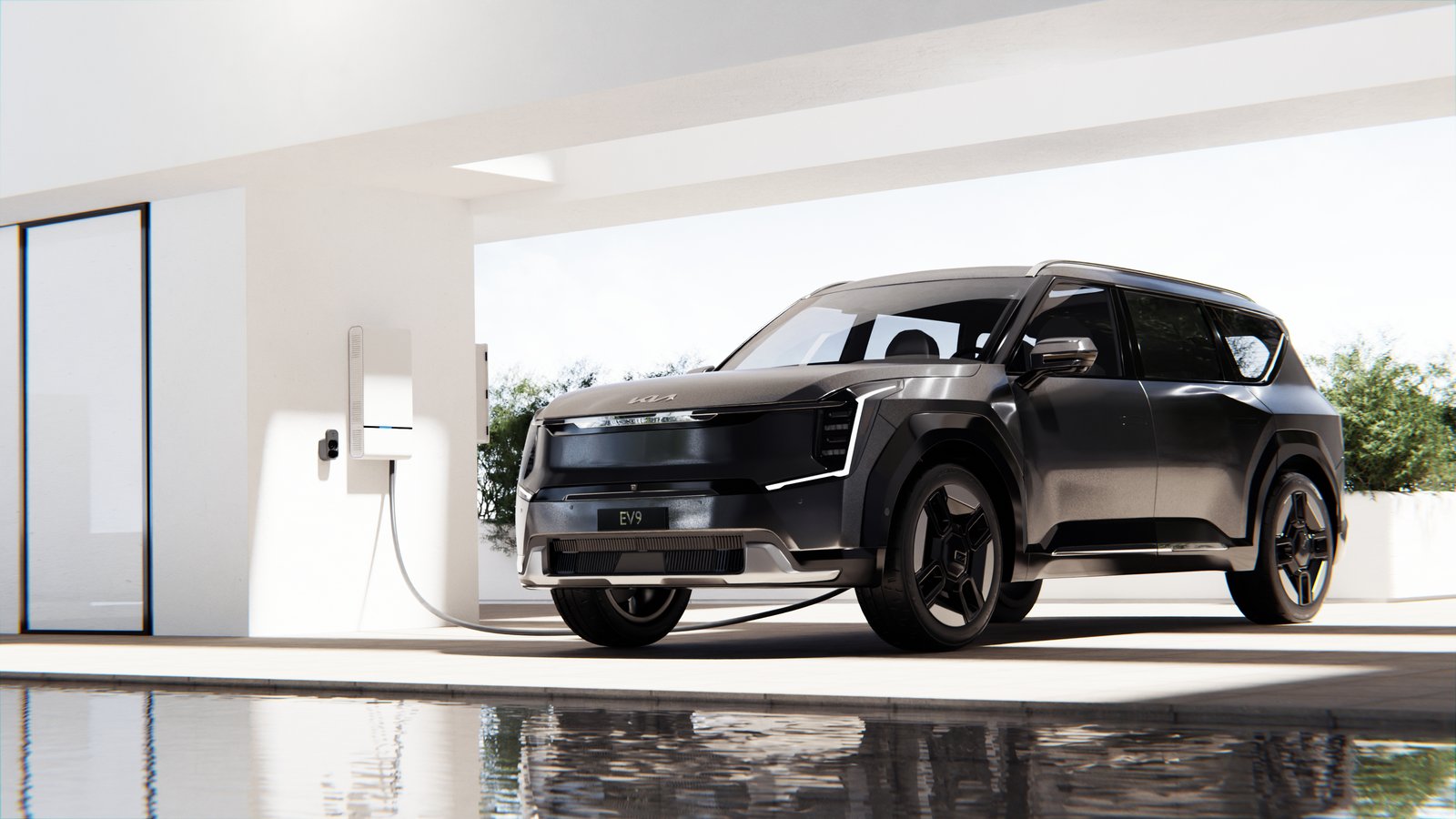
Kia EV9. The EV9 works with the Wallbox Quasar 2, a roughly 12 kW bidirectional charger. Wallbox announced it in March 2025 at $6,440 with the Power Recovery Unit that isolates the house from the grid, before installation, starting in seven states.
The status today is murky. Kia's owner site lists only the 2024 and 2025 EV9 as compatible and says the Power Recovery Unit, which is required for blackout use, is "currently not available for purchase." Wallbox's site says Quasar 2 orders are open. Before paying, get written confirmation that the recovery unit ships and that your model year and state are covered. Kia also requires a Kia Connect subscription and more than 20% charge, and projects up to three days of backup at 25 kWh a day.
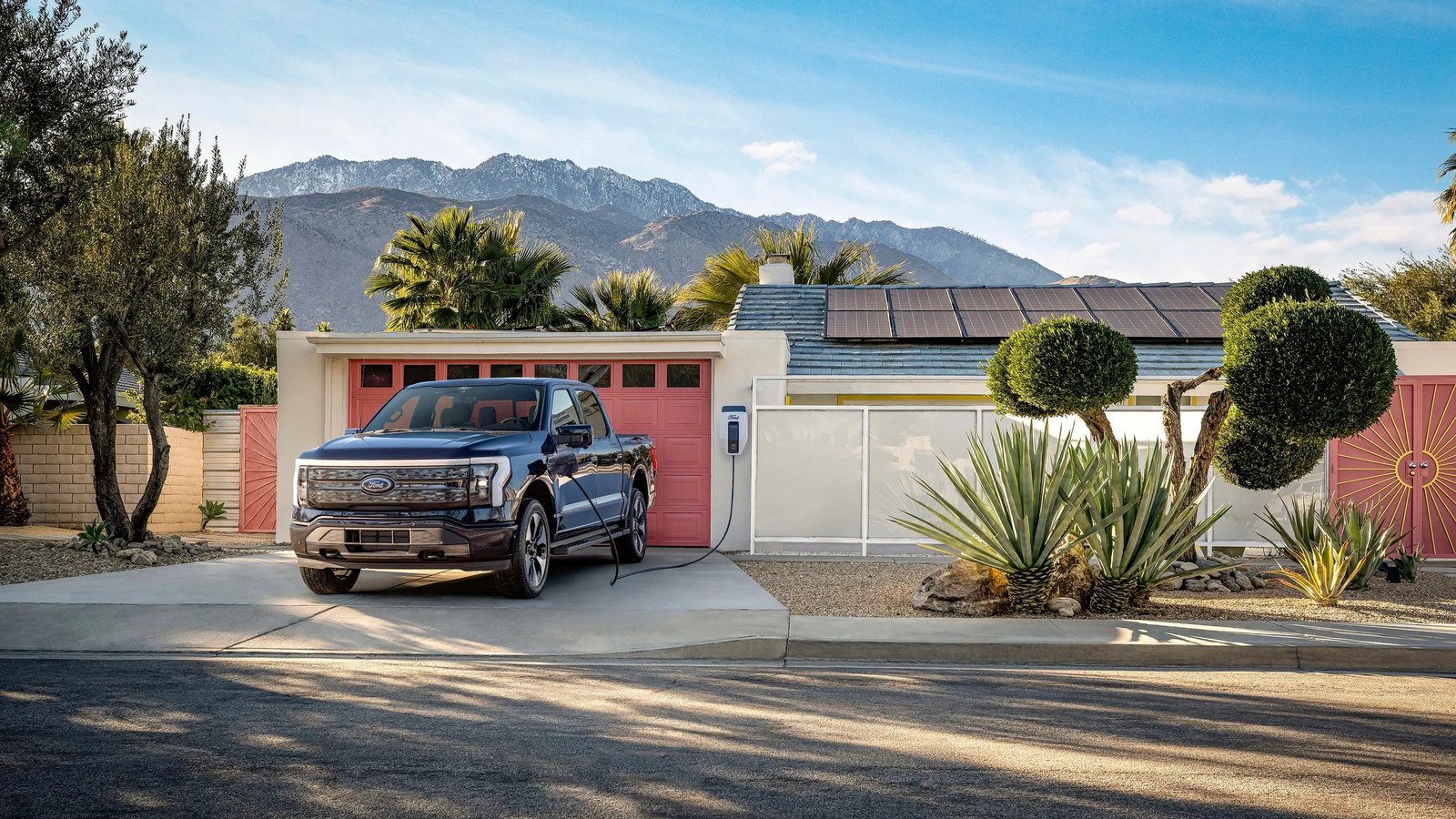
Ford F-150 Lightning. The truck that made home backup a selling point in 2022 is no longer built. Production stopped in October 2025, and Ford said that December the all-electric Lightning would not return. Its successor is an extended-range electric truck with a gas generator and no on-sale date.
For owners and used-truck shoppers, the system still exists: a Ford Charge Station Pro, which was included with extended-range trucks and cost $1,310 otherwise, plus a Home Integration System that launched at $3,895 through Sunrun before installation. Output is up to 9.6 kW. Check current pricing and availability with Ford and Sunrun before buying a truck for this feature.
Promised, Not Here Yet
Subaru Getaway. Subaru has said the three-row EV will support bidirectional charging with a Subaru-approved home hardware kit, WardsAuto reports. That kit has no price or date, and Subaru's model page currently lists only a 1,500-watt outlet on Limited and Touring trims. We track it in our 2028 Subaru Getaway guide.
Rivian. The R2 has the hardware for home backup, Rivian's software chief said in a May Reddit AMA reported by autoevolution, but the company sells no home charger that enables it.
V2L: Outlets, No Installation
These figures come from manufacturer pages and InsideEVs' tally of outlet-equipped EVs:
- Ford F-150 Lightning: up to 9.6 kW, when equipped
- Tesla Cybertruck: up to 9.6 kW from the 240-volt bed outlet
- Chevrolet Silverado EV and GMC Sierra EV: up to 7.2 kW
- Hyundai Ioniq 5, Ioniq 6, and Ioniq 9, Kia EV6 and EV9, Genesis GV60 and Electrified GV70: 1.9 to 3.6 kW, the higher figure through a charge-port adapter
- Lucid Gravity: 1.8 kW
- Rivian R1T and R1S: 1.5 kW
Subaru and Rivian both plan adapters that draw power from the NACS charge port, the connector covered in our list of EVs that can use Tesla Superchargers.
At 1.5 to 1.9 kW, expect to run one space heater, or a refrigerator plus a few small devices. Never connect a car's outlet to a wall socket to feed the house. It can energize utility lines that crews assume are dead.
Before You Buy
- Budget for the electrician. Tesla estimates $2,000 to $4,000 for installation; GM, Kia, and Ford quote hardware only, and older panels cost more.
- Check your electrical service. Tesla requires a panel rated below 225 amps and parking within 20 feet of the equipment. Wallbox says backup needs service of 200 amps or less.
- Call your utility first. Kia warns that some jurisdictions require a permit and utility approval, and some may not allow bidirectional charging at all.
- Keep the car charged. Every backup estimate above assumes a full or nearly full battery when the power goes out.
- Don't rely on it for medical devices. GM says so explicitly.
What We Don't Know
- Prices. Hardware and installation costs change often. GM's sale pricing ends November 2, and Ford's and Kia's figures above are launch prices.
- Your state's rules. Interconnection and permit requirements vary by utility and state.
- Kia's timeline for the Power Recovery Unit and for 2026 EV9 support.
- Which Model 3 and Model Y cars built before October 1 have the feature. Tesla says "some, but not all."
- The price and date of Subaru's home kit, and whether Ford's next Lightning keeps home backup.