Will the 4G Shutdown Brick Your Car? What Actually Stops Working — and When
Carriers are preparing to retire 4G LTE, and hundreds of millions of cars depend on it. Your car will keep running, but crash alerts, remote apps, and live navigation may not.
No, your car is not about to stop running. But if it was built in the last decade or so, a growing share of what it does depends on a 4G LTE modem. Those modems connect to networks that U.S. carriers are already planning to wind down.
The worry resurfaced this week after The Drive argued that automakers should start planning now. It's a fair point: this has happened before. Early OnStar hardware went dark with the analog shutdown in 2008, and 3G cars lost features in 2022. The service layer behind GM's connected-services business and every rival's has only grown since.
What's actually happening
Carriers want their spectrum back for 5G Standalone networks. The clearest signal so far is a leaked internal T-Mobile document, first reported by The Mobile Report in October 2025. According to that document, T-Mobile plans to shift most of its LTE spectrum to 5G over roughly two years. A single narrow LTE channel would remain for legacy devices, in degraded form, until 2035. T-Mobile has not publicly confirmed that timeline.
AT&T and Verizon have not announced LTE shutdown dates. Industry expectations point to the early 2030s. An LTE network has been switched off in the U.S. before: T-Mobile retired Sprint's LTE network in mid-2022.
The scale is far larger than last time. Analyst firm Omdia estimates there were about 474 million connected vehicles worldwide in 2025. It expects that number to pass 1 billion by 2035.
What "bricked" really means
A car that loses its cellular link still starts, drives, steers, and stops. Engine, brakes, transmission, and driver-assistance sensors don't need a cell tower. What goes away is anything that talks to the automaker's servers through the car's own modem:
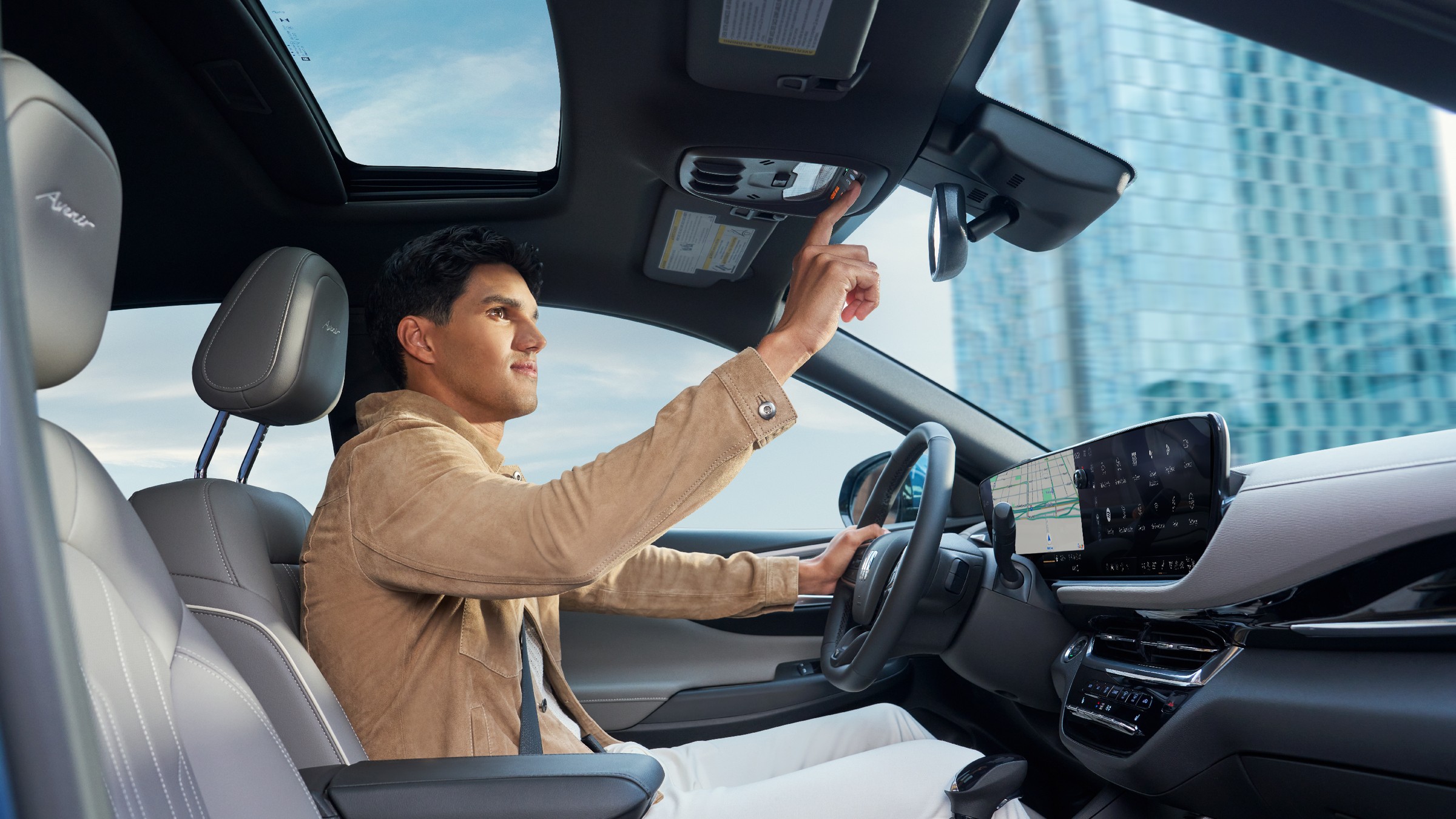
- Automatic crash notification and SOS calls placed by the car
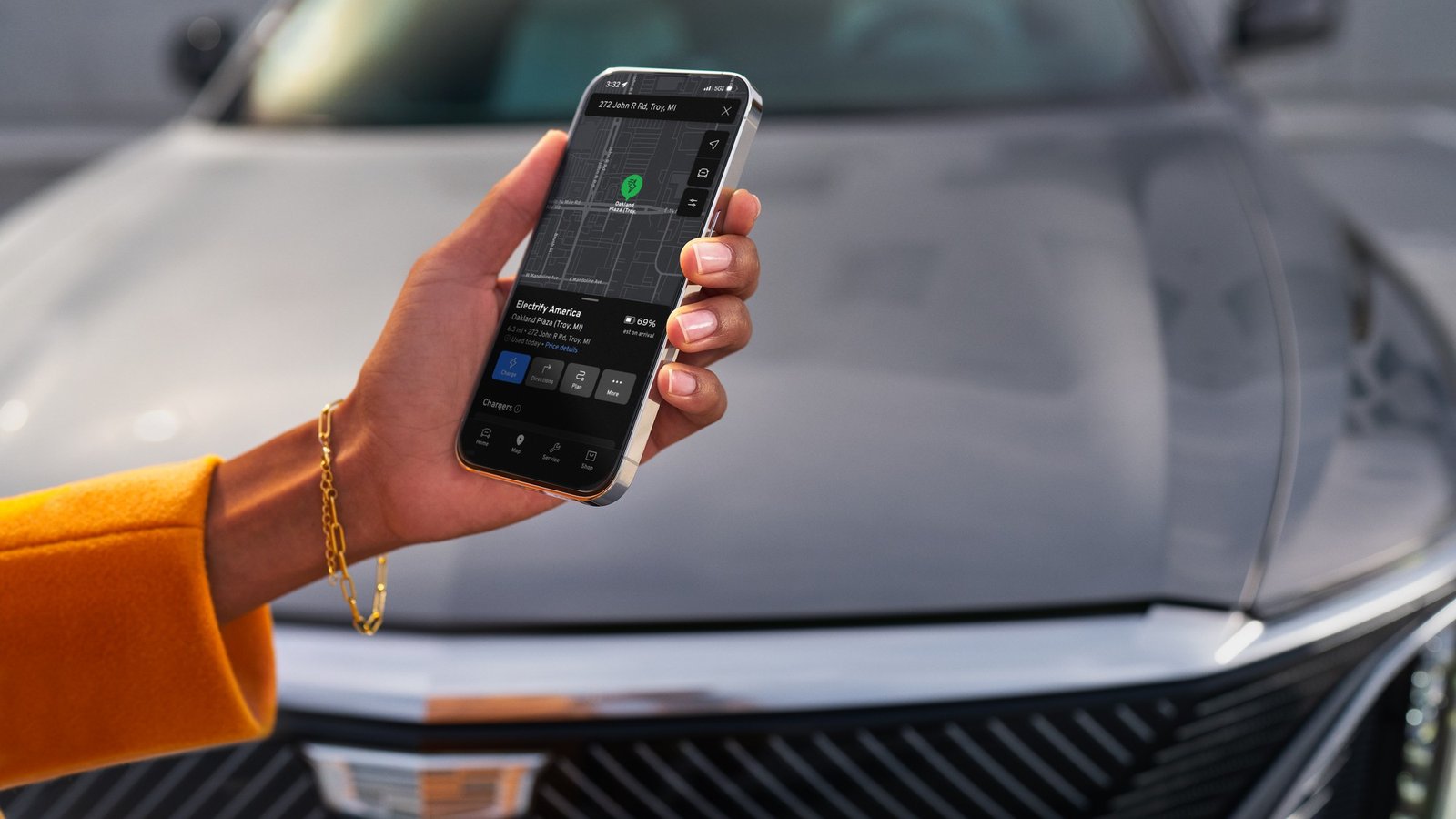
- Remote start, lock, unlock, and climate control from a phone app
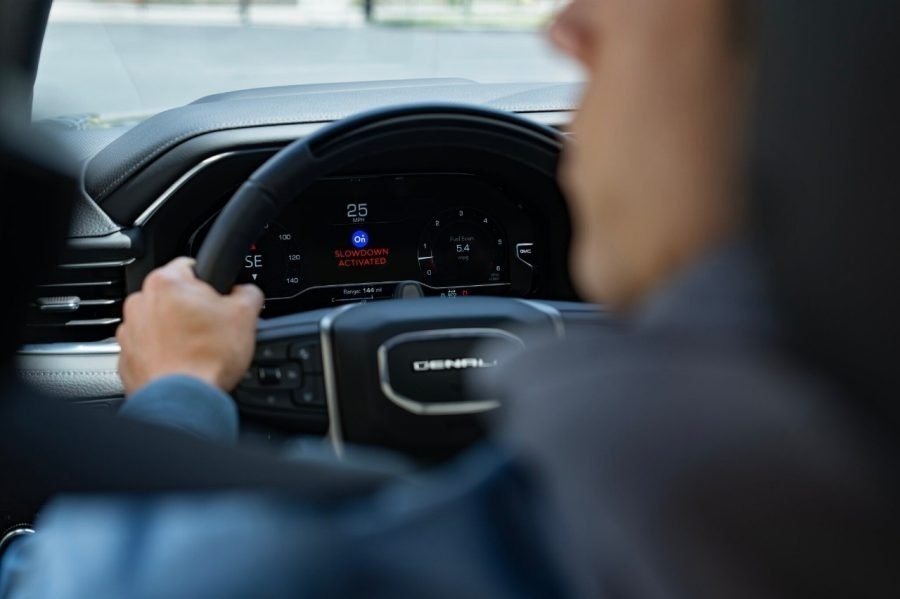
- Stolen-vehicle tracking and remote slowdown
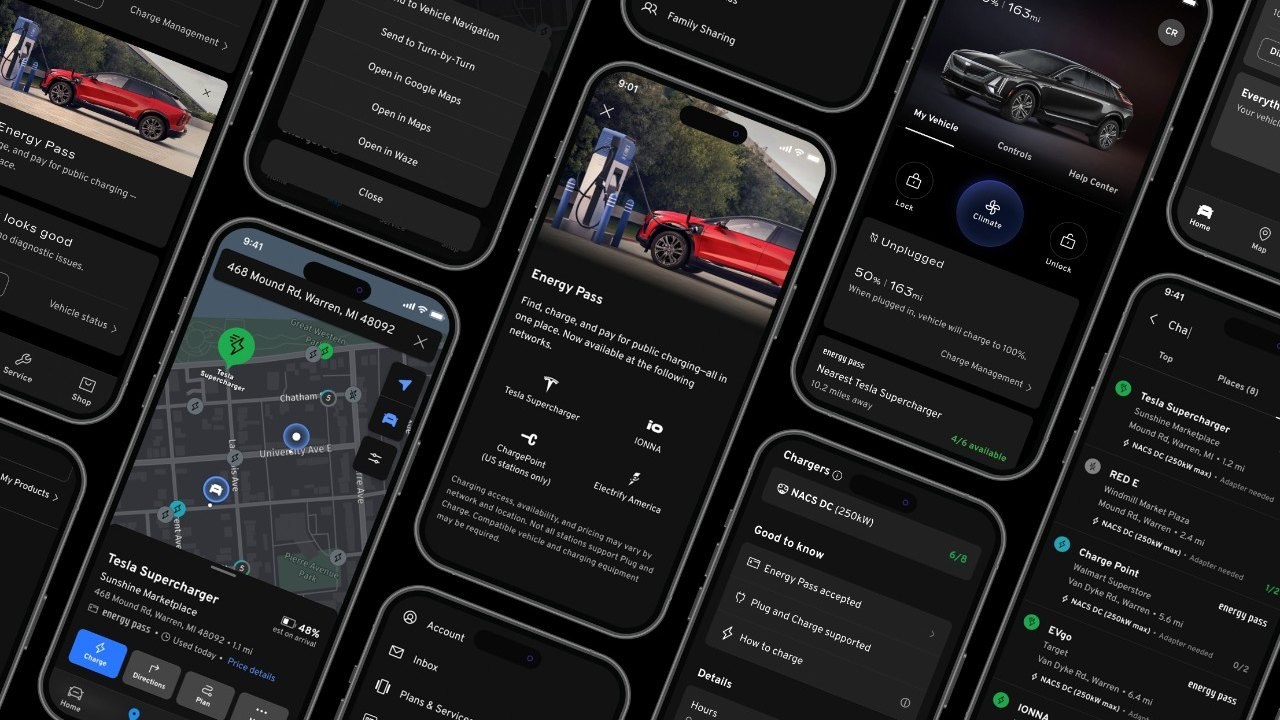
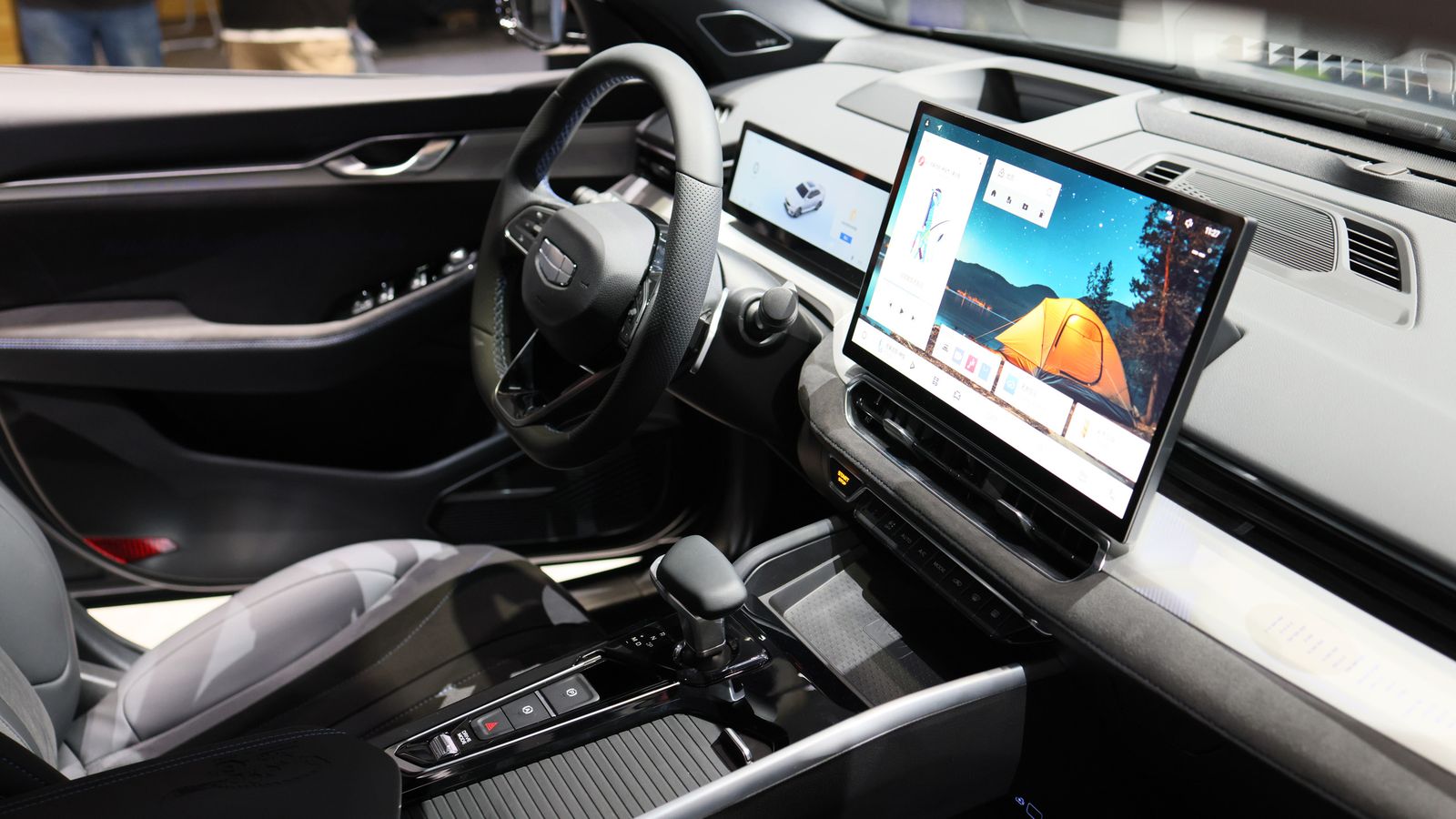
- Live traffic, connected navigation, and in-car Wi-Fi hotspots
- Remote diagnostics and, on some cars, over-the-air software updates
Apple CarPlay and Android Auto use your phone's connection, not the car's. They keep working regardless of the car's modem. Remote commands from a brand app are different: they go from your phone to the automaker's servers, and from there to the modem in the car.
Why a software update can't fix it
This is the hard part. A 4G modem is hardware. It cannot be reprogrammed to talk to a 5G-only network. Over-the-air updates can rewrite software, as in an over-the-air fix like Rivian's backup-camera recall. They cannot add a radio the car doesn't have. Once a car's network disappears, the fix is a new module or nothing.
What happened with 3G — and what it tells us
The 3G shutdowns of 2022 are the best preview. AT&T switched off its 3G network on February 22 of that year, and some automakers had still been fitting 3G modules as late as the 2021 model year. Responses varied widely. Tesla charged $200 for a modem upgrade on Model S cars built before mid-2015. Honda offered a free software path to some owners, but hardware fixes for others ran $900 or more. Volkswagen and Audi turned to a plug-in device for the diagnostic port to keep emergency services alive. Toyota simply let some services lapse. Ford was largely unaffected.
Expect the same patchwork again. The fix will depend on your brand, your model year, and whether the modem in your car can be swapped at all.
What we don't know yet
- Firm shutdown dates from AT&T, Verizon, or T-Mobile.
- Which models and years use 4G-only modems and which already have 5G hardware. Most automakers don't publish this.
- Whether automakers will offer upgrades, at what price, and for how long.
- Whether carriers will keep a low-capacity LTE layer alive long enough for cars, as T-Mobile's leaked plan suggests.
What owners and shoppers should do now
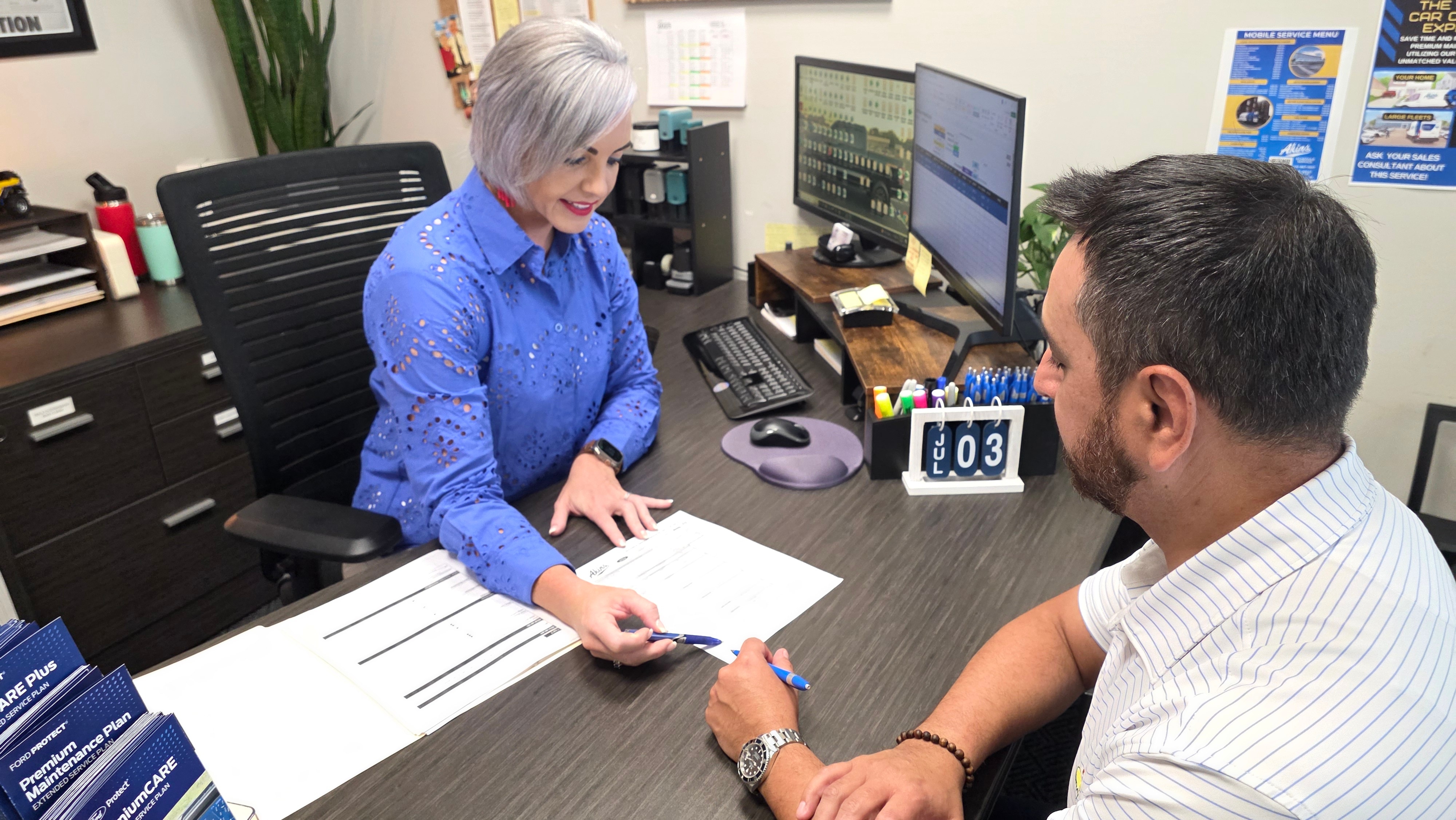
- Find out what's in your car. Your brand's connected-services FAQ or your dealer can tell you whether the telematics unit is 4G or 5G.
- Think twice about long prepaid plans. Before paying for several years of connected services up front, ask what happens if the network goes away mid-term.
- Ask the question when buying used. A car that's five years old today may be the one losing features in 2030. Factor that into resale value. The same logic applies in our used EV buying guide, where remote apps matter more.
- Know your backup. If your car's SOS button matters to you, make sure your phone can make the same call. CarPlay and Android Auto aren't affected.
- Watch for notices. In 2022, automakers mailed owners months ahead. Make sure your contact details in the brand app are current. Our guide to what your car's apps share shows where those settings live.
What's next
The next concrete signals will be official carrier timelines and the first automaker notices to 4G owners. Until then, the takeaway is calm but practical. Your car isn't going to strand you. Some of the features you paid for may come with an expiration date nobody printed on the window sticker.