The New Toyota RAV4 Just Missed an IIHS Award. The Back Seat Is Why
The hybrid rated Acceptable and the plug-in Marginal in the rear-passenger test, while a seat belt fix turned the Nissan Kicks into a Top Safety Pick.
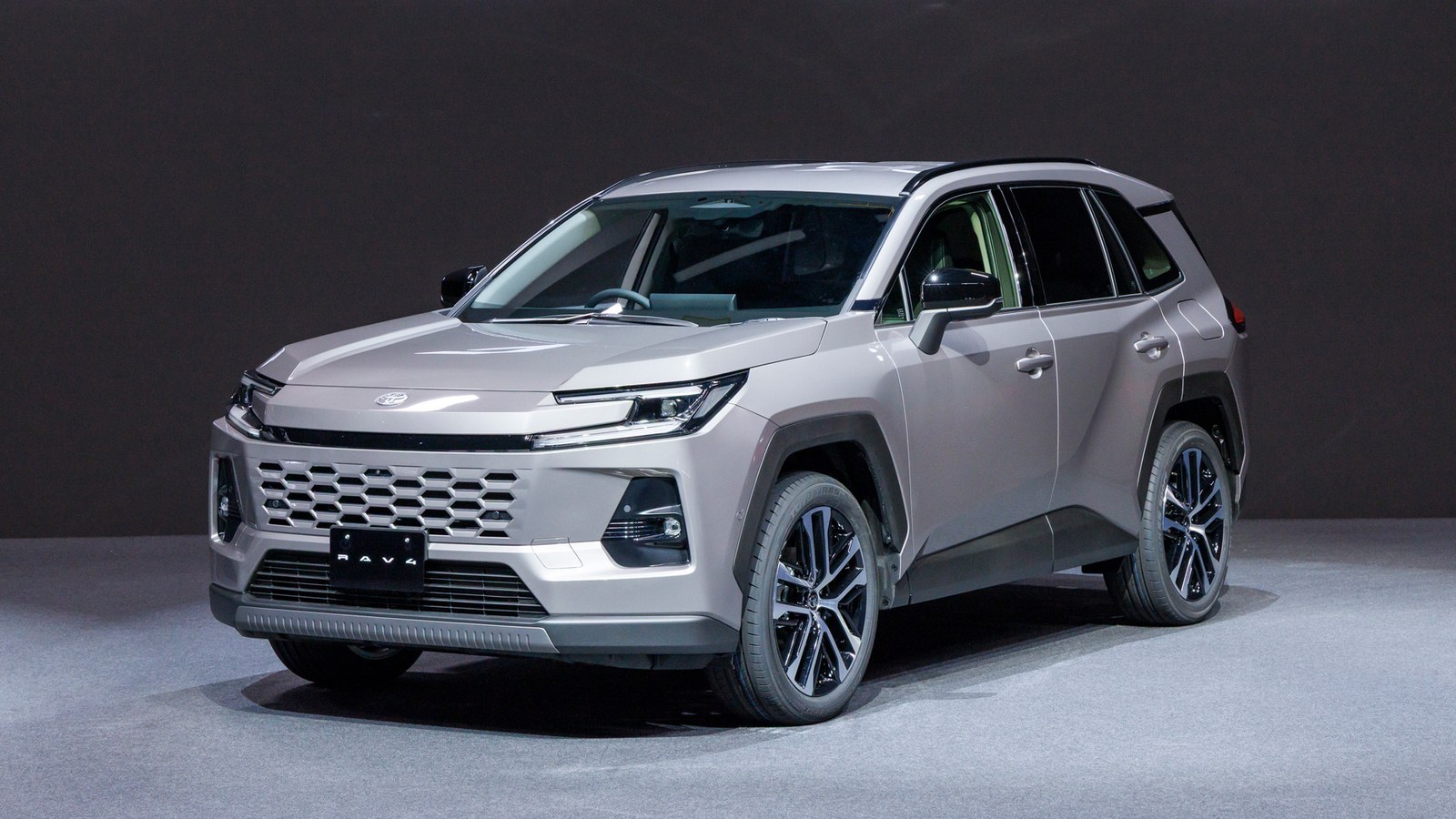
Toyota's redesigned 2026 RAV4 cleared almost every evaluation the Insurance Institute for Highway Safety ran on it, but it still walks away without an award. The problem is the second row. In the updated moderate overlap front crash test, which puts a dummy behind the driver, the RAV4 hybrid rated Acceptable and the RAV4 Plug-In Hybrid rated Marginal.
That leaves Toyota's compact SUV behind rivals it competes with directly, which matters if you're weighing how the RAV4 stacks up against the Hyundai Tucson: the Tucson is a 2026 Top Safety Pick+.
One test away from the top award
Everything else on the IIHS ratings card came back Good: small overlap front, side impact, headlights on all trims, vehicle-to-vehicle and pedestrian front crash prevention, and seat belt reminders. Under the 2026 rules, a Good rating in the moderate overlap test is required for both Top Safety Pick and Top Safety Pick+. Because the RAV4 already meets the crash-prevention bar for the higher award, a Good score in that single test would likely have earned it TSP+, not just TSP.
The driver dummy's measurements were Good in both versions. The trouble is all in back. In the hybrid, IIHS rated the rear passenger's head and neck, chest, and restraints and dummy kinematics Acceptable. In the plug-in hybrid, rear chest protection was Acceptable, but restraints and kinematics fell to Poor, which pulled the overall result down to Marginal. IIHS hasn't explained publicly why the two powertrains performed differently.
It's still a step forward. The outgoing fifth-generation RAV4 was rated Marginal in the same test for 2021–25 models. If you're torn between the two versions, our RAV4 Hybrid vs. Plug-in Hybrid cost comparison covers the money side.
The Nissan Kicks shows what a fix can do
The same batch of ratings shows how quickly a score can change. The Nissan Kicks earns a 2026 Top Safety Pick, but only for vehicles built after June 2026. Nissan revised the rear seat and the rear seat belt load limiters, and the retested Kicks rated Good. Kicks built before July 2026 keep a Marginal rating, so the build date matters if you're shopping new or used. It's printed on the certification label on the driver's door or the adjacent B-pillar.
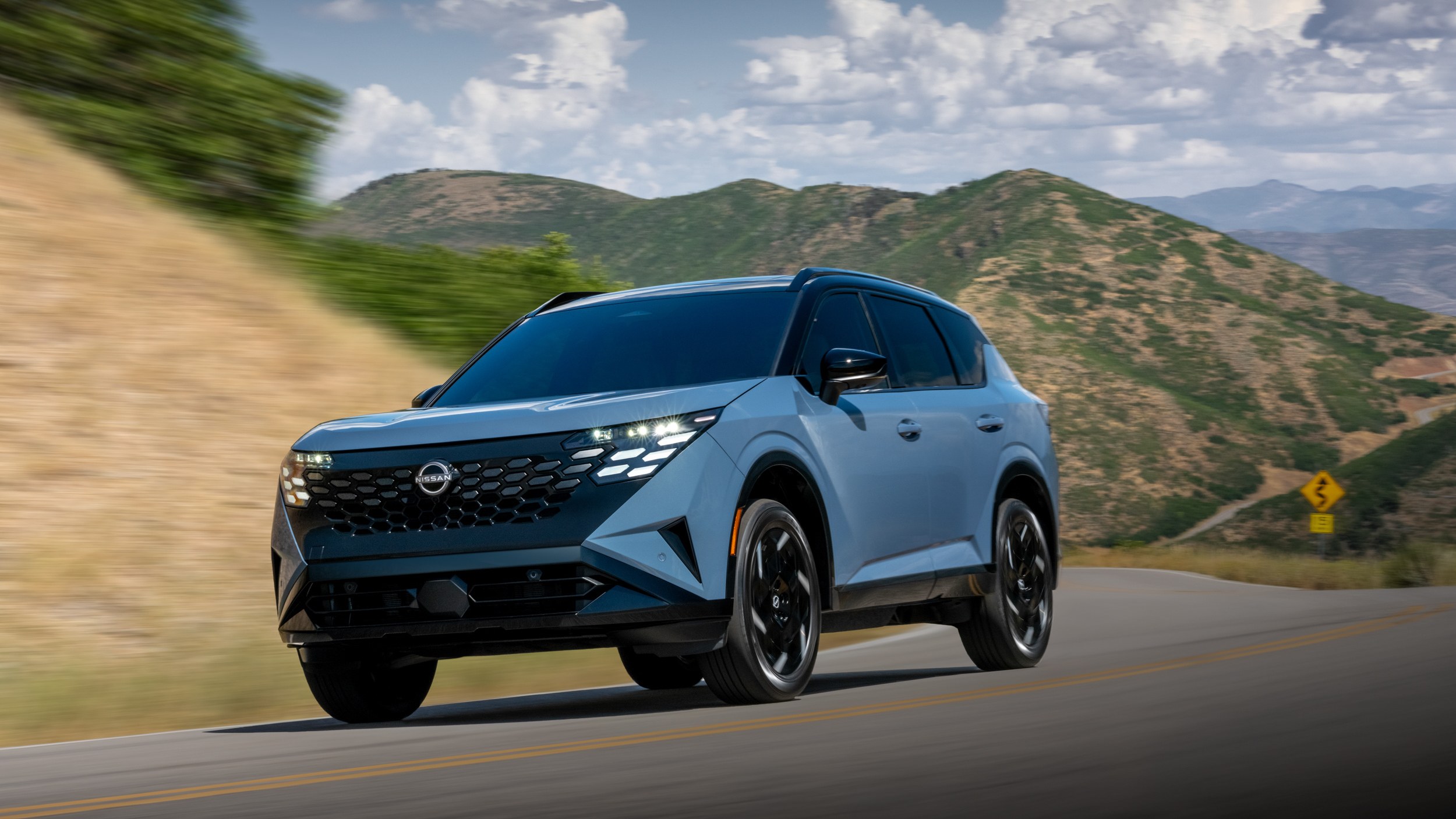
The Kicks, which starts at $22,730 before destination according to Nissan, misses Top Safety Pick+ because its standard automatic emergency braking rated Marginal in the vehicle-to-vehicle 2.0 test.
Changes on the line don't always do the trick. Audi reworked the redesigned Q3's rear seat and seat belts for 2026 models built after May 2026, and that version still rated Poor, with rear restraints and kinematics also Poor. The 2026 Chevrolet Trailblazer got upgraded rear belt load limiters for builds after February 2026 and also rated Poor. It also has Poor-rated headlights on the RS and Activ trims, a reminder of why the IIHS headlight ratings are worth checking trim by trim.
How the rest of the class compares
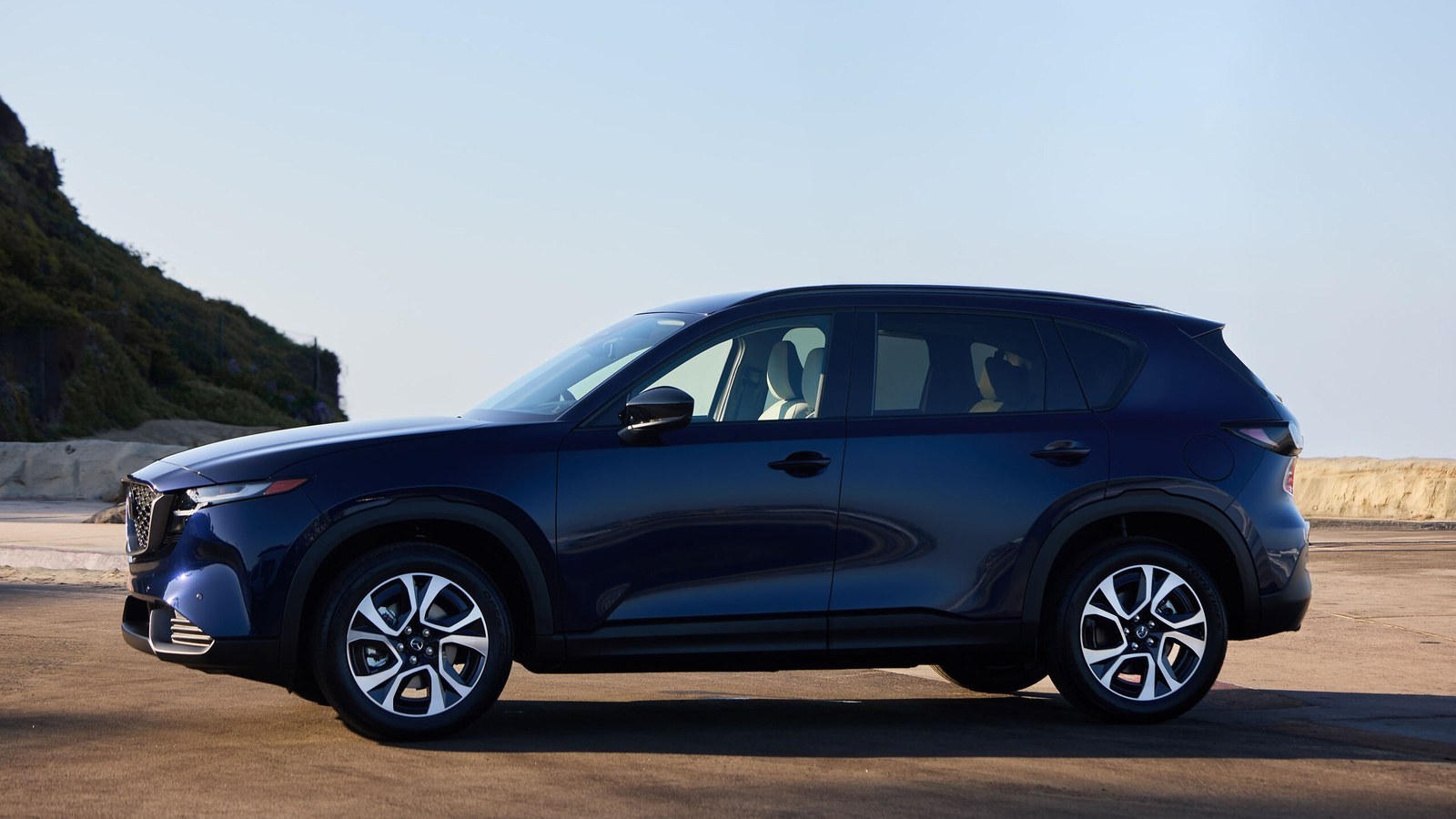
The back-seat test isn't impossible to pass in this segment. Besides the Tucson, the 2026 Subaru Forester, Mazda CX-5, and Kia Sportage (built after May 2025) are Top Safety Pick+ winners. The 2027 Honda CR-V, on the other hand, rated Poor in the moderate overlap test, a point that changes the math in our CR-V Hybrid vs. RAV4 Hybrid comparison.
Keep the RAV4's result in proportion. Acceptable and Marginal are ratings from one test that focuses on a rear-seat occupant, and the RAV4 earned Good scores in the other two crash tests. Toyota hasn't said whether it plans production changes like Nissan's, and a retest would be needed before the RAV4 could qualify for an award.