Amazon Autos Explained: What You Can Buy, Where, and Whether It Saves You Money
Amazon lists cars from 35 brands and heads to the U.K. in 2027. The dealer still sets the price, arranges the loan, and hands over the keys.
Amazon Autos has grown from one brand to 35 in two years, and on November 24 Amazon said the service will open in the U.K. in early 2027. For U.S. shoppers, the practical question is narrower: what changes when you click "buy" on Amazon instead of walking into a showroom?
Less than the branding suggests. You are still buying from a franchised dealer, at that dealer's price, with financing arranged through that dealer. Amazon supplies the storefront and the checkout. That makes it a convenience tool first, and whether it also saves money depends on the same forces behind how dealers price cars above or below sticker.
What Amazon Autos is, and what it isn't
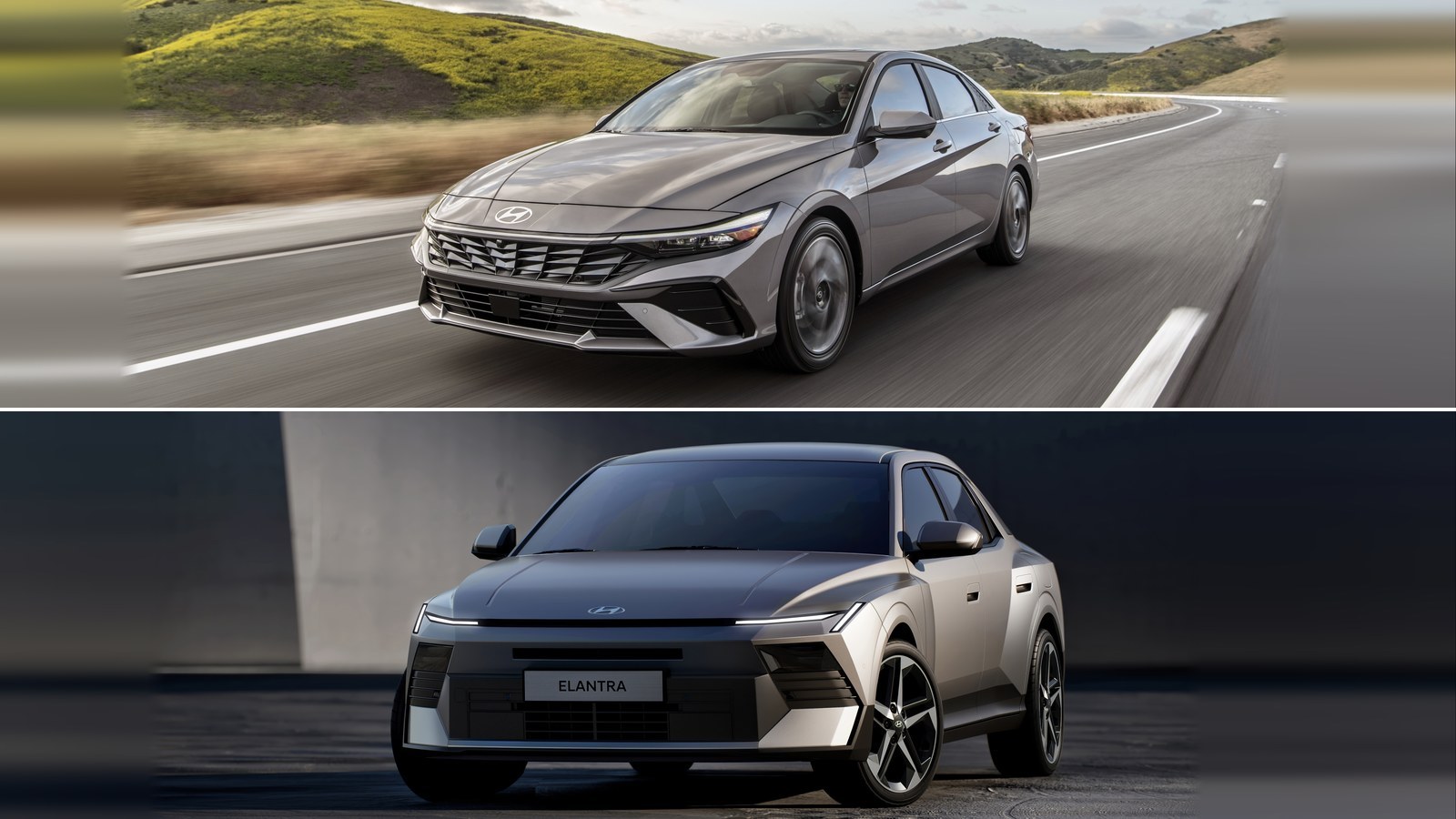
The service launched in December 2024 with new Hyundais in 48 cities. In its U.K. announcement, Amazon now counts more than 150 U.S. cities and 35 brands. Its own buyer's guide, published in August, put the dealer count at more than 1,000.
Amazon is not the seller. Every listing belongs to a local dealership, and search results are limited to dealers within 75 miles of your ZIP code. Amazon tells dealers it takes no commission or transaction fee; it earns money from dealer subscriptions and advertising. Buyers pay Amazon nothing.
What you can buy
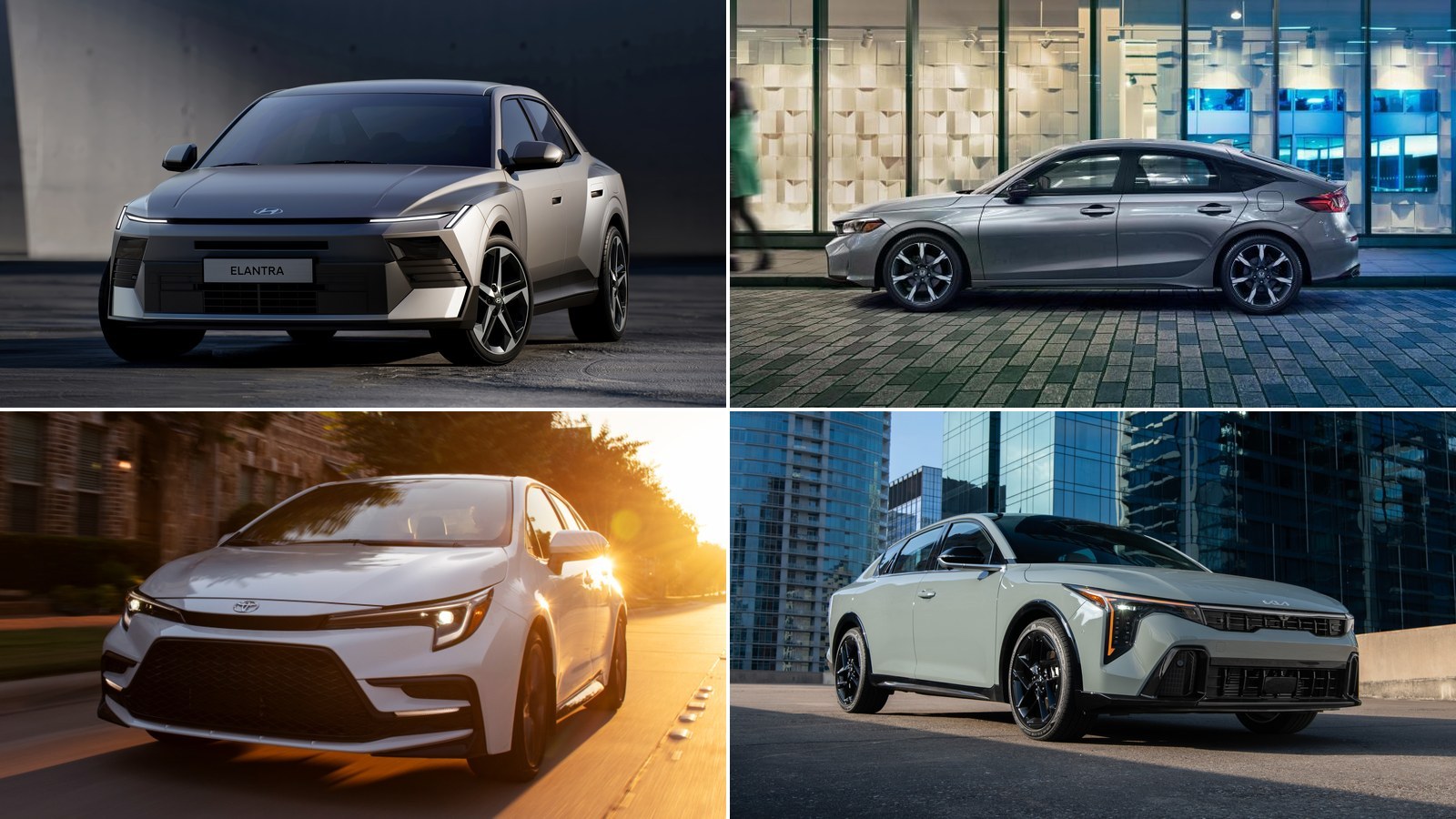
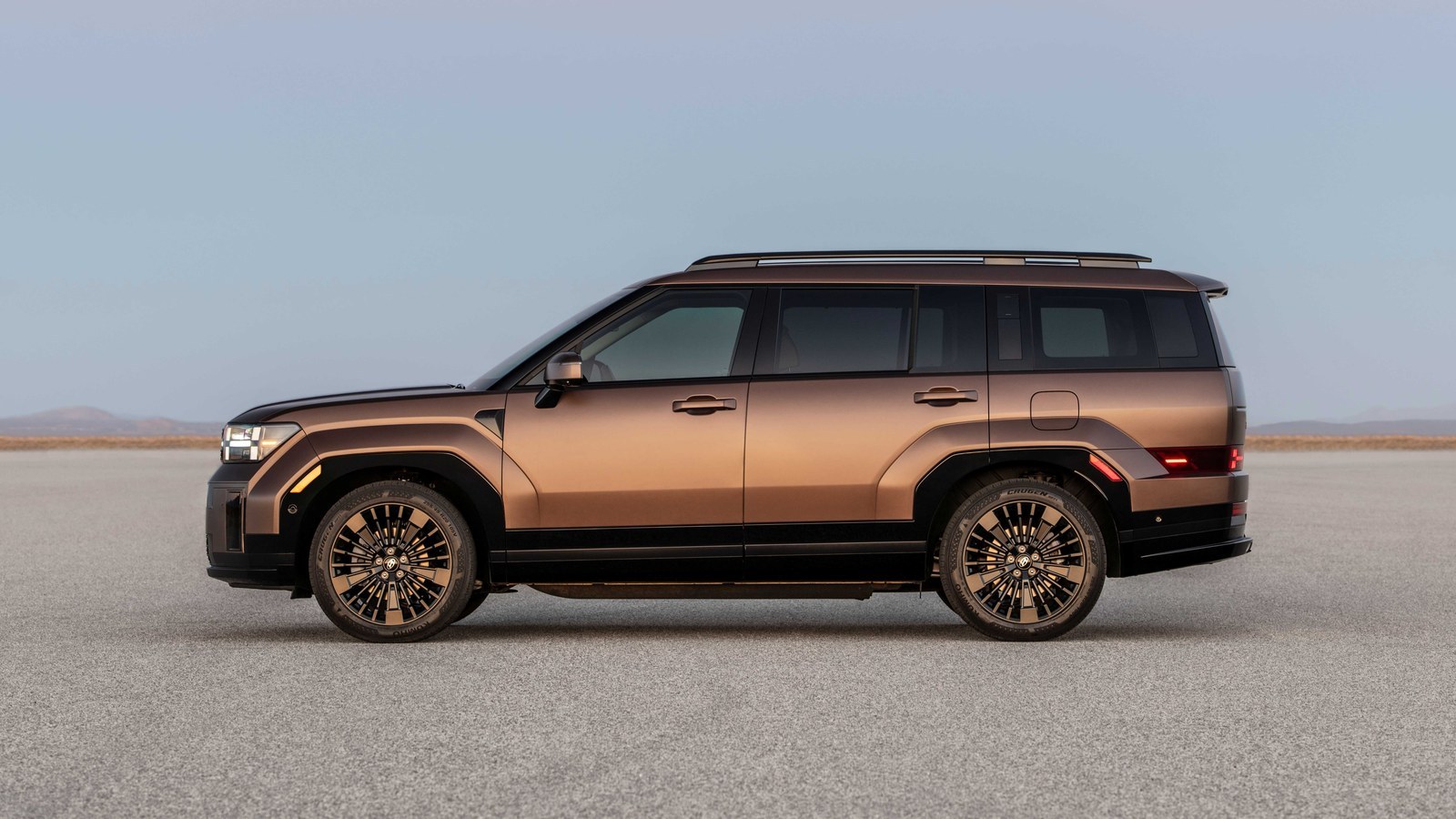
- New cars: Amazon's guide names Hyundai, Kia, Subaru, Mazda, Chevrolet, GMC, Cadillac, Jeep, Dodge, and Ram. Trade outlet CBT News counted 14 new-car brands on the site this week, adding Audi, Buick, Chrysler, and Volkswagen.
- Certified pre-owned: Hyundai and Ford Blue Advantage.
- Used: any make a participating dealer has in stock, plus Hertz inventory. Amazon's dealer rules cap used cars at 10 model years and 100,000 miles.
Toyota, Honda, Nissan, and Ford do not sell new vehicles through the site. Their cars show up only as used or, in Ford's case, certified inventory.
How the purchase works
You pick a specific car on a specific lot, choose to finance, lease, or pay in full, add a trade-in if you have one, and submit a credit application. A minimum $500 deposit places the order for a cash or financed purchase. A lease requires the full due-at-signing amount on a card, which Amazon says typically runs $2,000 to $5,000.
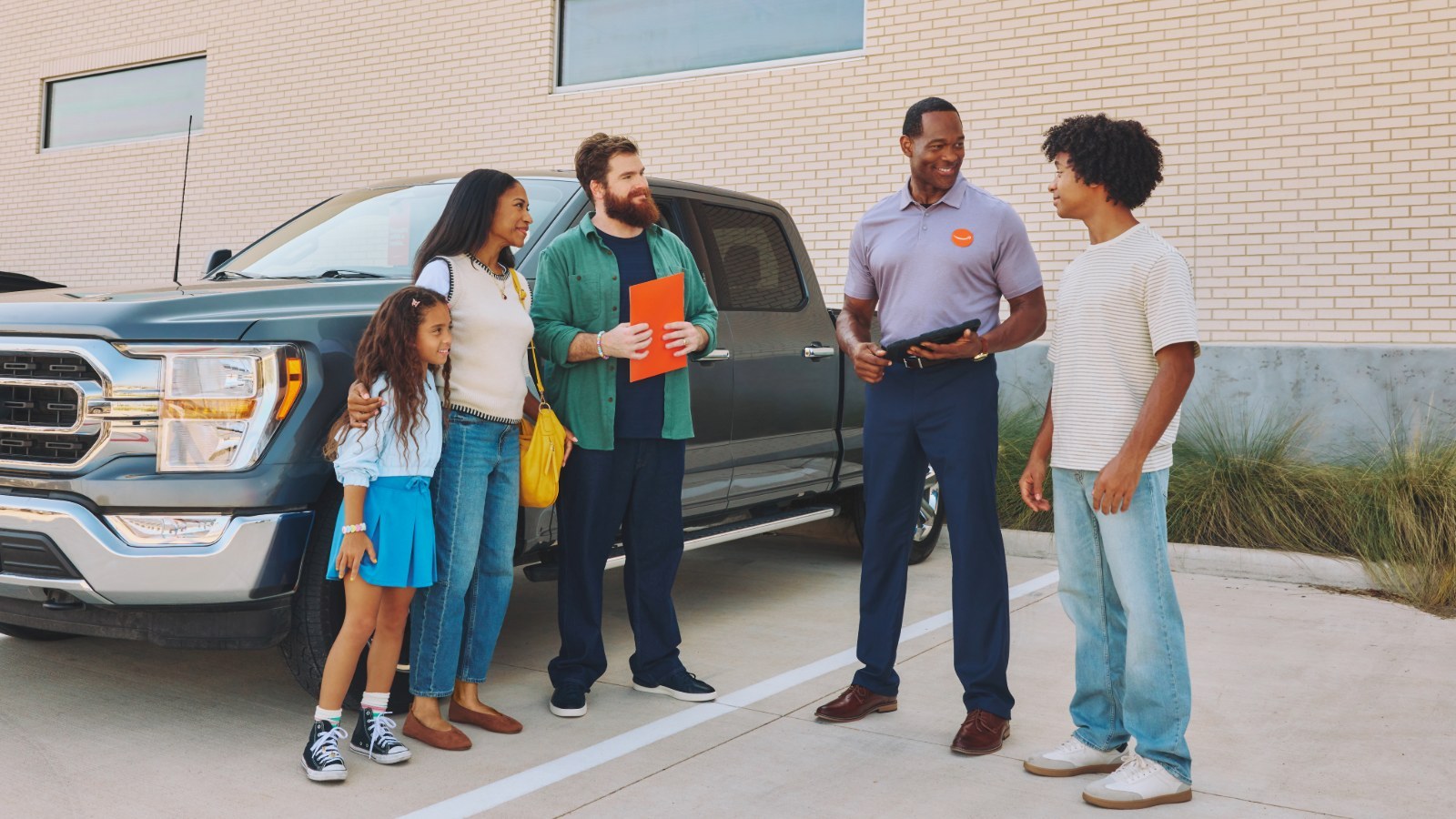
Pickup is at the dealership, usually within three days. The dealer verifies your information, offers a test drive, and has you sign anything that needs a physical signature. Amazon Business accounts can't be used.
Prices: no haggling, in either direction
Each listing shows what Amazon calls a "starter price," set by the dealer. Start an order and the site applies rebates you qualify for, then itemizes vehicle price, dealer fees, taxes, and registration. Dealers can change a listing whenever they like but must honor the figure once you begin checkout.
Amazon states plainly that negotiation and price matching are not offered. That cuts both ways. You avoid the back-and-forth, and line-item fees are visible before you leave home, which matters given how often advertised car prices leave out dealer fees. But you also give up the chance to push the number down.
Does it save money? There is no independent data comparing Amazon Autos transaction prices with what the same dealers accept in person, and Amazon itself promises transparency, not discounts. With dealer lots carrying plenty of unsold inventory, treat the Amazon figure as a firm quote to compare, not as the floor.
Financing and trade-ins: where the catches are
Amazon does not lend. It shows offers from lenders tied to the dealer; the network currently includes Ally, Chase, Ford Motor Credit, Santander, and Wells Fargo. The fine print sits in Amazon's dealer FAQ: dealers are permitted to mark up interest rates and lease money factors on Amazon Autos deals. The APR on your screen can include dealer margin, exactly as it can in the finance office. With loan terms stretching to 84 months, a bank or credit union pre-approval is still the best benchmark.
Trade-in offers come from an independent valuation service and are good for seven days. Leased vehicles are not eligible, and offers are not available in Hawaii. The number is also not final: the dealer inspects the car at pickup and confirms the valuation. Check it against current trade-in values and at least one outside offer.
Returns apply only to used and certified cars: three days or 300 miles (400 in California), with the return completed within 48 hours of the request. Those cars also carry a minimum 30-day, 1,000-mile limited warranty. New cars come with the factory warranty and no Amazon return window.
Before you click
- Compare the itemized Amazon total with the same dealer's own website and one competing out-the-door quote.
- Get a loan pre-approval elsewhere and compare APRs, not monthly payments.
- Get a second trade-in offer, and expect the dealer to re-inspect your car.
- Decline protection plans you didn't plan to buy; they are optional add-ons at checkout.
- Test drive before signing the final paperwork.
What we don't know yet
- Whether Amazon Autos prices run higher, lower, or level with in-store deals. No one has published a comparison.
- The refund terms for the $500 deposit. Amazon's public pages don't spell them out.
- The full list of 35 brands. Amazon has given the count but not the names.
- U.K. details beyond the first partners, including any reservation fee.
What's next
The U.K. launch is set for early 2027 with Hyundai as the first new-car brand and dealer group Vertu Motors listing used cars. There, shoppers will reserve online and complete the purchase at the dealer. Amazon says more brands will be named before launch, and the U.S. new-car list is still growing.