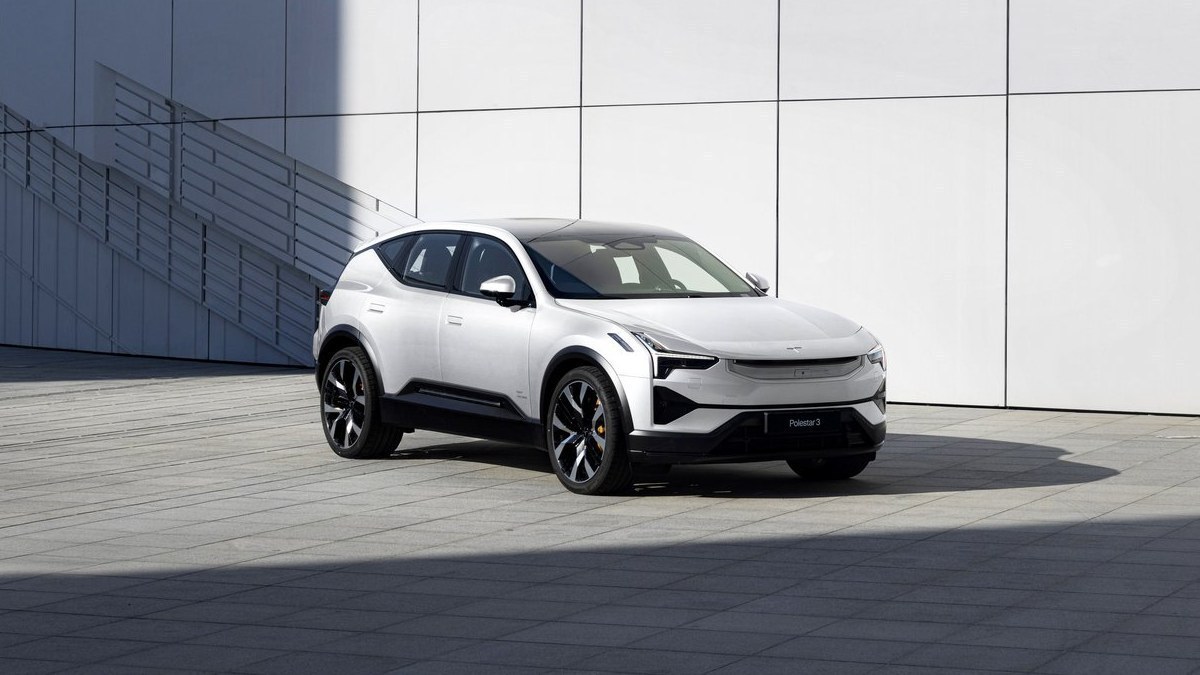
Europe's Car of the Year Finalists Are All EVs — and You Can Buy Two of Them
For the first time, all seven finalists are electric. Only the BMW iX3 and Volvo EX60 are sold here; the five small, cheap ones stay in Europe.
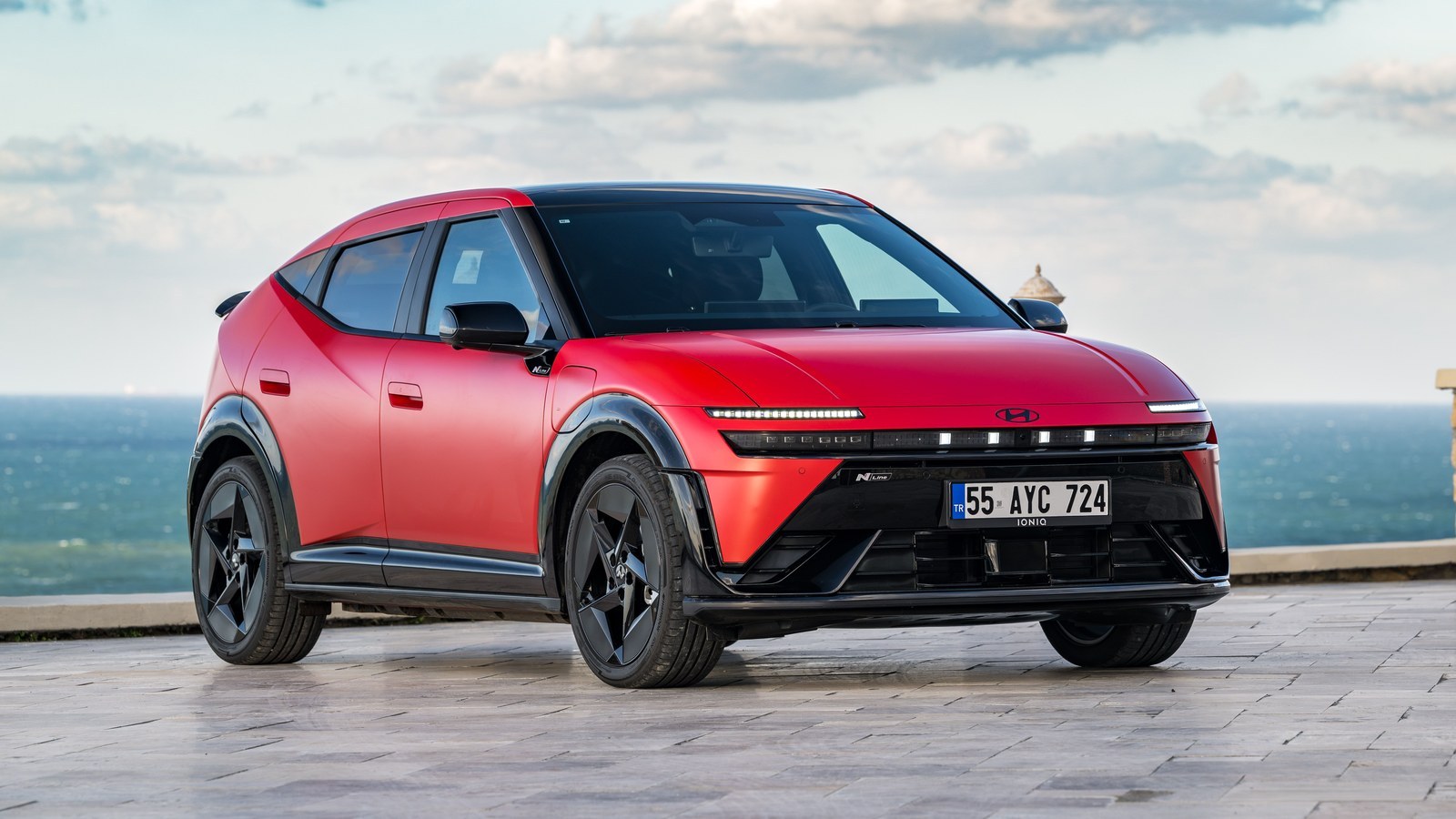
Europe's most established car award has picked seven finalists for 2027, and for the first time in the prize's six decades every one of them is fully electric. The list: the BMW iX3, Cupra Raval, Hyundai Ioniq 3, Kia EV2, Renault Twingo, Volkswagen ID. Polo, and Volvo EX60.
Only two of those are on sale in the United States, the iX3 and the EX60, and they happen to be the two most expensive cars on the list. The other five are small, cheap EVs of exactly the kind American shoppers keep asking for and keep not getting. Our ranking of the cheapest new EVs in America still finds just one model under $30,000.
How the shortlist was picked
The European Car of the Year jury is made up of 65 motoring journalists from 25 countries, who score candidates on value for money, dynamics, technical innovation, design, and market positioning, according to the award's organizers. Any model launched in Europe and submitted by October 28 was eligible.
The finalists were named on October 30. Italian business daily Il Sole 24 Ore counted 38 models on the long list, 12 of them from Chinese brands. That was a record number of Chinese contenders, and none made the final seven. The jury will drive the finalists back to back at the Balocco proving ground in northern Italy on November 25 and 26, and the winner will be announced on January 8, 2027, at the Brussels Motor Show. The Mercedes-Benz CLA holds the current title.
The two you can buy here
The BMW iX3 is the first production car from BMW's Neue Klasse program. In the U.S., the iX3 50 xDrive starts at $61,500 plus $1,350 destination, and BMW has since added the 603-hp iX3 M60 xDrive, which has no U.S. price yet. Il Sole 24 Ore reports the iX3 took 100,000 orders in its first year.
The Volvo EX60 is the first car on Volvo's new SPA3 platform. Volvo opened U.S. orders in May at $58,400 for the rear-drive P6 Plus and $60,750 for the dual-motor P10 AWD Plus, both before a $1,395 destination charge, according to Volvo Car USA. Its range figures are still Volvo's own estimates rather than EPA ratings. The EX60 also anchors Volvo's plan for 13 new models by 2030.
Both are luxury SUVs, and both are built in Europe. That makes them the jury's least surprising picks for an American reader. They compete in the segment that U.S. automakers and importers have targeted from the start.
The five that stay in Europe
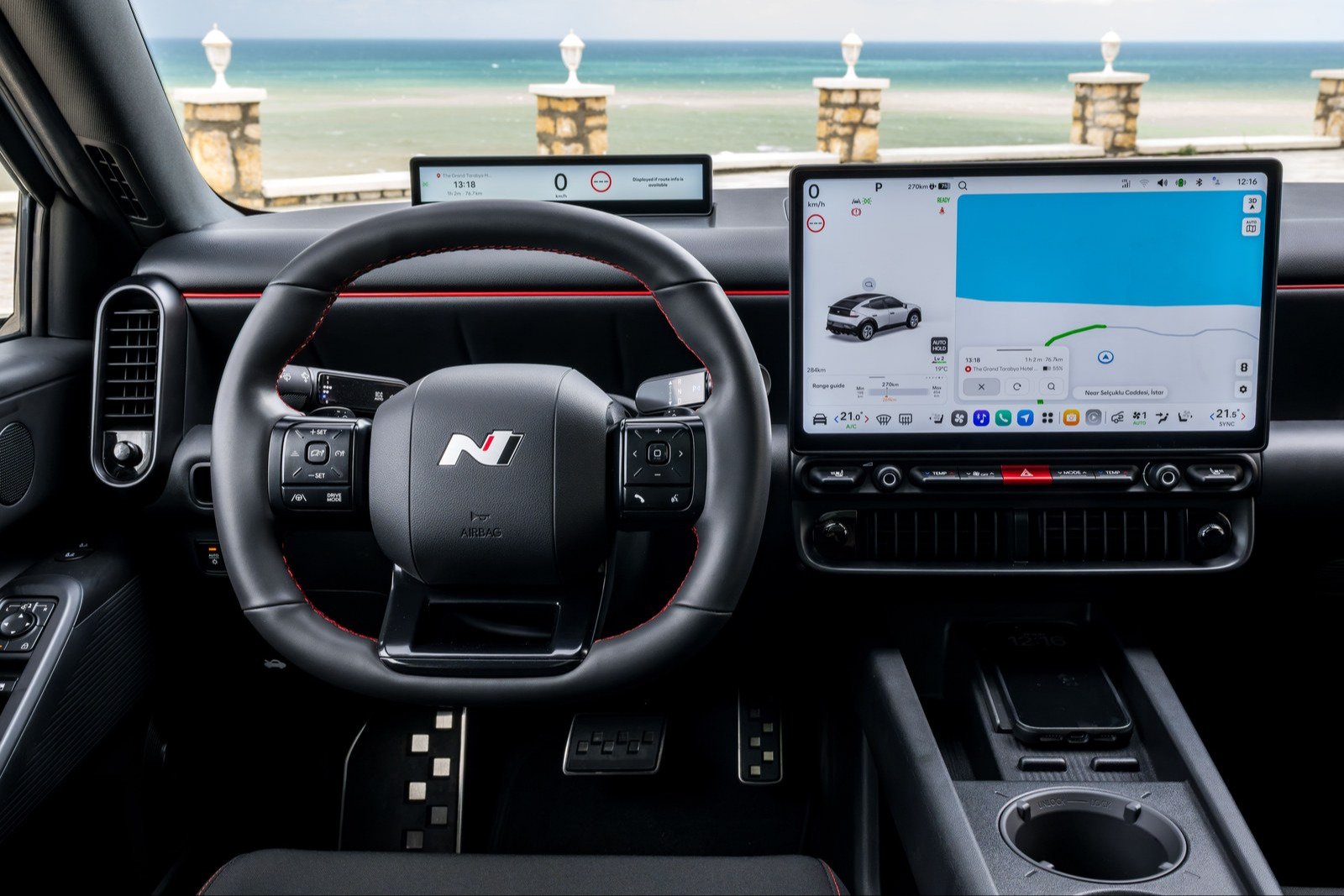
The rest of the list is where the story is. The Hyundai Ioniq 3 is a compact electric hatchback that Hyundai says was designed for European customers and is built at its plant in İzmit, Turkey. Hyundai quotes a drag coefficient of 0.263, 441 liters (15.6 cubic feet) of cargo space, and up to 497 km (309 miles) of range on the WLTP cycle, which runs well above EPA testing. It starts below €30,000 across Europe, about $33,400 at the European Central Bank's October 29 rate, according to Hyundai Motor Europe.
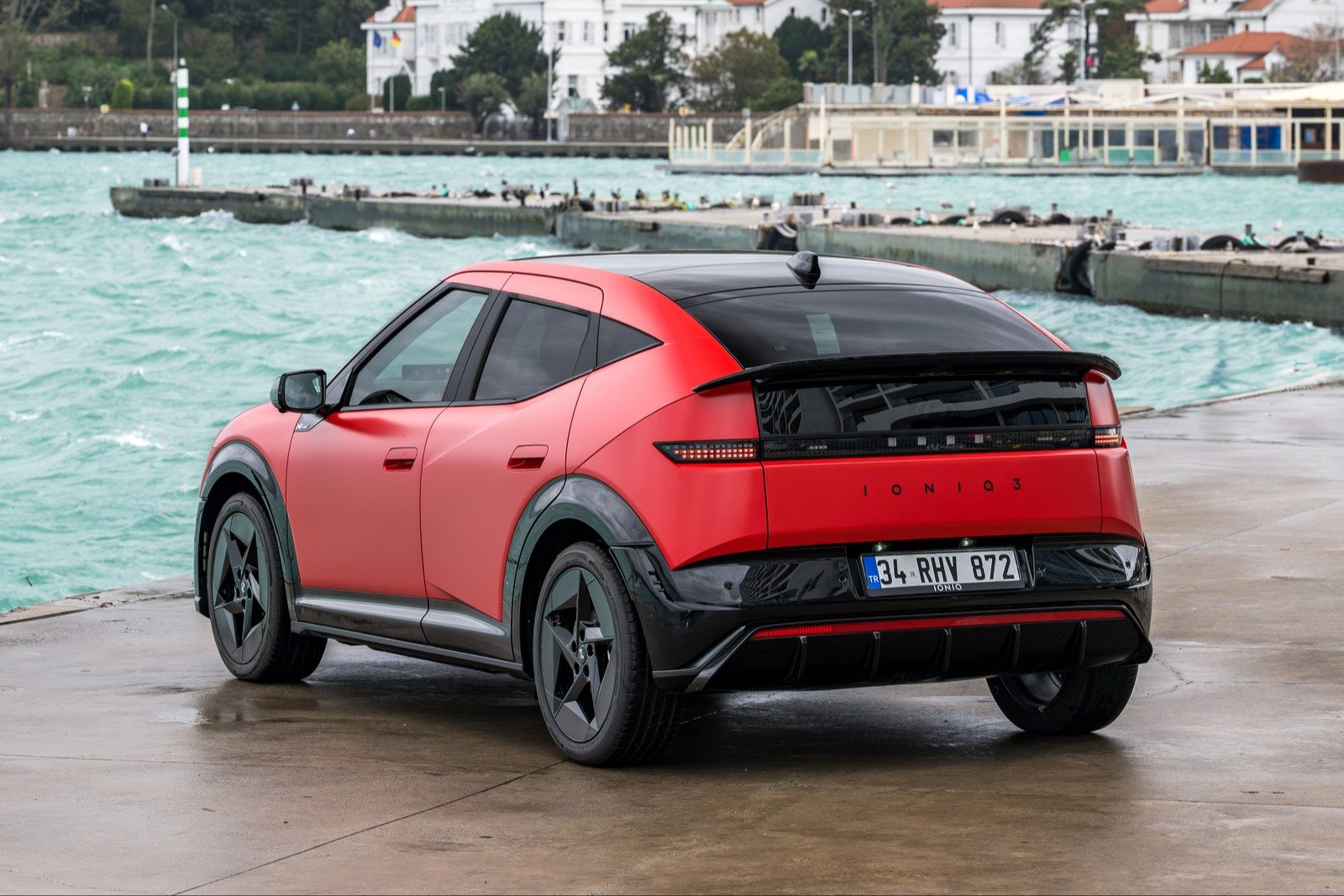
The Volkswagen ID. Polo starts at €24,995 in Germany, roughly $27,800, and Il Sole 24 Ore reports more than 30,000 European orders and a wait of over 10 months. VW has not announced it for the U.S., though its low-cost parts already turned up in a U.S. record attempt. The 3.8-meter Renault Twingo is listed at €19,500, about $21,700. Renault has not sold cars in the U.S. in decades, and neither has Spanish brand Cupra, which builds the Raval. The Kia EV2 sits below the EV3 in Kia's lineup. The EV3 reached U.S. showrooms on October 1, but Kia has not announced the EV2 for America.
Why the gap matters
Price is the gap. The cheapest new EV in America, the 2027 Chevrolet Bolt, costs $28,995 with destination. The Twingo and the ID. Polo both start below that line in Europe, before any American tariffs or certification costs, and the Ioniq 3 is not far above it. Meanwhile, the federal purchase credit that used to soften U.S. EV prices expired more than a year ago.
The obstacles are real, and they are not about whether these cars are any good. Bringing a small car to the U.S. means federal crash and emissions certification, a dealer network, and import tariffs. All of that is easier to absorb on a $60,000 SUV than on a $25,000 hatchback, which is why European brands send their luxury models here and keep the small ones at home.
In my view, that is what makes this shortlist worth American attention. A jury of 65 European journalists has decided that the most significant new cars of the year are affordable small EVs. In the U.S., that end of the market barely exists, and the Bolt has it largely to itself. I would not expect the result in Brussels to change any automaker's U.S. plans by itself. A win for the iX3 or EX60 would be an easy marketing line here. A win for the Ioniq 3, the EV2, or the ID. Polo would award the title to a car most Americans will never see in a showroom.
What we don't know yet
- Who wins. The jurors vote after the Balocco test, and the result comes January 8.
- Whether any of the five Europe-only finalists has a U.S. plan. Hyundai, Kia, and Volkswagen have announced none.
- EPA range for the EX60 and U.S. pricing for the iX3 M60.