The Cars That Hold Their Value Best in 2026 — and the Ones That Lose It Fastest
A five-year-old Tacoma has lost under 20% of its value; a Leaf, more than 60%. Here's what the 2026 data says, and why depreciation deserves as much attention as the sticker price.
Every new-car buyer haggles over the sticker price. Almost nobody haggles over the number that usually costs more: what the car will be worth on the day they sell it. Kelley Blue Book makes the point in its 2026 resale awards, noting that depreciation is often the single largest expense of the first five years of ownership. I'd argue that makes resale value the most underrated spec on the window sticker.
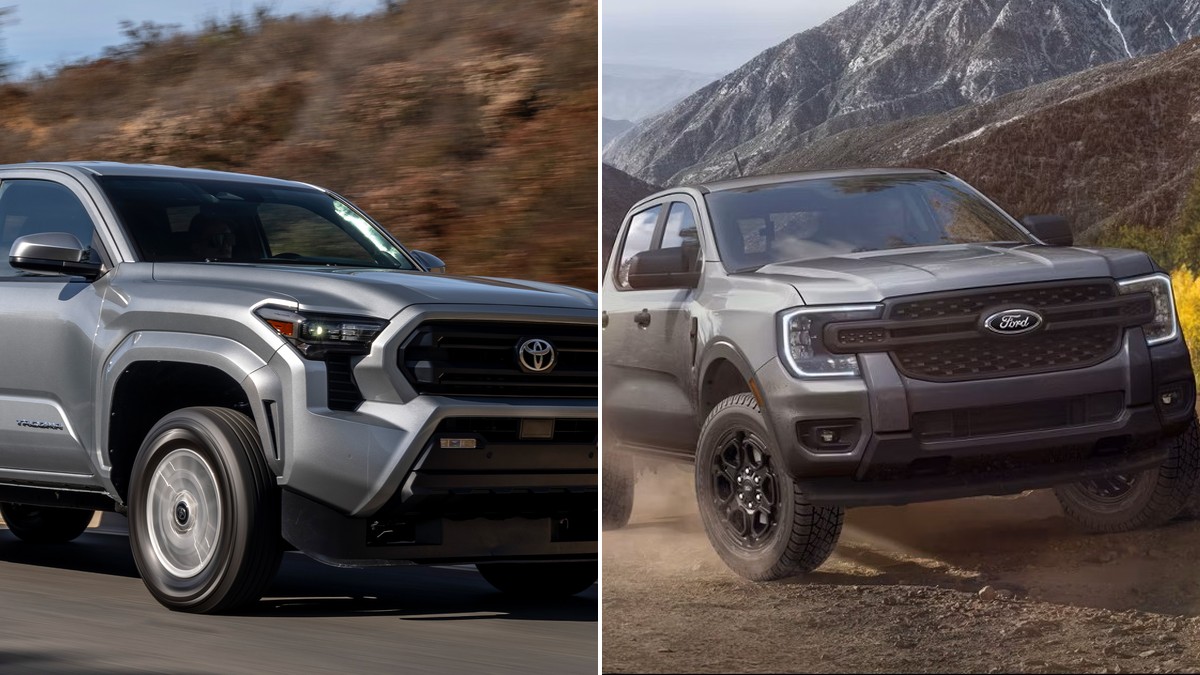
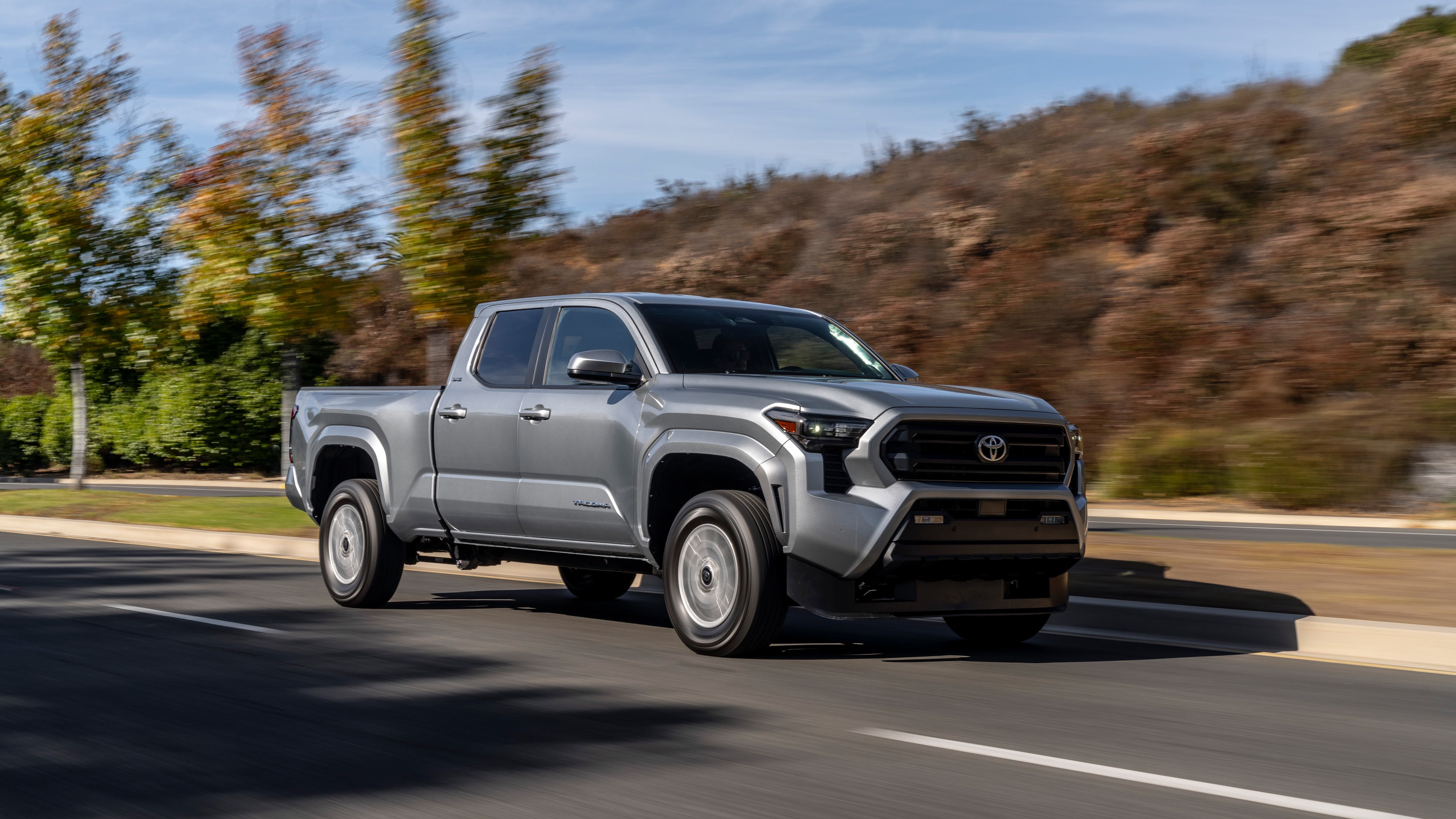
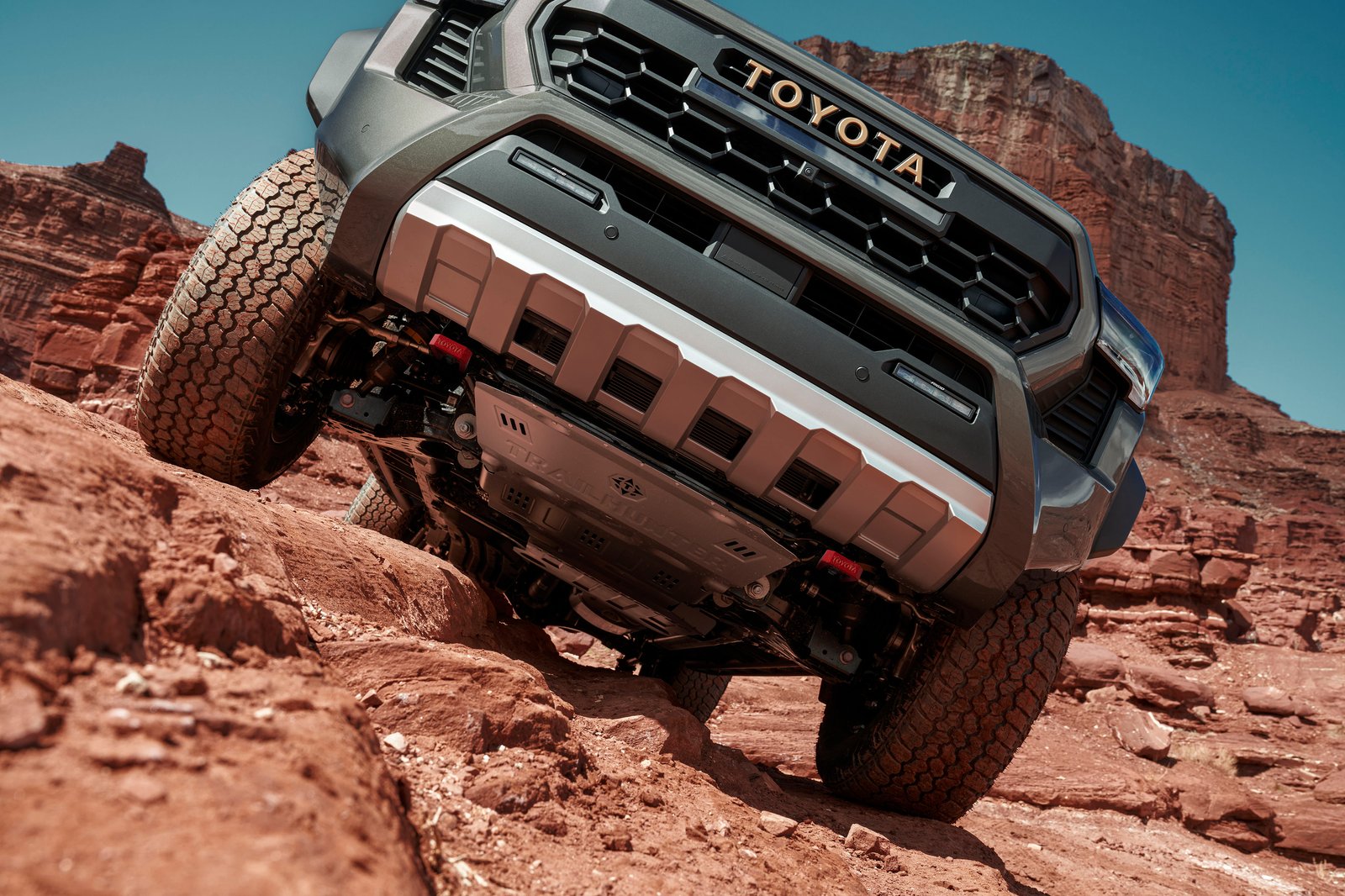
The spread is enormous. According to iSeeCars, a five-year-old Toyota Tacoma has lost 19.9% of its value, while a five-year-old Nissan Leaf has lost 63.1%. If you're cross-shopping trucks, that gap matters as much as anything in our Tacoma vs. Ranger comparison.
Two different measuring sticks
This year's rankings come from two very different sources, and they shouldn't be read as one list.
The iSeeCars study is a record of what already happened. It analyzed more than 950,000 five-year-old used cars sold between March 2025 and February 2026 and compared their prices with their original MSRPs, adjusted for inflation. These are, roughly, cars from the 2020 and 2021 model years.
Kelley Blue Book's Best Resale Value Awards are a forecast. KBB projects what a new 2026 model will be worth after five years and 75,000 miles. One is a fact about old cars; the other is an educated guess about new ones.
The cars that hold their value best
Across the market, the average five-year-old car lost 41.8% of its value in the iSeeCars data, an improvement on 45.6% a year earlier. Every major segment held up better than in 2025. Trucks lost the least at 34.2%, followed by hybrids at 35.4%. SUVs gave up 44.9%.
| Rank | Model | 5-year depreciation | Average loss vs. MSRP |
|---|---|---|---|
| 1 | Porsche 718 Cayman | 9.6% | $6,988 |
| 2 | Porsche 911 | 11.1% | $15,533 |
| 3 | Chevrolet Corvette | 18.7% | $13,365 |
| 4 | Toyota Tacoma | 19.9% | $6,426 |
| 5 | Toyota Tundra | 21.2% | $8,746 |
| 6 | Honda Civic | 22.9% | $5,828 |
| 7 | Subaru BRZ | 23.7% | $8,489 |
| 8 | Toyota GR Supra | 24.0% | $13,963 |
| 9 | Toyota RAV4 / RAV4 Hybrid | 25.2% | $7,731 |
| 10 | Toyota Corolla Hatchback | 25.5% | $6,220 |
| 11 | Toyota 4Runner | 25.5% | $10,697 |
Source: iSeeCars, five-year-old used cars sold March 2025 to February 2026.
Two patterns jump out. Enthusiast sports cars top the list, and Toyota fills it out. The brand holds 10 of the top 25 spots. Mainstream compacts also do well. The Civic loses less than the BRZ, the GR Supra, or the Mustang, a point worth weighing alongside our Civic vs. Corolla comparison.
The RAV4 is the sleeper here. iSeeCars points out how many new RAV4s are sold every year, yet the gas and hybrid versions together lost just 25.2%. What strikes me is that sheer volume doesn't hurt resale when demand runs this deep. Keep that in mind when reading our five-year cost breakdown of the RAV4 lineup.
The cars that lose it fastest
At the other end, iSeeCars counts 18 luxury models and eight EVs among the 25 biggest losers. Electric vehicles as a group lost 57.2% over five years.
| Rank | Model | 5-year depreciation | Average loss vs. MSRP |
|---|---|---|---|
| 1 | Nissan Leaf | 63.1% | $17,743 |
| 2 | Infiniti QX80 | 62.8% | $52,631 |
| 3 | Volkswagen ID.4 | 62.1% | $28,010 |
| 4 | Tesla Model S | 62.0% | $58,907 |
| 5 | Land Rover Range Rover | 61.7% | $69,856 |
| 6 | BMW 7 Series | 61.6% | $61,141 |
| 7 | Tesla Model X | 61.2% | $61,216 |
| 8 | Ford Mustang Mach-E | 60.8% | $22,976 |
Source: iSeeCars, five-year-old used cars sold March 2025 to February 2026.
The percentage isn't the whole story. The Leaf tops the chart by percentage, but its dollar loss is a fraction of the Range Rover's. If you're spending luxury money, the dollar column is the one that hurts. The Tesla Model Y sits just outside this group at 57.8%.
Why KBB rewards EVs the used market punishes
KBB's 2026 forecast looks friendlier at first glance. The average 2026 model is projected to keep about 45% of its value after five years. Toyota won the brand award at 53%, its 10th win, and Lexus took the luxury title at 47%. Category winners include the Civic, Camry, GR Supra, Prius, 4Runner, HR-V, CR-V, Grand Highlander, Sequoia, Sienna, Maverick, Tacoma, and Tundra.
The Tesla Model 3 won KBB's electric car category, and Rivian's R1T and R1S won the electric truck and electric SUV categories. That isn't a contradiction of the iSeeCars data. A category award ranks a vehicle against its own class, not against the whole market. The Model 3 is also iSeeCars' best-performing EV at 54.6%, yet it still loses far more than the 41.8% market average. It's the best of a weak class.
iSeeCars analyst Karl Brauer puts the EV problem down to price: electric cars cost more than comparable gas or hybrid models when new, and used buyers won't pay that premium back. My bet is that this, more than battery anxiety, is what keeps EVs at the bottom.
The counterargument: your loss is someone's bargain
The strongest case against my thesis comes from the used side of the lot. In its second-quarter report, Edmunds found the average 3-year-old used vehicle sold for $32,461, a second-quarter record. In the $15,000 to $20,000 range, Edmunds says, shoppers can choose between a 3-year-old Kia with under 50,000 miles and a 7-year-old Toyota with more than 85,000.
That's depreciation working for the buyer. A car that loses value fast is a cheap car to buy secondhand. The same logic applies to EVs, which is why our used EV buying guide points to real deals. Edmunds' first-quarter data showed 3-year-old Mercedes EQS sedans selling for $16,880 less than the resale value estimated when they were leased new.
I accept that argument, but it cuts one way. It helps the second owner. It doesn't help the person writing the first check.
What we don't know
The iSeeCars numbers describe cars from roughly 2020 and 2021. Today's models are different products sold into a different market, and they may age better or worse.
The lease-return wave is the biggest unknown for EVs. Edmunds projects off-lease volume will rise 25.7% in 2026 and climb by roughly another 400,000 vehicles in 2027, with a considerable share of it EVs leased in 2023, when the $7,500 federal credit could be passed through to lessees. So far, prices haven't collapsed. Cox Automotive's August EV Market Monitor put the average used EV listing at $37,441, up 8.2% from a year earlier, and iSeeCars tied a spring rebound in used EV prices to higher gasoline prices. Whether that holds as more cars come back is an open question.
And KBB's figures are projections, not guarantees. They depend on supply, demand, and fuel prices that no one can lock in.
The bottom line
If you buy new and keep a car for five years, I'd shop from the top of the iSeeCars list and treat a strong resale forecast as a real discount. If you buy used, the bottom of the list is where the bargains live.
Either way, depreciation deserves the same scrutiny as the MSRP, especially now that automakers are deleting cheaper trims instead of raising prices. The cheapest car to buy is rarely the cheapest car to own.