Chinese Automakers Are Moving Into Europe's Spare Car Plants. Why Not America's?
Europe's trade barriers follow where a car is built, so Chinese brands are moving into Western plants. The main U.S. rule follows who owns the automaker instead.
Three stories out of Europe this week describe the same shift. Geely is preparing to build cars inside Ford's plant in Valencia, Spain. BYD is negotiating to buy the French factory that used to make the Smart Fortwo. And Stellantis is pausing more of its own European assembly lines. Chinese automakers are answering Europe's trade barriers by moving production into plants that Western companies can no longer fill on their own.
None of that is happening in the United States, and a shortage of factories is not the reason. Europe's barriers are tied to where a car is built. America's main barrier is tied to who owns the company selling it, which is why you can't buy a BYD in America today and why a U.S. assembly line would not, by itself, change that. Here is how the two systems differ, using what the companies and regulators have put on the record.
What happened in Europe
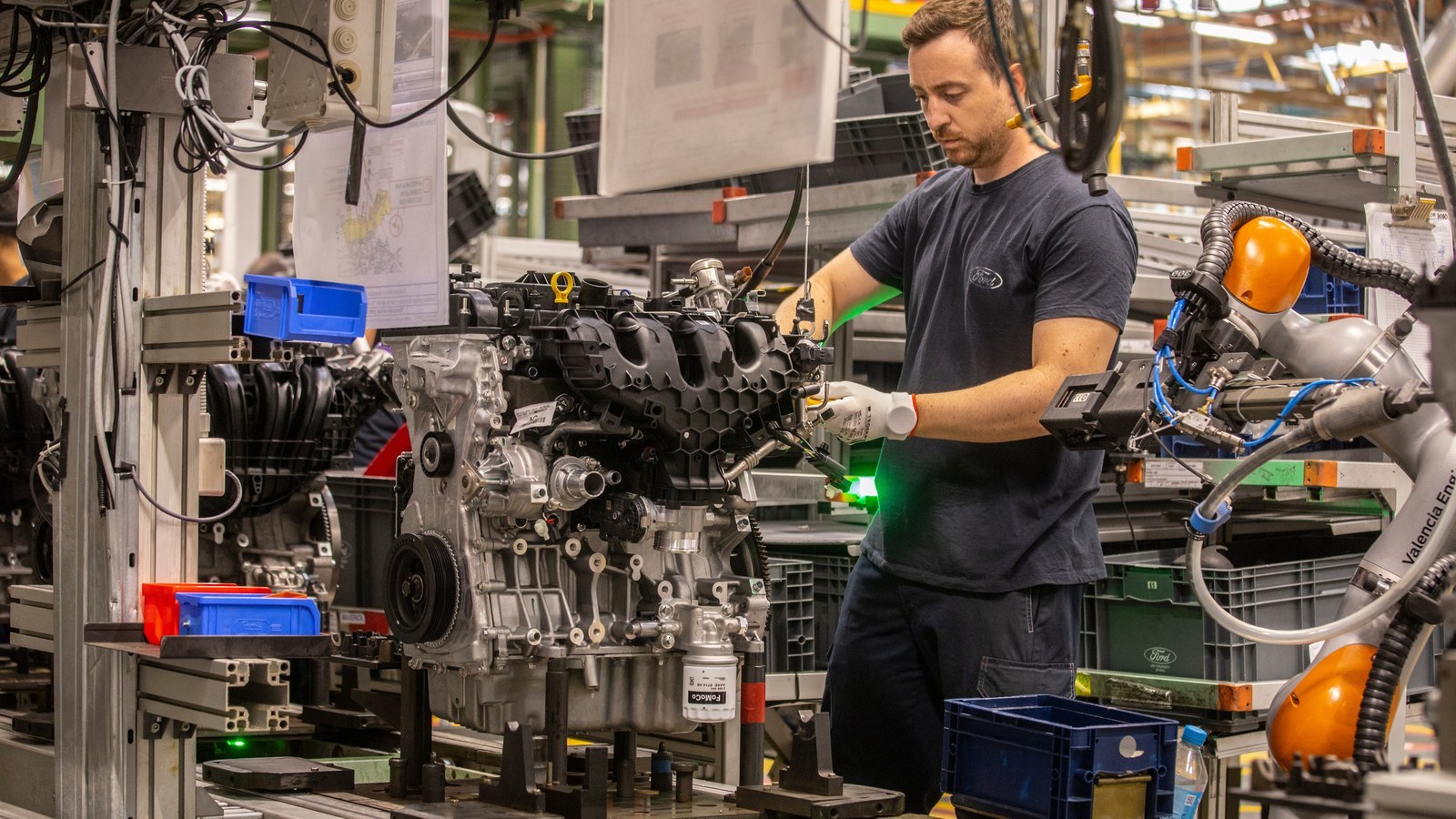
Geely and Ford. The two companies announced a joint venture at Ford's Valencia plant on July 23. Ford will own 66% and Geely Auto 34%. Operations are due to begin in the first half of 2027, pending regulatory approvals, and the first new vehicles are scheduled for 2028.
Ford puts the plant's potential capacity at about 500,000 vehicles a year. Today it builds one model, the Kuga, which stays in production. From 2028 Ford plans to add a compact SUV from the Bronco family and a family crossover co-developed with Geely. Geely plans two electric SUVs of its own.
Geely told the Hong Kong stock exchange the same day that it will pay €221 million for its 34% stake in Ford España, subject to closing adjustments, according to Chinese financial wire Cailian's account of the filing. China's market regulator has cleared the purchase without conditions, Reuters reported in October.
The new detail this week comes from Geely's UK chief, Michael Yang. He told Autocar that the cars built in Valencia will use a new platform with features developed for Europe, without saying which models those will be. Automotive News Europe reported on November 27 that Geely also intends to use Volvo's European plants. Geely Auto chairman An Conghui said in August that those plants would build the group's higher-priced models from 2028, according to electrive.
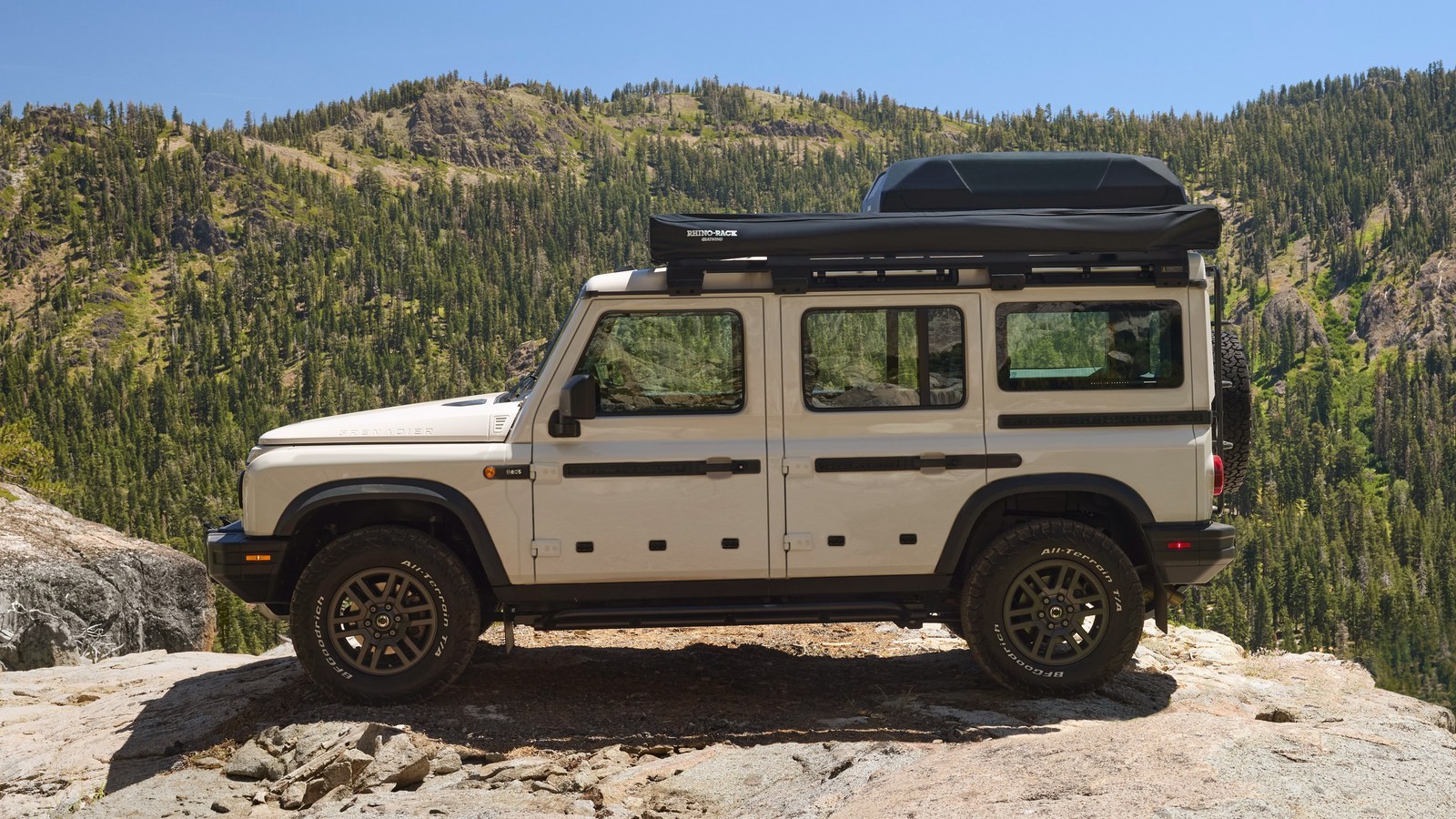
BYD and Ineos. On November 24, Ineos Automotive said it is in exclusive negotiations to sell its Hambach, France, plant to BYD, and BYD confirmed the talks the same day. Nothing is signed. BYD says the proposed deal is subject to consultation with works councils. Ineos says it would keep building the Grenadier at Hambach for "the medium term" if the sale goes through, while it sets up U.S. production for 2028. We covered that half of the story in our report on Ineos moving Grenadier production to America.
The approach is not new for BYD. Executive vice president Stella Li said in May that the company was talking to Stellantis and other automakers about underused factories. "We are looking for any available plant in Europe," she said, as Bloomberg reported.
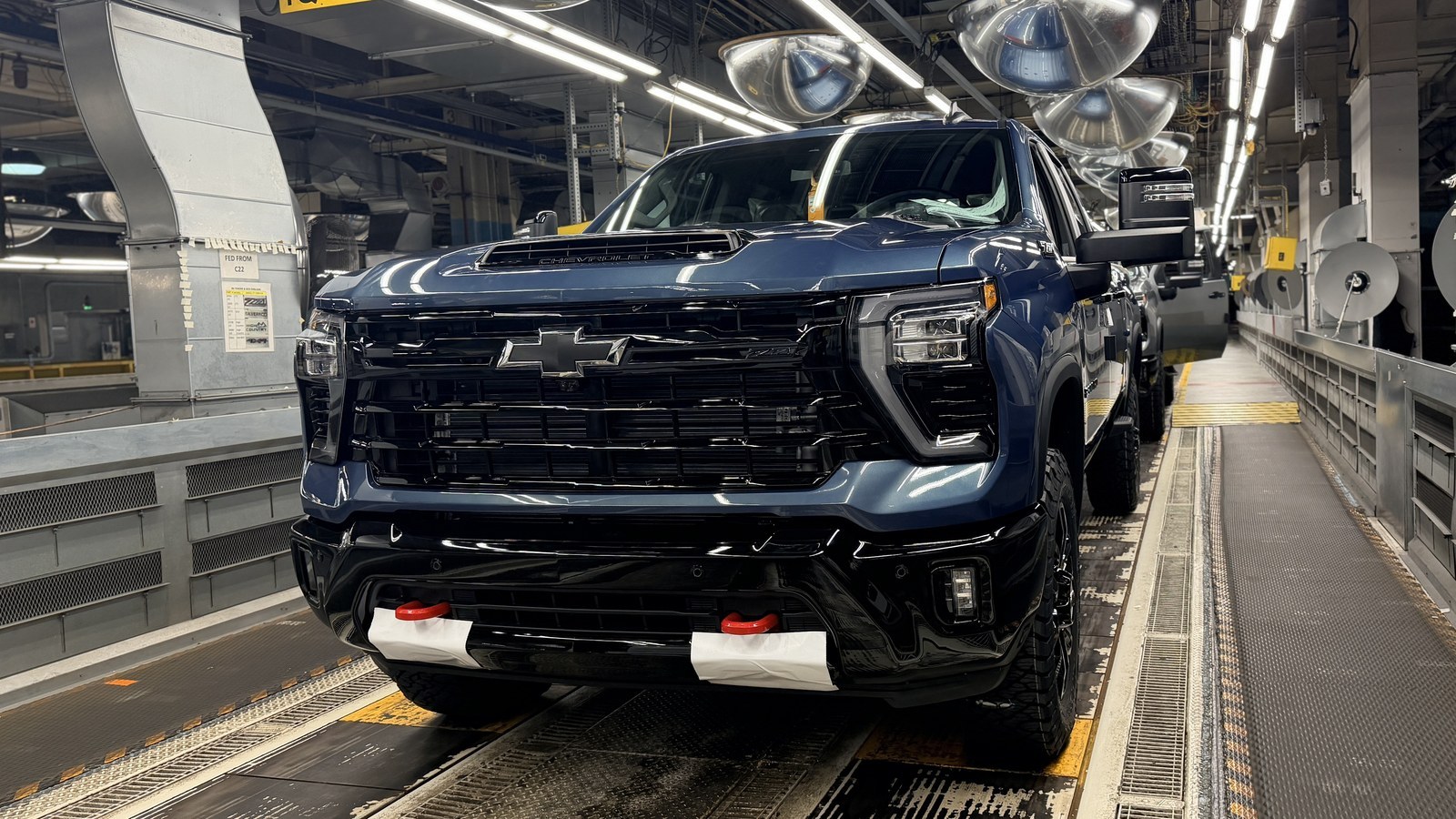
Stellantis. The company will stop its Mulhouse, France, plant for several days in December and again from December 23 to January 11, and its Rennes plant from the evening of December 18 until January 5, a company representative told Bloomberg on November 26. A day earlier, a spokesman told Reuters that the Sochaux plant is dropping its night shift and will not renew 500 temporary contracts. The company cited weak demand and tougher competition.
Stellantis is also already on the other side of this trade. Its 51%-owned joint venture with Leapmotor builds the Chinese brand's B10 SUV at the Zaragoza plant in Spain, and in May Stellantis said it intends to transfer its Madrid plant to that venture's Spanish subsidiary.
Why a local factory works in Europe
The European Union's measures against Chinese cars are import measures. Since October 2024, battery-electric cars built in China have paid countervailing duties of up to 35.3% on top of the standard 10% tariff; BYD's rate is 17.0% and Geely's is 18.8%.
Hybrids are next. From December 1, an EU safeguard caps imports of China-built hybrids and plug-in hybrids at about 350,000 a year, Automotive World reports. Cars assembled inside the EU do not count toward that cap, whatever badge they wear.
In both cases the test is location. A Geely built in Valencia or a BYD built in Hambach would not be a Chinese import under those measures. That is the logic behind every deal above.
Why the same move does not work in the U.S.
The U.S. has import measures too. Chinese-built EVs have carried a 100% Section 301 duty since September 27, 2024, and imported cars in general have paid a 25% Section 232 tariff since April 3, 2025. A U.S. plant would answer both, just as a Spanish plant answers the EU's duties.
The second layer is different in kind. Under the Commerce Department's rule on connected cars, a manufacturer that is owned by, controlled by, or subject to the jurisdiction of China may not sell connected vehicles in the U.S. from the 2027 model year, and the rule's definition of a manufacturer covers companies that assemble cars here. Our Connected Vehicle Rule explainer walks through the text. The only route around that clause is a specific authorization from the Bureau of Industry and Security (BIS), decided case by case.
America's test case is already on the books
The U.S. does have a car plant with a Chinese parent. Volvo, which is majority-owned by Geely, has built cars near Charleston, South Carolina, since 2018.
What happened there shows how the rule works in practice. Volvo announced on May 26 that it had received a specific authorization to keep selling in the U.S. Polestar, another Geely brand, builds the Polestar 3 in the same plant, and it said in June that BIS had declined to authorize its sales from the 2027 model year.
Same parent and same factory, with opposite results. Commerce has not publicly explained the difference. For this comparison the point is narrower: in the U.S., building a car locally does not settle whether a Chinese-controlled brand may sell it.
A Valencia-style structure raises a question the rule has not been asked. The Spanish venture is controlled by Ford, not Geely. BIS has not said how it would treat a Chinese-brand car built and sold by a U.S.-controlled company, a gap we flagged in our look at the five barriers facing Chery. No automaker has announced such a plan for the U.S.
What Washington has said
President Trump told Fox News on September 11 that he would be fine with Chinese automakers opening U.S. plants if they hire American workers. The Commerce rule has not been amended since.
Congress is moving on a separate track. The Connected Vehicle Security Act, S. 4429, would write the restrictions into statute, and the version reported by the Senate Commerce Committee extends them to vehicles built in a U.S. plant; our explainer on the bill has the details. Politico reported on November 26 that the sponsors have agreed on revisions and want a Senate voice vote in December. We have not seen a published compromise text.
What it means for American buyers
Nothing in these deals changes what is on sale at a U.S. dealership. Ford and Geely describe the Valencia vehicles as cars for Europe, and Ford has not said that any of them, including the compact Bronco-family SUV, will be sold in the U.S.
The one direct American consequence runs the other way. A European-built off-roader, the Grenadier, is headed for a U.S. assembly line, and the plant it leaves behind may go to a company that cannot sell cars here.
What we don't know
- The price, terms, and closing date of the Hambach sale. Neither company has disclosed them, and neither has said which BYD models would be built there or when.
- Which Geely models will be built in Valencia. Geely has not named them in a release. S&P Global Mobility, citing a Reuters interview with Geely senior vice president Victor Yang, says one is the EX5; Autocar reports a small SUV due in 2028 is a possible candidate.
- Whether the Ford-Geely venture has every approval it needs. The companies have said only that the 2027 start depends on regulatory approvals.
- The full picture at Stellantis. We found no company press release on the stoppages; the dates above come from company representatives quoted by Bloomberg and Reuters.
- Whether any Chinese automaker has asked BIS for permission to build and sell cars in the U.S. We have seen no public record of an application.
What's next
- December 1: the EU's cap on imported hybrids takes effect.
- December: the Senate sponsors of S. 4429 are seeking a vote, according to Politico.
- First half of 2027: the Ford-Geely venture is scheduled to begin operating.
- 2028: the first new Ford and Geely models are due from Valencia, and Ineos targets the start of U.S. production.
Canada is taking a third path, with its own conditions for Chinese investment; we laid that out in our analysis of Chinese cars and the Canadian route. We will update this piece when the Hambach sale closes or the Valencia venture begins operating.