What Tuesday's Midterms Can and Can't Change About Your Next Car
The EV credit, CAFE penalties and federal tailpipe limits are already gone, a veto blocks most quick reversals, and governors now matter more to your car deal.
Americans vote Tuesday for the entire House, a third of the Senate, and 36 governors. If you are shopping for a car, most of what shapes your deal was settled long before this ballot, and the parts that are still open mostly run through state capitals rather than Washington.
That is not a prediction about who wins. It is a reading of how the rules work. The biggest federal changes for buyers, starting with the end of the $7,500 EV tax credit a year ago, are already law, and undoing them takes more than a change of majority.
Already decided: what Tuesday won't touch
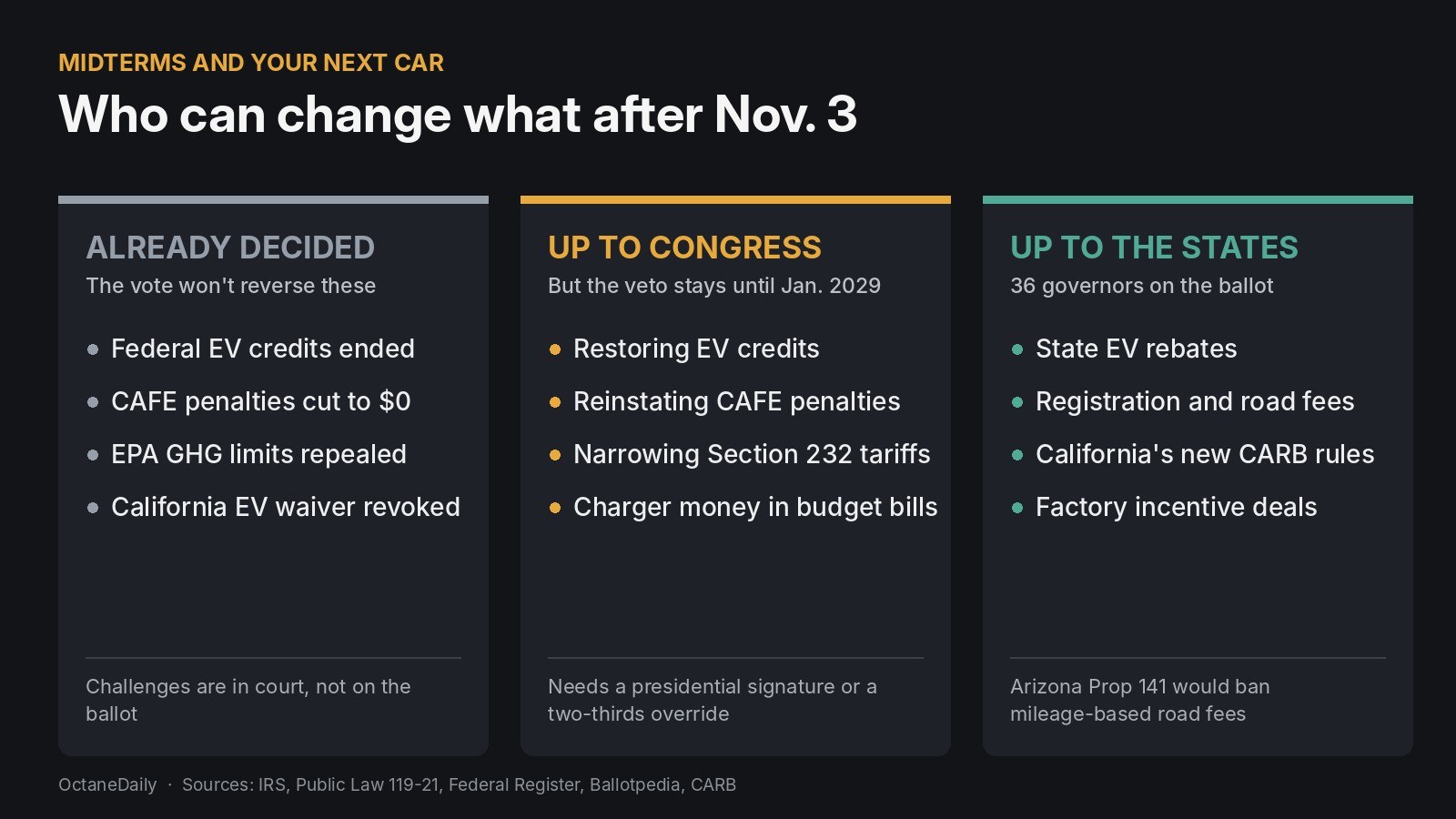
- Federal EV credits. Public Law 119-21, signed July 4, 2025, ended the $7,500 new-EV credit, the up-to-$4,000 used-EV credit and the commercial credit that funded lease deals for any vehicle acquired after September 30, 2025.
- Fuel-economy penalties. The same law cut CAFE noncompliance penalties to zero, and the Transportation Department's final rule sets a fleet target of about 34.9 mpg for model year 2031, down from roughly 50.4 mpg under the 2024 standards. We covered what that means in our guide to the new CAFE rules.
- Federal tailpipe greenhouse-gas limits. EPA's rescission of the 2009 endangerment finding and every vehicle GHG standard was published February 18, 2026, and took effect April 26. Its fate is in the D.C. Circuit, and possibly the Supreme Court, not on the ballot.
- California's EV mandate waiver. Congress revoked the Advanced Clean Cars II waiver under the Congressional Review Act, signed June 12, 2025. California is suing, and that fight is also in court.
None of these expires or reverses because one chamber changes hands. They would take new legislation, a court ruling, or a new rulemaking.
Why Congress alone can't undo them
Here is the arithmetic that most election coverage skips. The current president holds a veto until January 2029. Any bill to restore EV credits, reinstate CAFE penalties or rewrite tariff law has to be signed by him or passed over his veto with two-thirds of both chambers.
S&P Global Energy's analysts expect neither party to reach 60 Senate votes or a veto-proof majority, and their October 20 assessment is that a change in control would bring a bigger platform rather than new policy before 2028. CERA's Jeff Meyer called an override "a very, very high hurdle."
Supporters of each side read that differently. Backers of the current approach argue the rollbacks lower the cost of building cars, and EPA says compliance with the repealed standards would have cost more than $1 trillion. Those who want the credits and stricter standards back argue that a House or Senate majority would at least bring oversight hearings, investigations and leverage in must-pass spending bills, which is the platform S&P describes. Neither case changes the veto math.
Spending is the exception, because it has to pass every year. Federal money for highway fast chargers is one example: Congress clawed back about $504 million in unspent charging funds in a January budget law, and states still hold roughly $4 billion, according to Atlas Public Policy. Any further cut would need another act of Congress, so control of either chamber can affect how many new fast chargers get built.
Tariffs: the biggest price factor, and the hardest to move
The auto tariffs rest on Section 232 of the Trade Expansion Act of 1962, which lets the president act on national-security grounds. When the Supreme Court struck down the tariffs imposed under emergency-powers law in February, the Section 232 car duties were not part of that case.
Today most imported cars face 25%. Cars from Japan, the European Union and South Korea pay 15% under trade deals implemented in 2025. As we explained in our look at Japanese automakers' U.S. production, that is why brands are moving assembly here, and why it doesn't lower sticker prices soon.
Congress could narrow Section 232, and lawmakers from both parties have tried. The Trade Review Act that Sens. Chuck Grassley and Maria Cantwell introduced in 2025 would require congressional approval for new tariffs, but it has not become law. Like everything else on this list, it would also face a veto. For buyers, that makes today's tariff rates the practical baseline for the 2027 model year, whatever Tuesday's result.
Where your vote matters more: the governors
All three of the states most tied to the car business elect a new governor this year, because their incumbents are term-limited.
California is where state policy reaches the showroom most directly. Without its waiver, the Air Resources Board is writing replacement light-duty rules and has been aiming for a board vote in 2027, under appointees the next governor will choose. The state's MyFirstEV program, which launched August 3, gives first-time EV buyers $3,500 off a new zero-emission vehicle or $1,750 off a used one at the dealer, first come, first served. CARB's program page lists the details. Whether that money gets refilled is a question for the next governor and legislature.
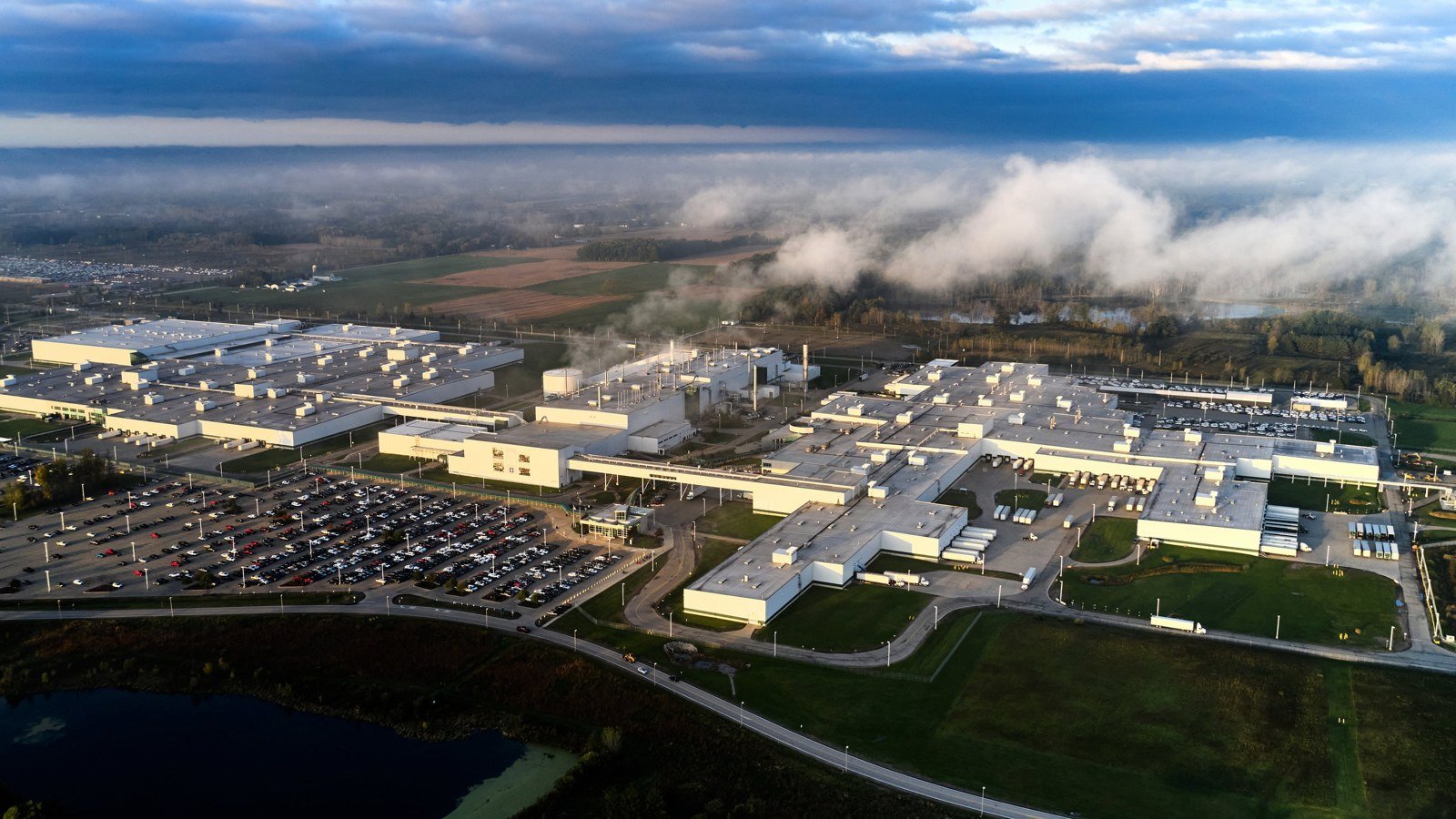
Michigan is where factory decisions land. GM is preparing Lansing Delta Township, home of the Traverse, Acadia and Enclave, for hybrid production, as we reported in our story on GM's Lansing hybrid plan. Governors negotiate the incentive packages behind deals like that one, and they work with the UAW and automakers on what gets built where.
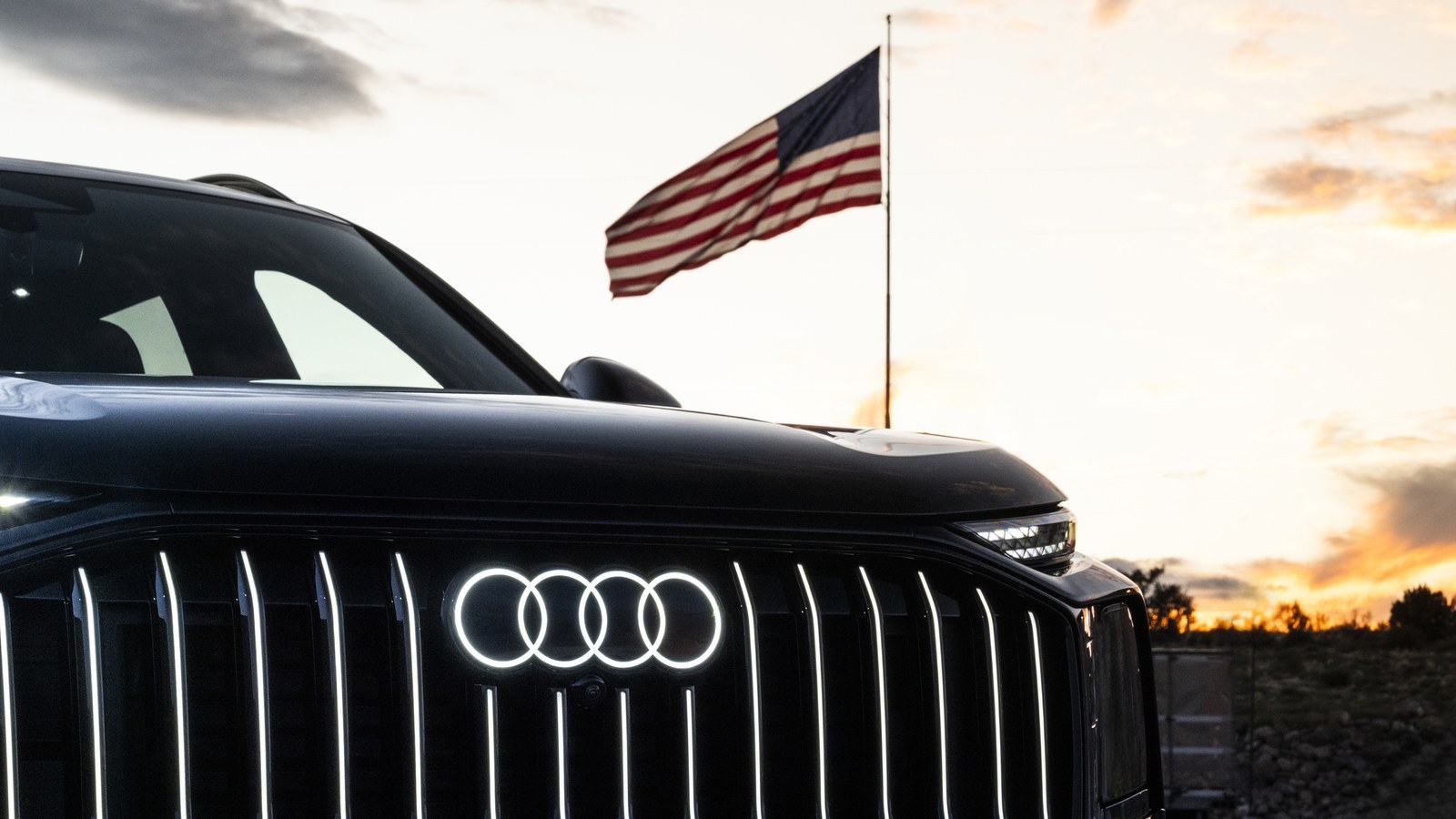
Georgia has become the newest center of the industry. Hyundai builds the Ioniq 5 and Ioniq 9 near Savannah, and Audi has picked Peach County for a roughly $4 billion SUV plant due early next decade, detailed in our Audi Georgia plant explainer. Georgia's announcement listed no incentive figure, so the terms will largely be settled by the next administration.
A new governor won't change your sticker price in January. Over a four-year term, they shape state rebates, registration fees, emissions rules where the state has authority, and which models end up built nearby.
On the ballot itself: one statewide car measure
We checked Ballotpedia's 2026 list for statewide measures on gas taxes, EV fees and vehicle charges. There is one on Tuesday's ballot. Arizona's Proposition 141, referred by the legislature, would amend the state constitution to bar state and local taxes or fees based on vehicle miles traveled. Supporters argue a mileage charge would bring tracking and privacy risks. Opponents, including the chair of the state Board of Transportation, argue it removes a tool for funding roads as EVs and efficient cars pay less gas tax.
Two other items are worth knowing. Washoe County, Nevada, which includes Reno, has an advisory question on asking the legislature for a road-funding fee on EV owners. Oregon's vote on a gas-tax and registration-fee increase already happened in May, when 83% of voters rejected it.
What this means at the dealership
- Don't hold off on a purchase hoping for federal EV credits to return. Even a change in control leaves a veto in the way through January 2029.
- Assume current tariff rates in your price planning. They are set by executive action under a law Tuesday's vote doesn't change.
- Check your state. Rebates such as California's are funded year to year and can run out.
- Watch the courts more than the returns. The EPA rescission and the California waiver cases matter more to what automakers build in 2028 than any single seat.
What we don't know
We don't know who wins, and we're not forecasting it. If control of Congress changes, we'll cover what the new majority actually proposes on credits, tariffs and charging money in a separate story after the results are in.