Rivian Hands Its Dead Batteries — and Factory Scrap — to Redwood Materials
Redwood Materials will now take Rivian’s production scrap and worn-out packs, sort them into grid storage or recycling, and keep building the 10 MWh battery farm at the Normal, Illinois plant.
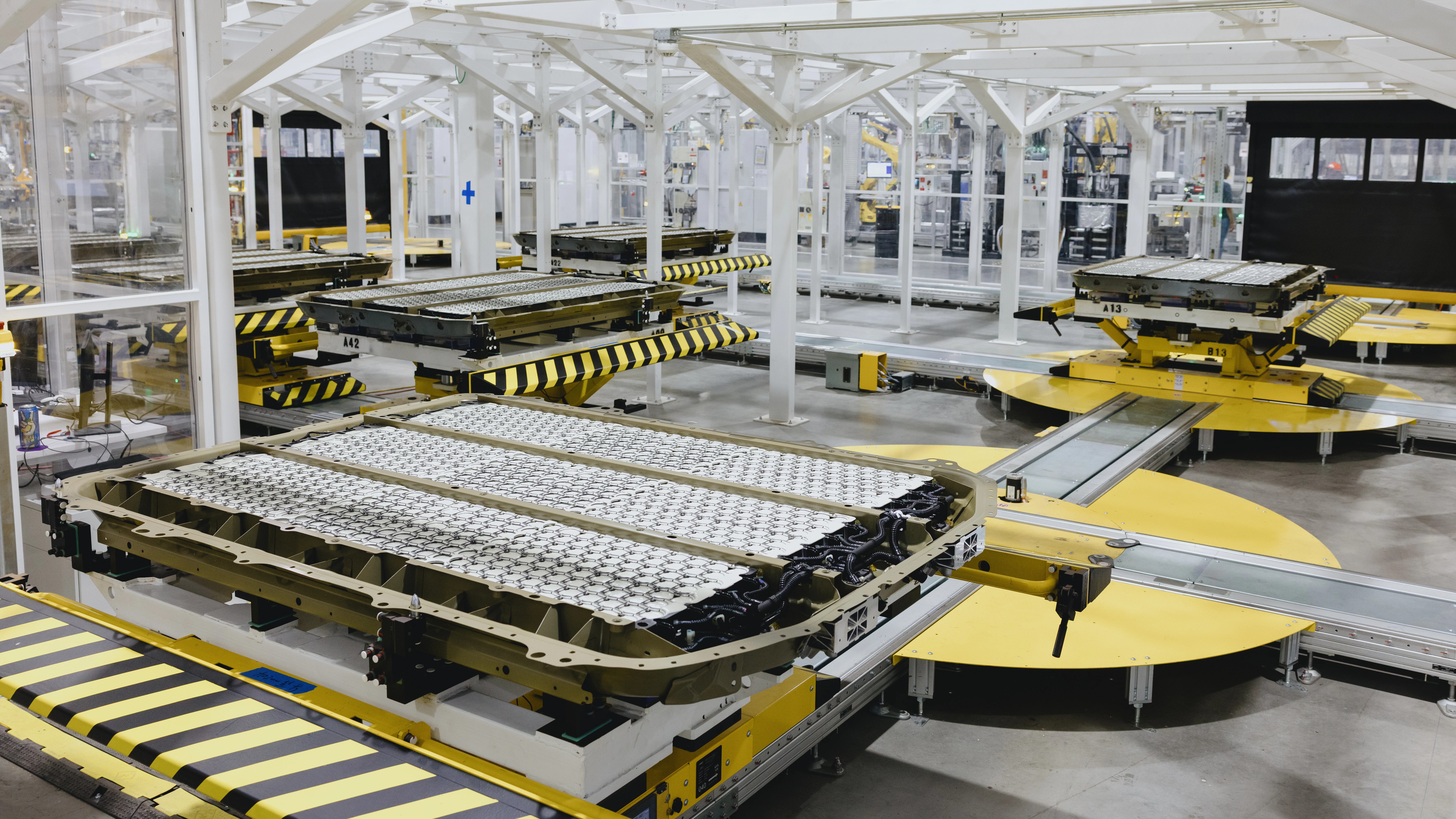
Rivian is handing the entire back end of its battery business to Redwood Materials. Under an expanded deal announced Tuesday, Redwood will collect every Rivian pack that is no longer fit for a vehicle, decide whether it still has a second life as grid storage, and recycle whatever doesn't — plus the scrap coming off Rivian's own production lines.
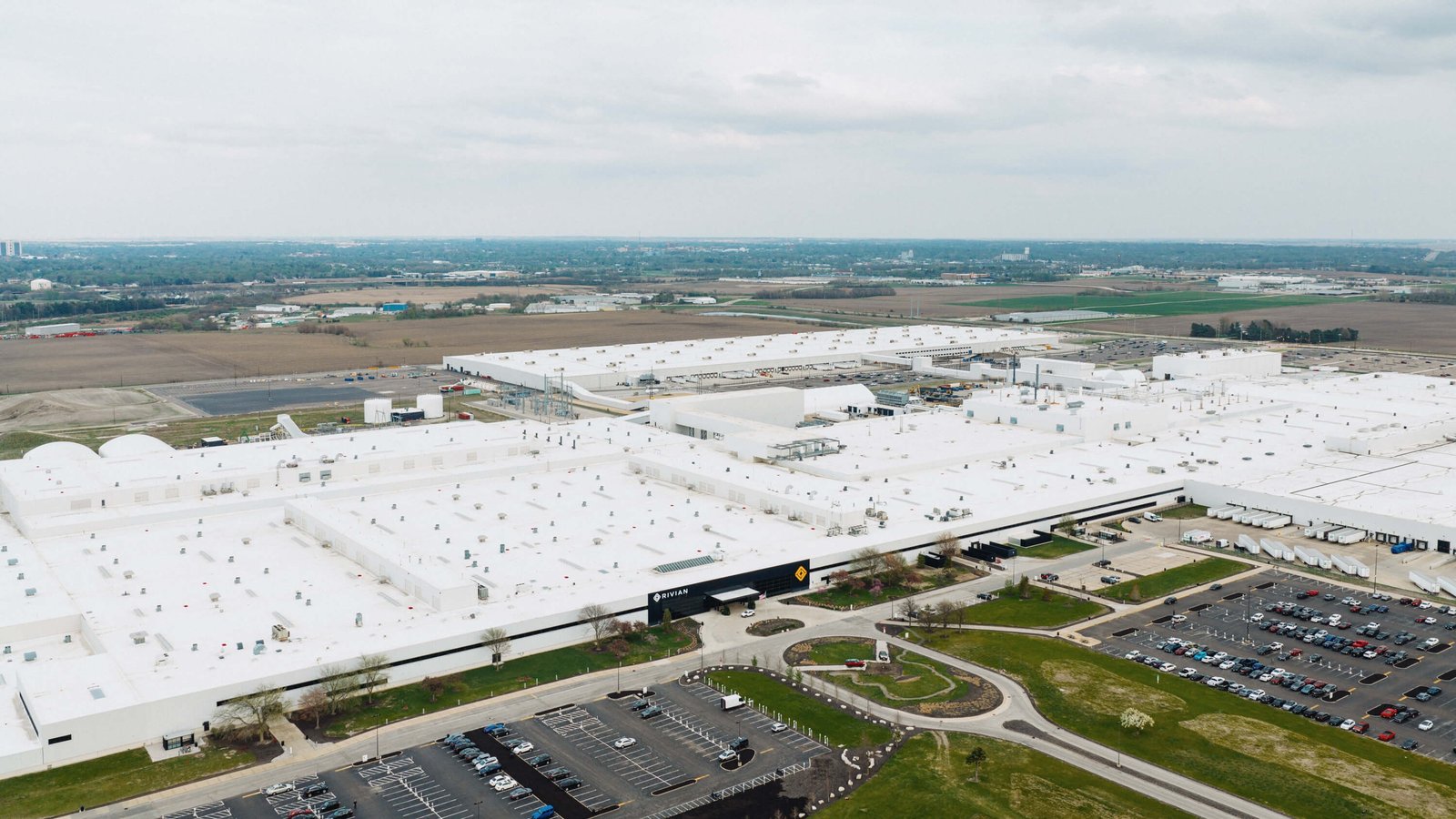
The timing tracks with Rivian's volume curve. Rivian's Q3 deliveries jumped 58% as R2 ramped up in Normal, Illinois, and more packs built means more scrap now and more returns later. Until now, Redwood's role had been limited to the storage side: an April agreement to turn used Rivian packs into a 10 megawatt-hour battery system at the Normal plant.
How the loop works
Packs come back through Rivian's nationwide service centers. Redwood then grades each one. A pack with enough capacity left goes into a stationary storage system — at Rivian's factories or elsewhere — where it can soak up cheap off-peak or solar power and feed it back when demand spikes. A pack that is too far gone goes straight to recycling, and so does manufacturing scrap. Redwood says its process recovers lithium, nickel, cobalt, and copper at rates above 95 percent, a figure the company has not opened to independent audit.
The Normal storage project, announced in April, started as a pilot of more than 100 repurposed packs. Rivian has framed it as a way to cut peak-demand charges at the plant and to keep running when the grid is under strain. Neither company has said whether the system will grow beyond 10 MWh, what the expanded deal is worth, or how much scrap the factory generates.
Redwood is building the same loop with GM
Rivian is not Redwood's first automaker in this model. GM is already building new EVs with batteries made from old ones via Redwood, and in June the two switched on a 1.5 MW / 7.2 MWh second-life system at a GM plant in Michigan, with roughly 10,000 GM packs earmarked for storage use. Redwood's own showcase is a 12 MW / 63 MWh microgrid in Sparks, Nevada, assembled from 792 retired EV packs and powering a Crusoe AI data center. In Europe, Porsche's 100-percent-recycled cathode cells show the same closed-loop thinking without the storage step.
For Rivian, the pitch is less about sustainability credentials than about electricity. Factories in the U.S. can wait years for a bigger grid connection, and a battery farm built from parts the company already owns is a faster way to add capacity on site.
JB Straubel, Redwood's founder and CEO, put it bluntly: every Rivian pack that comes back is both a potential piece of domestic grid storage and a source of critical materials.
For owners, the deal changes nothing day to day. The more interesting effect is downstream: a defined buyer for worn-out packs supports residual values, which is one of the variables we flag in our used EV buying guide. What Rivian still hasn't said is when the first recycled Rivian material will show up in a new Rivian battery.