Musk Is Up for Re-Election on Dec. 3. Here's the Question Tesla's Proxy Doesn't Ask
The December 3 ballot renews Musk, Denholm, and Straubel for three years and carries no shareholder proposals. The end of human-driven Teslas is not on it, and nobody is asking.
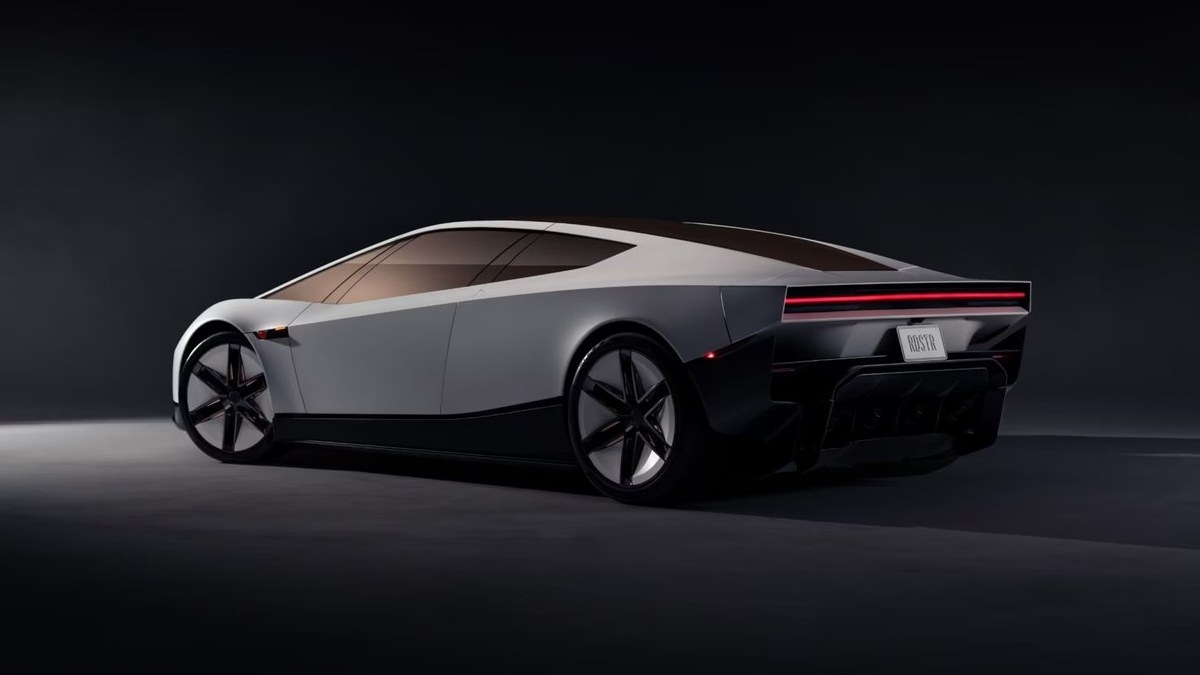
Tesla filed its proxy on October 19, and the ballot for the December 3 annual meeting asks three things: re-elect Elon Musk, Robyn Denholm, and JB Straubel for three more years, bless the 2025 executive pay, and keep PwC as auditor. It does not ask the question I think matters most to the people who actually buy Teslas. Four days earlier, Musk stood next to the new Roadster and called it, long term, the only manually driven car Tesla will make. If that is the plan, the plan has never been put to a vote, and this proxy confirms it will not be put to one this year either.
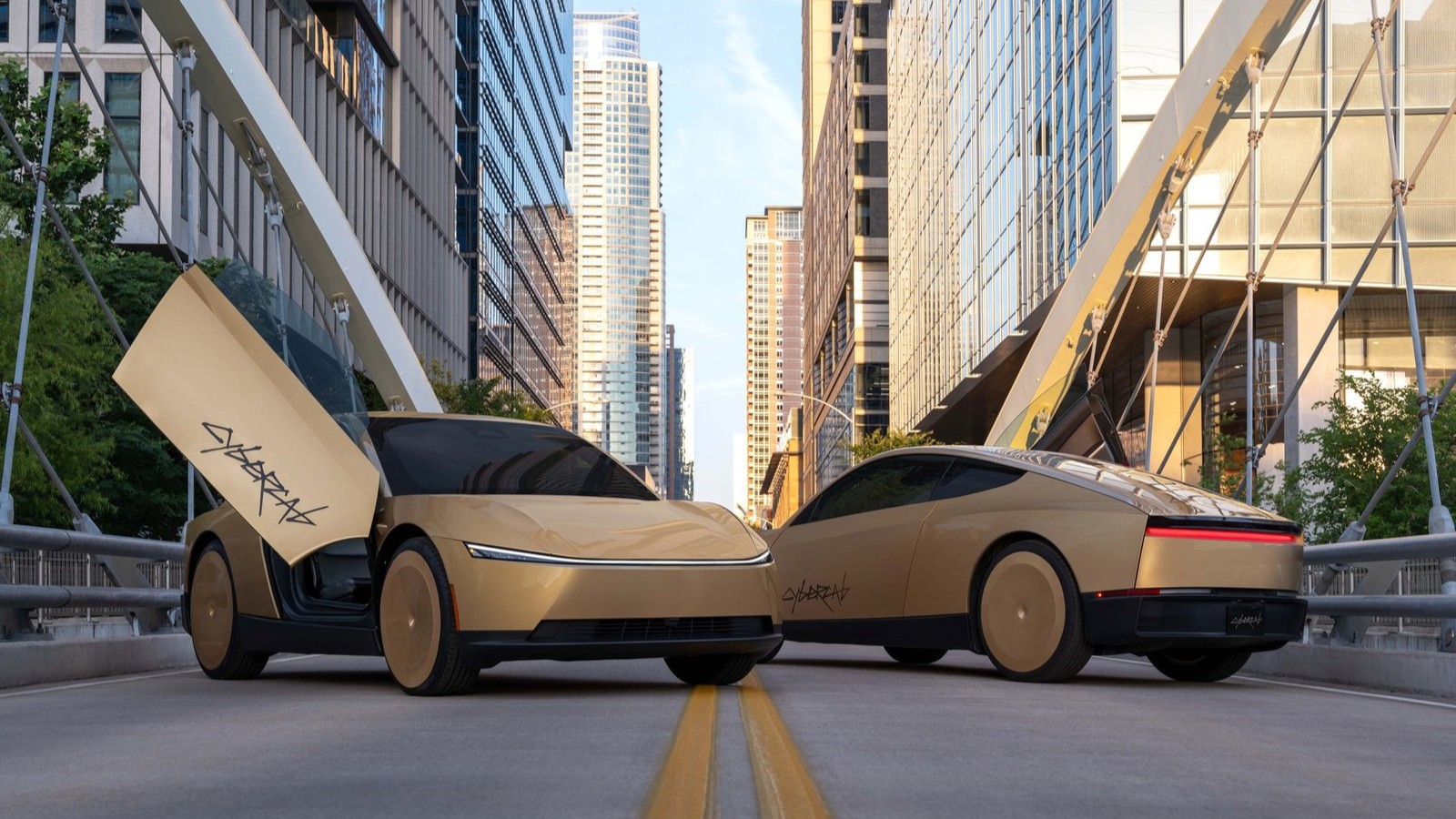
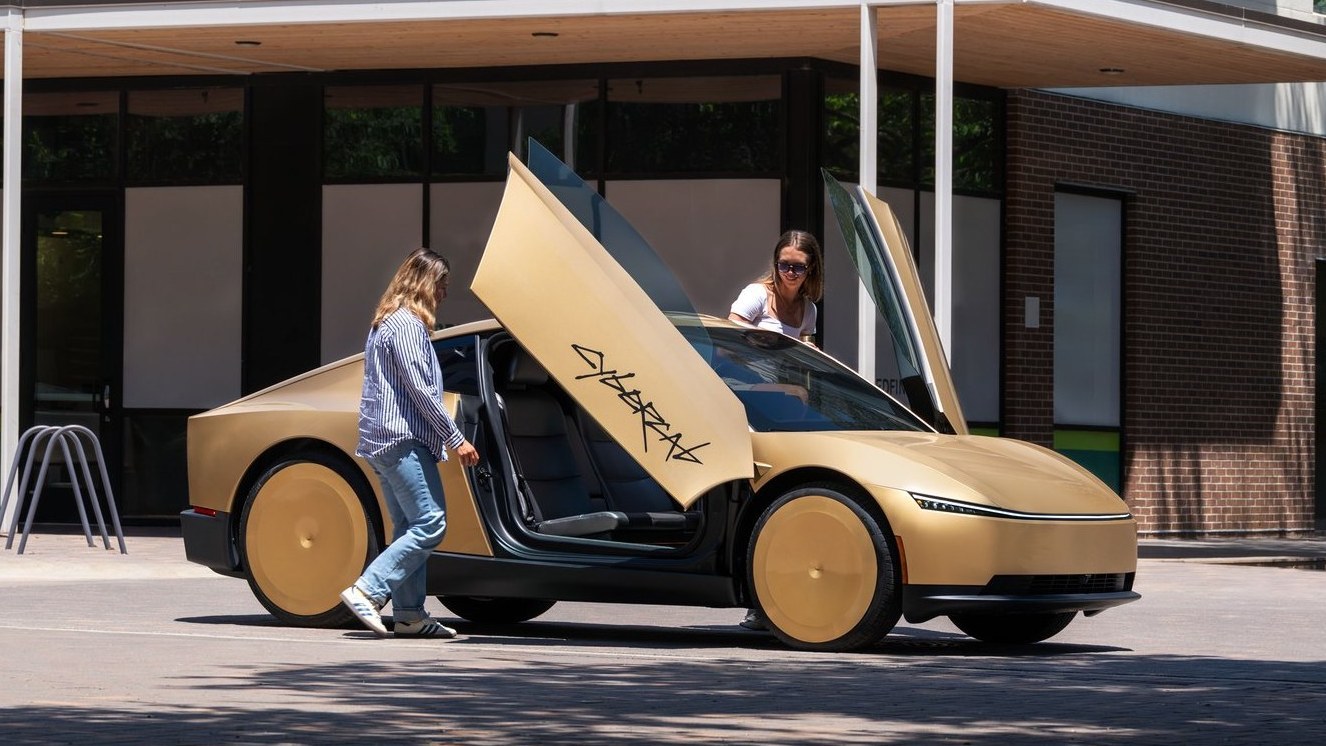
Read the DEF 14A for what it does say about the product. The chair's letter counts the year's wins: Robotaxi service in more cities, the first Optimus production lines, and Cybercab now being built at Gigafactory Texas. The governance section describes the September launch as deploying fully autonomous vehicles without steering wheels or pedals in the Robotaxi fleet. That sentence is in a document asking you to approve the board. It is not in a document asking whether a company with two mass-market models should become a company with none.
The ballot is about people, not the plan
Director elections are how shareholders of a classified board get their say, and Tesla's board is still classified. Musk, Denholm, and Straubel are the Class I slate; whoever wins in December sits until 2029. By then, if the Roadster timeline holds, the car Musk calls the last one for human drivers will have been in production for about a year. The rest of the lineup's future is a decision those three directors and their colleagues will take between now and then, and the ballot gives shareholders exactly one tool for it: a yes or no on each name.
There is a second, quieter signal in the same filing. At the 2025 meeting, a shareholder proposal to elect every director annually passed on an advisory basis, according to Tesla's own 8-K on the results. The new proxy says the board decided not to bring a binding declassification proposal back at this time, after a companion proposal to drop supermajority requirements fell short of the threshold. In my view that is the detail that should bother a customer more than an investor. A board that heard "elect us every year" and answered "not now" is a board that will decide the steering-wheel question on its own schedule, too.
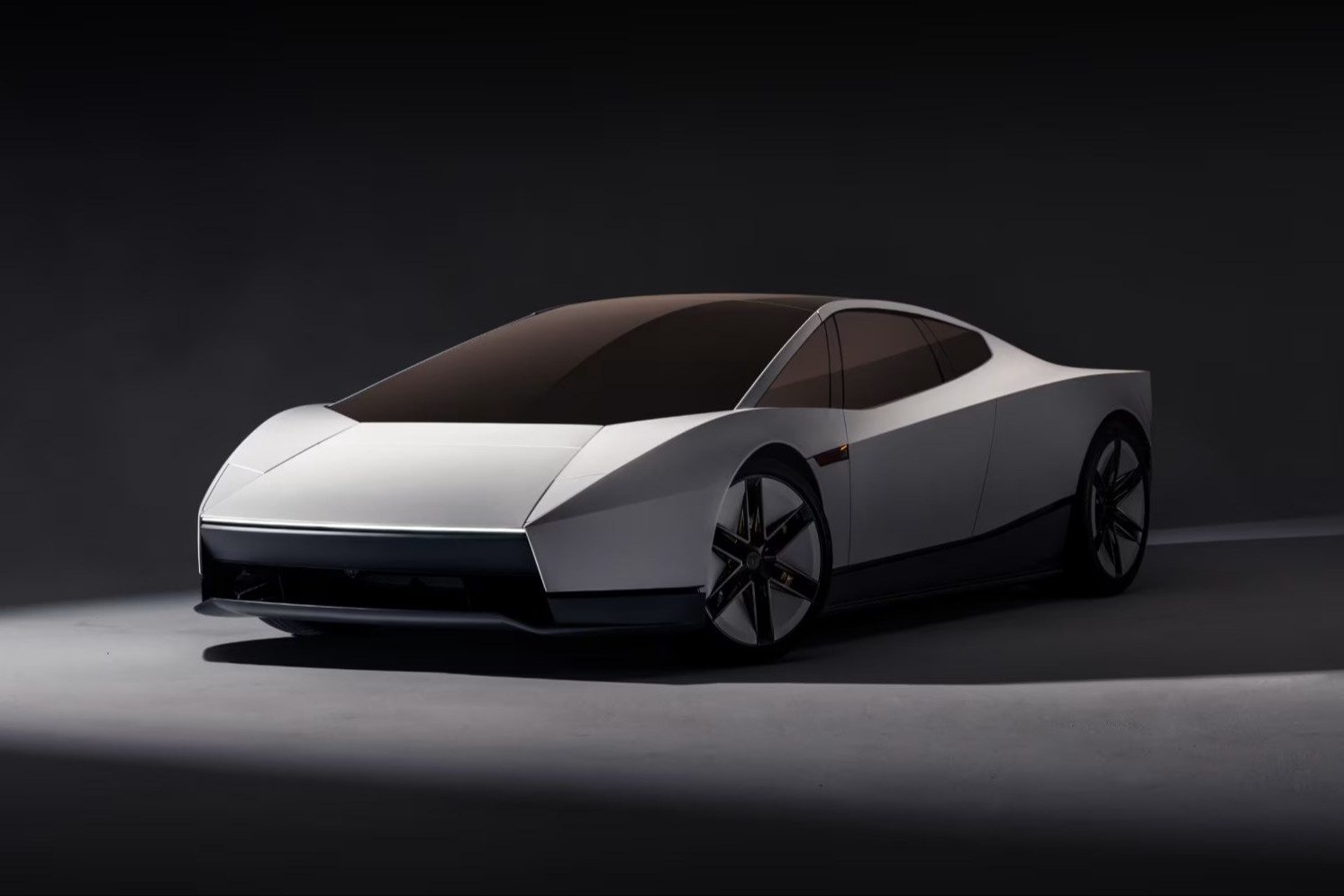
Why a Model 3 buyer should care about a shareholder vote
Because the shareholder meeting is the only room where the question could be asked, and this year nobody is asking it. Last year's ballot carried eight shareholder proposals, on everything from an xAI investment to child-labor audits. This year's, as filed, carries none. That could change; Tesla has already started filing additional materials, and supplemental proposals sometimes arrive before a meeting. But the absence tells you where the company's owners are focused, and it is not on whether the product keeps its driver.
Meanwhile the product is already moving. Tesla removed Basic Autopilot from new orders in January and made the driving-assistance stack a paid feature. Cybercab carries paying riders in Austin with no wheel to grab. The Roadster that was shown on October 15 is a 2028 car with no confirmed price, and The Drive's reading of the reservation agreement found Tesla cannot guarantee when, or whether, it will be delivered. What is missing is any mechanism by which the people financing those decisions, with a Model 3 or Model Y, get to weigh in.
I'd argue that is the real content of this proxy for a car buyer. You are not a shareholder, so nobody is asking you. The shareholders are being asked, but only whether they like the three people on the slate. Between the two sits the question with the longest tail: when does a Model 3 or Model Y stop being a car you drive? The filing's answer is that the board decides, the CEO sets the direction, and the owners ratify the people rather than the path.
The strongest objection
The fair pushback is that this is how public companies work, and that a proxy is not the place for product strategy. Shareholders elect directors precisely so that directors can make product calls; nobody voted on the Model Y either.
I accept most of that. Where it breaks down is scale. Dropping a trim level is a product call. Telling the market that the company's entire future lineup, save one sports car that takes deposits of up to $250,000, will not be designed for a human driver is a change in what the company is. Tesla's own proxy treats autonomy as the achievement of the year; it just does not treat the end of human driving as a decision anyone outside the boardroom needs to be consulted on. Regulators will have a say on the hardware, and NHTSA is already asking questions about how the software behaves. But "when do the cars lose their wheels" is a question Tesla has chosen to answer by implication, one product at a time.
What I would take from it
If you own or are shopping for a Model 3 or Model Y, treat December 3 as a date, not a decision. Nothing on the ballot changes your car. What it does is lock in, for three years, the people who will make the changes, without a single line asking whether the announced direction is the one shareholders want. We do not know when a wheel-less Model 3 or Model Y arrives, or whether one ever does; Tesla has published no roadmap, and regulatory exemptions for cars without controls are still granted case by case. We also do not know whether late shareholder proposals will surface before the meeting. What we know is that the company asked its owners to renew the leadership and said nothing about the destination. For the rest of us, that silence is the most useful thing in the filing.