Musk Says the Roadster Is Tesla's Last Car for Human Drivers. Take Him at His Word
Musk has now said it twice, to investors and to customers. For the people who own the other two million Teslas a year, the barrel roll was the sideshow.
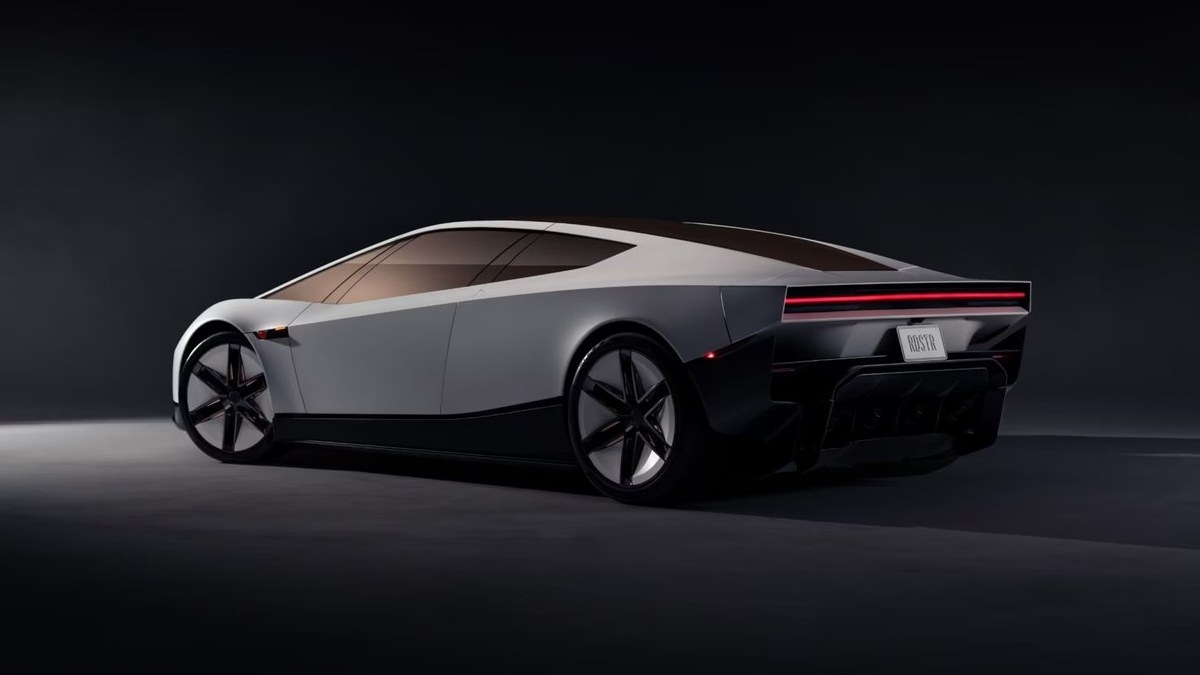
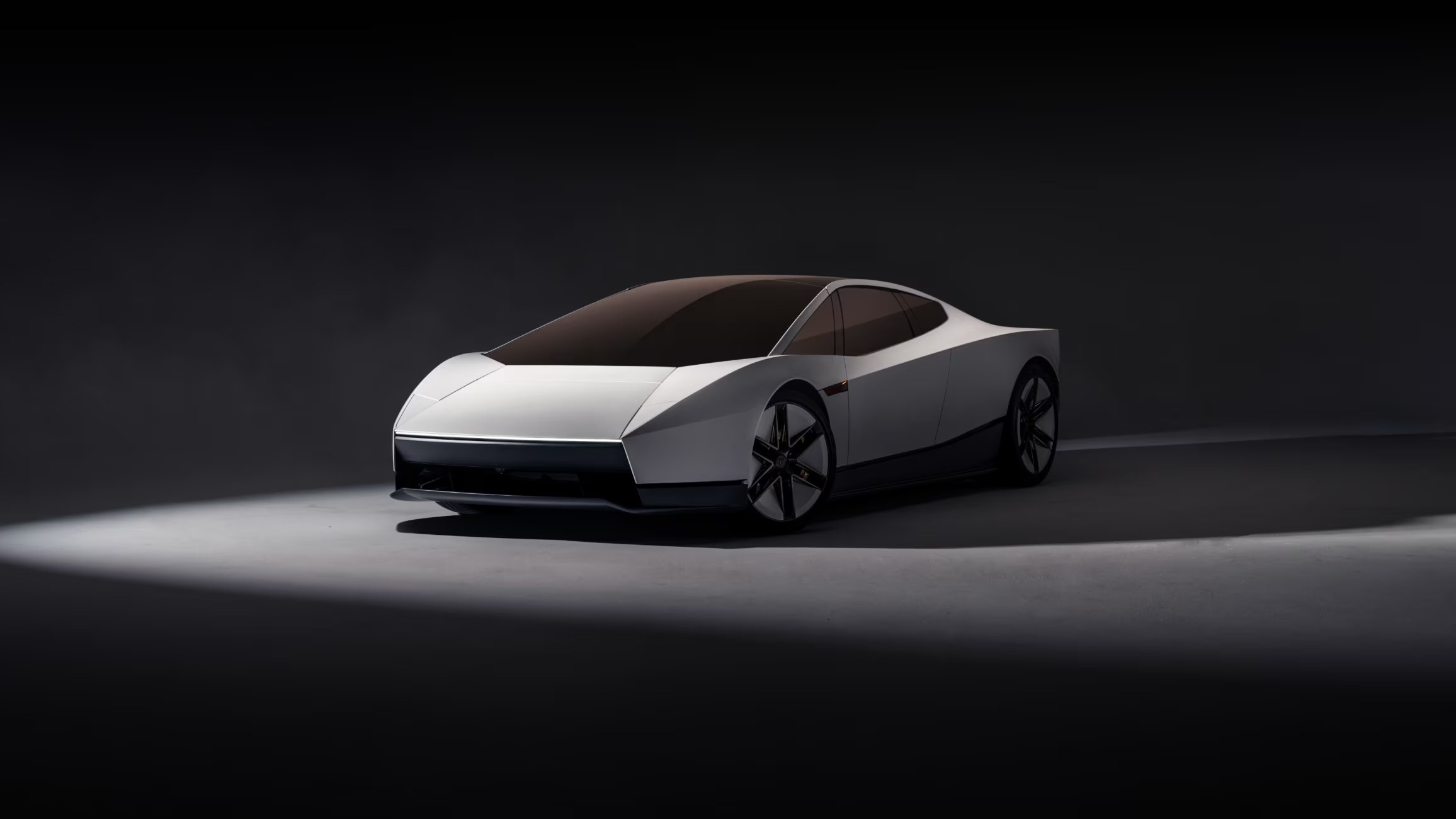
Strip away the thrusters, the barrel roll, and the Starman mannequin, and the most consequential thing Elon Musk said in McGregor, Texas, last Thursday night took about five seconds. The new Roadster, he told the crowd, "will actually be, long-term, the only manually driven car that Tesla makes." Then he moved on to the fun meter. I'd argue that sentence, not the 0.81-second sprint we covered on reveal night, is the real headline, and that every current and prospective Model 3 or Model Y owner should take him at his word.
This was not a stage ad-lib. Musk said the same thing, almost verbatim, on Tesla's first-quarter earnings call on April 22: in the long run, the only manually driven car would be the new Roadster, with the rest of the lineup becoming autonomous vehicles of different sizes. When a CEO says a thing twice, on the record, to investors and then to customers, it stops being a vision and becomes a product plan.
The plan is already visible on the order page
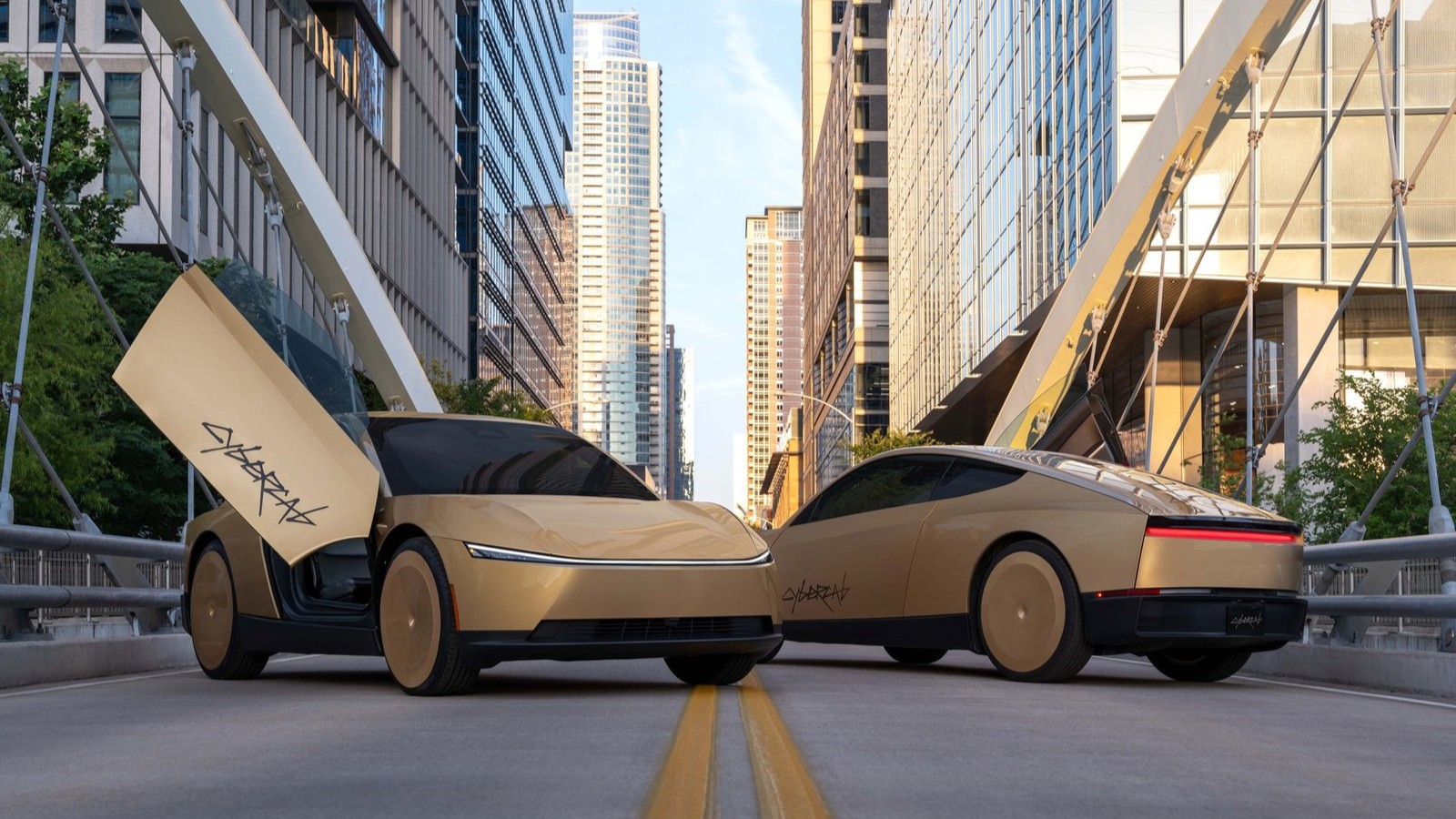
Look at what Tesla has done in 2026 rather than what it has promised. In January, Musk closed the Model S and Model X programs with what he called an "honorable discharge" and handed their Fremont line to Optimus. On January 23, Basic Autopilot disappeared from new orders in North America; a new Model 3 or Model Y now leaves the factory with cruise control, and lane centering lives behind the $99-a-month Full Self-Driving subscription, as our guide to what Tesla buyers actually get lays out. The one-time purchase option ended in February. Since September 4, anyone in Austin can hail a Cybercab, a production car with no steering wheel, no pedals, and no mirrors.
Read those four moves together and the Roadster statement is not a prediction. It is the last piece of a sequence that has been running all year: fewer cars for humans, more subscriptions for the humans who still drive, and a robotaxi for everyone else.
What it means if you own a Model 3 or Model Y today
Here is the uncomfortable part. Tesla has not said when, or whether, it will stop selling a Model 3 or Model Y with a wheel. It has not published a roadmap, and my bet is it will not, because the answer depends on regulators and on software that still ships with "Supervised" in its name. But the long-term intent is now explicit, and intent moves used-car markets long before product does.
Think about who buys a three-year-old Model Y in 2029. If Tesla's own message is that human driving is a legacy mode, the car you are selling is, by the manufacturer's framing, the second-to-last generation of a dying format. That is not a reason to panic; Model 3 and Model Y are the bulk of Tesla's volume, and the company cannot afford to strand them. It is a reason to stop assuming Tesla residuals behave like Toyota residuals. A brand that calls its driver-operated cars a transitional category should not expect the market to pay a premium for them.
The second-order question is repair. The Roadster steers, brakes, and accelerates by wire, and the interior Tesla showed has a yoke, a screen, and little else. That is the direction of the whole lineup. A car whose driver controls are a software layer is a car whose driver controls can be changed, gated, or removed with an update. The Autopilot story of 2026 is the proof: nothing was taken from cars already on the road, but what a new car includes changed overnight. Right-to-repair for a by-wire Tesla is not about brake pads. It is about whether the owner, or Tesla, decides what the pedals do.
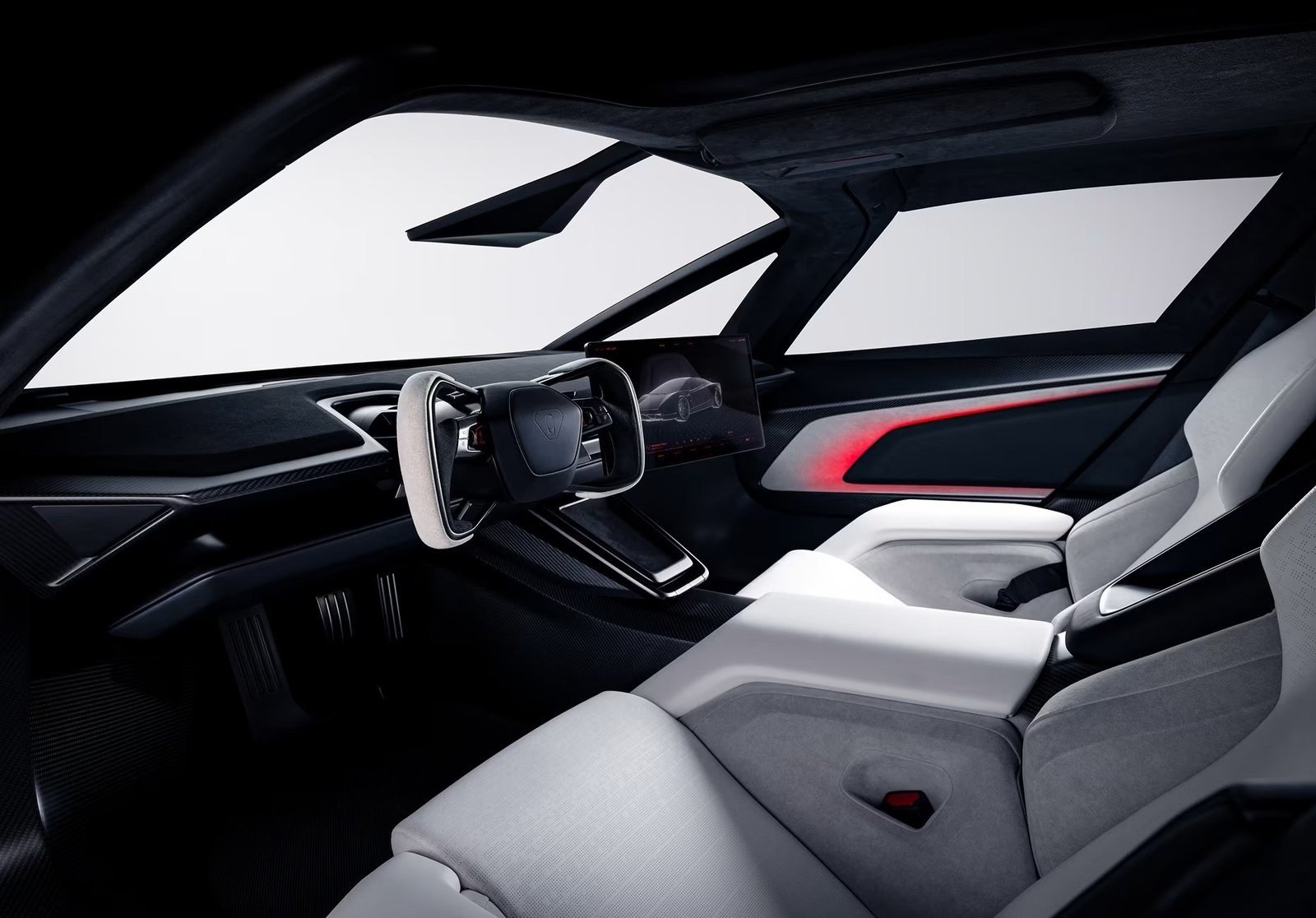
The Roadster itself is not a safe harbor either
If you are tempted to read "the last Tesla you can drive" as a collector's pitch, read the reservation agreement first. As The Drive reported from the document, Tesla says it cannot guarantee when the car will be delivered, or whether it will be delivered at all, and it cannot confirm a price. Production is penciled in for 2028. The show cars ran autonomously, with no one aboard. What strikes me is that Tesla's one remaining human-driven car has so far been demonstrated exclusively without a human driving it.
And we do not know whether the production car keeps the yoke we saw in the show car, or whether "manually driven" in Musk's usage simply means "not a robotaxi." Those are two different promises. One is a car with a wheel. The other is a car that will let you steer until it decides it would rather not.
The case against taking him literally
The strongest objection is Musk's own track record with "long term." The original Roadster was promised for 2020 and is now a 2028 car. Unsupervised FSD for private owners has been a year away for a decade. Removing the wheel from a mass-market car requires a federal exemption or a rule change, and NHTSA is still auditing how Tesla certified the Cybercab, as our explainer on that audit covers. On this reading, the Model 3 and Model Y will have wheels for most of the next decade, whatever was said in McGregor, and the statement is marketing for a $50,000 deposit.
I think that objection is right about the calendar and wrong about the conclusion. The timeline will slip; the direction will not. Tesla has already shown that it does not need to remove hardware to change what a car is. It only needs to change what the hardware is allowed to do, and it has done that twice this year without touching a bolt.
What I would do with that information
If you own a Model 3 or Model Y, keep it, enjoy it, and price its future with the wheel's future in mind. If you are shopping for one, buy it as a car, not as an asset, and understand that the features you pay for monthly are the features Tesla intends to make the whole product. If you are wiring $50,000 to Tesla for a Roadster, you are buying the only seat that still has a wheel in front of it, under a contract that promises neither the seat nor the wheel.
Musk told us which Tesla will be the last one for drivers. The more useful thing he told us is that every other one is on the clock.