Volvo Wrote Down $111 Million in CAFE Credits. Who Else Loses When the Fine Is Zero?
Volvo's $111 million write-down, Tesla's shrinking credit sales, and Stellantis' stranded purchase contracts show who paid for a zero CAFE fine — and which cars it puts at risk.
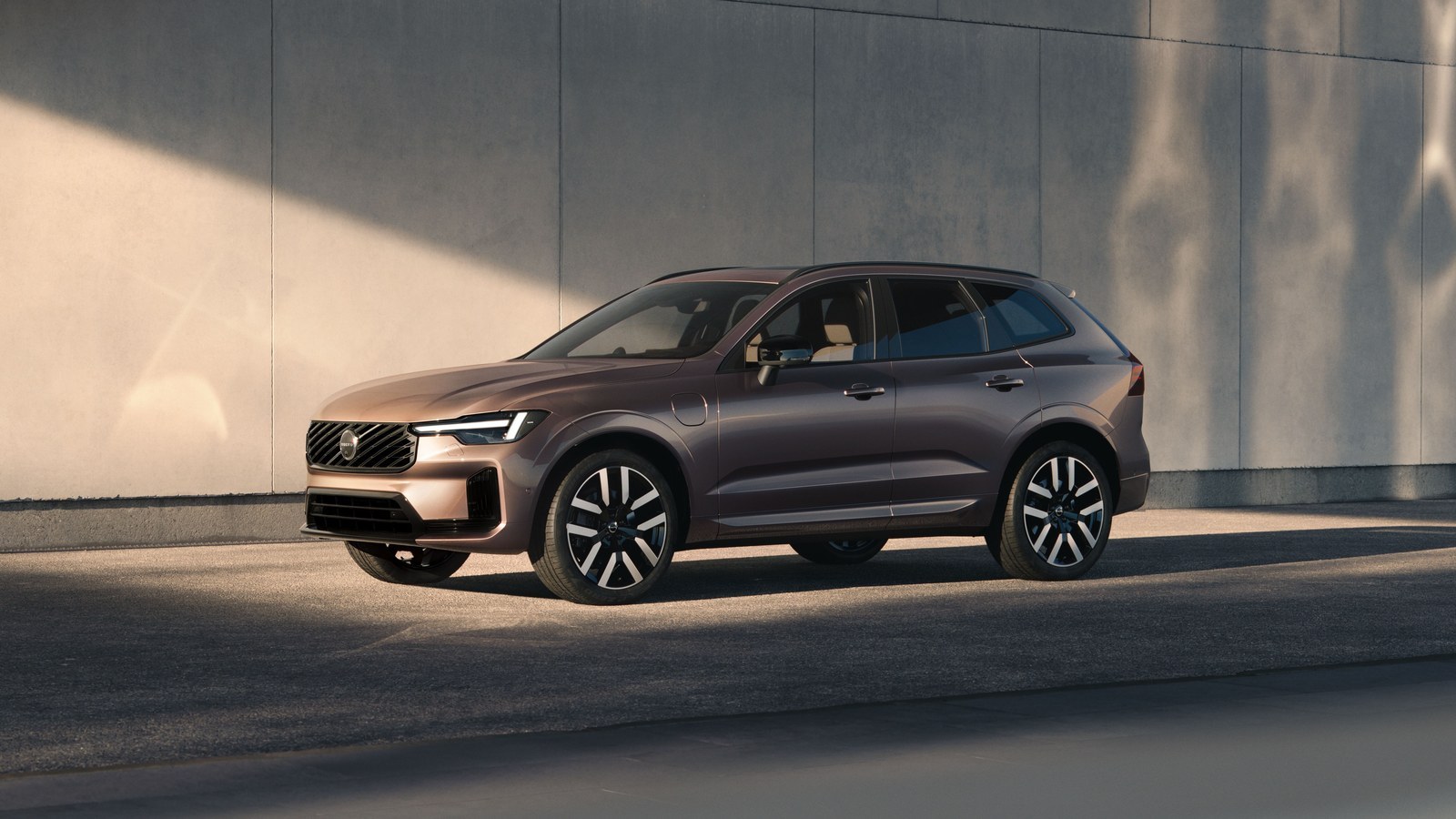
Volvo Cars cut the value of its stockpile of US fuel-economy credits by SEK 1.1 billion, about $111 million, in the third quarter. It puts a fresh number on what happened when Washington set the penalty for missing Corporate Average Fuel Economy (CAFE) targets to zero: credits that rivals used to buy to avoid fines lost most of their reason to exist.
Volvo is not the only company exposed. The credit market had sellers, buyers, and holders, and each is now finding out what the change cost or saved. The rules themselves are covered in our explainer on the new CAFE standards; this is about the money and what it does to the cars on sale.
How a fine of zero broke a market
CAFE sets a sales-weighted fuel-economy target for each automaker's fleet. A company that beats it earns credits. A company that falls short can buy credits from someone else or pay a civil penalty. For years, that penalty put a floor under the price of credits, and EV makers such as Tesla sold their surplus to automakers whose lineups leaned on trucks and V8s.
Two changes removed that floor. Section 40006 of the One Big Beautiful Bill Act, signed July 4, 2025, reset the CAFE civil penalty to $0. Then NHTSA's final rule for model years 2022 through 2031, published in the Federal Register on September 30, 2026 (docket NHTSA-2025-0491), rewrote the standards back to 2022 and ends credit trading starting with the 2028 model year. Credits earned through 2027 can still change hands. With no fine to avoid, though, few automakers have a reason to pay for them.
That is why Volvo calls the change retroactive. Its third-quarter report says CAFE changes were enacted during the quarter with retroactive effect, and that it recorded a net-realizable-value adjustment that reduced its inventory of emission credits. The hit was booked against revenue. Volvo did not say which provision triggered it or how much of the inventory is left, so we can't say the credits are now worth nothing. As our report on Volvo's third quarter notes, the charge landed in a quarter when the company was already losing money in America.
The seller: Tesla's credit line is shrinking fast
Tesla has long been the best-known seller, and its filings show the decline quarter by quarter. Automotive regulatory credit revenue fell to $113 million in the third quarter from $417 million a year earlier, according to its third-quarter 10-Q. For the first nine months, the total was $639 million, down 56% from $1,451 million.
The more telling line is in the notes. Tesla says that during the quarter it reversed $475 million of credit revenue for the contractual return of previously delivered credits. In other words, at least some buyers had contracts that let them hand credits back, and they did. Tesla does not name them or say which program the returned credits came from.
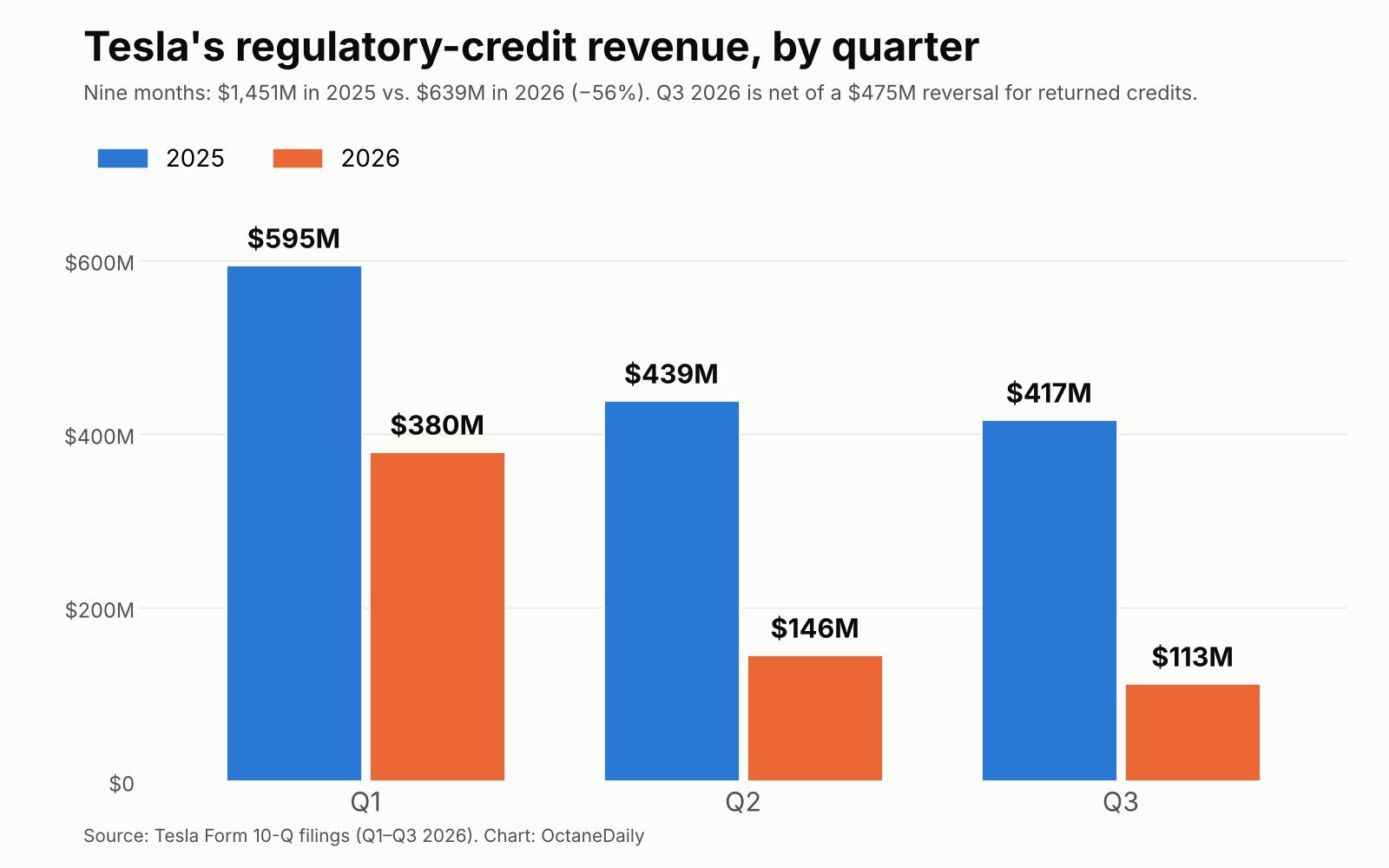
One caution: Tesla's credit revenue mixes several programs, including federal fuel-economy and greenhouse-gas rules and state zero-emission-vehicle mandates. The EPA repealed federal vehicle greenhouse-gas standards in February 2026, so the CAFE change is not the only force at work. Tesla blames "governmental and regulatory actions," naming the new law in its annual report. Our read of Tesla's third quarter covers what the rest of the results mean for owners.
The buyer: Stellantis saved on fines but was stuck with contracts
Stellantis sits on the other side. It paid $235.5 million in CAFE penalties for the 2018 and 2019 model years and $156.6 million for 2016 and 2017, according to NHTSA records reported by Reuters in June 2023. General Motors paid $128.2 million for 2016 and 2017, its first CAFE fine.
When the penalty went to zero, Stellantis laid out the full ledger. Its first-half 2025 results list three items: it eliminated a CAFE provision of €844 million, impaired its regulatory-credit assets by €609 million, and booked €504 million for onerous contracts tied to commitments to buy CAFE credits. The net was a €269 million expense outside its adjusted operating income, partly offset by €172 million of credits that reduced prior-year fines. The winner of the zero fine still ended up paying, because it had already agreed to buy credits it no longer needed.
Who holds what, and what has changed in the lineup
| Automaker | Role in the credit market | Disclosed effect of the zero fine | Product changes since |
|---|---|---|---|
| Tesla | Seller | Credit revenue down 56% in the first nine months of 2026; $475 million reversed for returned credits in Q3 | No new lower-priced model announced; spending shifted to AI and robotics |
| Volvo | Holder of a credit inventory | SEK 1.1 billion (about $111 million) write-down in Q3 2026 | XC60 production in South Carolina from Q1 2027; long-range XC60 and XC90 plug-in hybrids coming to the US |
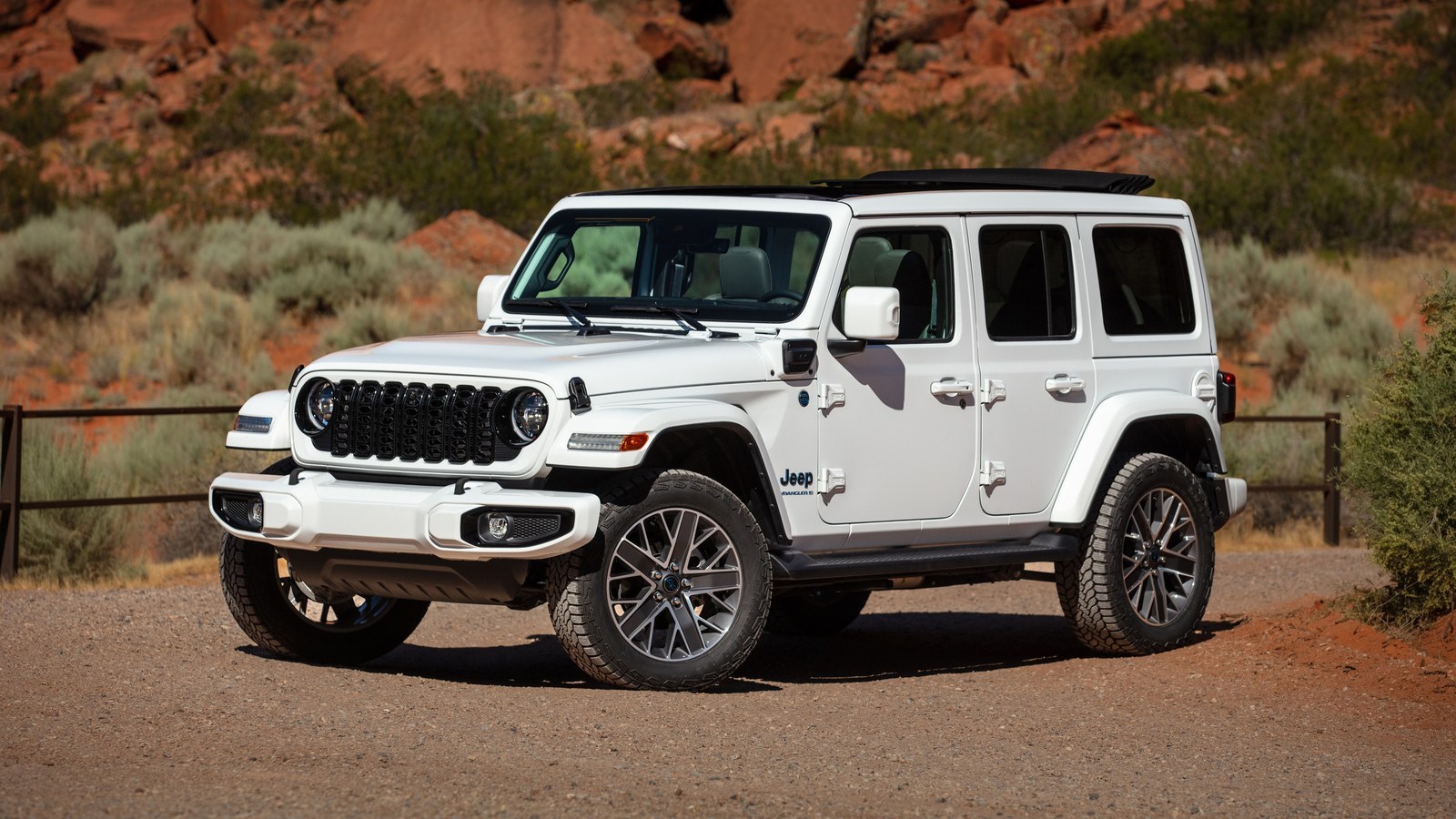
| Stellantis | Past penalty payer and credit buyer | €844 million provision eliminated; €609 million credit impairment; €504 million for purchase contracts (H1 2025) | North American plug-in hybrids phased out, including the Wrangler 4xe, Grand Cherokee 4xe, and Pacifica Hybrid |
| General Motors | Past penalty payer ($128.2 million, MY2016–17) | No CAFE item disclosed | $238 million EV realignment charge in Q3 2026, $3.59 billion so far this year |
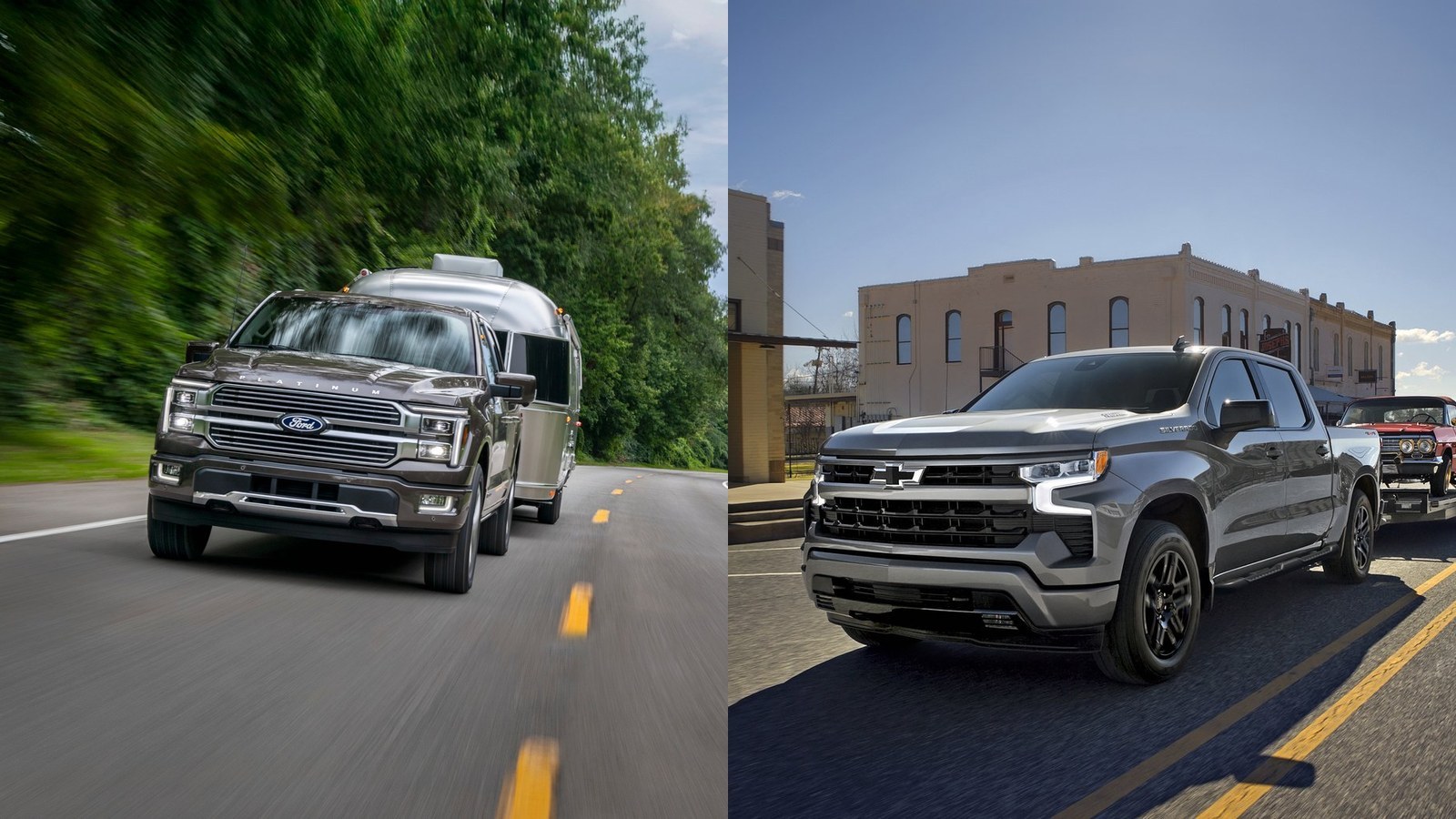
| Ford | TBA | TBA; third-quarter results not yet published | Battery-electric F-150 Lightning ended in December 2025; an extended-range version is next |
| Toyota | Not disclosed | No CAFE item disclosed | Camry, RAV4, and 2027 Lexus NX sold only as hybrids or plug-in hybrids |
The roles reflect what each company has disclosed, not a full map of the market. Credit contracts are private, and most automakers do not report their positions.
What it does to the cars you can buy
Here the evidence points in two directions, and the split is the point.
Plug-in hybrids and low-volume EVs that existed largely to pull a fleet average up have lost a reason to exist. Stellantis says it ended its North American plug-ins because customer demand shifted, and Electrive reported the company also pointed to regulatory requirements. The Wrangler 4xe had been America's best-selling plug-in hybrid, as our look at the 4xe's exit details, and the end of the $7,500 tax credit hit the same cars. The zero fine was not the only cause, but it removed the backstop.
Hybrids are a different case, because buyers pay for them on their own merits. Regular gasoline averaged $4.30 a gallon nationally on October 24, according to AAA. Toyota has made its two biggest nameplates hybrid-only while Camry sales are rising, a move we traced model by model. No regulator forced that. Volvo, which just took a write-down, is still bringing long-range plug-in hybrids to the US, a sign it expects buyers rather than regulators to pay for them.
In my view, the zero penalty doesn't end the hybrid. It ends the compliance car: the electrified model built in modest numbers so the rest of the lineup could stay thirsty. Those cars were always paid for partly by fines that no longer exist. The electrified models that survive will be the ones shoppers choose at $4.30 gas, and I'd expect fewer plug-in hybrids and more conventional hybrids in the next few model years.
What we don't know
- The price and terms of credit contracts. They are confidential, and no automaker has published what it paid or received per credit.
- Whether other automakers have revalued their credits. Only Volvo and Stellantis have disclosed amounts; silence is not the same as no exposure.
- Which Tesla buyers returned credits, and from which program.
- How much is left on Volvo's books after the write-down.
- Whether the final rule survives legal challenge. California and 20 other states opposed the proposal, and the rule takes effect November 30.
We'll update the table as Ford, Stellantis, Rivian, and Lucid report their third quarters.