Unsupervised FSD Slips to 2027. What Tesla's Q3 Means If You Own One
Profit fell 43% and R&D jumped 69%, while unsupervised driving for owners' cars slipped to around mid-2027. Here is what that means for FSD and Model Y prices.
Tesla earned $787 million in the third quarter, 43% less than a year ago, on revenue that barely moved at $28.05 billion. In the same three months it spent $2.76 billion on research and development, up 69%, and told investors the first customer-owned cars might drive without supervision around the second quarter of 2027. That is two quarters later than the date Elon Musk floated in April.
Shareholders will argue about the stock. If you drive a Tesla, or are about to buy one, the October 21 shareholder update and the call that followed answer three more practical questions: what your Full Self-Driving subscription is actually buying, where the money is going, and whether a Model Y will get cheaper this winter. If you are still sorting out which features come standard now, start with our guide to what Tesla buyers actually get without Autopilot.
The quarter in owner terms
The car business held up better than the profit line suggests. Tesla delivered 486,532 vehicles, down about 2%, according to its October 2 production and deliveries report; the Model 3 and Model Y accounted for 478,237 of them. Automotive revenue slipped 3% to $20.6 billion. Gross margin on cars, excluding the regulatory credits Tesla sells to other automakers, rose to 18.1% from 15.4% a year earlier.
What shrank the profit was spending. Operating expenses climbed 39% to $4.78 billion, and operating margin fell to 2.6% from 5.8%. Regulatory credit income, once a reliable cushion, dropped 73% to $113 million. A $288 million paper gain on Tesla's bitcoin holdings is included in the $787 million; without it, the quarter would look thinner still.
1. FSD stays supervised into 2027, and maybe beyond
Asked on the call when unsupervised driving reaches customer cars, Ashok Elluswamy, who runs Tesla's AI software, said the company suspects it can switch on "some of the first customer vehicles" around the second quarter of next year, according to a transcript of the call. He added that those cars would first have to be brought into Tesla's geofenced service areas and fleet-management system, the same software the Model Y and Cybercab Robotaxis use.
Read that carefully. It is not a date for the fleet, and it is not a promise for every city. It describes a first group of owners, inside zones Tesla already maps for its Robotaxi service, which runs in six cities today. Musk said in April that unsupervised driving for consumer cars would "probably" come in the fourth quarter of 2026; before that, he had pointed to June 2025.
The people this hurts most are the ones who paid up front. Tesla stopped selling FSD outright on February 14, when the one-time price was $8,000; earlier buyers paid more. Those owners bought the promise of a car that drives itself. Today they own the same supervised system a new buyer rents for $99 a month, and Musk has said that monthly price will rise as the software improves. Tesla reports 1.74 million active FSD subscriptions, up 67%, a count it says includes those upfront purchases; CFO Vaibhav Taneja said half of the base is now on subscription.
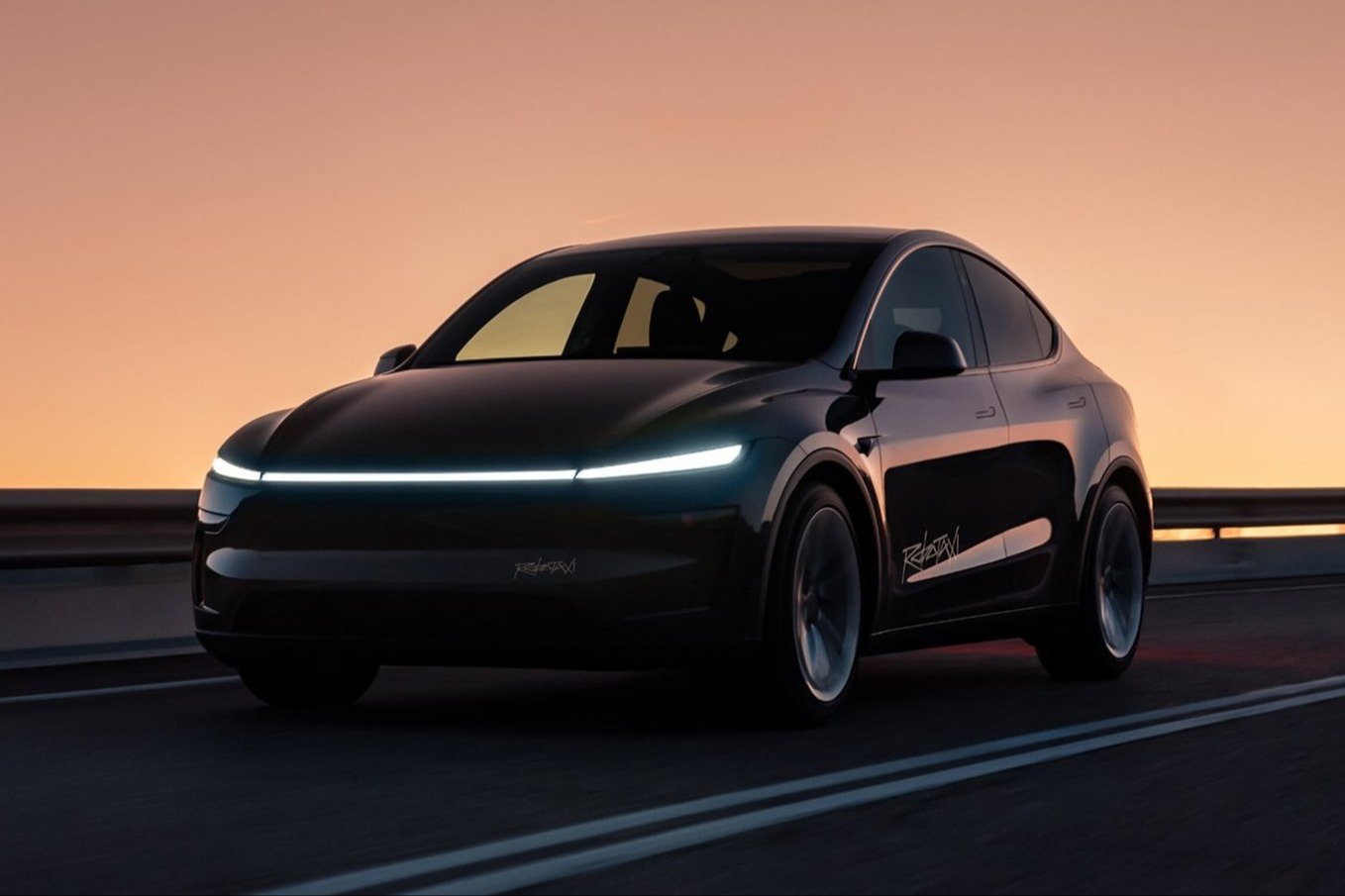
My advice to an owner is the boring one: value FSD for what it does this month, not for what it might do in a geofence in 2027. If you subscribe, the $99 is easy to cancel. If you bought it outright, nothing on this call changes what you already have.
2. The R&D money is going to robots, not to a cheaper car
Tesla attributes the jump in spending to its AI work and stock-based compensation, and the call made the priorities plain. Musk said reaching the planned output rate on the Optimus robot line in Fremont will take "at least a year," with deliveries to outside companies likely toward the end of 2027. Tesla cut its 2026 capital spending forecast to about $20 billion from more than $25 billion, but Taneja said capital spending will start to become more meaningful next year as its chip-making project ramps up.
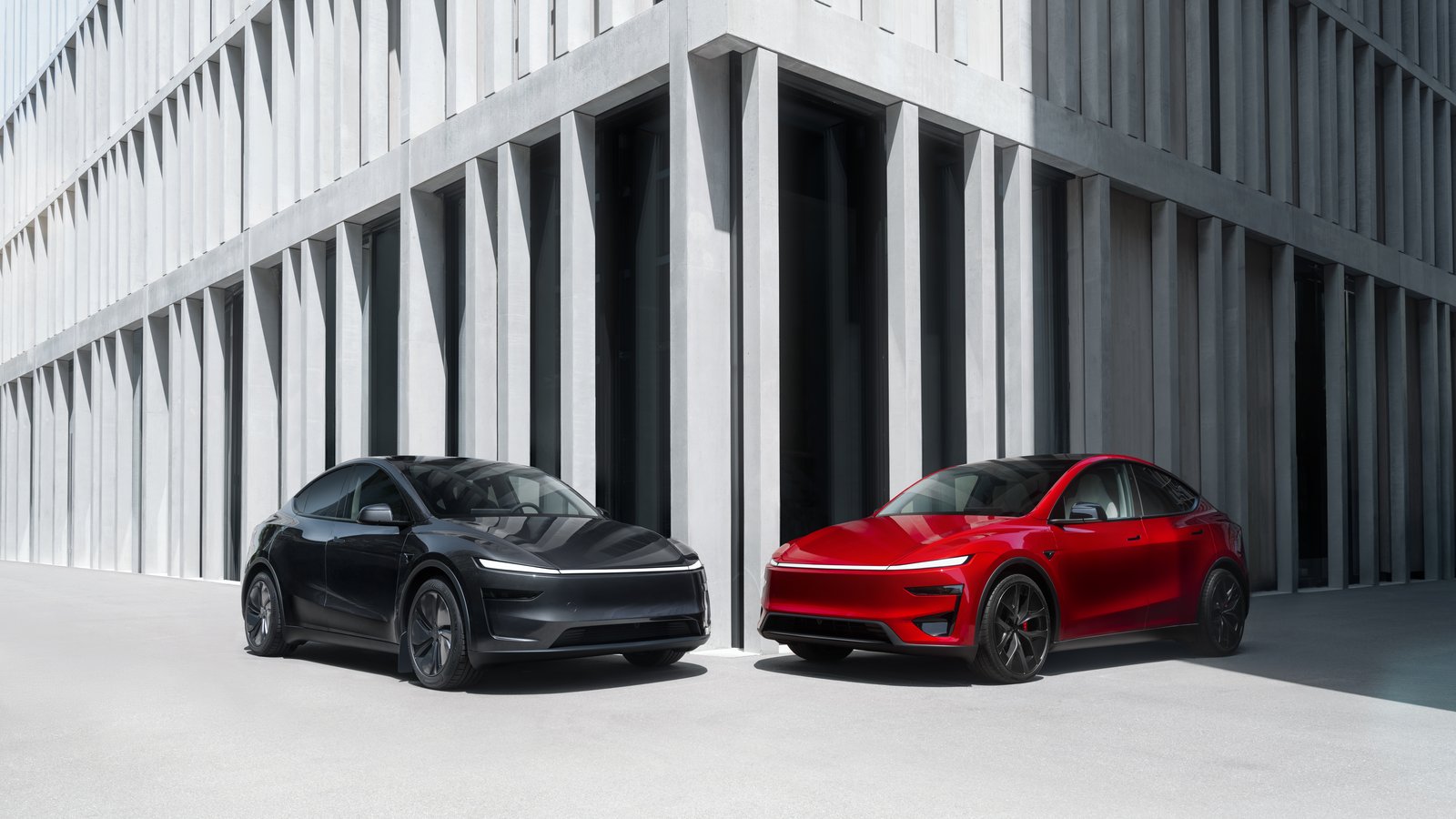
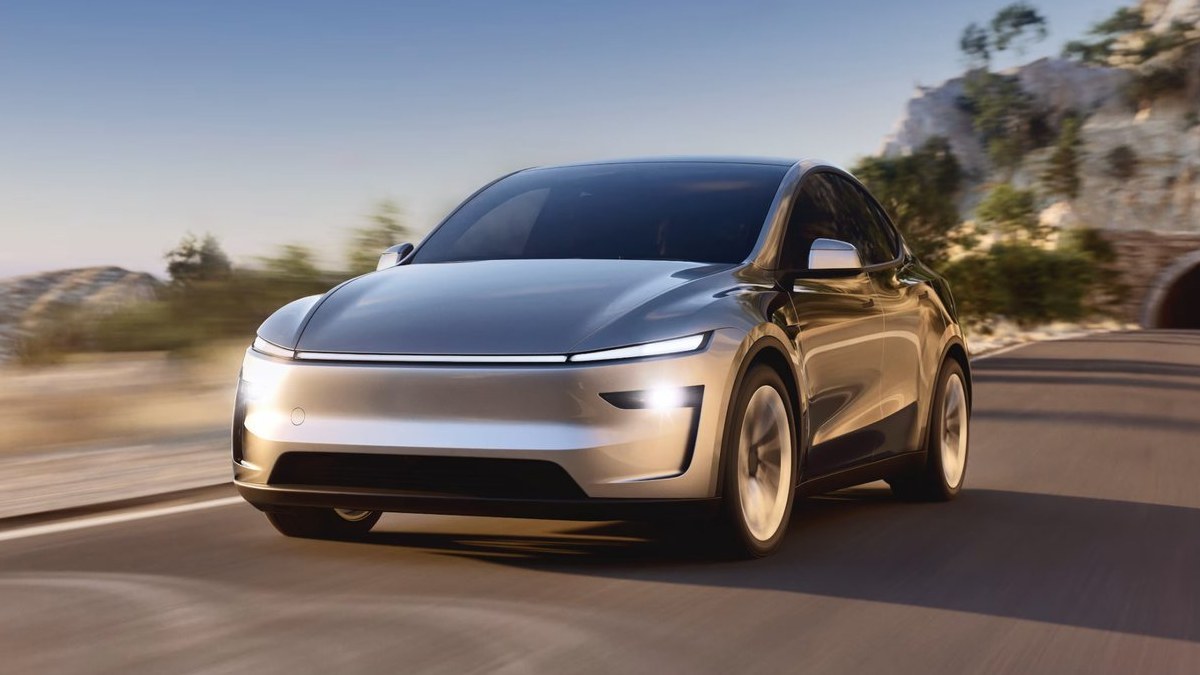
No new, cheaper car came up. The closest thing to an affordable Tesla remains the Standard trims of the Model 3 and Model Y added a year ago; the Model Y Standard lists at $39,990 before destination. The Cybercab, which entered the Austin Robotaxi fleet in September, is not a substitute. Musk described it on the call as transport as a service rather than "a car that you would want to own." Vehicle engineering chief Lars Moravy said Tesla is trying to get Cybercabs to customers by the end of 2026, but nobody said who those customers are or what one would cost.
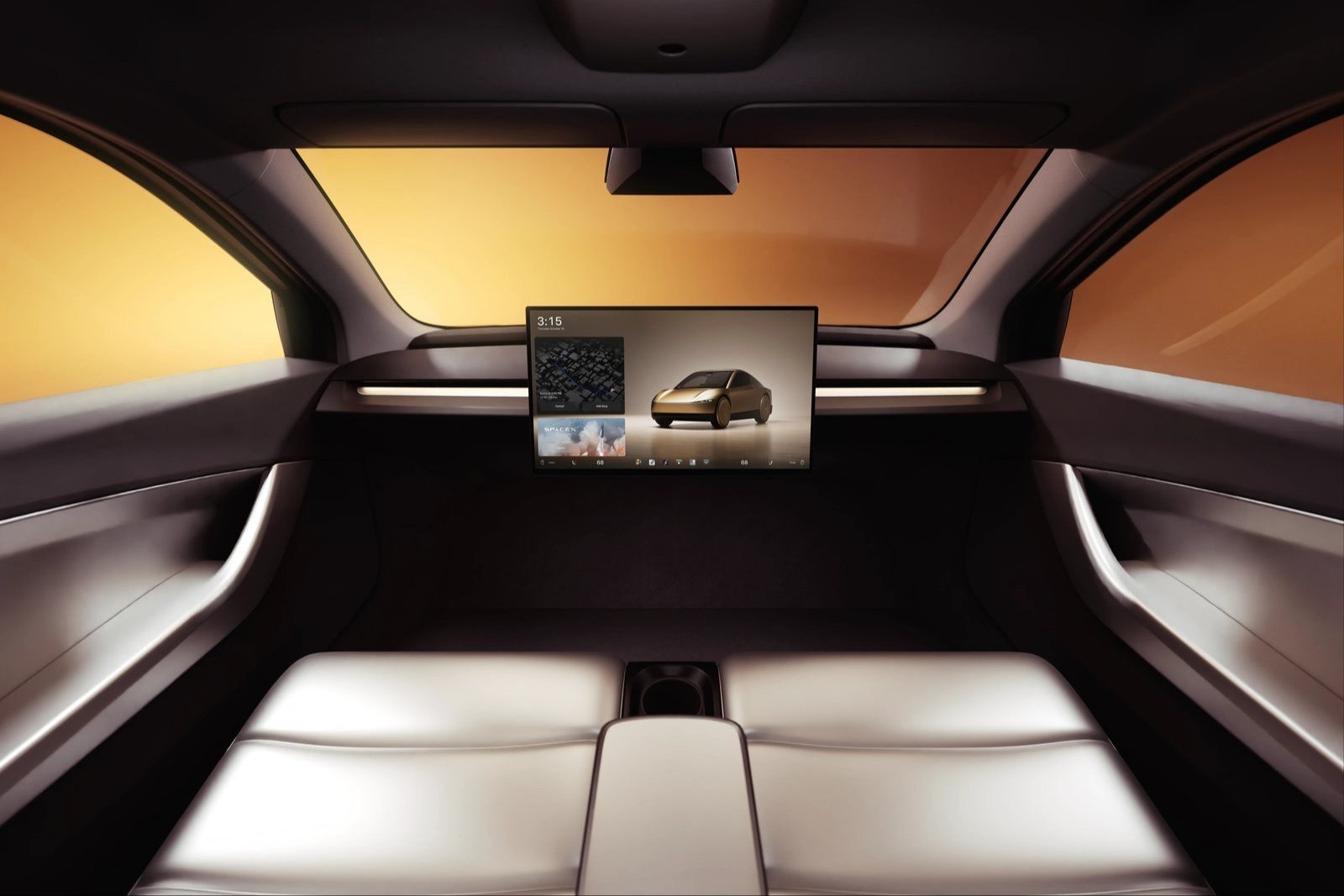
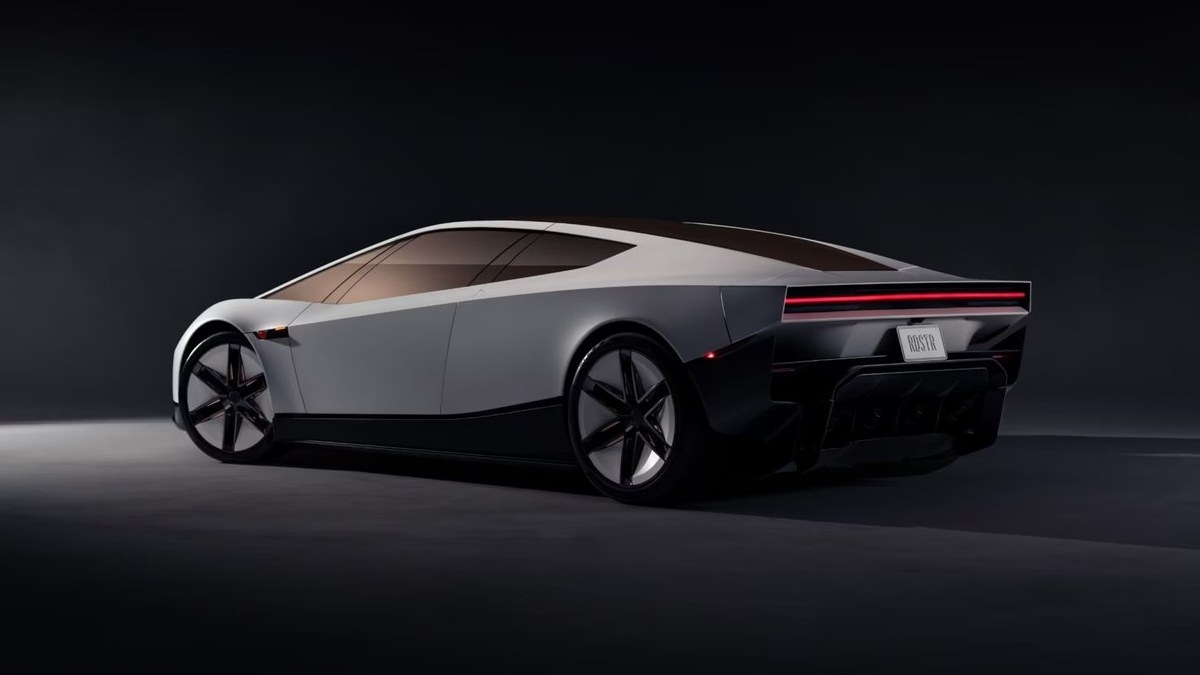
I'd argue this is the clearest reading of the quarter. A company that spends 69% more on R&D while its car revenue shrinks is not hiding where its future lies. Musk has already said the new Roadster will eventually be the only Tesla built for human drivers, a point we made in our column on the Roadster reveal. Nothing on Wednesday's call softened that.
3. Should you wait for a Model Y discount this winter?
The numbers argue against holding out for a big sticker cut. Tesla ended the quarter with 11 days of vehicle supply, down from 15 at the end of the second quarter, and Taneja said the automotive business exited the quarter with its highest backlog. Car margins, excluding credits, improved both from a year ago and from the second quarter. Automakers with short inventory and improving margins rarely slash prices.
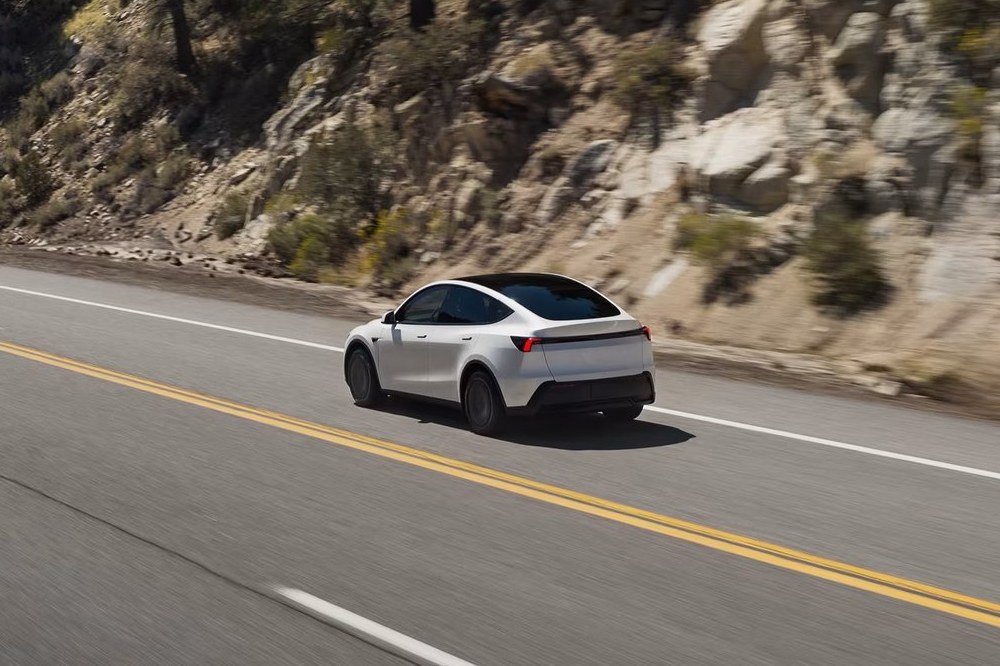
Tesla's update does cite lower average selling prices, which most likely reflects more buyers choosing the cheaper Standard trims, not across-the-board cuts. In my view, the winter lever to watch is financing and lease offers rather than MSRP. The Model Y also faces stiffer competition than its sales suggest: it still took an estimated 38% of U.S. EV sales in the third quarter, as our Q3 best-sellers breakdown shows, while Hyundai has cut Ioniq 5 stickers by up to $9,800. Before you sign, run the numbers in our Model Y vs. Ioniq 5 comparison.
What Tesla promised, then and now
| Item | Said on the Oct. 21, 2026, call | Said on the Oct. 22, 2025, call |
|---|---|---|
| Unsupervised FSD on owners' cars | Around Q2 2027, starting with some customer cars inside Tesla's geofenced areas | Musk "100% confident" Tesla can sell it; no date (in April 2026: "probably" Q4 2026) |
| Robotaxi footprint | Six cities now; Cybercab service in Dallas next month; 24/7 operation and higher-speed roads by the end of 2026 | Robotaxi in 8 to 10 metro areas and no safety drivers in large parts of Austin by the end of 2025 |
| Cybercab | Built at the rate the Robotaxi fleet needs; goal of reaching customers by the end of 2026 | Production to start in Q2 2026, volume production in 2026 |
| Capital spending | About $20 billion in 2026, higher next year | No 2026 figure; guidance later set at more than $25 billion |
What we don't know
- Deliveries by model. Tesla reports only Model 3/Y combined and "other models," which fell to 8,295 after the Model S and Model X were discontinued.
- Roadster price and timing. Musk mentioned the October 15 demo on the call but gave no production date or price.
- A cheaper model. Tesla did not discuss any new affordable car, and it did not say whether the Cybercab will ever be sold to individuals.
- FSD pricing and older hardware. Nobody addressed a change to the $99 subscription or what unsupervised driving means for cars with older computers.
One more line for completeness: the update records a $142 million paper loss on Tesla's stake in SpaceX, and investor relations said Tesla would not take questions on a potential merger. The next formal checkpoint is the December 3 annual meeting, where, as our read of Tesla's proxy found, the ballot asks about directors, not about the plan. For owners, the plan is already visible in this quarter's spending.