Audi Says Screens Have Peaked: What the Return of Buttons Means for US Buyers
Audi's US product chief says touchscreens have peaked. Polestar, VW, and Hyundai are moving the same way, pushed by Euro NCAP's new scoring and owner complaints.
Audi's top product planner in the US says the screen race inside its cars is over. Filip Brabec, senior vice president of product management at Audi of America, told The Drive on November 11 that "we've again gone as far as we will possibly go" with touchscreens, and that more physical controls are coming to Audi cabins, including ones already on sale.
Audi isn't the first brand to say this, and the timing isn't random. Polestar has just shown a concept with eight physical controls under its center screen, Volkswagen and Hyundai have made similar commitments, and Europe's crash-test body now scores cars on whether basic functions work through a real switch. Here is what each company has actually said, why it's happening, and what American buyers can expect.
What Audi said
Brabec spoke on The Drive's Drivecast podcast. According to The Drive, he described the new Q7 and Q9 center consoles as a preview of where Audi's console design is going, and said the company will apply the same principles to its existing interiors in the near future. He mentioned more climate-control buttons and some door controls as part of that work, and called the roller controls on current Audi steering wheels a starting point rather than the end.
He did not name which models get the changes or give a date. In the same interview, published as a full transcript, Brabec also said Audi's next electrified models are coming "in a matter of months, not years," and that if Audi builds a new RS6 Avant globally, it will be sold in America. Neither statement came with specifics.
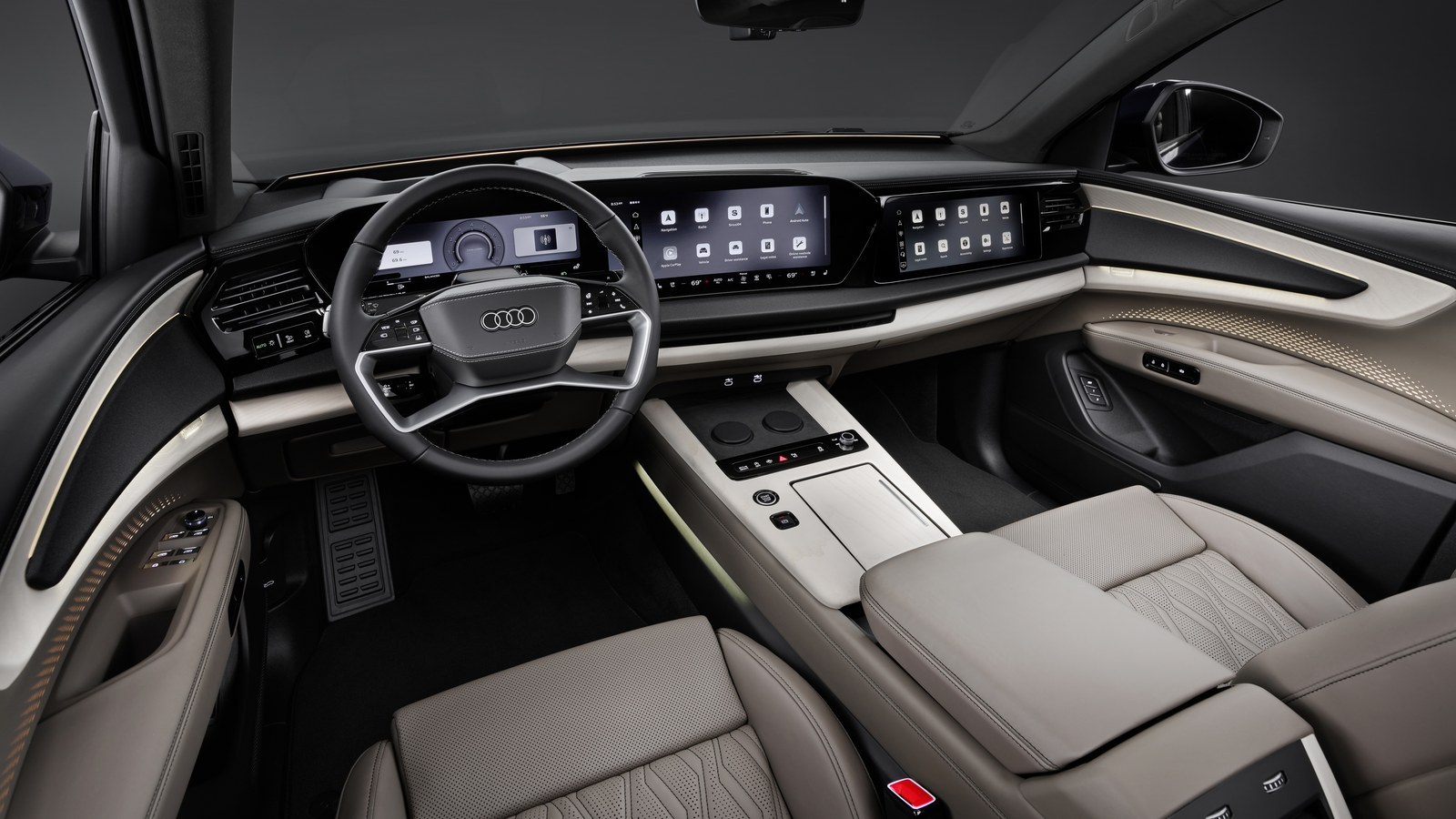
The consoles he pointed to are already in Audi of America's press materials. In the 2027 Q7, a slim black strip on the center console gathers the most important controls, according to Audi's June 9 release. Audi's Q9 press photos show the same layout: a row of physical switches that includes the hazard button, a rotary knob, and the start button, set below the wireless charging pads.
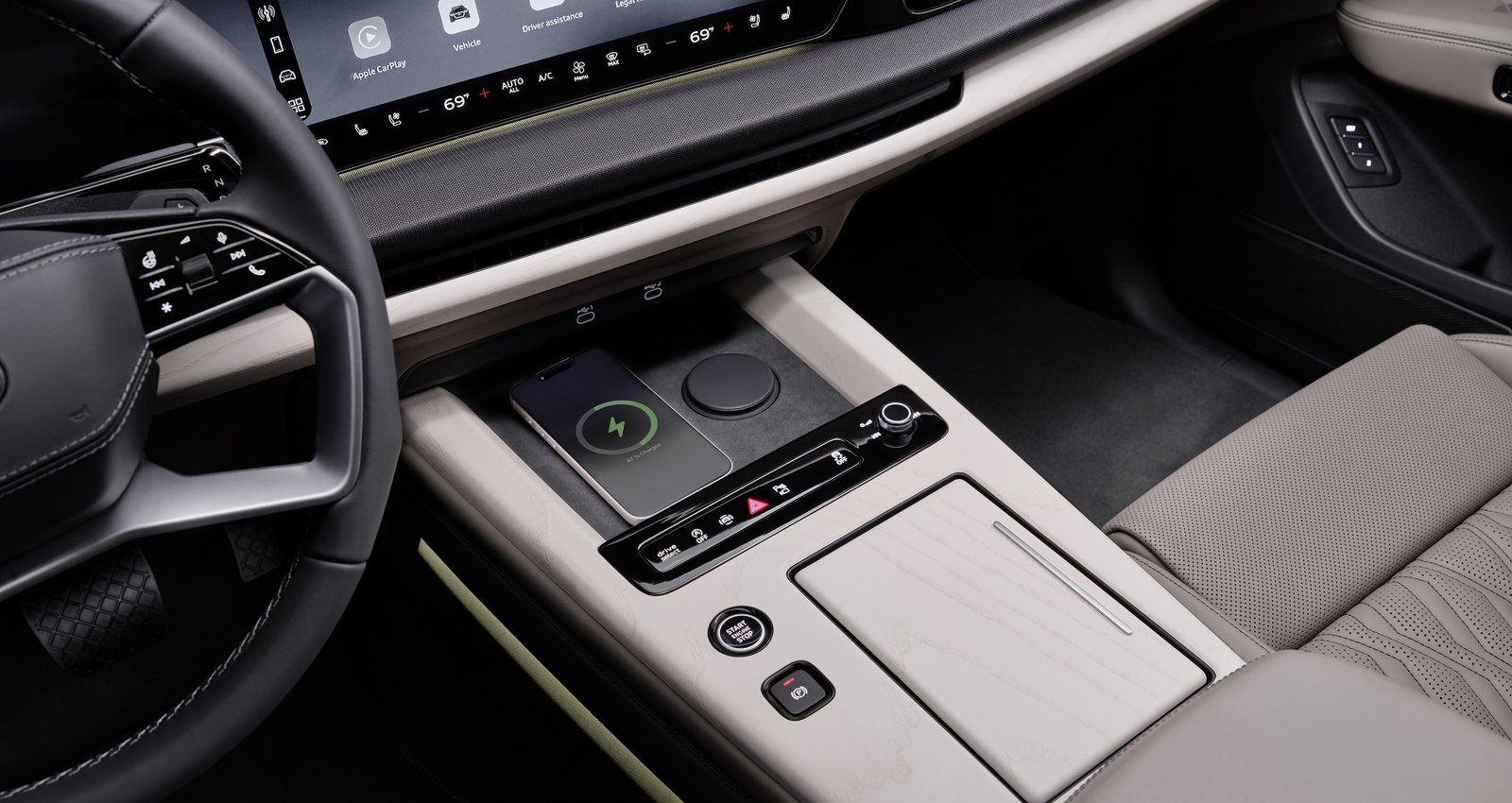
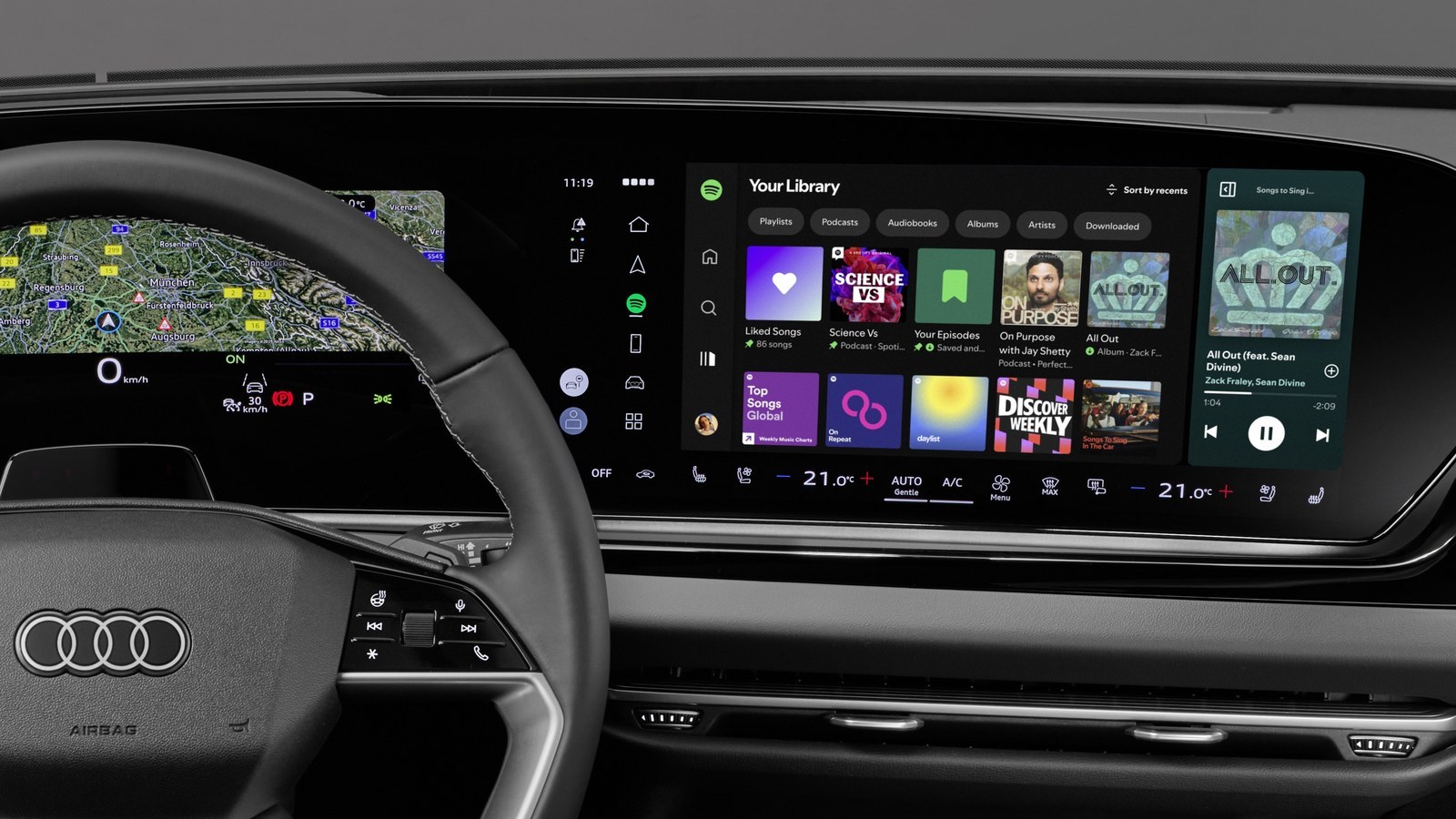
The Q9 is still screen-heavy overall. Audi lists an 11.9-inch driver display, a 14.5-inch central touchscreen, and a 12.3-inch passenger display, and says its air vents are adjusted electrically through the touch interface. That is the gap Brabec is describing: the hardware is starting to move back toward switches, but the dashboards haven't yet.
Who else is moving back to buttons
| Brand | What has changed | Source | US relevance |
|---|---|---|---|
| Audi | Console control strip in the new Q7 and Q9; more climate and door buttons promised for existing interiors | Audi of America releases (June and July 2026); Brabec interview with The Drive (Nov. 11) | Q7 and Q9 reach US dealers in Q4 2026; update timing for other models TBA |
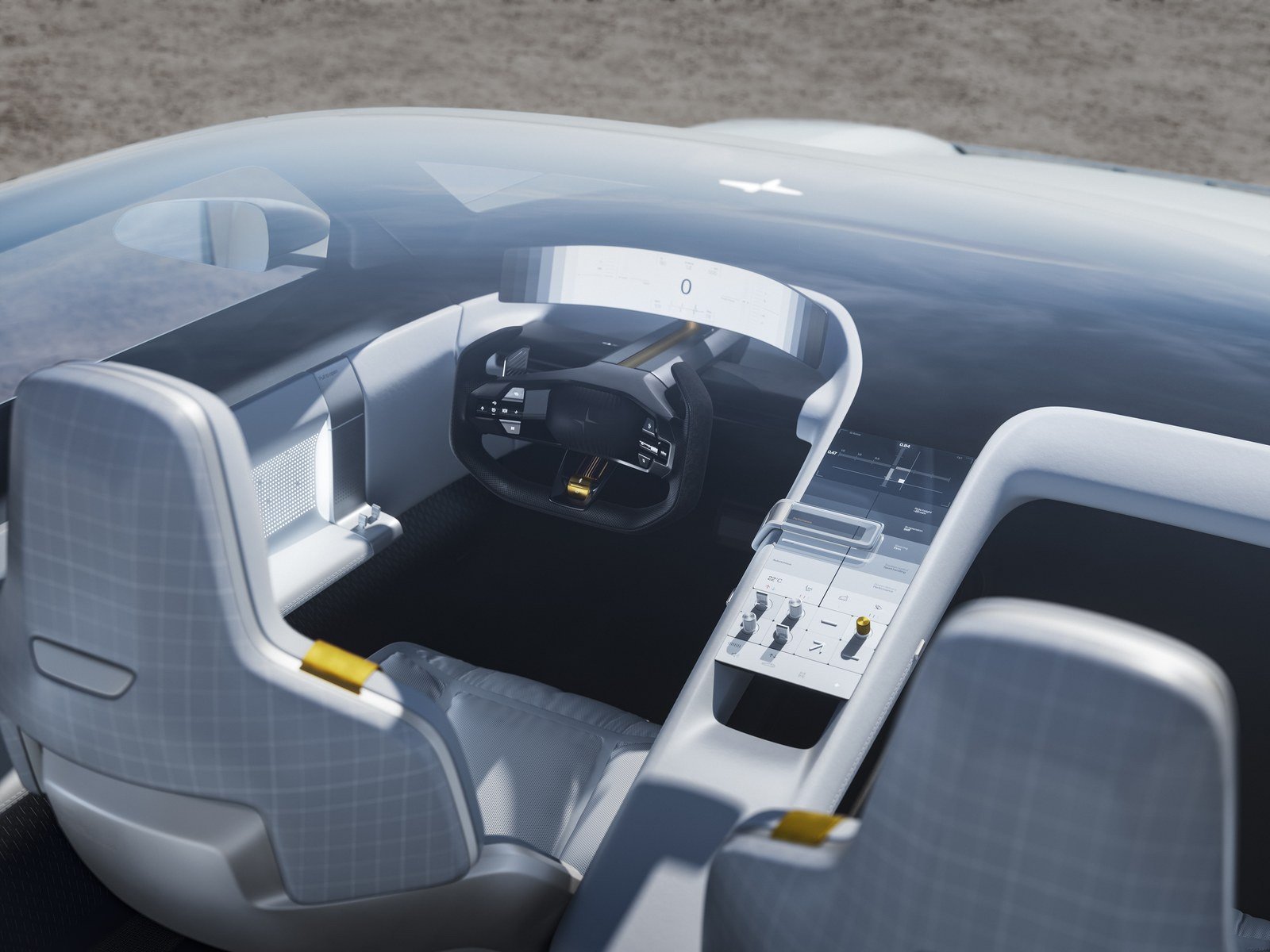
| Polestar | Formula 2030 concept has eight physical controls below the center screen, each configurable as a rocker switch or rotary knob | Polestar release (Nov. 10) | Concept only; Polestar can't sell model-year 2027 and newer vehicles in the US |
| Volkswagen | Physical steering-wheel buttons replace touch pads; the ID. Polo adds heating toggles and a volume knob | CEO Thomas Schäfer interview with Top Gear (March 2026) | ID. Polo is a European model; timing for US models TBA |
| Hyundai | Kept physical climate and audio controls rather than removing them | Design chief SangYup Lee to CarsGuide (2023) | Applies to current US models such as the Kona |
Polestar's case is the clearest break with its own past. Its current cars route almost everything through a central screen. On the Formula 2030, owners would choose whether each of the eight controls is a rocker or a knob and assign it to the functions they use most. Polestar says the concept's design points toward the next Polestar 2 and the Polestar 7, but American buyers won't get either car under the current federal ruling against the brand.
Volkswagen got here through criticism. Its touch-sensitive climate sliders and haptic steering-wheel pads drew steady complaints from owners and reviewers. Schäfer told Top Gear in March that door handles and buttons are "non-negotiable" for him, and pointed to the ID. Polo, a small European EV, as the first car built to that rule.
Hyundai never fully left. At the launch of the current Kona, design chief SangYup Lee told CarsGuide that safety-related controls "have to be a hard key," because drivers can find them by feel. He also said that could change once cars drive themselves.
Why it's happening now
The biggest push comes from Europe. Euro NCAP's 2026 Driver Engagement protocol, in effect for cars tested since January 2026, gives points only when the turn signals, hazard lights, horn, gear selector, and eCall emergency button work through what it calls a "direct physical input." The front wipers fall under the same rule in a separate vision category. A touch-menu control deeper than two steps never passes. Controls are worth 5 of the Driver Engagement protocol's 30 points, so a touch-only cabin won't sink a car by itself. But automakers chasing five stars can't easily give those points away.
Euro NCAP published its first results under the rule on October 12. The new Audi Q7 scored 100% for essential driving controls, while the XPeng X9, which relies on its central touchscreen, scored 20%. "We applaud Audi and Kia for taking a more common-sense approach," said Euro NCAP program director Aled Williams in the testing body's release.
Owners have been complaining too. In J.D. Power's 2026 U.S. Initial Quality Study, overall problems fell to 175 per 100 vehicles from 192, but infotainment was the only category where reported problems went up. Among owners who reported a distraction-related problem, 46% named the infotainment system or touchscreen as the source, and 18% named driver-assistance alerts. We broke down why infotainment now makes up a quarter of new-car complaints in September.
Not every idea points away from the screen. Bosch's recent patent application describes a fallback for failed brake-by-wire systems that puts an emergency stop button on the center touchscreen or the steering wheel, as we explained in our look at the Bosch touchscreen brake patent. Screens aren't going away. The question is which functions belong on them.
What US rules say
Nothing in federal law requires physical buttons. NHTSA's main guidance on in-car screens is a set of voluntary visual-manual distraction guidelines from 2013. They recommend that a driver's eyes leave the road for no more than two seconds at a time and 12 seconds in total for any task. Automakers aren't required to follow them.
NHTSA's own crash-test program, US NCAP, does not score controls. Neither of its two 2026 proposals, one adding rear automatic braking and one removing older rollover and side-airbag tests while updating the program's 10-year roadmap, addresses touchscreens or physical switches. So for now, US buyers get the button trend only because carmakers design one cabin for several markets, and Europe is where the incentive sits.
What American buyers will actually get
The first Audis with the new console layout are already arriving. Audi says the 2027 Q7 reaches US dealers in the fourth quarter of 2026 from $70,900, and the Q9 follows in the same quarter from $87,700, both before destination. The Euro NCAP score applies to the European Q7, but the US model shares the same generation and console design.
What remains unknown is the part Brabec promised: which existing Audi interiors get more physical climate and door controls, and when. Audi hasn't named models or model years, and it hasn't said whether the changes will come as running updates or with new generations. Volkswagen also hasn't said when its US models will get the full ID. Polo-style controls. Until those details are announced, the safest assumption for shoppers is that the change arrives one model at a time, starting with new or heavily updated vehicles.