RAV4 and CR-V Go Hybrid-Only: What's Left for Gas Compact SUV Buyers
Honda's next CR-V drops gas, like the RAV4 did. Seven rivals still list a gas compact SUV under $30,000, but none stays there once delivery is added.
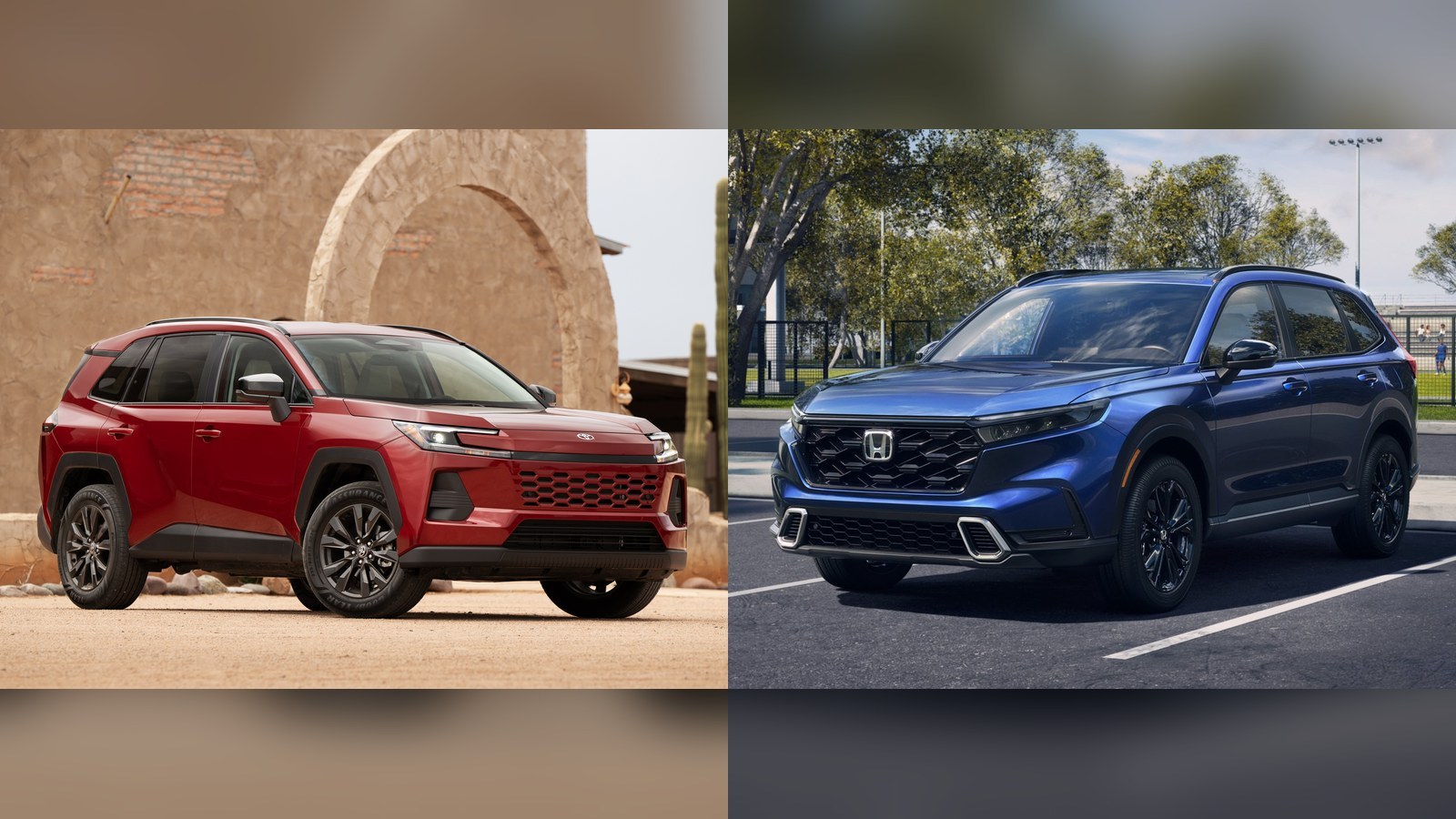
The two compact SUVs Americans buy most will soon come only as hybrids. Honda said on November 12 that the next-generation 2028 CR-V will use only a new two-motor hybrid system when it arrives next year. Toyota made the same call with the RAV4 for 2026.
That leaves a simple question for anyone who just wants a plain gas compact SUV: where do you go, and what does it cost? The short answer is that the gas version isn't dying. It is moving to other showrooms, and it now starts within about $1,000 of $30,000 almost everywhere. We traced how Toyota got here in our look at how Toyota quietly retired the base gas car. Honda is now following, with one important difference.
What Honda actually announced
The 2028 CR-V is the seventh generation and the first on a new Honda platform, which the company describes as both stiffer and lighter. It gets the fifth generation of Honda's two-motor hybrid, with a wider range where the engine runs at peak efficiency, plus a newly developed electric all-wheel-drive unit. Honda is targeting a fuel-economy gain of more than 10% over the current hybrid and says standard power will rise "greatly," without giving numbers.
Honda's case rests on its own sales mix. It says the CR-V is on pace to top 400,000 U.S. sales for a third straight year, and that hybrids account for more than half of them. Hybrid CR-V sales have grown nearly tenfold since 2020, and hybrids now make up about 30% of all Honda-brand sales. The hybrid units will come from Honda's transmission plant in Ohio, part of Honda's Ohio hybrid investment, and the CR-V will keep being built in Ohio, Indiana, and Ontario.
Run Honda's own figures the other way, though, and the scale of the change is clear. If just over half of roughly 400,000 CR-Vs are hybrids, then something under 200,000 people a year still choose the gas CR-V. Those buyers are the ones this story is about.
What Toyota's switch tells us
Toyota is the only precedent. The last gas RAV4, the 2025 LE with front-wheel drive, listed at $29,800. The first hybrid-only base model, the 2026 LE, came in at $31,900, a $2,100 jump at the bottom of the range. For 2027, Toyota lists the RAV4 Hybrid LE at $32,300 before a $1,595 delivery fee.
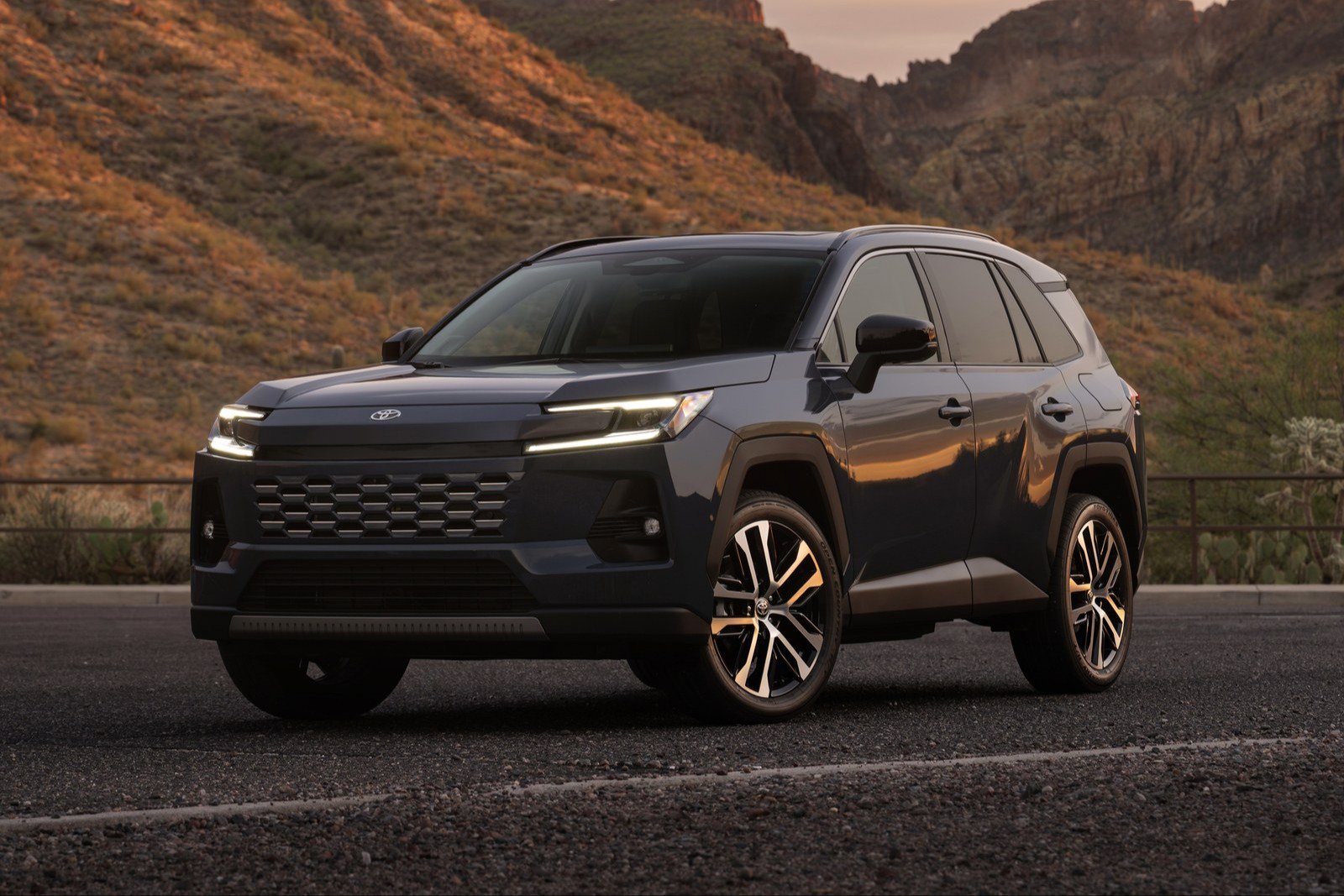
Honda starts from a wider gap. The 2027 CR-V LX gas model lists at $31,520, while the cheapest hybrid, the Sport Hybrid, is $36,030. That's $4,510 between the cheapest gas and cheapest hybrid CR-V today, more than double what the RAV4's entry price rose. Honda hasn't said where the 2028 car will start. In my view, that number matters more than anything in the announcement: whether Honda adds a cheaper hybrid grade or simply drops the bottom of the range will decide where those gas buyers go. We compared the two current hybrids in our CR-V Hybrid vs. RAV4 Hybrid comparison.
Who still sells a gas compact SUV, and what it costs
Seven mainstream rivals still list a gas compact SUV under $30,000 before destination. The table uses each automaker's published 2027 prices; where 2027 pricing isn't out yet, 2026 is shown and marked.
| Model | Cheapest gas version | Cheapest hybrid | Hybrid premium |
|---|---|---|---|
| Toyota RAV4 (2027) | None (last: 2025 LE FWD, $29,800) | $32,300 (LE FWD) | Hybrid only |
| Honda CR-V (2027) | $31,520 (LX FWD) | $36,030 (Sport Hybrid FWD) | $4,510 |
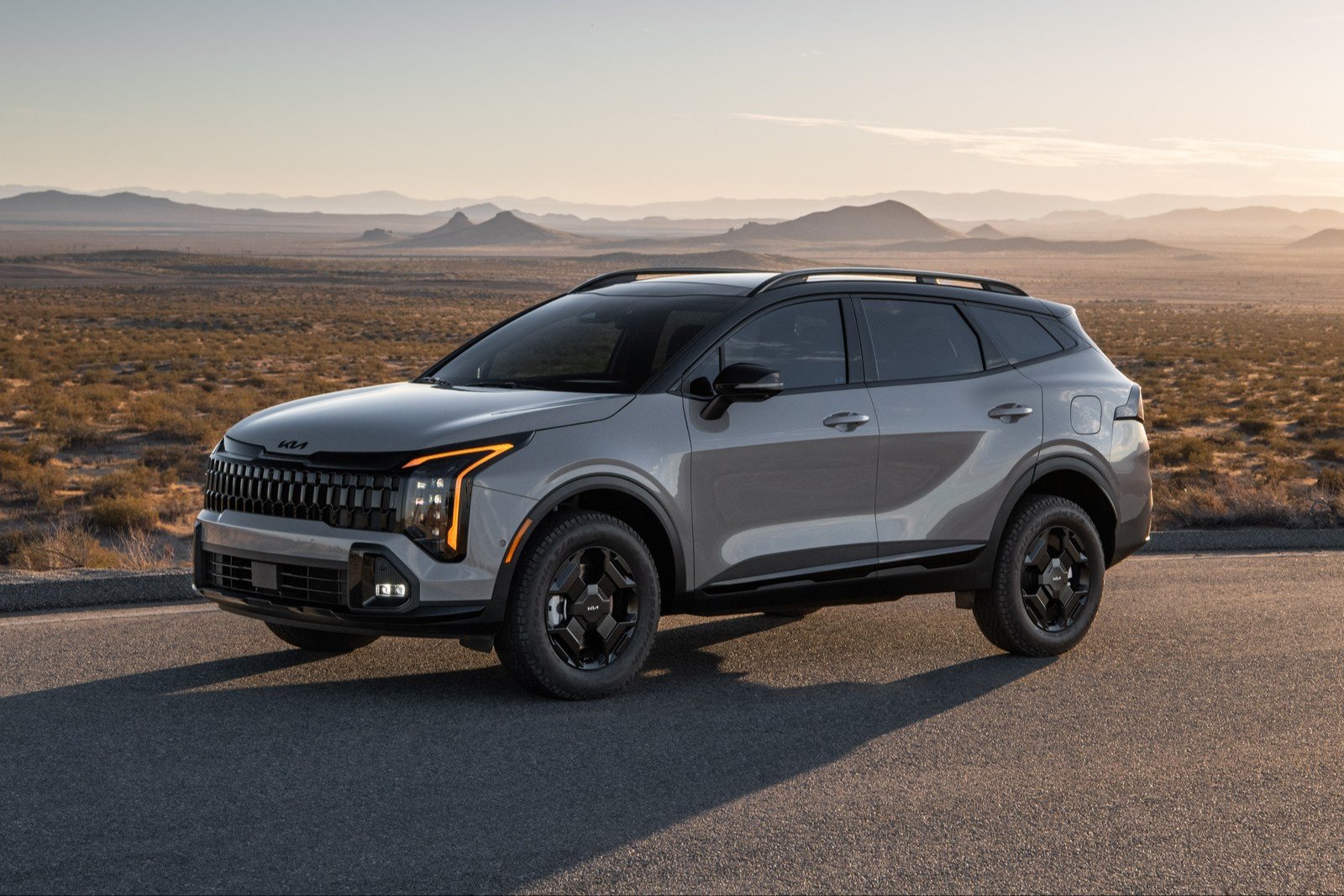
| Kia Sportage (2027) | $28,990 (LX FWD) | $30,590 (Hybrid LX FWD) | $1,600 |
| Nissan Rogue (2027) | $29,690 (S FWD) | $35,490 (Hybrid SV AWD) | $5,800 ($3,400 vs. gas SV AWD) |
| Hyundai Tucson (2026*) | $29,700 (SE FWD) | $30,950 (Hybrid SE FWD) | $1,250 |
| Chevrolet Equinox (2027) | $29,700 (LT FWD) | Not offered | — |
| Mazda CX-50 (2026*) | $29,900 (2.5 S Select AWD) | $34,750 (Hybrid Preferred AWD) | $4,850 |
| Mazda CX-5 (2027) | $29,990 (2.5 S AWD) | Not offered yet | — |
| Subaru Forester (2027) | $29,995 (AWD) | $34,730 (Premium Hybrid AWD) | $4,735 |
| Volkswagen Tiguan (2027) | $31,205 (S FWD) | Not offered | — |
MSRP before destination. *2027 pricing not yet announced. Sources: Toyota, Honda, Kia, Nissan, Hyundai, Chevrolet, Mazda, Subaru, and Volkswagen pricing releases and configurators, checked Nov. 13, 2026. Chevrolet's current list price for the 2027 Equinox LT is $700 above the $29,000 it showed in September.
Three things stand out. First, "under $30,000" is now a sticker trick. Every one of those seven sits within $1,010 of the line, and none stays under it once delivery is added; the cheapest, the Sportage, comes to $30,485. Second, the gas holdouts aren't all budget players. Subaru and Mazda include all-wheel drive at that price, and Chevrolet and Volkswagen don't sell a hybrid version at all.
Third, the Korean brands have quietly made the hybrid question nearly moot. Kia charges $1,600 more for the Sportage Hybrid than for the gas LX, as we noted in our 2027 Sportage pricing story, and Hyundai charges $1,250 on the 2026 Tucson. Hyundai's 2027 model-year guide confirms that the all-new Tucson keeps both a gas and a hybrid version in the U.S., though prices aren't out yet.
What it means for segment prices
Compact SUVs are already getting more expensive faster than the market. Kelley Blue Book's October data, published by Cox Automotive, puts the segment's average transaction price at $37,895, up 4.3% from a year earlier, against 2.1% for the industry as a whole. We broke that report down in our analysis of October's record $51,109 average.
The logic of what happens next is straightforward, even if the size isn't. When the two highest-volume nameplates remove their cheapest powertrain, the cheapest RAV4 and CR-V sales get replaced by pricier ones, and a segment average built on those sales moves up with them. Toyota's switch is already inside today's numbers. Honda's isn't yet, and the 2027 CR-V will keep its gas LX, EX, and EX-L until the new car arrives. Cox doesn't break out how much of the 4.3% comes from the RAV4, so I won't pretend to know. What can be said is that the mix effect points one way.
The used-car angle
The same logic applies to used lots. The 2025 model is the last gas RAV4 Toyota has built, and the company hasn't signaled a return. Once the 2027 model year ends, the gas CR-V joins it. From then on, the supply of those cars only shrinks. Whether buyers who specifically want a non-hybrid Toyota or Honda change what those cars sell for is something the market will settle, and there's no data yet to show it either way. If it does show up, the logical place to look is late-model, low-mileage examples, because they're the closest thing to a new gas RAV4 or CR-V that you can no longer order.
What we don't know yet
- The 2028 CR-V's price, trim walk, and whether all-wheel drive becomes standard.
- Its EPA ratings and power output; Honda has given only targets.
- Its exact on-sale month and how long the gas 2027 CR-V stays on sale alongside it.
- U.S. pricing for the 2027 Tucson and 2027 CX-50, and timing of the promised CX-5 hybrid.
Until Honda publishes a price, the gas buyer's decision is simpler than it looks. If you want a gas compact SUV with a well-known badge and no hybrid premium, the Sportage, Rogue, Tucson, Equinox, Forester, CX-5, and CX-50 all still sell one for about $30,000 before delivery. If you were going to buy a gas CR-V, you still can, for roughly another model year.