bZ Woodland vs. Trailseeker: The $5,400 Gap Shrinks to $1,400 When Trims Match
The Toyota costs $5,435 more than the cheapest Subaru, but matched on equipment the gap shrinks to about $1,400 — and the Woodland keeps seven more miles of range.
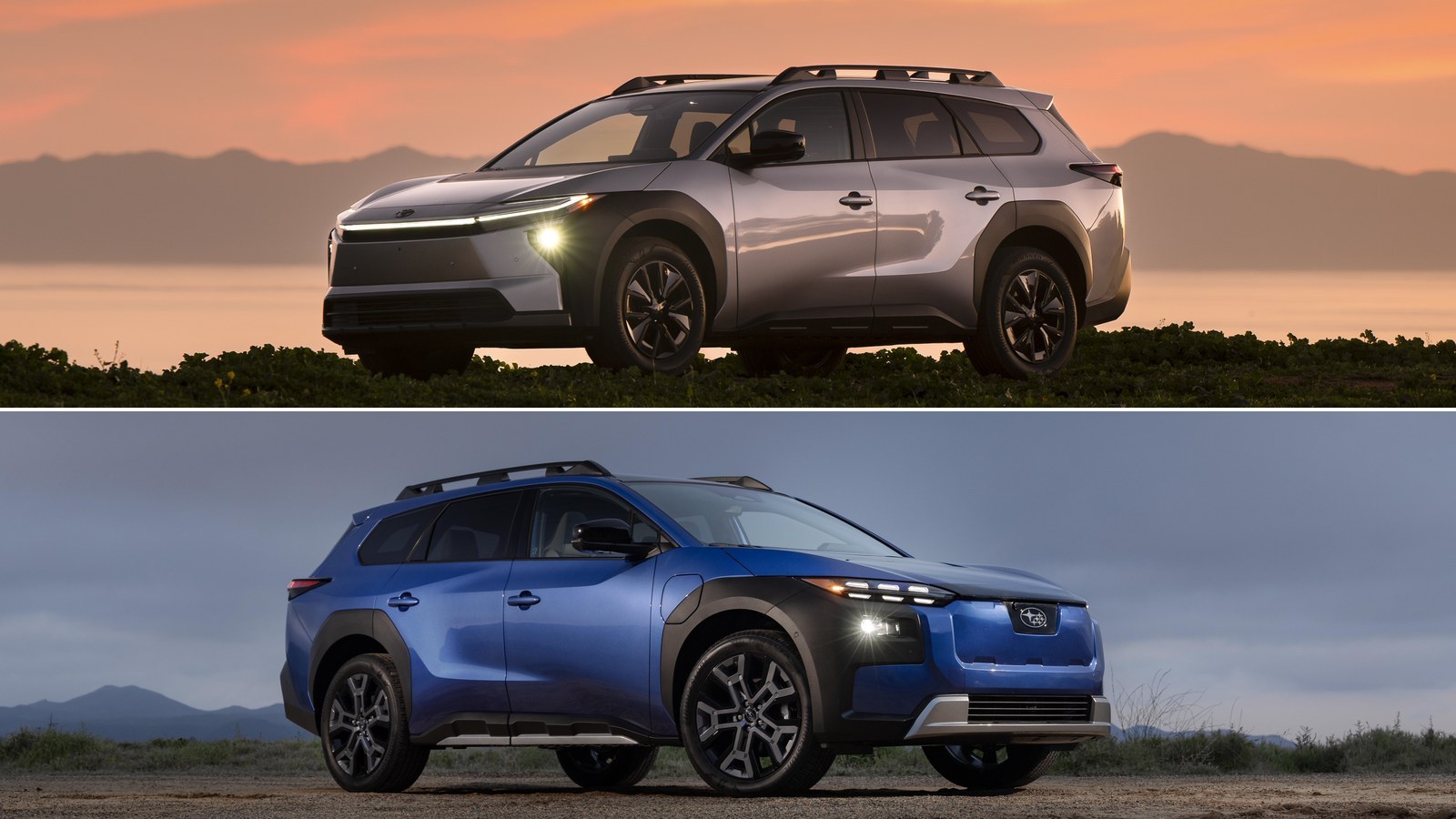
The Toyota bZ Woodland and the Subaru Trailseeker are the same electric wagon underneath: one 74.7-kWh battery, two motors, 375 hp, standard all-wheel drive, and a 3,500-pound tow rating. On the window sticker, though, the cheapest Toyota costs $5,385 more than the cheapest Subaru, or $5,435 once each brand's delivery charge is added.
That gap is real, but it's also misleading. Line up the two by equipment rather than by trim name and the difference shrinks to roughly $1,400 at the low end and under $1,000 at the top. For the 2027 model year Toyota's prices rose slightly while Subaru held its line; our 2027 Toyota EV lineup price guide puts the Woodland in context with the bZ and C-HR.
2027 bZ Woodland vs. Trailseeker: Specs and Prices
Prices below are MSRP plus destination. Toyota's figures come from its August 5 launch release and the $1,595 delivery charge reported at the time; Subaru's come from its July 2 pricing release and spec sheet. Neither brand has changed U.S. pricing since. The two also post identical NHTSA and IIHS scores; IIHS says its ratings, based on a Solterra test, apply to both.
| 2027 model | Toyota bZ Woodland | Subaru Trailseeker |
|---|---|---|
| Trims (MSRP + destination) | AWD $46,975; Premium $49,075 | Premium $41,540; Limited $45,540; Touring $48,100 |
| Destination | $1,595 | $1,545 |
| Output | 375 hp | 375 hp (167 kW per motor) |
| 0–60 mph (maker's claim) | About 4.5 sec (estimate) | 4.3 sec |
| Battery | 74.7 kWh | 74.7 kWh |
| Range | 281 mi (both trims); 260 mi with all-terrain tires | 281 mi (Premium); 274 mi (Limited, Touring) |
| DC fast charge, 10–80% | About 30 min; peak kW not stated | As little as 28 min; up to 150 kW |
| Charge port | NACS | NACS |
| Wheels | 18-inch, both trims | 18-inch (Premium); 20-inch (Limited, Touring) |
| All-terrain tires | Optional | Not offered from the factory |
| Ground clearance | 8.4 in | 8.5 in |
| Max cargo, rear seats folded | 74.3 cu ft | 74.0 cu ft (71.8 with moonroof) |
| Towing | 3,500 lb | 3,500 lb |
| Off-road aids | X-MODE, Grip Control | X-MODE (two modes), Grip Control, Downhill Assist Control |
| Basic / powertrain warranty | 3 yr/36,000 mi; 5 yr/60,000 mi | 3 yr/36,000 mi; 5 yr/60,000 mi |
| Battery warranty | 8 yr/100,000 mi | 8 yr/100,000 mi |
| Free scheduled maintenance | 1 yr/10,000 mi (ToyotaCare) | None listed |
| NHTSA overall | 5 stars | 5 stars |
| IIHS (2027) | Good: updated side test, headlights | Good: updated side test, headlights |
Where the $5,400 Actually Goes
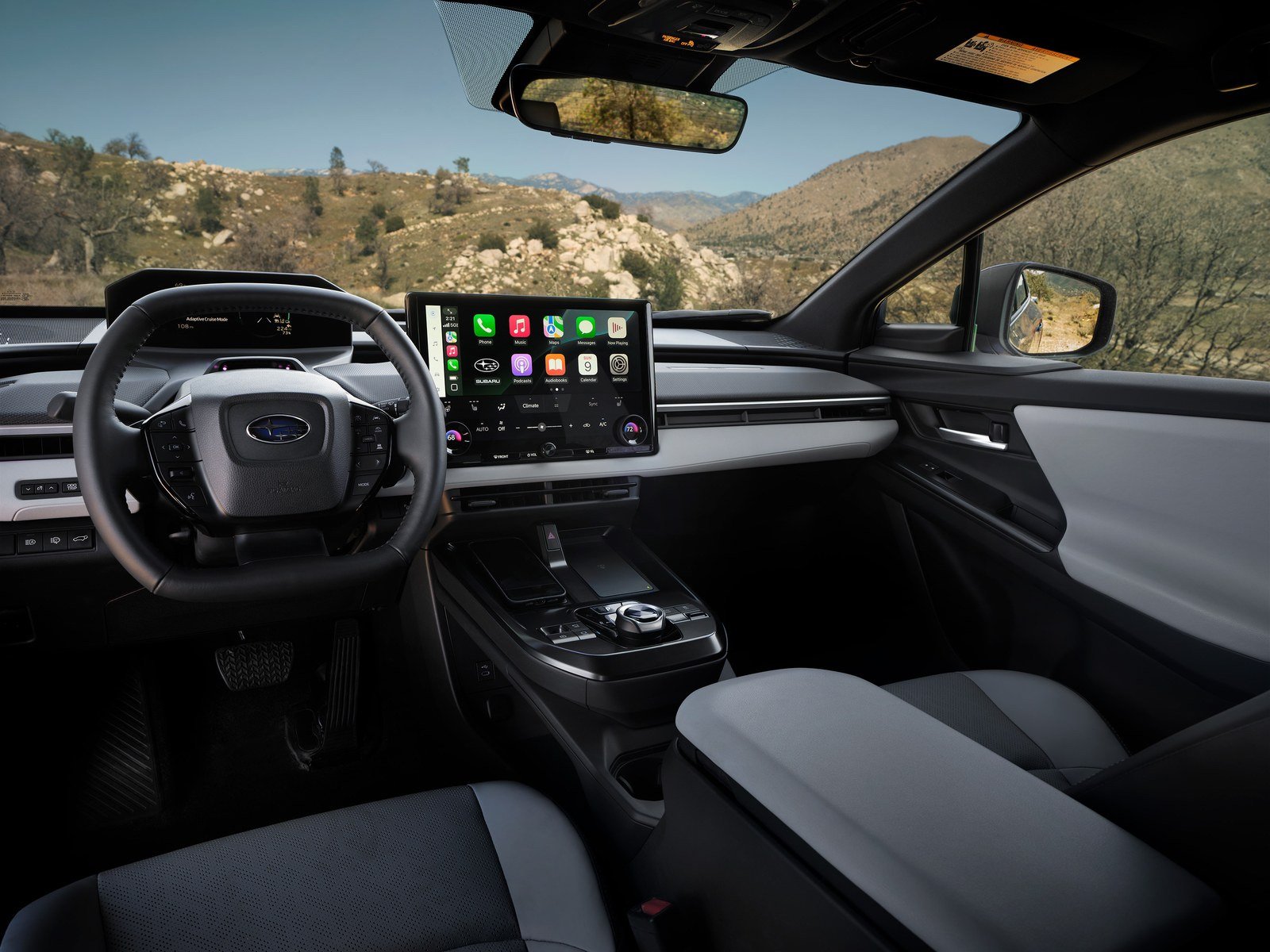
Toyota sells the Woodland in two trims. Subaru splits the same hardware across three, which lets it advertise a much lower entry price. The base Trailseeker Premium does without heated rear seats, a heated steering wheel, the 360-degree camera system, and a cargo-area power outlet. Every one of those is standard on the base bZ Woodland, which also has a 1,500-watt, 120-volt outlet in the back.
The fair match for the base Woodland is the Trailseeker Limited. It adds those comfort features plus Harman Kardon audio, a power driver's seat with memory, and a hands-free power liftgate. With destination, the Limited costs $45,540, or $1,435 less than the Toyota.
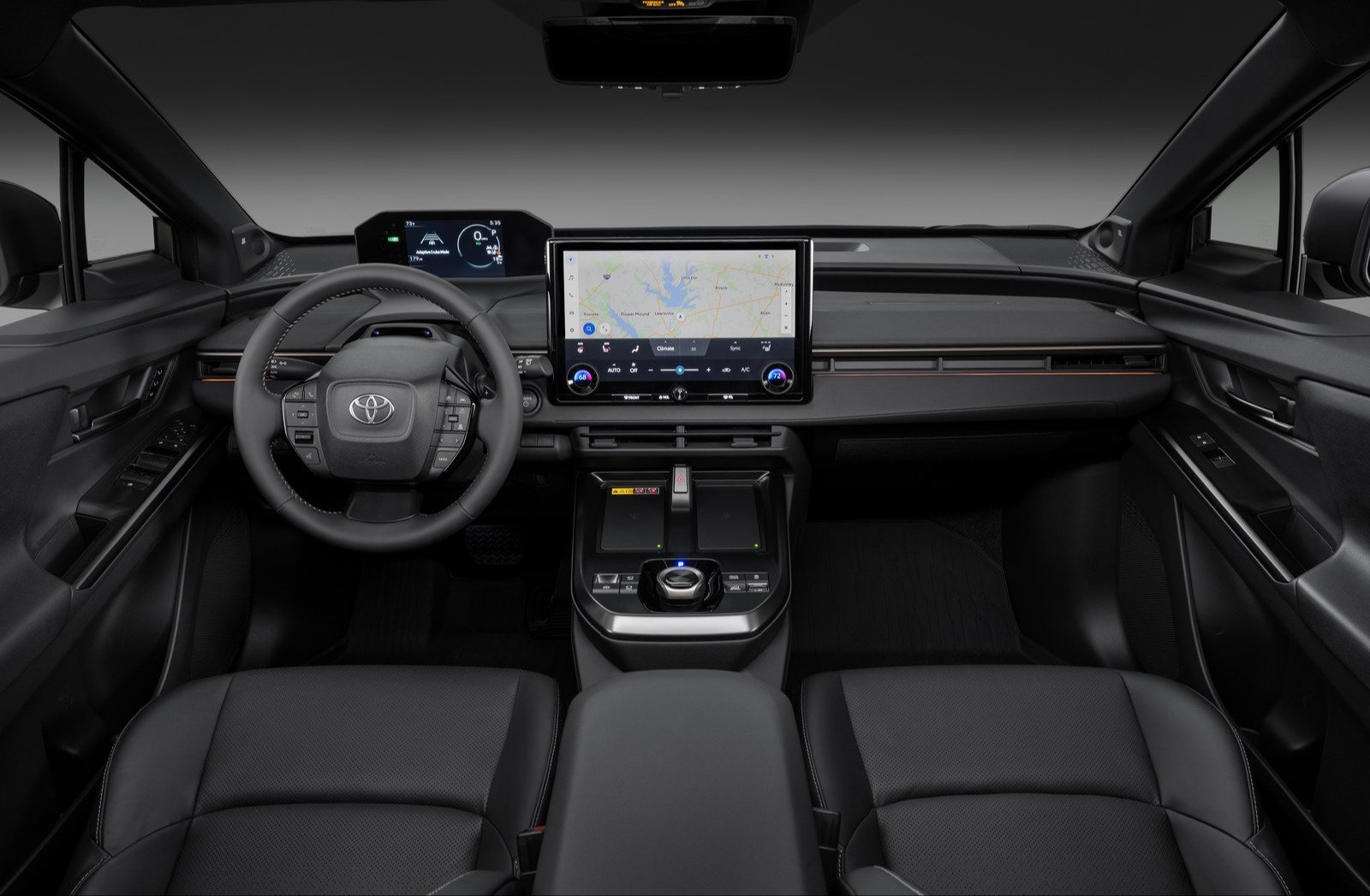
At the top, the Woodland Premium and Trailseeker Touring both add a panoramic glass roof, ventilated front seats, and a digital rearview mirror. Toyota throws in JBL audio. Subaru's Touring keeps the Limited's Harman Kardon system and offers leather for $300. Here the Toyota costs $975 more with destination.
So the Woodland premium is closer to $1,000–$1,400 than $5,400. What you get for it is mostly ToyotaCare, a year of scheduled maintenance that matters less on an EV without oil changes, and a slightly different feature mix rather than more hardware.
Range and Wheels: The Woodland's Quiet Advantage
One real hardware difference comes down to wheel size. Toyota keeps 18-inch wheels on both Woodland trims, so even the Premium carries the 281-mile range rating. Subaru moves the Limited and Touring to 20-inch wheels, and their range drops to 274 miles.
Seven miles won't change anyone's life, but it means the equipment-matched Toyota goes slightly farther per charge. Toyota also offers all-terrain tires on either trim. They cost 21 miles of range, falling to 260, but they're the only factory tire upgrade in this pair. Trailseeker buyers who want more aggressive rubber will be shopping the aftermarket.
Same Chassis, Different Claims
Toyota's November 6 release on BEV dynamics credits the Woodland's handling to its flat underfloor battery and rigid cross-framing, with front and rear eAxles plus X-MODE and Grip Control for loose surfaces. Subaru describes the same layout in its own vocabulary, adding Downhill Assist Control and two named X-MODE settings, Snow/Dirt and Deep Snow/Mud.
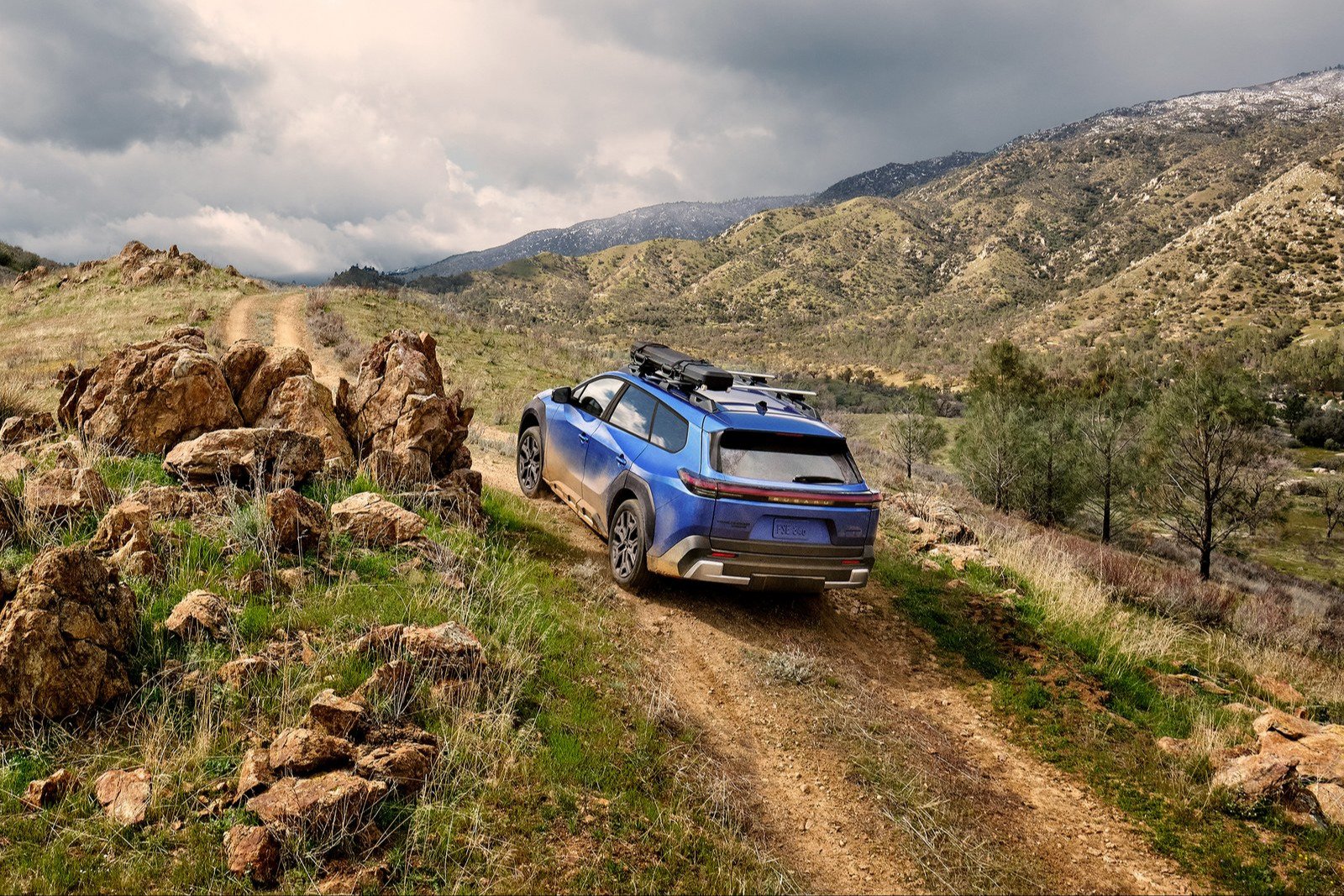
The published numbers differ in small ways: 8.4 vs. 8.5 inches of ground clearance, about 30 vs. 28 minutes for a 10–80% fast charge, and 4.5 vs. 4.3 seconds to 60 mph. With identical output and battery capacity, we read these as differences in how each brand rounds and tests rather than proof that one is quicker or charges faster. We haven't tested them back to back.
Both cars are also a preview of a partnership in transition. Subaru is developing its own EV platform, as we covered in our analysis of Subaru's in-house EV plans, so this kind of badge-swapped twin may not last beyond the current generation.
What We Don't Know Yet
- Dealer deals. Toyota runs regional offers that change monthly, and earlier this year it advertised up to $5,000 in customer cash on the 2026 Woodland. Subaru hasn't announced a national Trailseeker incentive. Real transaction prices may differ more, or less, than MSRP suggests.
- Price changes. Subaru Canada cut 2027 Trailseeker prices in August, but Subaru of America kept its $39,995 base price. We found no U.S. cut since the July announcement.
- Toyota's charging peak. Toyota quotes a charge time but no peak kW for the Woodland.
Which One Should You Buy?
If you want the lowest price on this platform, the Trailseeker Premium at $41,540 is the clear choice. It has the same motors, battery, range, and towing as a Woodland that costs $5,435 more; you give up heated rear seats, the heated wheel, the 360-degree camera, and the cargo outlet. For buyers who can live without those, it's the best value of the pair. The Trailseeker also made the Wards 10 Best list for 2026.
If you want those comfort features anyway, the decision gets much closer. The Woodland costs about $1,000–$1,400 more than the comparable Subaru and gives you seven more miles of range, a year of free maintenance, and the option of all-terrain tires. The Trailseeker answers with more speakers at each matched level and a slightly quicker 0–60 claim. In that case, buy the one with the better offer at your dealer, because current incentives can easily outweigh the MSRP difference.
Shoppers still weighing an EV against a hybrid should look at our five-year cost comparison of the RAV4 Hybrid, plug-in, and bZ, and at how the gas-hybrid RAV4 Woodland compares with the Forester Wilderness Hybrid.
Sources: Subaru 2027 Trailseeker pricing and Toyota 2027 bZ Woodland release.