BMW Called Fake EV Gears a Gimmick. Here's How They Work and Who Sells Them
Hyundai, Lexus, and Porsche already sell EVs with simulated shifts, and BMW is next. Here's what the software fakes, who offers it, and what it costs in acceleration.
Electric cars don't shift. Nearly all of them use one fixed reduction gear between motor and wheels, and the motor pulls from a standstill to top speed without a break. Yet a growing number of performance EVs now come with paddles, a tachometer, and eight "gears" that exist only in software.
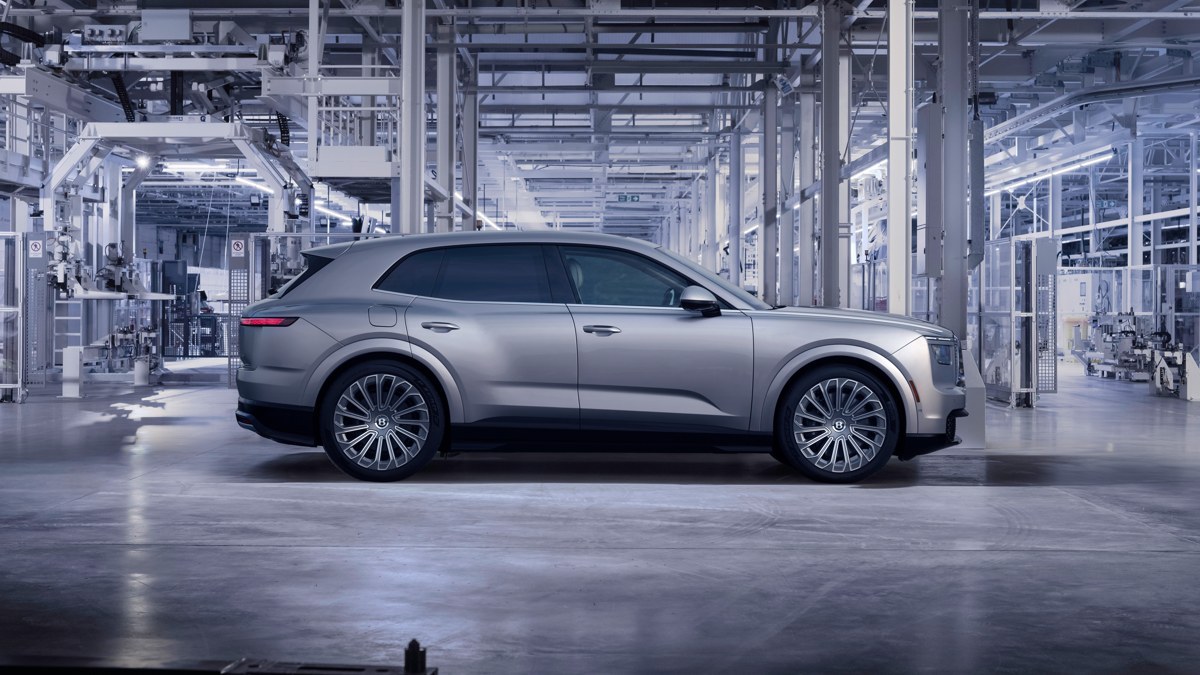
The latest convert is BMW. A senior BMW driving-dynamics engineer told Australia's Carsales, as Motor1 reported on Nov. 13, that the company first dismissed Hyundai's version of the idea. BMW is now developing its own for the electric i3 M60 xDrive, which it says joins the lineup in 2027 (here's how the i3 compares with the 330 and M350 xDrive). Below: what these systems actually simulate, who sells one in the U.S. today, and what independent testing says they cost you.
What's being faked, exactly
A gas engine makes useful power only in a fairly narrow rpm band, so it needs a multi-speed transmission to stay in it. An electric motor produces strong torque from zero rpm across a much wider range, which is why most EVs get by with a single ratio. The Porsche Taycan, with a real two-speed gearbox on its rear axle, is one of the few exceptions.
A virtual gearbox leaves the hardware alone and rewrites how the motor responds. Hyundai says its N e-Shift simulates gearshifts by controlling motor torque output, with torque curves that differ by "gear." Lexus describes the core of its system as a virtual powertrain and transmission running inside the car's EV control unit.
In practice, four things get simulated:
- A stepped torque curve. Each virtual gear has its own pull, so the push builds and fades the way it would through real ratios.
- The shift itself. Drive torque is cut for an instant and restored, producing the kick of a quick dual-clutch change. Porsche says its E-Shift does exactly this on every shift; Mercedes-AMG calls it a haptic traction interruption.
- A rev limiter and engine braking. Porsche adds gear-specific drag torque when you lift off and a virtual rev limiter, so holding a low gear too long means the car stops pulling until you upshift.
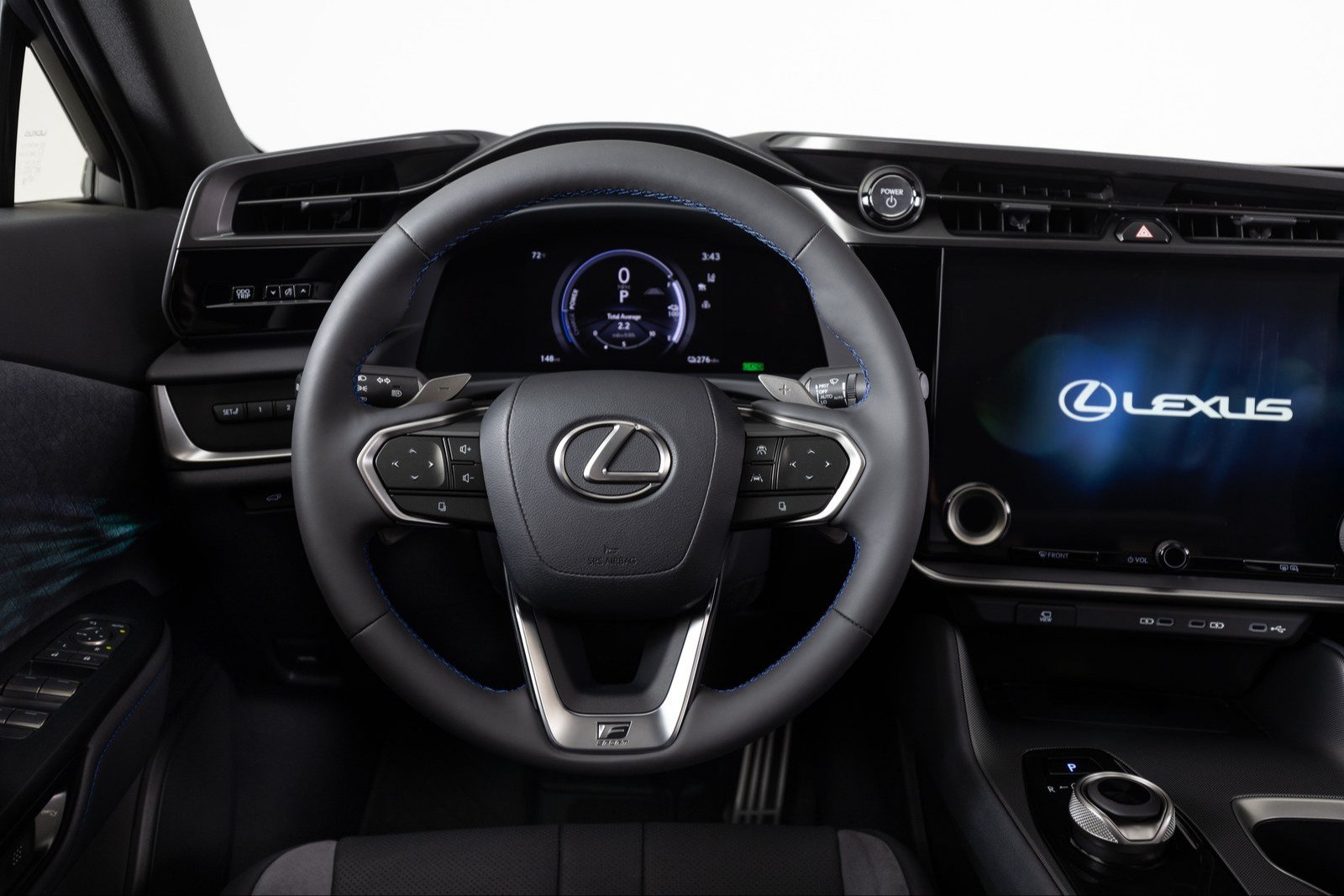
- Sound and gauges. Synthetic engine and exhaust notes play through the speakers, synced to a virtual tachometer and shift indicator in the driver display.
Why automakers bother
The official answer is feedback. Hyundai says the N soundtrack gives drivers an aural reference point to gauge power and speed, particularly when judging cornering speeds on a racetrack. BMW M development chief Alexander Karajlovic made a similar case for the electric M3 earlier this year, according to BMWBlog: gears tell a driver how fast they're arriving at a corner, and a single-speed EV removes that cue.
The second answer is control. A virtual downshift before a corner adds drag the way engine braking settles a gas car, and a held gear keeps the car from surging out of a bend. The third is emotional, and Porsche says so openly: its E-Shift explainer states the system is not meant to make the car faster, only to let drivers feel and influence power delivery more directly.
Every system covered here can be switched off, so drivers who want the uninterrupted EV shove still get it.
Who offers virtual gears in the U.S. now
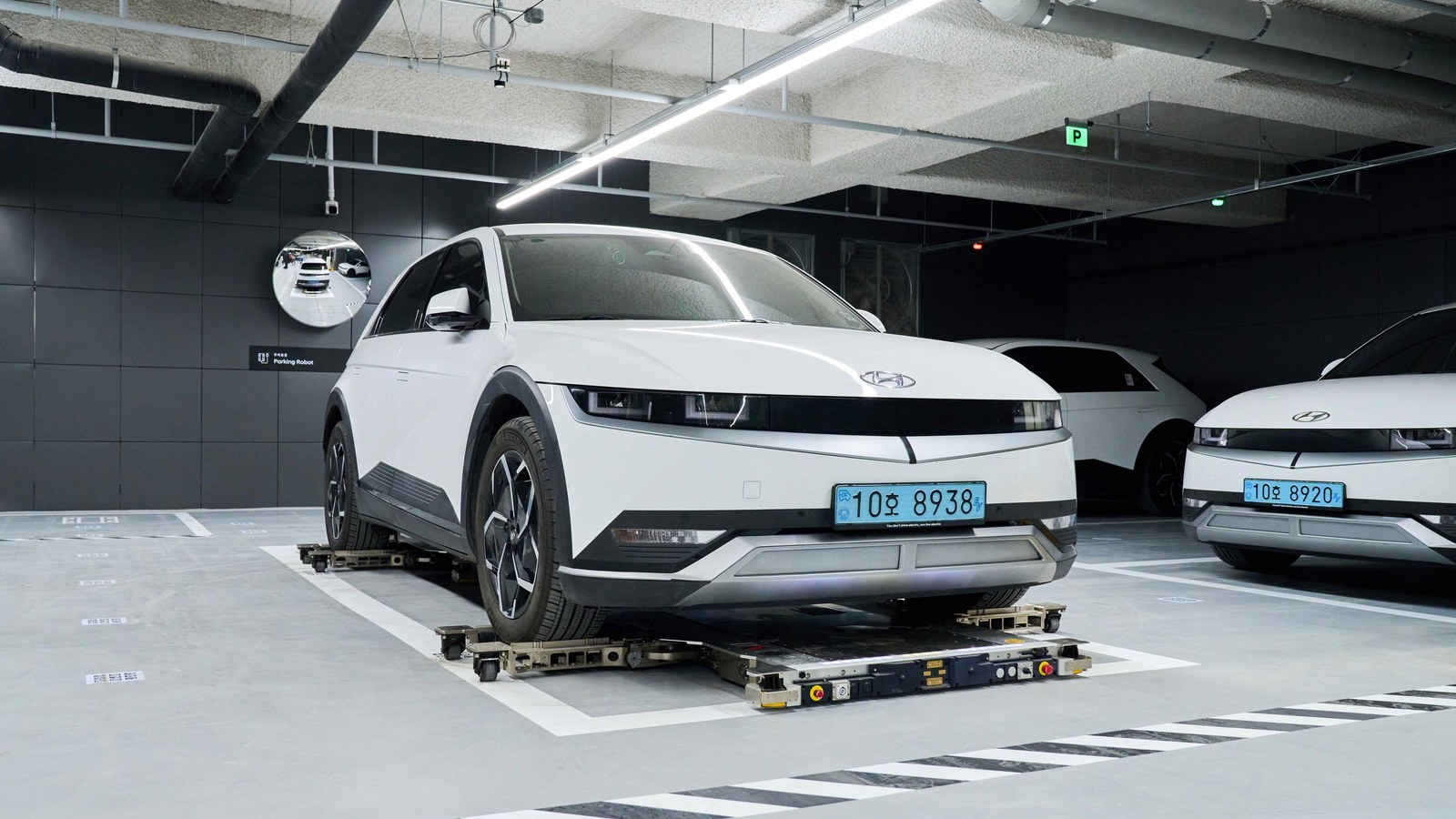
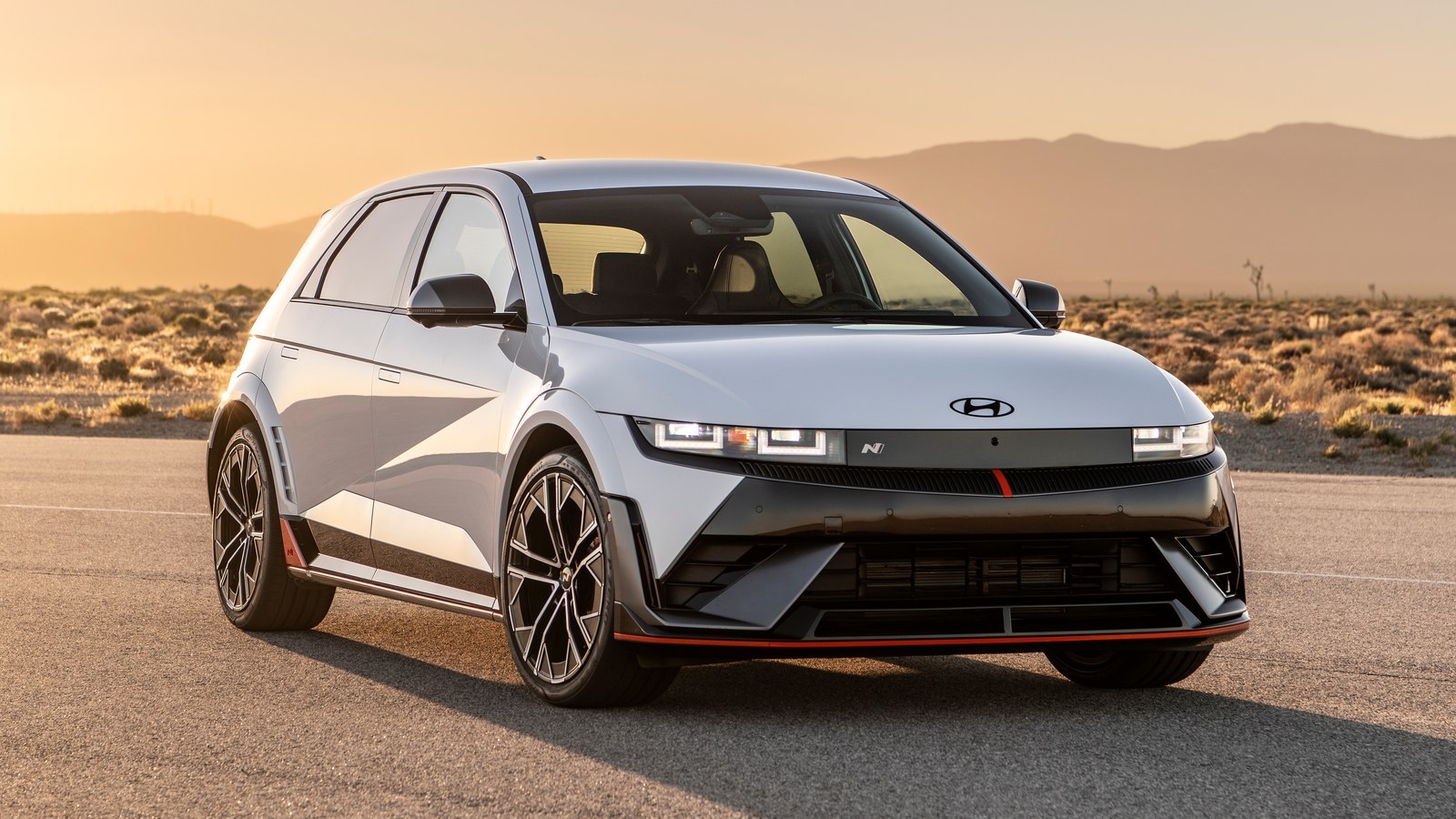
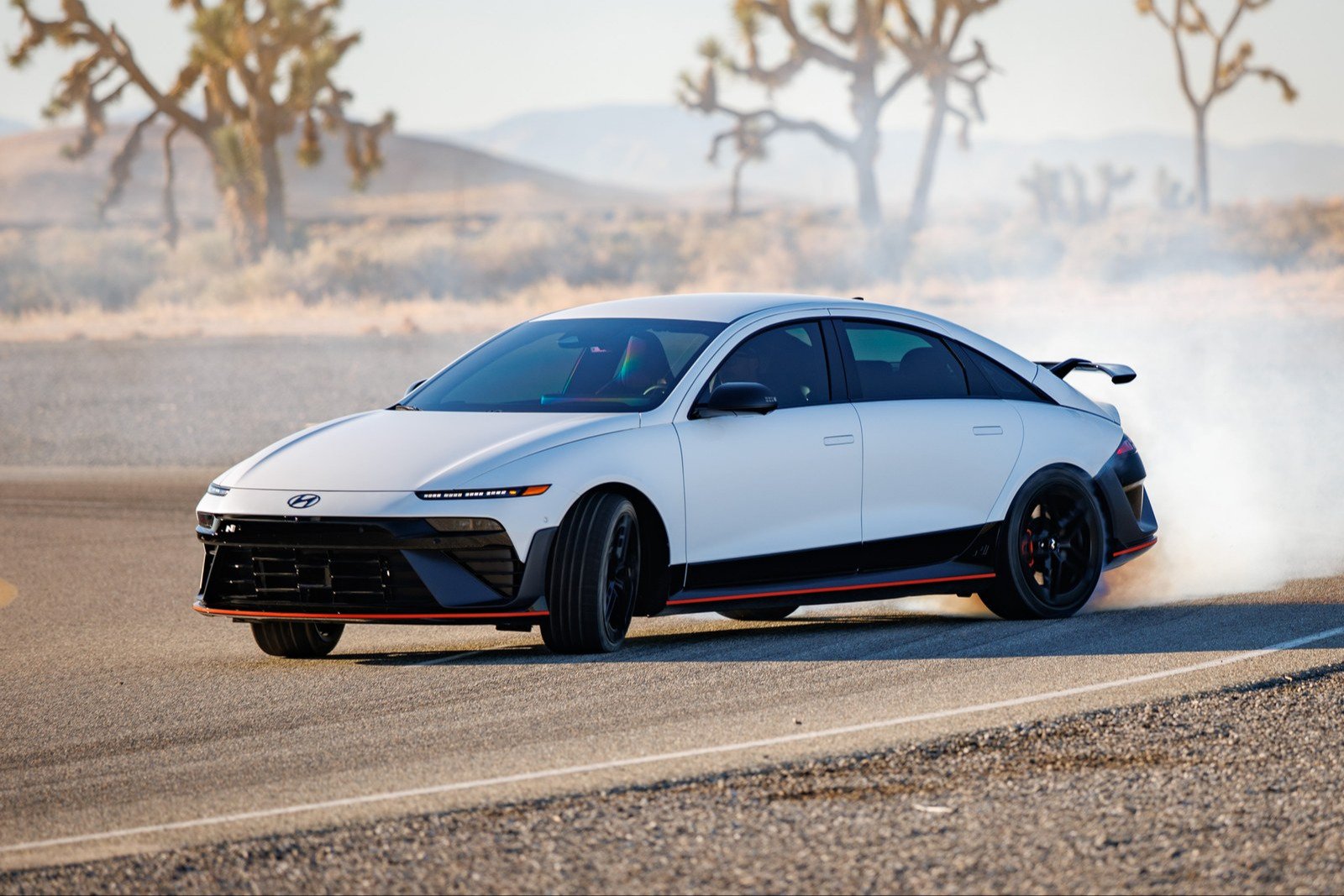
Hyundai started it. The Ioniq 5 N arrived in 2024 with N e-Shift, which mimics the eight-speed dual-clutch transmission from Hyundai's gas-powered N cars, and N Active Sound+, which offers three sound themes. For 2026, Hyundai cut the 5 N's price by $6,300, to $59,900 plus a $1,600 destination charge. The Ioniq 6 N sedan gets a revised N e-Shift with shorter ratios, but Hyundai plans only a limited U.S. rollout for the Ioniq 6 N and hasn't published an American price.
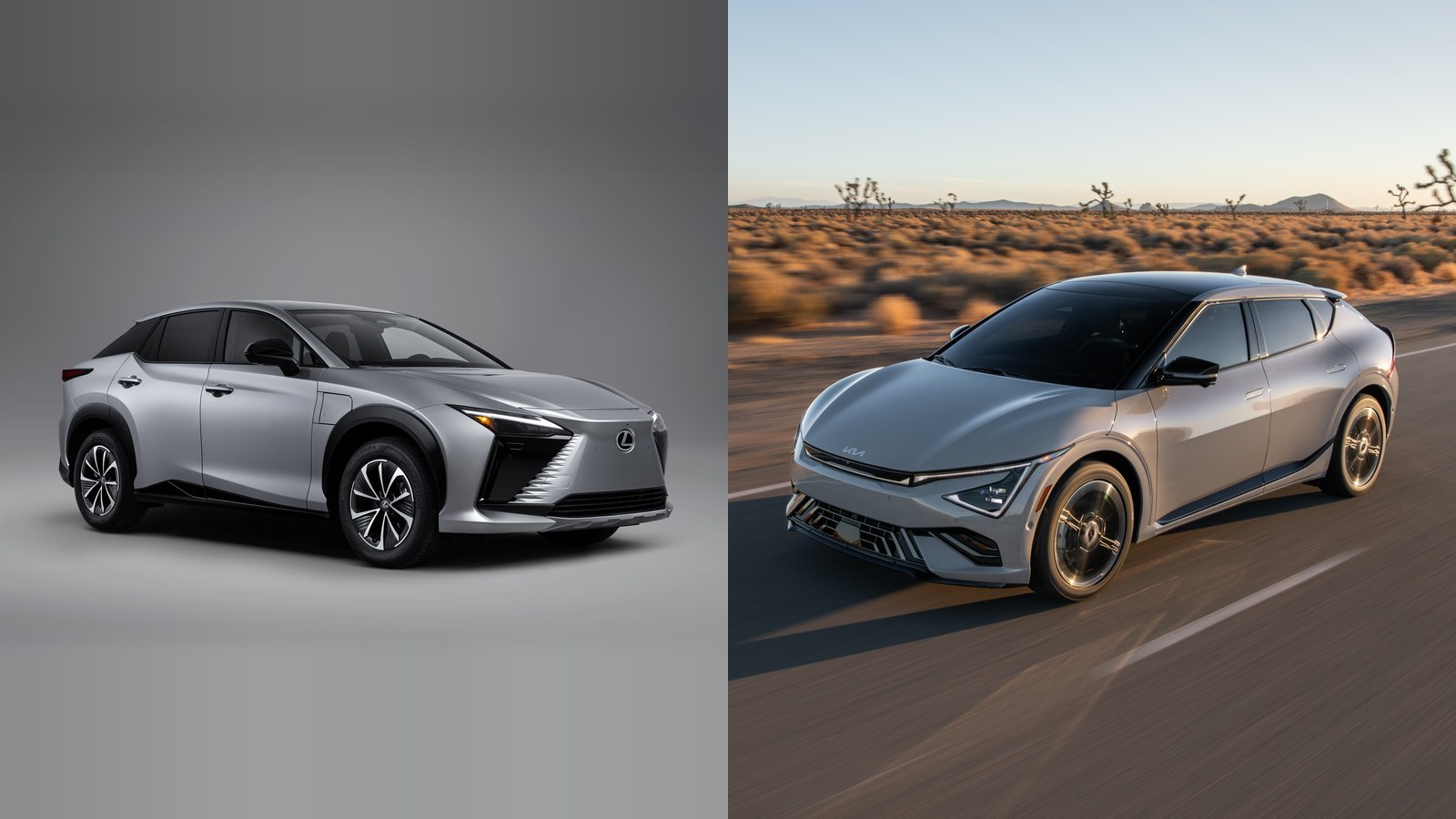
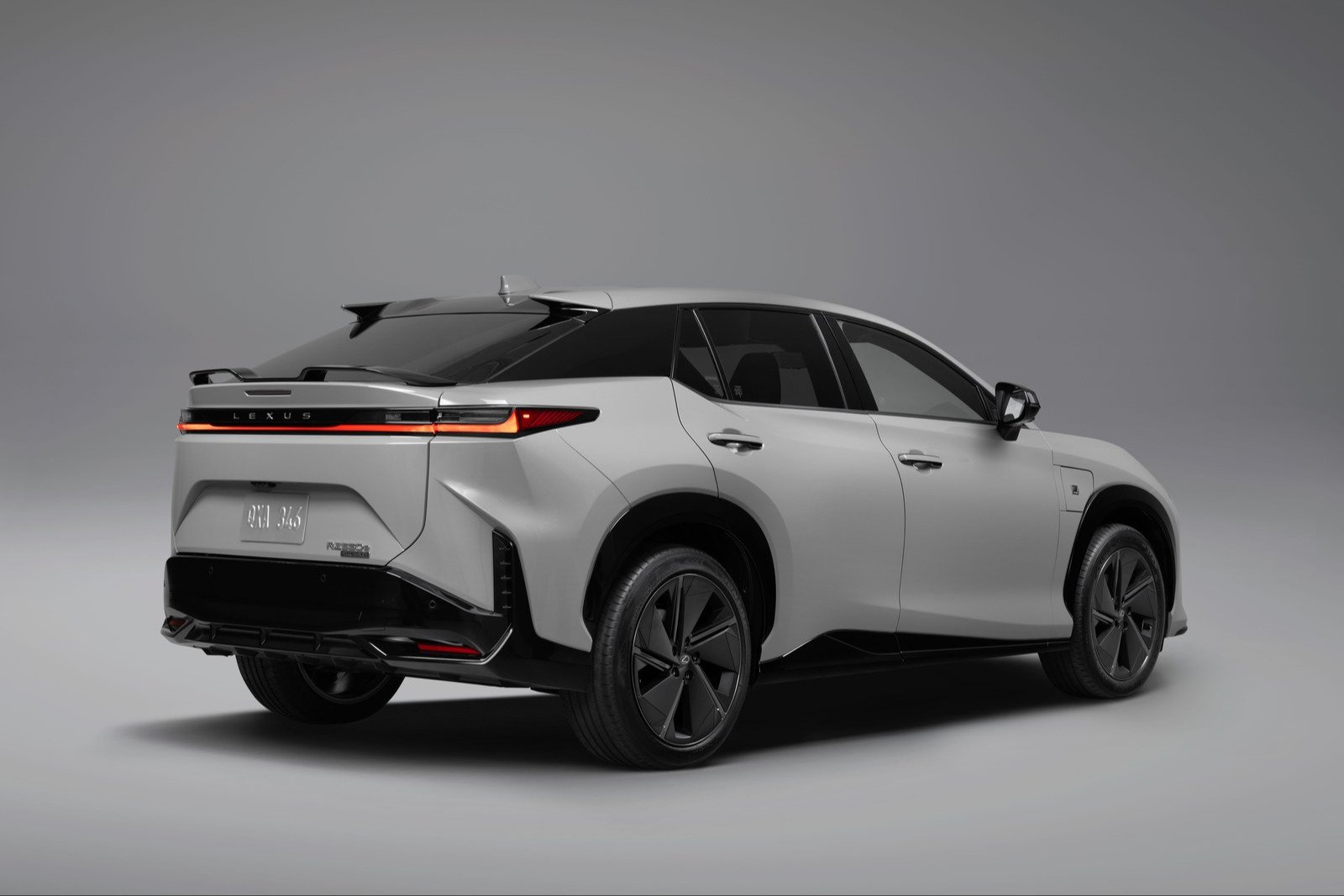
Lexus followed with the RZ 550e F SPORT. In the U.S. the feature is called M Mode (Lexus uses the name Interactive Manual Drive in Europe): a virtual eight-speed operated by paddles, with simulated engine and exhaust sounds and a shift guide in the instrument display, according to Lexus' 2027 RZ release. As covered in our 2027 Lexus RZ pricing breakdown, the 550e F SPORT costs $58,770 including destination and reaches dealers early next year.
Porsche reversed its earlier skepticism this summer. E-Shift, which simulates an eight-speed PDK, is optional on every 2027 Taycan and standard on the Turbo GT; Porsche's U.S. release doesn't list the option's price. Mercedes-AMG's electric GT 4-Door Coupe adds simulated shifts and a synthesized engine note in its AMGFORCE Sport+ program, with the GT 55 due at U.S. dealers late this year. Honda uses the same idea on a hybrid: the 2026 Prelude's S+ Shift mode simulates gear changes on a two-motor hybrid powertrain that has no conventional multi-speed gearbox.
| Model | System | Virtual gears | Sound | U.S. price / status |
|---|---|---|---|---|
| 2026 Hyundai Ioniq 5 N | N e-Shift | 8 (modeled on N's dual-clutch) | N Active Sound+, 3 themes | $59,900 + $1,600 destination; on sale |
| 2026 Hyundai Ioniq 6 N | N e-Shift (shorter ratios) | Not specified by Hyundai USA | N Active Sound+ | Limited availability; price TBA |
| 2027 Lexus RZ 550e F SPORT | M Mode | 8 | Simulated engine and exhaust | $58,770 incl. destination; early 2027 |
| 2027 Porsche Taycan | E-Shift | 8 (modeled on PDK) | Reworked Electric Sport Sound | Option on all trims, standard on Turbo GT; option price TBA |
| 2027 Mercedes-AMG GT 4-Door Coupe | AMGFORCE Sport+ | Not specified | Synthesized AMG engine sound | GT 55 due late 2026; price TBA |
| 2026 Honda Prelude (hybrid) | S+ Shift | Not specified | Active Sound Control | On sale |
Who's promising them
BMW's system will reportedly be called Stages rather than gears, though Carsales says the name isn't final. BMW hasn't said how many Stages there are, and the engineer said only that it differs from Hyundai's in several ways he didn't list. Motor1 reports it debuts next year on the i3 M60 xDrive and is limited to M Performance models and above. BMW M has also confirmed that its first electric M3 will emulate gearshifts and engine sound, CarExpert reported. These are plans, not specs: BMW hasn't given U.S. timing or pricing for either car.
Kia already sells Virtual Gear Shift on the EV6 GT and EV9 GT in other markets, but neither GT appears in Kia's 2027 U.S. price lists, and Kia told Road & Track earlier this year that the 2026 EV6 GT was delayed until further notice, InsideEVs reported. In Japan, Honda has extended S+ Shift to the Civic e:HEV RS, and Japanese outlets report the Vezel RS could be next.
Does it make the car slower?
Hyundai's version does, and it's the only one we found with independent test numbers. Car and Driver found that turning on N e-Shift locks out launch control and the 40-hp N Grin Boost. Without either, its Ioniq 5 N reached 60 mph in 3.1 seconds; with N e-Shift on, it took 3.5 seconds. The gap grew to 1.1 seconds by 100 mph (8.3 vs. 7.2 seconds), and the quarter-mile slowed by half a second, to 11.8 seconds.
Porsche claims E-Shift doesn't change the Taycan's acceleration because torque is restored immediately after each shift. That's the automaker's statement; we haven't seen an independent test of it yet. None of these automakers has published range or efficiency figures with the modes engaged, and we found no independent measurement of how they affect energy use.
Gimmick or feature?
The skeptics' case is simple: an EV doesn't need gears, so adding fake ones costs time and adds noise. BMW's engineer summed up the company's first reaction bluntly: "We at BMW thought: well, that's a funny gimmick." Porsche's own development driver said in 2024 that simulated shifting made EVs worse, InsideEVs reported. Reviews of later systems are mixed, too: InsideEVs found the Lexus mimics a manual's cadence convincingly but concluded the RZ's setup misses the mark overall.
The other side is that rivals keep copying Hyundai after driving it. Carsales reported that BMW changed its mind after its engineers tested the Ioniq 5 N, and the same outlet reported in May that senior Porsche engineers had tested the Hyundai system, weeks before E-Shift was announced. Like the return of physical buttons, it's an industry walking back a "pure" design choice after drivers pushed back. No automaker has published take rates, though, so how many buyers actually pay for or use these modes is still unknown. Buyers who want a real clutch pedal still have options: here's every new car you can still buy with a manual.
What we don't know yet
- How many Stages BMW's system has, how it differs from Hyundai's, and when the i3 M60 xDrive reaches the U.S.
- U.S. pricing for the Ioniq 6 N, the Taycan's E-Shift option, and the electric AMG GT 4-Door Coupe.
- Whether simulated shifting affects range or efficiency in any of these cars.
- Independent acceleration tests of Porsche's, Lexus', and AMG's systems.