Used EV vs. Used Gas Car: The $2,137 Premium Pays for Itself in 22 Months. Here's the Math
Cox puts the used EV premium at $2,137 and shrinking. With regular at $4.23 and home charging at 18 cents, that gap disappears in under two years.
A used electric car now lists for about $2,137 more than a used gas car. That is the headline number from Cox Automotive's September EV Market Monitor, and on its own it sounds like a reason to skip the EV row. It isn't, at least not while regular gas averages $4.23 a gallon. Our used EV buying guide covers battery checks and lease-return supply; this piece does the arithmetic on the premium itself: how big it really is, how fast fuel savings pay it back, and when the math stops working.
The short version: at today's gas price and a home charger, a typical used EV earns back its price premium in under two years. Charge only at public fast chargers, or compare it with a used hybrid instead of a gas car, and the payback stretches to three years or more.
What the premium actually is
Cox puts the average used EV listing at $36,767 in September, down 1.8% from August. The gap to the average gas or hybrid listing narrowed to $2,137, or 6.2%, from $2,692 a month earlier. Both numbers are averages of what dealers ask, not what buyers pay, and the EV average is pulled up by three- and four-year-old Teslas, Rivians, and Mercedes EQ models. More than half of used EV listings sit below $30,000, so a shopper comparing like with like, a 2023 compact EV crossover against a 2023 compact gas crossover, will often see a smaller gap than the headline, or none at all.
The premium is also moving the wrong way for bargain hunters. Wholesale values tell the story: the Manheim index for used EVs was up 6.8% year over year in mid-October while non-EVs rose 1.3%, as we detailed in our Q4 used-car market breakdown. Used EVs sold a record 47,862 units in September, 21.2% more than a year earlier, and they turned in 35 days against 46 for everything else. Tesla stock moved in 27 days. A car that sells in five weeks does not get discounted much on the lot.
The fuel math at $4.23
Start with the two numbers that drive everything. AAA's national average for regular was $4.23 on October 29, a year after it stood at $3.04. The U.S. Energy Information Administration's October outlook puts residential electricity at about 18.2 cents per kilowatt-hour. Assume 12,000 miles a year, a little under the national average.
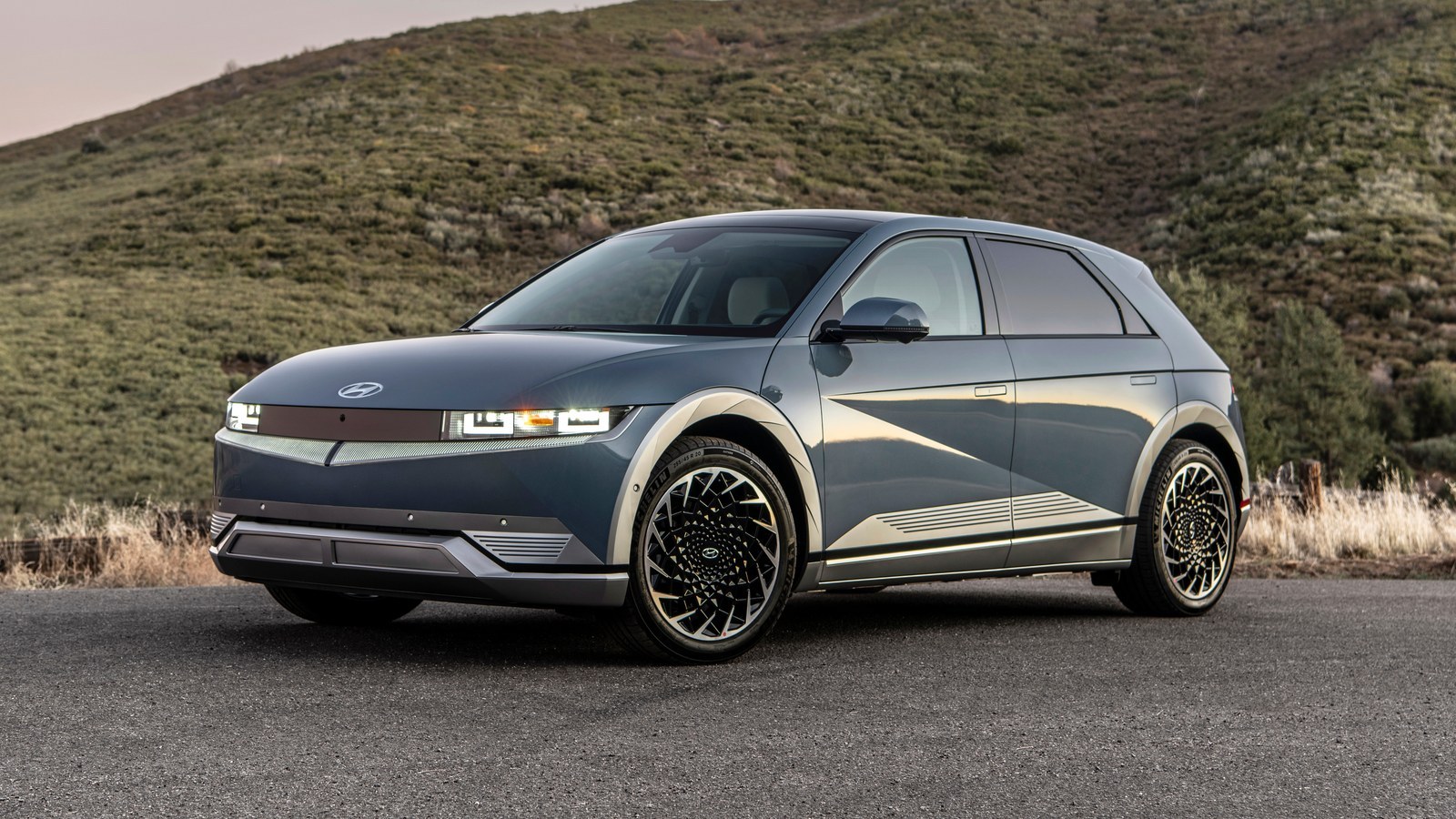
A long-range compact EV crossover from 2022 or 2023, a Hyundai Ioniq 5 or a Tesla Model Y, carries an EPA consumption rating of roughly 28 to 30 kWh per 100 miles. At 30 kWh and home rates, that is 3,600 kWh and about $655 a year. A comparable gas crossover rated at 28 mpg combined burns about 429 gallons, or $1,811 at today's price. The EV saves roughly $1,156 a year, which recovers a $2,137 premium in about 22 months.
Run the same numbers at last October's $3.04 gas and the gas crossover costs $1,302 a year to fuel. The saving drops to about $647 and the payback stretches to 40 months. That is the part of the story the price averages miss: the used EV premium is $555 smaller than it was in August, and the fuel saving behind it is nearly $500 a year larger than it was a year ago. Both lines moved in the buyer's favor at once.
Where the math breaks
Three cases flip the result, and all three are common.
- No home charging. Public DC fast charging in much of the country runs 40 to 50 cents per kWh. At 45 cents, the same 3,600 kWh costs about $1,620 a year, within $200 of the gas car. An apartment dweller without a reliable Level 2 plug should treat the premium as a real cost, not a loan that fuel repays.
- The alternative is a hybrid, not a gas car. A used compact hybrid crossover rated at 38 mpg costs about $1,334 a year to fuel. The EV's saving shrinks to roughly $680, and the payback on a $2,137 premium runs past three years. Cox folds hybrids into its gas-car average, so the EV-versus-hybrid gap on a dealer lot is often wider than $2,137, which lengthens the payback further.
- Low mileage. At 7,000 miles a year the EV saves about $675 against gas and the premium takes more than three years to recover. Fuel math rewards commuters, not weekend drivers.
Two more line items cut the other way. The $4,000 federal credit for used EVs ended on September 30, 2025, under the IRS's previously owned clean vehicle rules, so there is no tax offset to add back. And a used EV's battery is the one component a gas car does not have: most automakers warrant the pack for eight years or 100,000 miles, which means a 2022 car is covered until 2030, but a 2018 car is close to the end of that window. A state-of-health report is worth more than a Carfax here, and our buying guide explains how to get one.
Which used EVs the numbers favor
The September data points to where supply is deepest and prices softest. Used Chevrolet Equinox EV sales rose 41.9% from August and used Nissan Ariya sales rose 42.5%, both of them two-year-old crossovers coming off lease into a market that is suddenly paying attention. Tesla still leads used EV volume outright, and the Model Y is the single most-shopped used EV, which is why it also turns fastest and discounts least. Our best-selling EVs list shows which nameplates have the three-year-old volume to produce real choice on used lots.
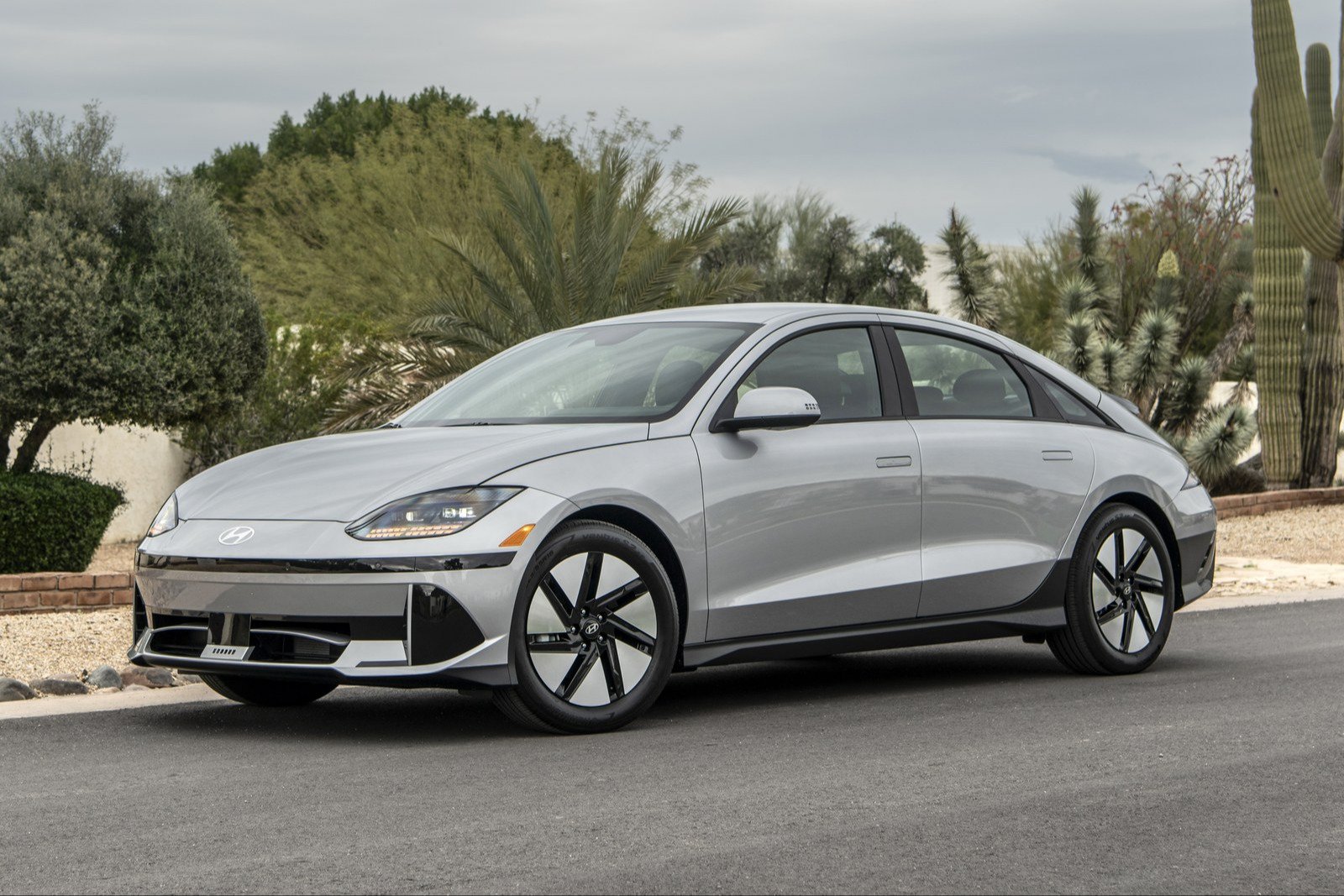
At the two ends of the market the math is different. Pickups are the exception that proves the rule: the used F-150 Lightning has fallen far enough that it undercuts a comparable gas F-150, so there is no premium to recover and the fuel saving is pure gain. At the other end, an orphan brand changes the equation entirely. A used Polestar 2 can look cheap next to a Model 3, but the discount is pricing in a brand that is leaving the U.S. market, and no amount of fuel saving fixes a software update that never arrives.
What we don't know yet
Cox publishes listing prices, not transaction prices, so the real-world premium could be smaller than $2,137 or, for scarce models, larger. The October EV Market Monitor is due in mid-November and will show whether the September narrowing continued. AAA's weekly number has drifted down 4 cents in seven days; if gas falls back toward $3.50, the payback above stretches by roughly a year. And nobody has good data yet on how the first wave of 2023 lease returns, the largest EV lease cohort to date, will price once it hits wholesale in volume.
The bottom line
If you drive 12,000 miles a year, can charge at home, and are cross-shopping a gas car, a $2,137 used EV premium is not a premium. It is a prepayment on roughly two years of fuel, and it pays off faster now than at any point since the credit expired. If you lack a home plug, drive little, or were going to buy a hybrid anyway, pay the premium only for a car you want on its own merits, because the fuel math alone will not carry it.