Used Polestar 2 and 3 Buying Guide: Prices, Warranty, Software, and the Orphan-Brand Risk
A typical 2024 Polestar 2 now asks about 40 percent below its sticker. Here's what Polestar guarantees owners, what it hasn't dated, and who should take the bet.
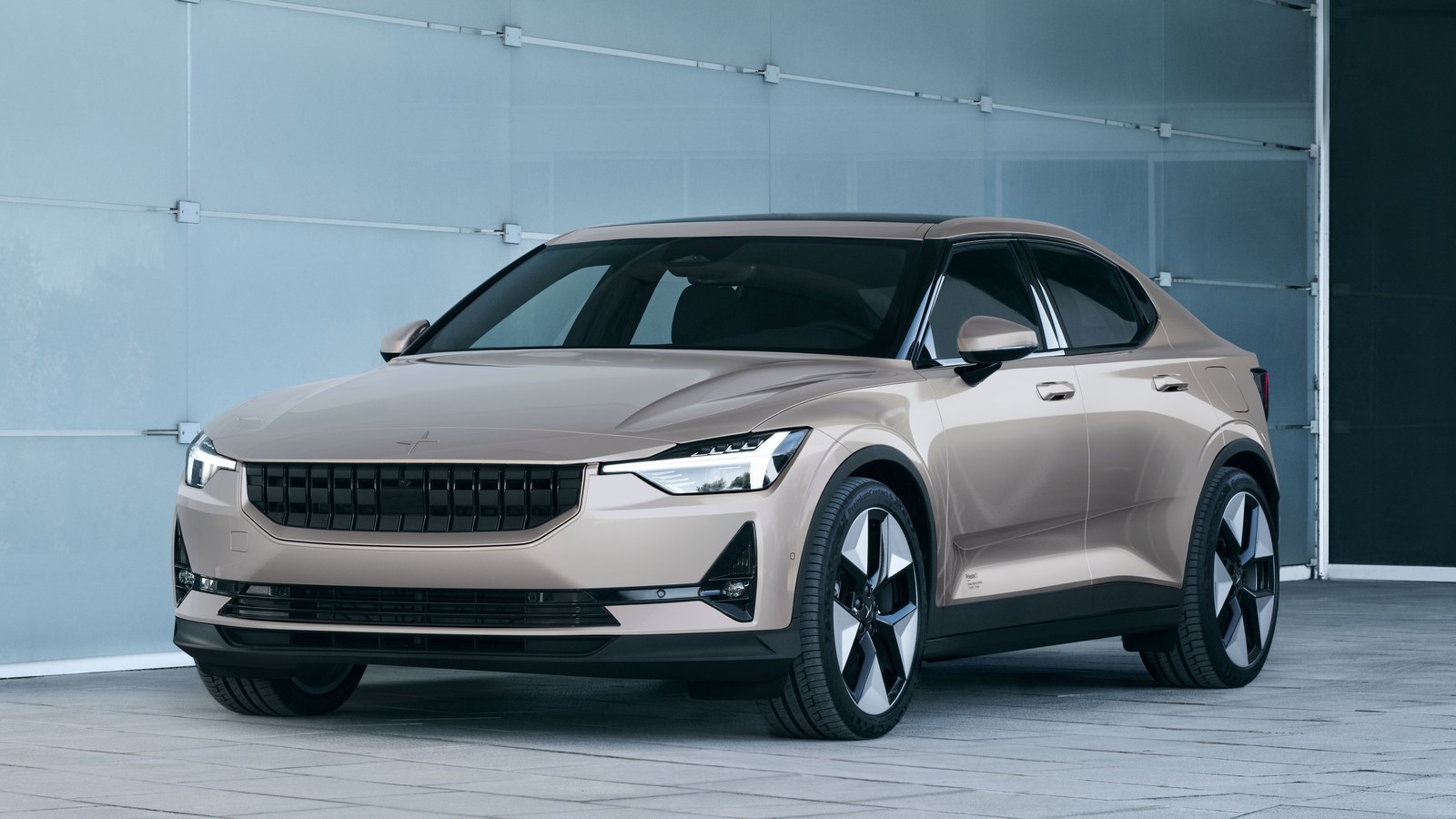
Polestar's American story now has an end date. A Commerce Department decision under the Connected Vehicle Rule bars the brand from selling 2027-model-year cars here, so once the last new Polestar 3 and Polestar 4 leave retailer lots, no new Polestars will be sold in the U.S. Every Polestar 2 fastback already on American roads becomes an orphan: its maker is still in business, but it can no longer sell you a new one.
That is exactly why used prices look tempting. The question isn't whether a used Polestar 2 is cheap. It is. The question is whether the discount covers what is genuinely uncertain. Our explainer on the Connected Vehicle Rule covers why Polestar is out and Volvo is not. This guide is about the car you might buy: what is guaranteed, what isn't, and who should take the bet.
What Polestar has promised U.S. owners
Polestar has put its commitments on a U.S. page it calls the Polestar Promise. It says existing warranties stay in effect under their original terms, a certified service network keeps doing maintenance and repairs with genuine parts, over-the-air software updates continue, U.S.-based support stays available by phone and chat, and 24/7 roadside assistance still runs through the car's Connect button. Existing leases are unchanged.
What the page doesn't do is put a date on any of it. There is no stated end point for software support, for connected services, or for how long any given retailer keeps its service bays open. Motor1 reported that the U.S. network consists of 32 retailers, which it expects to lean on service work once new-car inventory runs out. Polestar has also said it will keep its pre-owned business running in the U.S., according to autoevolution.
The risk calculator: what's locked in, and what isn't
Locked in, as long as the paperwork is clean:
- Factory warranty. Polestar's U.S. terms cover the car for 4 years or 50,000 miles and the battery and electric motors for 8 years or 100,000 miles. Polestar says it replaces the battery at no cost if its state of health drops below 70 percent of original capacity within those 8 years.
- Certified pre-owned coverage. A Polestar service bulletin filed with NHTSA in February 2025 describes a two-year, unlimited-mileage extension beyond the factory 4-year/50,000-mile warranty, with scheduled maintenance included during that term.
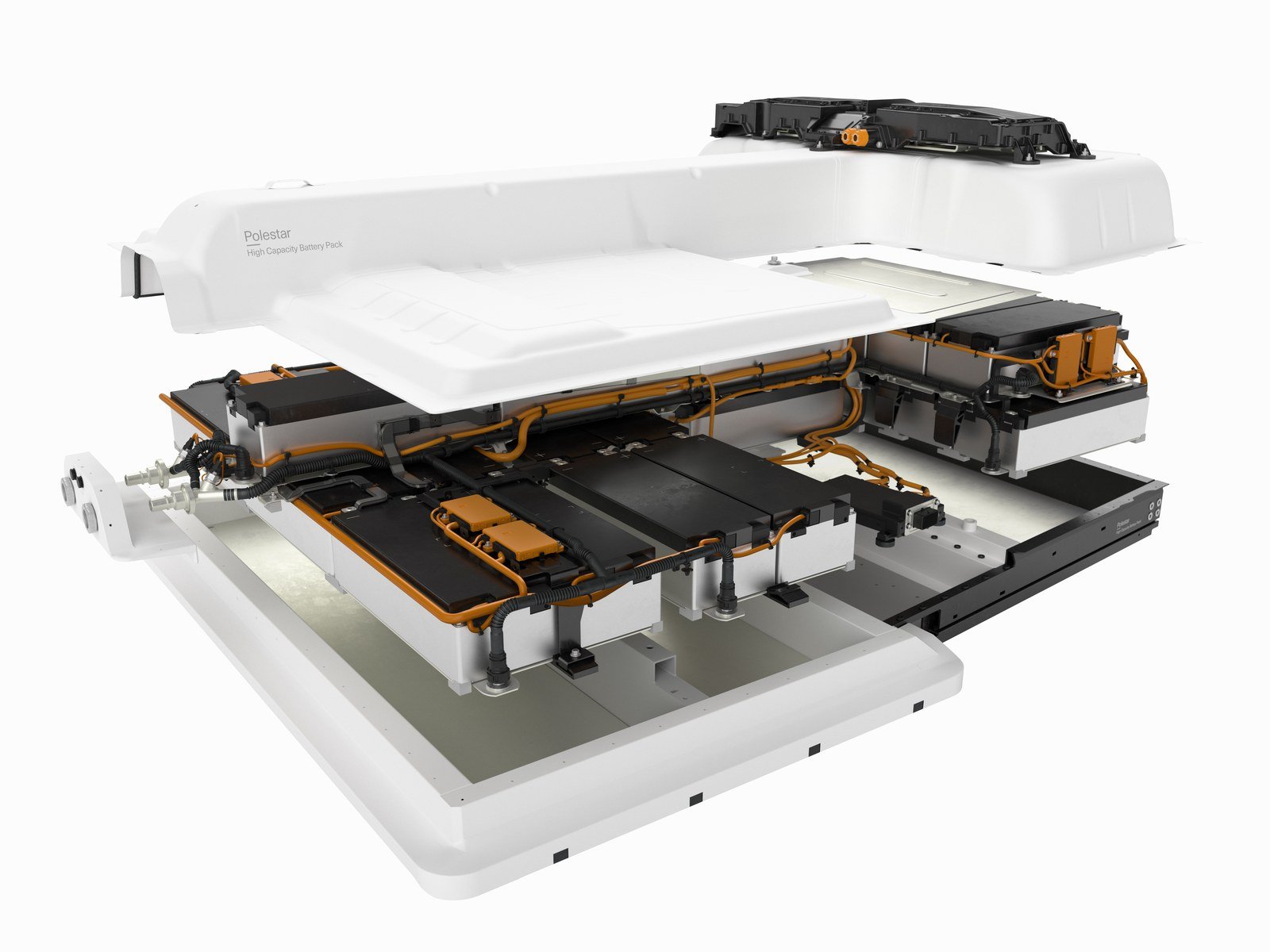
- Volvo on the battery side. Polestar says replacement batteries for the Polestar 2 and Polestar 3 are refurbished at Volvo Cars battery centers. Volvo, unlike Polestar, won Commerce authorization to keep selling cars in the U.S.
Open questions:
- Software. How long over-the-air updates continue, and whether they bring new features or only fixes. On April 30, 2026, Polestar began rolling out Google Gemini to U.S. cars with Google built-in, so the software was still moving forward before the June decision. Nothing since then sets a horizon.
- Connected features. Google built-in services, the Polestar app, the digital key, and remote climate control all depend on connectivity that Polestar has promised but not dated.
- Service distance. A national network doesn't help if your nearest service point closes.
What the price gives you: a car that has already absorbed most of its depreciation, so the orphan discount is largely baked in.
What a used Polestar 2 costs now
These are the average asking prices iSeeCars tracks for the Polestar 2 by model year:
- 2024: $30,836
- 2023: $27,397
- 2022: $23,370
- 2021: $22,167
They are dealer asking averages, not transaction prices, and iSeeCars doesn't split them by version. For context, the cheapest 2024 Polestar 2 stickered at $51,300 including destination, InsideEVs reported, so a typical 2024 now asks about 40 percent less. For 2025, Polestar sold only the Dual Motor with Performance Pack, at $66,200 with destination, before the China-built car left the U.S. configurator over tariffs.
Which Polestar 2 to buy
The 2024 model year is the dividing line. That year the single-motor car switched from front- to rear-wheel drive, with a larger 82-kWh battery and a 295-hp (220-kW) motor in place of the old 228-hp (170-kW) unit. EPA range ratings by version:
- 2022–2023 Long Range Single Motor (FWD): 270 miles. Polestar's 2022 rating was 37 miles above its 2021 estimate, electrek reported at the time.
- 2023 Long Range Dual Motor: 260 miles, with or without the Performance Pack.
- 2024 Long Range Single Motor (RWD): 320 miles on 19-inch wheels, 307 miles on 20s.
- 2024 Long Range Dual Motor: 276 miles on 19s, 266 miles on 20s, and 247 miles with the Performance Pack.
For a city second car, a 2022–2023 single motor does the job at the lowest price. If the car will see regular highway work, the 2024 rear-drive single motor is the pick: 50 more miles of EPA range and a quicker 0–60 mph time of 5.9 seconds versus 7.0, according to InsideEVs.
The Polestar 3 question
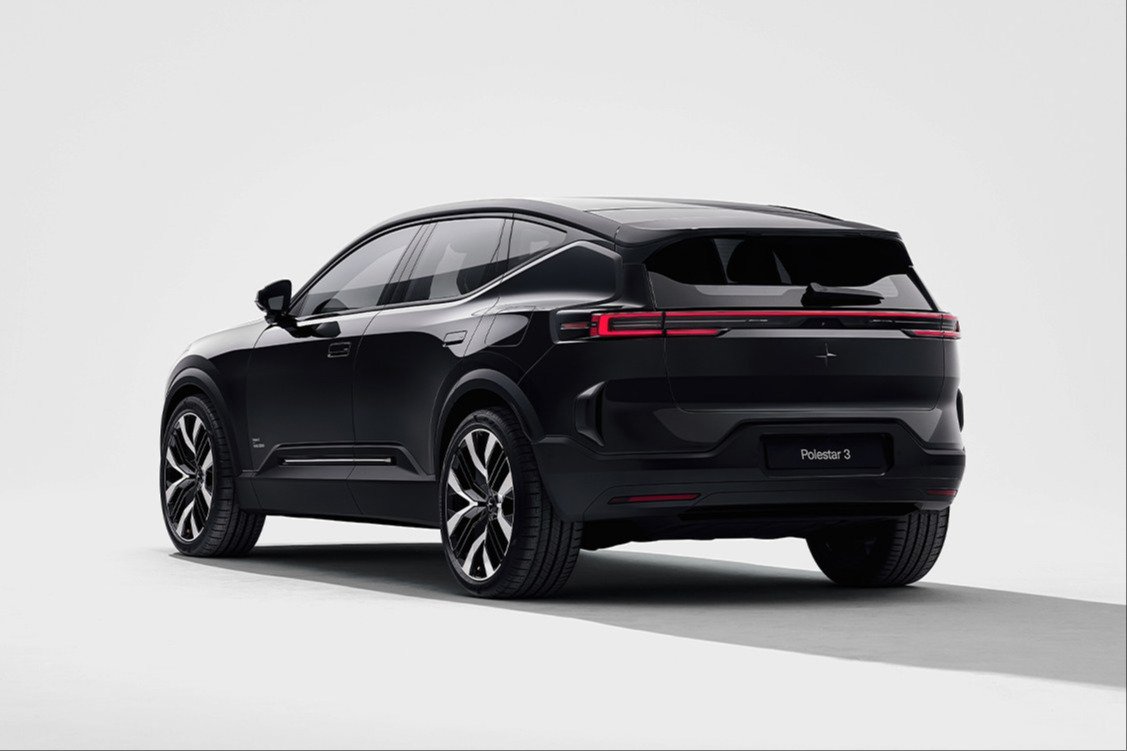
The Polestar 3 story is mostly about new cars, not used ones. The clearance behind Polestar's record U.S. quarter is still running: Polestar's U.S. offers page lists $25,000 off a cash or financed Polestar 3 Long Range Dual Motor, against a $74,800 MSRP including destination, through November 2. The same page says inventory is nearly gone and points shoppers to demo and loaner cars. Used Polestar 3s on iSeeCars span $45,682 to $88,762 in asking prices, which makes a discounted new car with a full warranty the cleaner buy, if you can find one.
The Polestar 3 is built at Volvo's plant in Ridgeville, South Carolina, which Volvo and Polestar said in March will become its only production site worldwide, electrive reported. It shares the SPA2 architecture with the Volvo EX90 built alongside it. That doesn't change Polestar's legal status, but it puts the car's hardware in a Volvo factory on U.S. soil.
What earlier orphans tell you
Polestar's case is unusual. The company isn't in bankruptcy; it has lost the right to sell new cars here. History still offers a range of outcomes.
- Suzuki, 2012. American Suzuki filed for Chapter 11 in November 2012 and stopped selling cars in the U.S. It said warranties would be fully honored and that parts and service would continue through dealers, which shifted to service work, Rider Magazine reported.
- Saab, 2011–2013. After Saab's bankruptcy, owners of 2010 and 2011 models were left without warranty coverage. In January 2013, Saab Parts North America launched protection plans for those cars, AutoGuide reported, after a December 2012 deal with GM covered service on older Saabs still under GM warranty.
- Fisker, 2024. Fisker filed for Chapter 11 on June 18, 2024. Owners spent months fighting over who would pay labor on recall repairs until a court-approved plan in October 2024 took that cost off them. The bigger lesson was software: the Ocean depends on cloud servers, and the leasing company that bought Fisker's remaining fleet agreed to pay $2.5 million over five years to take over the cloud services that keep the cars online, TechCrunch reported.
The pattern is clear enough. Warranties and parts held up best when a solvent parent stayed committed, as Suzuki's did. Connected features are the newer risk, and Fisker showed they last only as long as someone pays for the servers.
Who a used Polestar suits, and who it doesn't
Good fit:
- A second car for city and suburban driving.
- A buyer with home charging.
- Someone planning to keep it three to four years, ideally inside the remaining factory warranty or a certified pre-owned extension.
- Anyone within easy reach of a Polestar service point.
Poor fit:
- A household's only car for long road trips.
- Anyone who keeps cars eight years or longer.
- Drivers who rely heavily on app-based remote features.
- Buyers far from a service point, or who need a predictable trade-in value.
Inspection checklist for a used Polestar 2
The general battery-health checks in our used EV buying guide apply here too. These are the Polestar-specific ones:
- Recalls. Run the VIN at nhtsa.gov. The big one is the rearview-camera campaign covering 27,816 Polestar 2s from the 2021–2025 model years, first filed as 24V-477 and updated in May 2025 as 25V-280. Polestar acknowledged that an April 2025 software fix didn't correct the original problem, and NHTSA reopened its recall query that July, Reuters reported. Ask for proof the latest remedy is installed.
- Software version. Check it in the center display's settings and ask a Polestar service point whether it's current. A car that has fallen behind may be missing fixes.
- Battery. Ask a service point for a battery health readout before you buy. The warranty threshold is 70 percent within 8 years or 100,000 miles.
- Warranty clock. Confirm the original in-service date. Early cars are aging out of the 4-year/50,000-mile coverage.
- Pilot Pack. On 2023 cars it bundles Pilot Assist lane centering, adaptive cruise control, the 360-degree camera, blind-spot monitoring with steer assist, and cross-traffic alert with brake support, per Polestar's U.S. spec page. Confirm it's actually fitted, not just listed.
- Accounts and connectivity. Make sure the seller removes the car from their Polestar and Google accounts, then test the app pairing, digital key, and Connect button before you pay.
- Service point. Find your nearest one on Polestar's site and call it. Motor1 advises getting written confirmation that it will keep operating as an authorized service center.
What we don't know
- How long Polestar will keep supporting software and connected services in the U.S. It has given no end date.
- What a used Polestar 2 will be worth in three years. We know of no precedent for an EV brand leaving the U.S. by government decision while its sister brand keeps selling here.
- Whether Ridgeville keeps building the Polestar 3 for other markets after the 2026 model year, and what that would mean for U.S. parts supply.
- Whether replacement connectivity modules count as restricted imports once the rule's hardware ban arrives with the 2030 model year. The rule targets imports and doesn't require cars already on the road to be modified.
Abroad, the next chapter is a new-generation Polestar 2 previewed by the Formula 2030 concept, planned for 2027 and not cleared for U.S. sale.
The verdict
A used Polestar 2 is a reasonable buy if you price the risk in rather than ignore it. The safest version is a 2024 Long Range Single Motor with warranty remaining, bought as a certified pre-owned car from a Polestar retailer, for someone who charges at home, lives near a service point, and plans to move on within four years.
The riskiest is an early, high-mileage car out of warranty, bought as an only car by someone who wants to keep it for a decade. Everything in between depends on one question Polestar hasn't answered yet: how long "fully supported" lasts.