Why EVs Still Lose Money: What Q3 Showed at VW, Ford, GM, Rivian, and Tesla
Batteries, idle plants, discounts, and vanished subsidies explain why most automakers still lose money on EVs, and why Tesla is the exception.
Volkswagen's finance chief put it plainly on October 29. "The market success of our electric vehicles is putting additional pressure on our earnings, as we currently earn less from electric vehicles than from combustion-engine vehicles," Arno Antlitz said in the group's nine-month results release. Two weeks later it is still being quoted, and the rest of the industry's third-quarter numbers back it up.
The third-quarter reports explain why. Ford's EV unit lost more money than it took in. Rivian's vehicles lost money before overhead. Lucid lost money on every car it delivered. Tesla is the exception, and even it lost most of a revenue line that used to cushion its profit. We ranked the quarter's overall winners and losers in our Q3 earnings scorecard; this piece looks only at the EV business and breaks the loss into its parts.
What the companies reported
Not every automaker reports EV results on their own. Ford and Rivian do. GM and Volkswagen don't, so their rows show charges and statements instead of a profit figure. Per-vehicle figures are our math from each company's numbers.
| Company | Q3 2026 EV result | What management says | What it is changing |
|---|---|---|---|
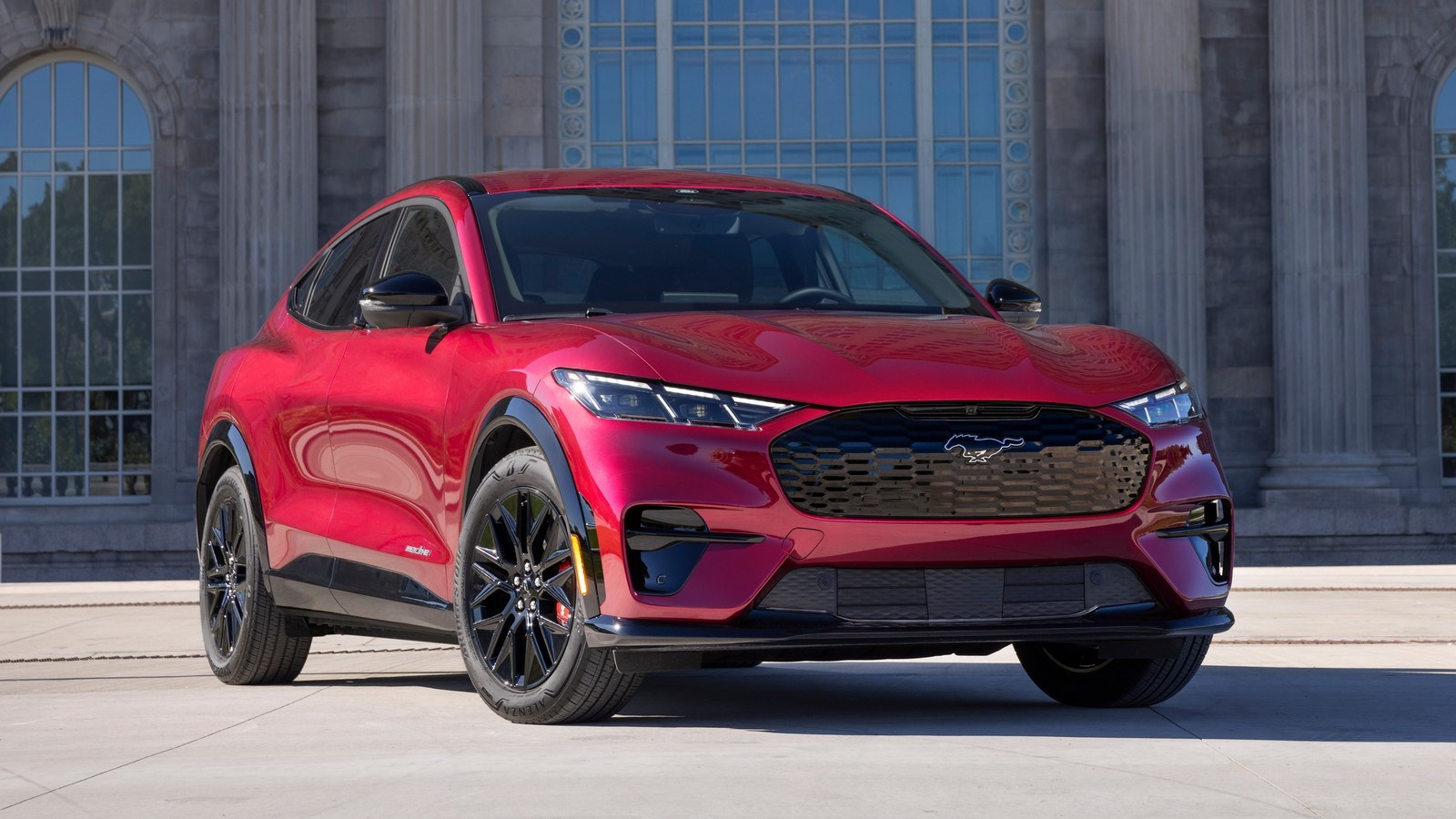
| Ford (Model e) | EBIT loss of $1.1 billion on $1.2 billion of revenue and 34,000 wholesales; more than $30,000 per vehicle, including spending on future models | Full-year Model e loss of about $4 billion; profitability targeted for 2029 | Universal EV Platform; first model is a midsize pickup with a targeted price of about $30,000, built in Louisville from 2027 |
| General Motors | No EV profit figure; $238 million of "EV strategic realignment" charges, against $1.59 billion a year earlier | $3.59 billion of such charges this year through September; $7.4 billion in cash charges since mid-2025 | Orion Assembly, once planned for electric pickups, joins gas pickup production in the second quarter of 2027 |
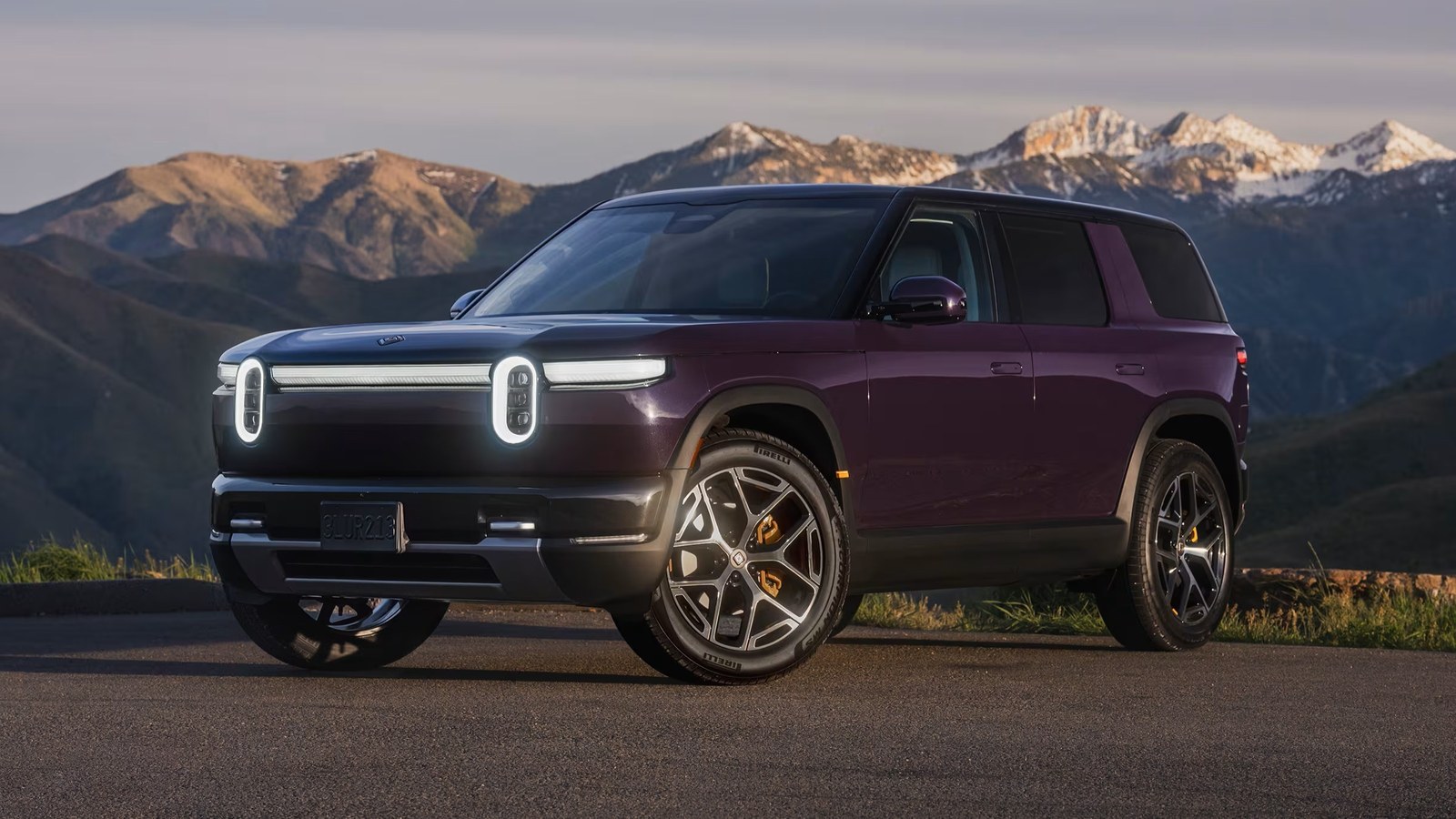
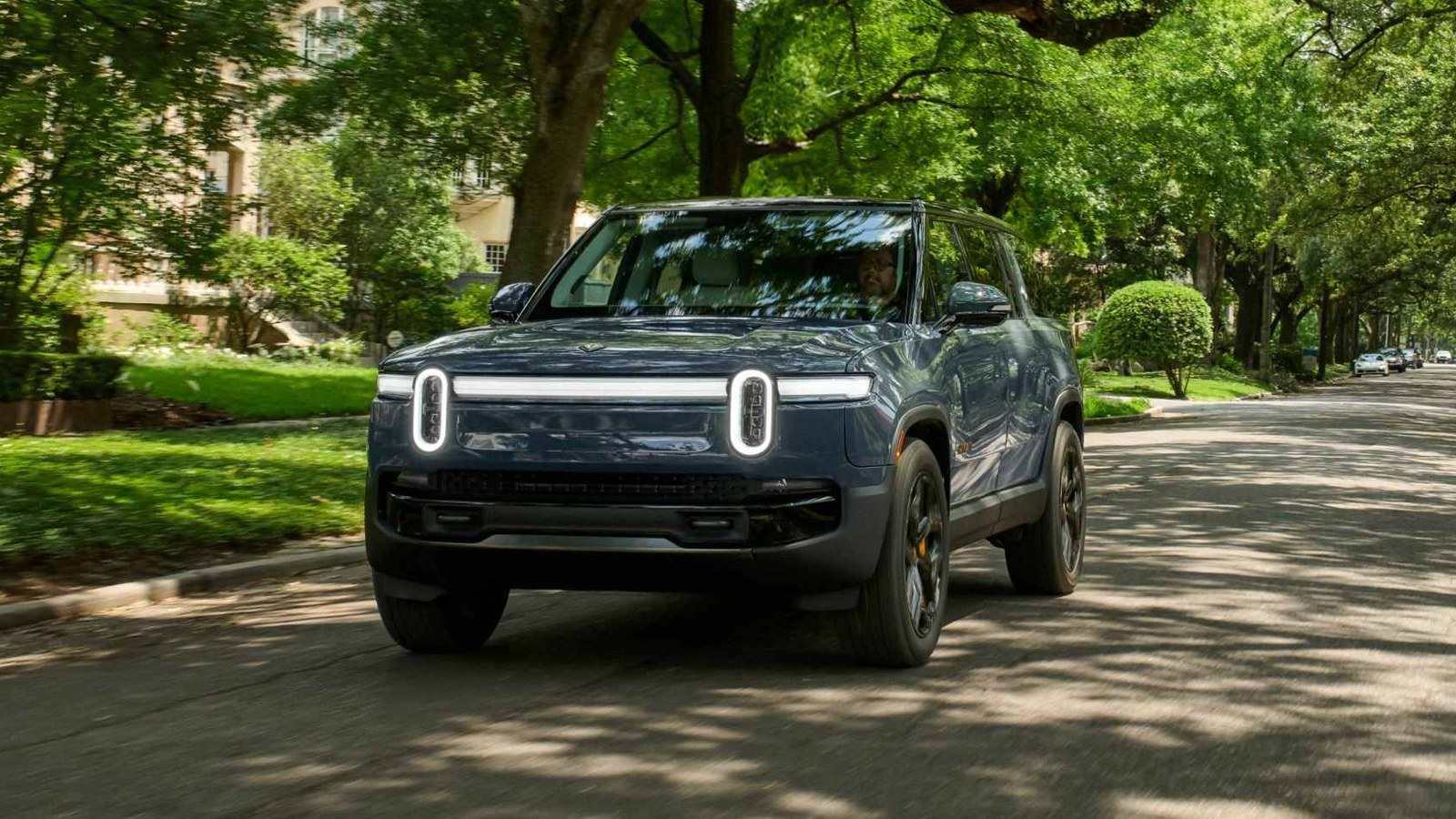
| Rivian | Automotive gross loss of $80 million, about $4,200 per vehicle; about $8,400 without $81 million of regulatory credits | R2 launch added about $120 million of costs; cost per vehicle fell more than $12,000 from the second quarter | Second R2 shift in Normal, Illinois; 2026 adjusted EBITDA loss of $1.75 billion to $1.85 billion |
| Lucid | Gross loss of $258.3 million on 3,806 deliveries, about $68,000 per vehicle | Funding runway into the fourth quarter of 2027 | Cheaper Midsize platform, series production planned for the second half of 2027 |
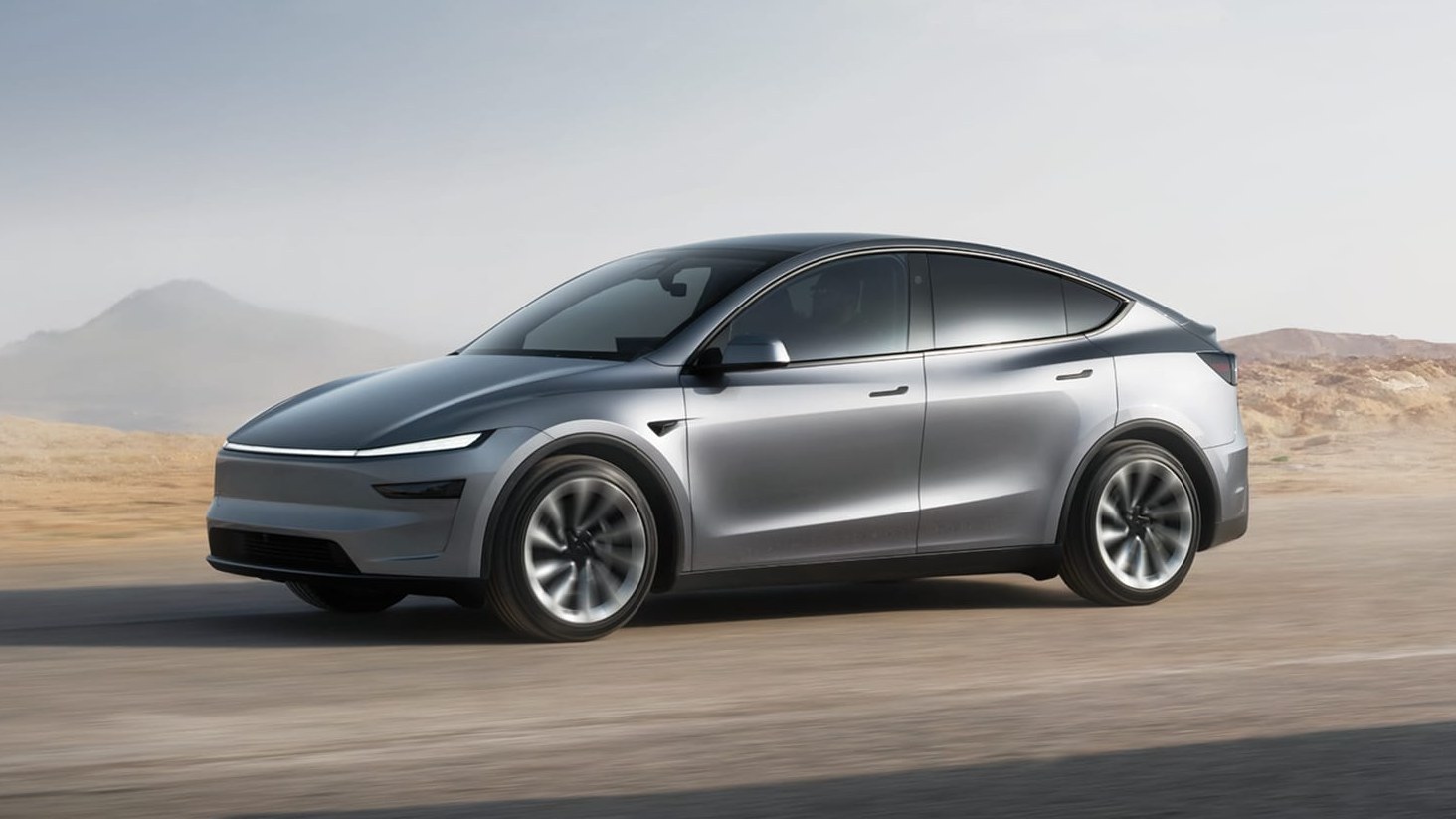
| Tesla | Automotive gross margin excluding regulatory credits of 18.1%, up from 15.4% | "Battery availability" limited vehicle volume; credit revenue fell to $113 million from $417 million | No new lower-priced model announced; R&D up 69%, largely on AI work |
| Volkswagen Group | No EV profit figure; group operating margin before special items of 3.8% after nine months | EVs earn less than gas models; margins "fully comparable only with our future SSP platform" | About €31 billion cost program; U.S. ID.4 production ended in Chattanooga |
Antlitz made the SSP comment on VW's first-quarter call in May, as InsideEVs reported. VW originally planned that platform for 2026 and now expects it toward the end of the decade.
1. The battery still costs too much here
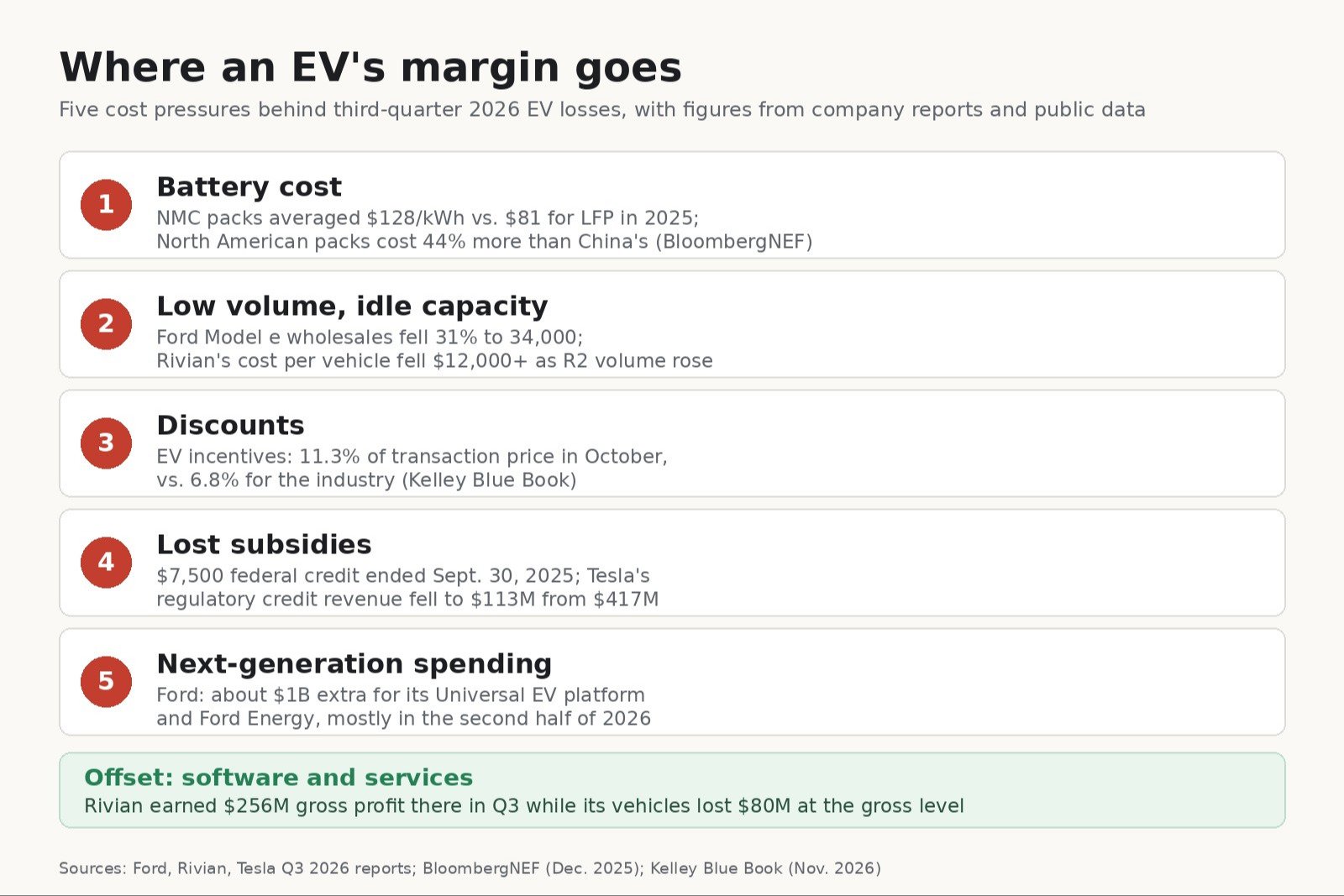
Battery prices kept falling, just not evenly. BloombergNEF's December 2025 survey put the average EV pack at $99 per kilowatt-hour, the second year below $100. Chemistry matters: across all uses, lithium iron phosphate (LFP) packs averaged $81 per kWh and nickel-based NMC packs $128. Geography matters more. North American packs cost 44% more than China's, and they fell only 4% in a year. BNEF usually publishes its annual survey in December.
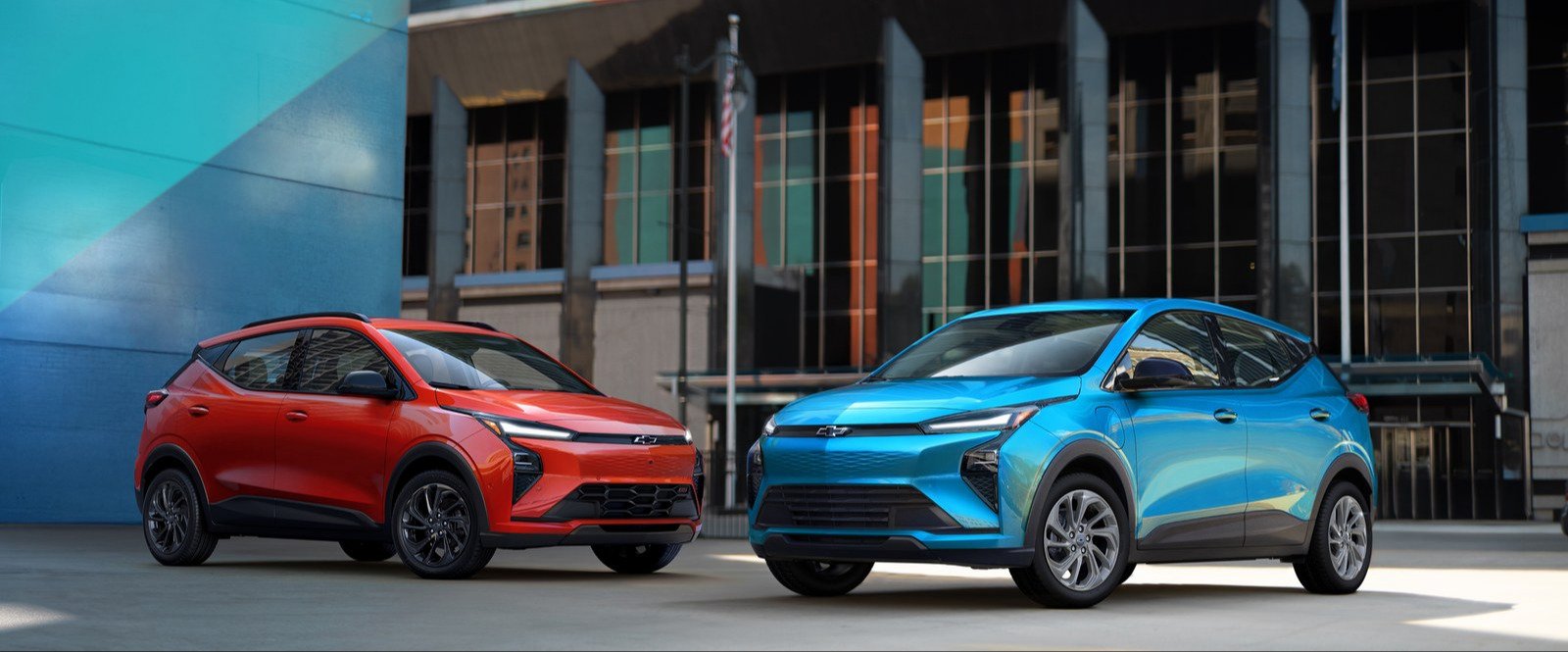
That gap explains the rush to LFP. The 2027 Chevrolet Bolt, at $29,990 including destination, uses a 65-kWh LFP pack built from prismatic cells. Ford's $30,000 target pickup will use LFP prismatic cells from its Michigan battery plant.
2. Plants built for more cars than buyers want
An EV plant's costs are largely fixed, so every car not built makes the rest more expensive. Ford's EV wholesales fell 31% in the third quarter. Lucid built 2,954 cars while it sold down inventory. Kelley Blue Book counted 266,630 U.S. EV sales in the quarter, 38.6% fewer than a year earlier.
Rivian shows the same math working in reverse. As the R2 added volume, its cost to build each vehicle fell by more than $12,000 in one quarter. It still lost money, partly because a launch is expensive: Rivian says ramping the R2 cost about $120 million more than normal output would have.
3. Discounts that gas cars don't need
EVs still sell at a markdown. Incentives averaged 11.3% of the transaction price for a new EV in October, against 6.8% for the whole market, according to Kelley Blue Book. On an EV that sold for $56,220 on average, that is roughly $6,350 a car by our math.
4. The subsidies are gone
The $7,500 federal purchase credit ended on September 30, 2025, so the third quarter of 2026 was compared with the last quarter that had it. Automakers replaced part of it with lower stickers, which comes out of their margins.
The second subsidy was less visible. EV makers used to sell compliance credits to companies that fell short of fuel-economy and emissions rules. Congress set the fuel-economy penalty to $0 in July 2025, and the EPA repealed federal vehicle greenhouse-gas standards in February 2026. Tesla's credit revenue fell 73%, and its 10-Q shows it reversed $475 million of credit revenue because buyers returned previously delivered credits. We traced who gained and lost in our analysis of CAFE credits after the $0 penalty.
5. Paying for the next generation
Part of every loss is spending on cars that don't exist yet. Ford warned in July that about $1 billion of extra spending on its Universal EV Platform and its Ford Energy storage business would fall mostly in the second half of 2026, which is one reason Model e lost more this quarter than in the second. Volkswagen is paying for SSP and a joint venture with Rivian. That work earns Rivian money: its software and services segment made $256 million in gross profit, enough to give the whole company a $176 million gross profit despite the vehicle loss.
Why Tesla is different, and why the rest copy hybrids
Tesla's 18.1% margin on cars, without credits, is, in my view, the closest thing to a profitable mass-market EV business in America. It has built the same two models in high volume for years, and it sold about 54% of the country's EVs last quarter, by Kelley Blue Book's estimate. That combination of scale and mature cost is the thing the others are still paying to build. I'd argue Rivian's $12,000 drop in one quarter shows how much of the gap is volume rather than technology.
Meanwhile, buyers are rewarding the cheaper fix. Toyota said electrified models, mostly hybrids, made up 57.4% of its third-quarter U.S. sales. The RAV4 is now sold only as a hybrid or plug-in, and Honda's next CR-V will follow, as we covered in what is left of the gas compact SUV. Ford now expects hybrids, extended-range EVs, and EVs together to reach about half of its global volume by 2030.
What we don't know
- GM and Volkswagen don't break out EV profit, and we found no EV-only figures from Hyundai or Kia, so their EV losses can't be measured directly.
- Tesla hasn't named the companies that returned credits or the programs involved.
- Volkswagen hasn't said what ending U.S. ID.4 production cost or when the ID. Tiguan arrives.
- Lucid's runway assumes its Midsize program stays on its late-2027 schedule. Its financing is covered in our Lucid Q3 report.
What's next
The companies have set their own tests. Ford says Model e will be profitable by 2029, with the $30,000 pickup arriving in 2027. Lucid's Midsize is due in the second half of 2027, and Volkswagen ties margin parity to SSP. Our report on VW's third quarter covers the rest of its results. Fourth-quarter results, due early next year, will be the first compared with a full year without the federal credit.