Carmakers Aren't Raising Prices. They're Deleting Trims
Trim-for-trim, 2027 stickers moved a few hundred dollars. The multi-thousand jumps come from base versions that quietly disappeared — and no brand has said why.
Read the 2027 price announcements one at a time and the story looks tame. The Lexus GX is up $750. The LX is up $1,100. The Nissan Rogue and the Kia Sportage each add $200. Put them side by side, though, and a second number keeps showing up next to the small one: a starting price that jumps by thousands. The gap between the two is not a price hike. It is a trim that no longer exists.
That, I'd argue, is the real pricing story of the 2027 model year. Automakers are holding trim-for-trim increases to a few hundred dollars, which is what the press releases lead with. The larger moves come from deleting the cheapest version of the car, which the releases mostly don't mention.
Where the floor moved
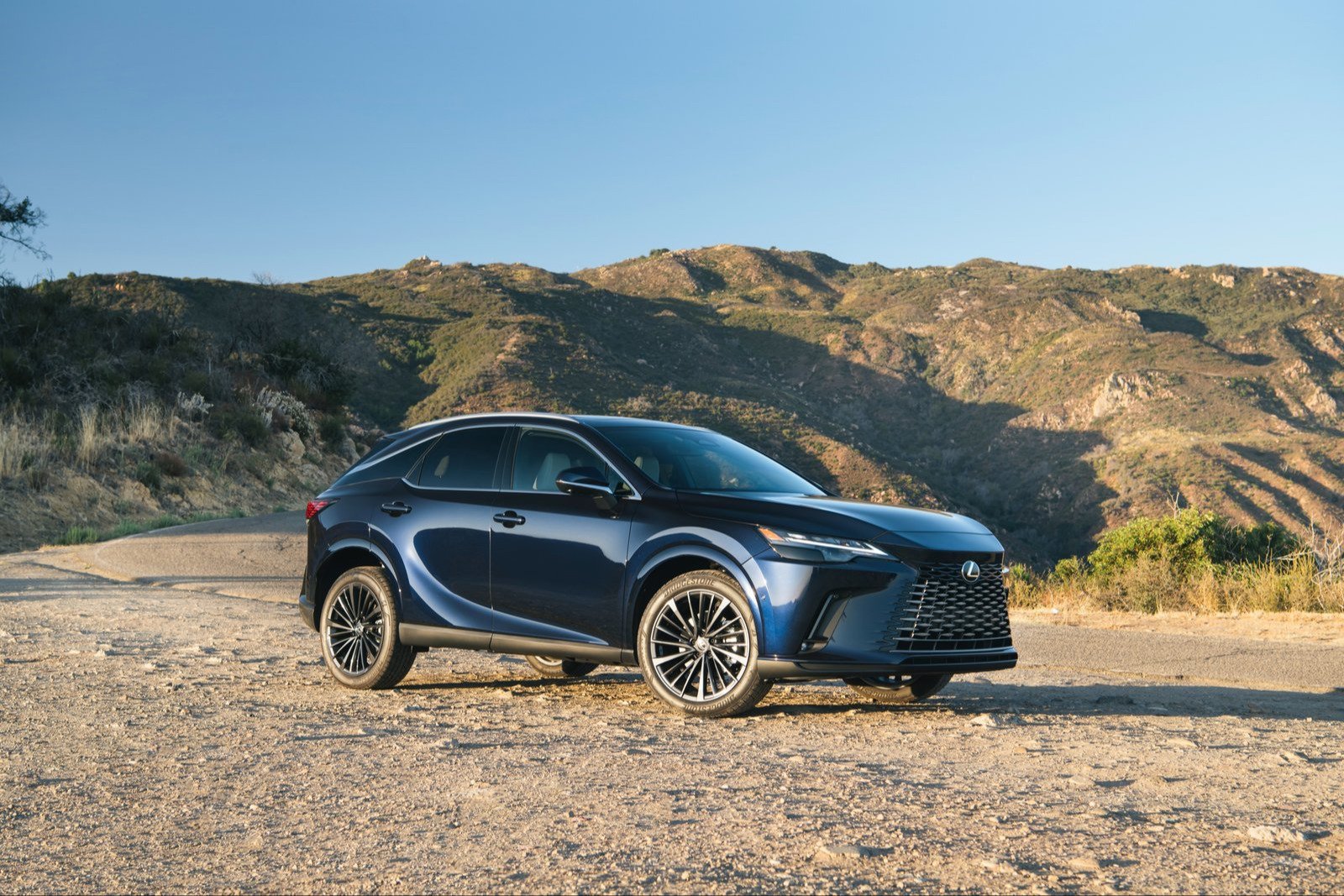
The clearest case is the Lexus RX. Every carryover grade rises $500 for 2027, the plug-in hybrids just $100. But the Standard grade is gone, so the cheapest RX went from $52,775 to $55,450. That is a $2,675 jump riding on a $500 increase, in a year when the official list of changes is red brake calipers.
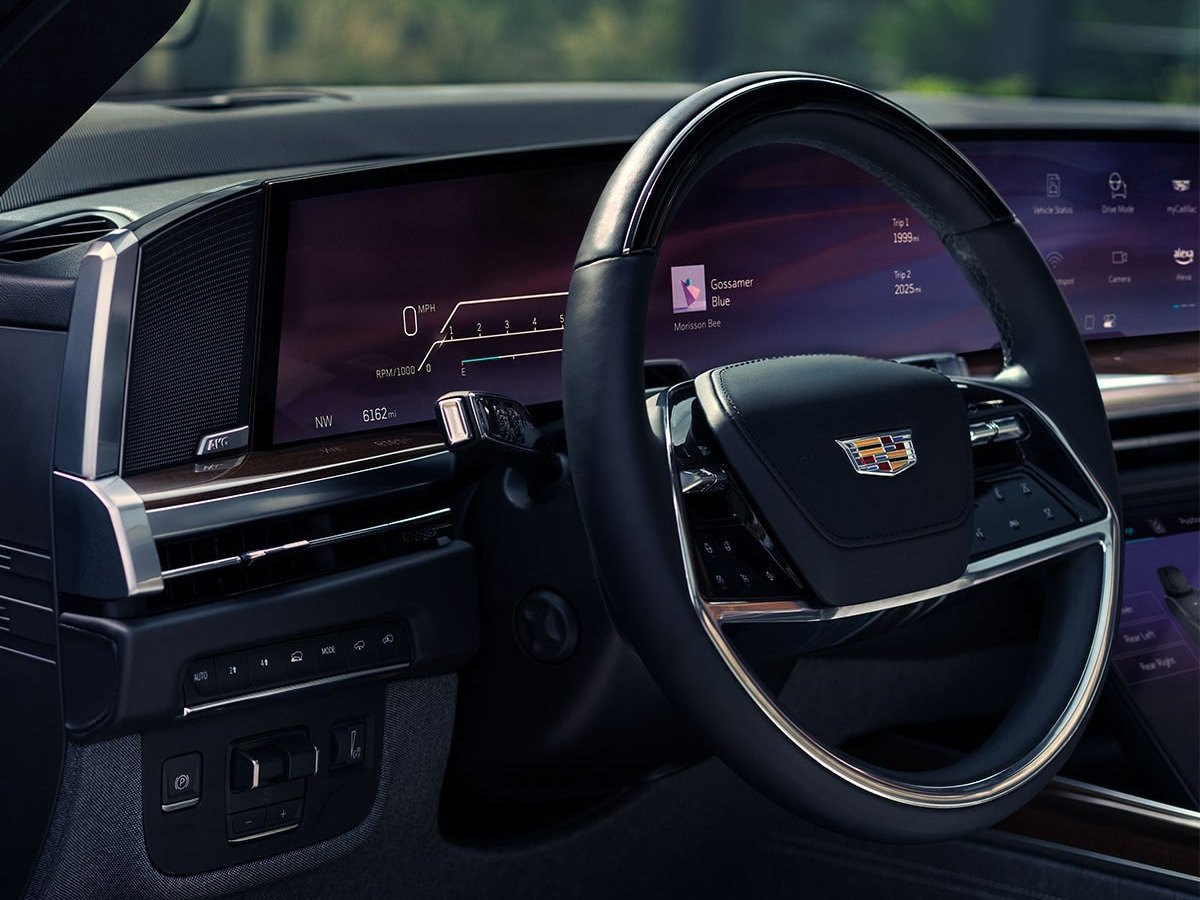
Cadillac did the same with the Escalade and said even less about it. There was no pricing release; the 1SA base trim simply wasn't there when the 2027 configurator went live. The Drive put the 2026 base truck at $93,995 with destination; the cheapest 2027 Escalade comes to $105,595 with the $2,895 fee, an $11,600 climb at the entry point.
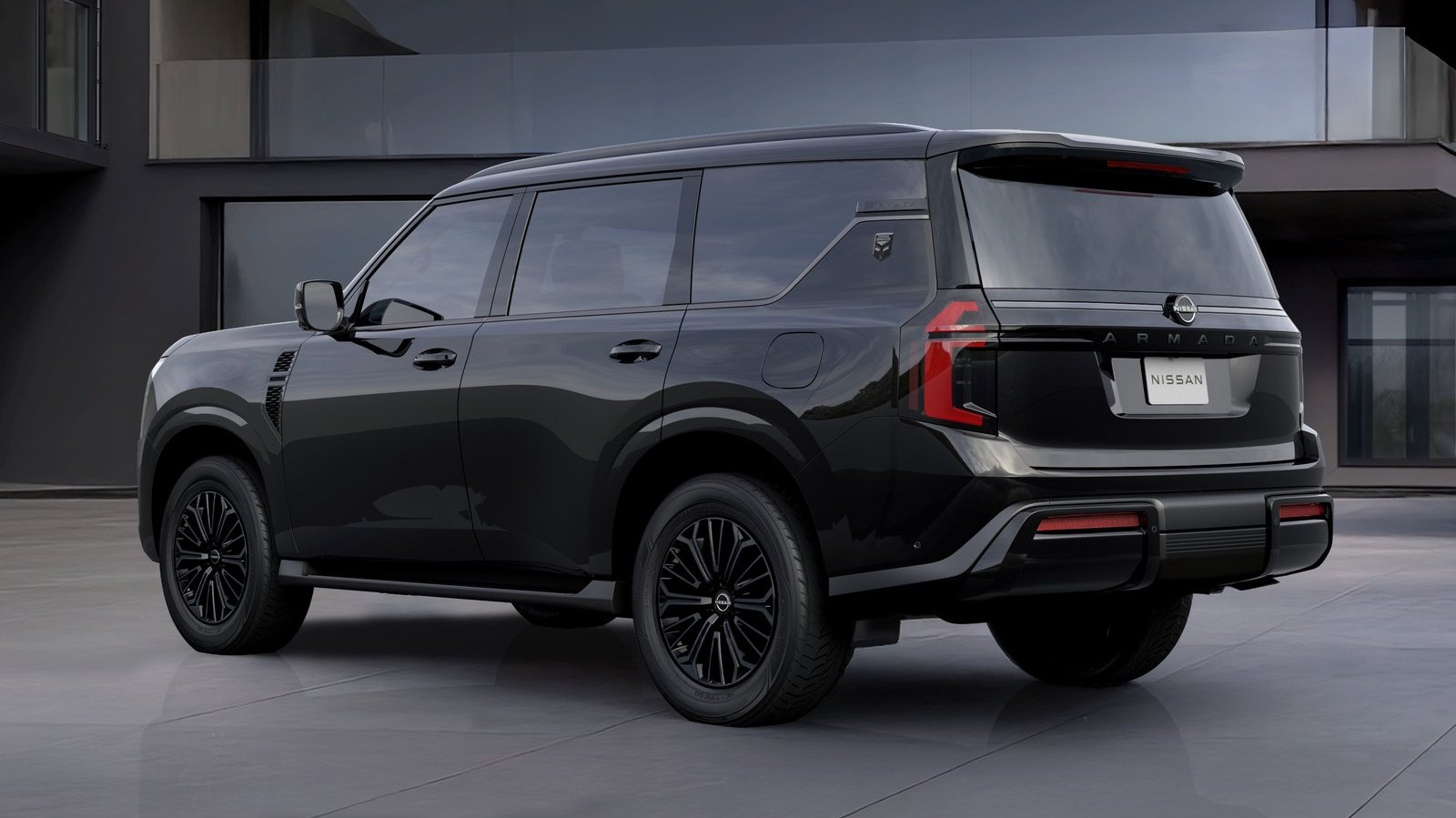
Nissan's Armada lost its SV grade. The SL that now opens the range is up $760 over the 2026 SL, but the floor rose from $58,840 to $64,290, a $5,450 difference, according to Nissan's own price sheet. Lincoln went further with the Corsair: the front-drive, gas-only Premiere is gone, every 2027 model is an all-wheel-drive hybrid, and the entry point moved from $41,480 to $48,790 with destination. Some of that buys 55 more horsepower and standard hands-free driving; the rest Lincoln has not itemized, and the car now ships from China, where Reuters puts the applicable US tariff at 52.5 percent.
Lexus has already confirmed that the 2027 NX loses both its Standard grade and the gas-only NX 350. Prices are still to come; I don't think it takes much imagination to guess which way the floor goes.
The quiet part
What makes the deletions stand out is how disciplined the rest of the pricing is. Trim for trim, the 2027 increases we have tracked sit in a narrow band: $750 to $800 on the GX, $900 to $1,960 on the LX with $100 of that in destination, $200 on every Sportage and every remaining K5, $200 on the gas Rogue. The 2027 F-150 XL lists at $40,585 with destination, according to Edmunds, against $40,085 for the 2026 truck per Cars.com, a $500 move. Toyota's Camry adds $100 on every trim, according to Autoblog; Toyota itself has not posted the numbers yet. Subaru held the Forester at zero. These are numbers a buyer shrugs at, and I suspect that is the point.
Deleting from the middle and the top
Not every cut raises the floor. Kia dropped the K5 EX, the most expensive trim, so the ceiling fell $1,200 while the entry rose $200. Chevrolet cut the redesigned Silverado 1500 from nine versions to seven, retiring the RST and LTZ and renaming the volume LT simply "Silverado" at the same $47,900. Subaru removed the gas-only Sport and Touring from the Forester and froze what remained.
The common thread is a shorter menu. My view is that it is being shaped so the versions left on it carry a higher average sticker, whichever line went missing.
Why the math works
The market makes this easy to do. Cox Automotive put the average new-vehicle transaction price at $50,089 in August, against an average sticker of $51,852. Edmunds calculates that vehicles under $30,000 fell from 40 percent of sales in 2019 to 15 percent in 2025, and those under $25,000 from about 21 percent to 4.7 percent; loans of 84 months or longer reached 22.9 percent of financed purchases in the first quarter of 2026. Cox's inventory data shows the squeeze from the other side: vehicles under $30,000 sat at 54 days of supply in August, the tightest segment on the lot, against 73 for the market as a whole.
Deleting a base trim in that environment raises the floor and lifts the average transaction price without producing a number a headline can quote. If the cheapest version was already the hardest to find, few buyers will notice the one that vanished. That is my reading, not a statement from any of the companies involved. None has explained why the trims went away, and until one does, the motive stays in the opinion column.
The case against my own thesis
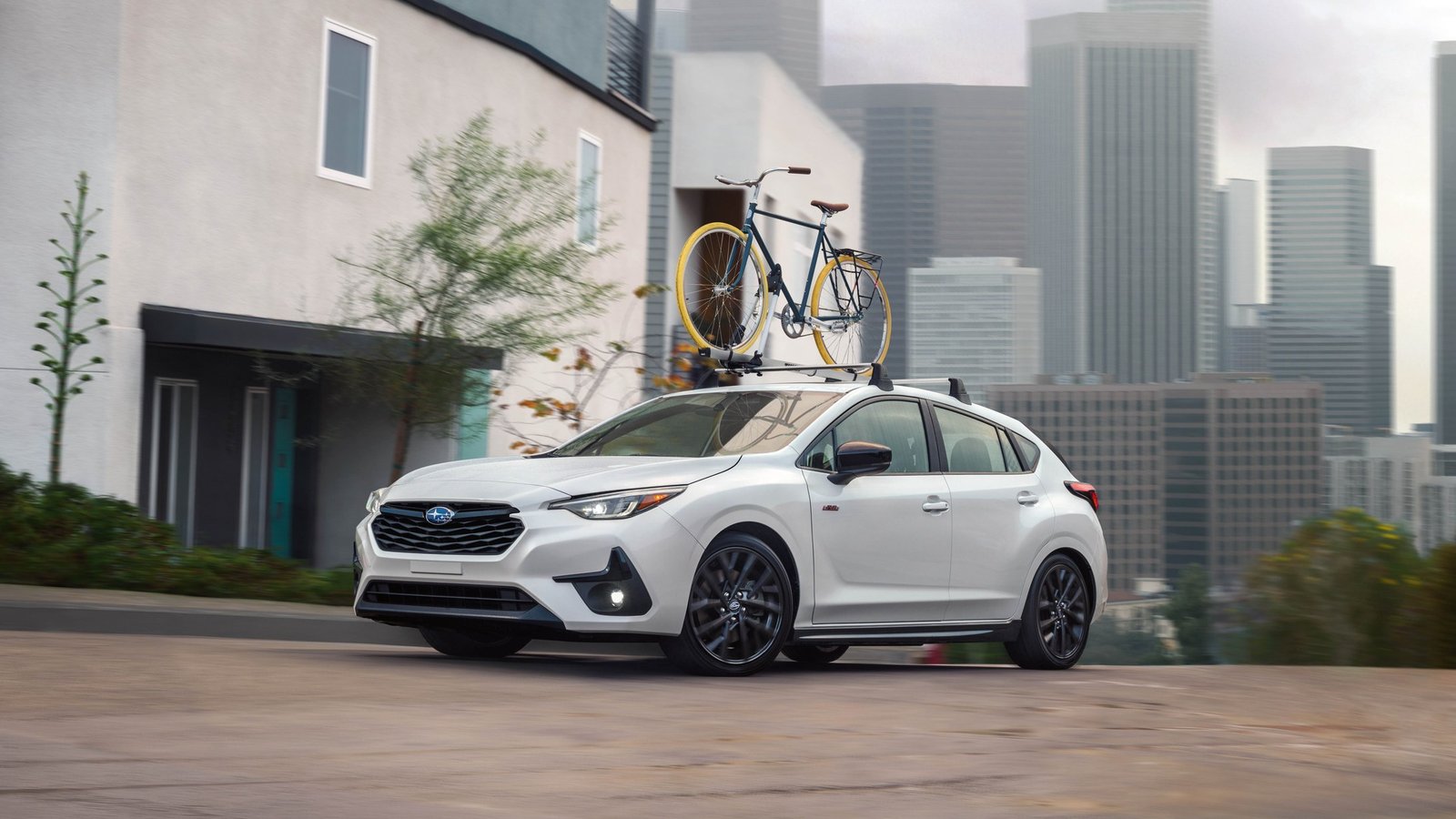
The counterexamples exist, and they are not trivial. Subaru cut the 2027 Impreza by $2,000, to $24,595, and the new base car gets the 180-hp 2.5-liter engine that used to be an RS exclusive. Ford's 2027 F-150 Tremor and Raptor open about $5,300 and $4,000 lower than before, according to Edmunds, by removing comfort equipment rather than off-road hardware. And in February 2025 Kelley Blue Book was already reporting a return of base trims, with Honda's LX on the CR-V and Pilot as the example.
The bigger hole in my argument is one nobody outside the companies can fill: we don't know how many people were buying the deleted trims. If the Escalade 1SA or the Armada SV accounted for a few percent of sales, dropping them is housekeeping, not a hidden increase. If they were a fifth of the mix, the story is exactly what it looks like. Automakers have that number; they haven't shared it.
What to do with this
Compare the trim you would actually buy with the same trim from last year, not starting price against starting price. Ask what the deleted version cost, because a leftover 2026 base car is the last of its kind and may be the better deal. And read the next round with the pattern in mind: NX pricing, the full F-150 roster, and Toyota's official Camry and RAV4 figures are still to come. My bet is that the headline increases will be small. The trim lists are where to look.