Altima vs. Camry: Is Saving $1,930 Up Front Worth Giving Up the Hybrid?
The gas Altima SV is $1,930 cheaper than the hybrid Camry LE. At $4.28 a gallon the Toyota erases that in about 33,000 miles; its AWD version costs $535 more.
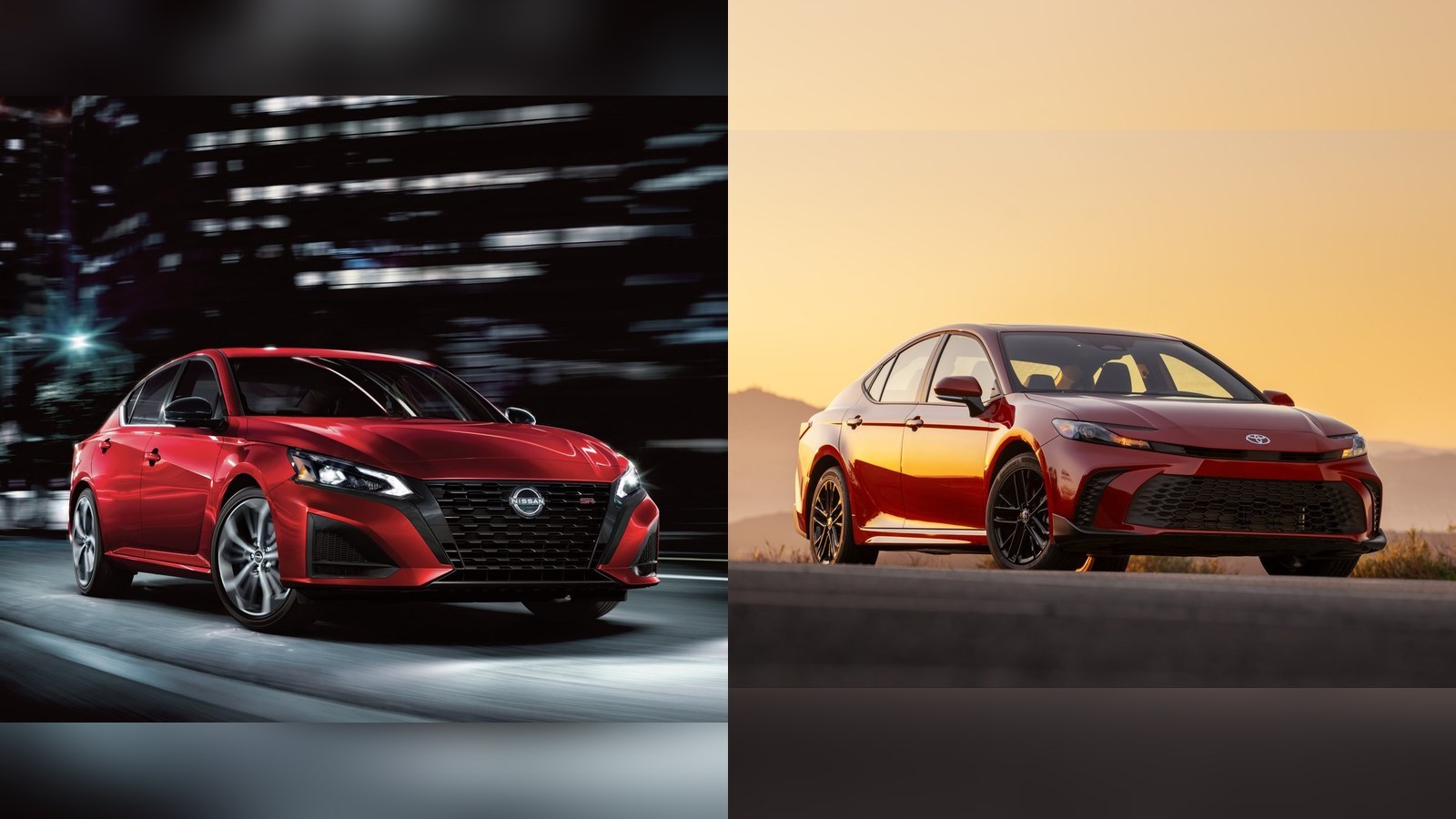
The 2027 Nissan Altima SV costs $29,065 with destination. The 2027 Toyota Camry LE costs about $30,995 on the same basis. That $1,930 is the whole argument for the Nissan, because the Camry is a hybrid rated at 51 mpg combined and the Altima is a gas car rated at 30. At today's fuel prices, the Toyota earns its premium back in roughly 33,000 miles, which for most owners is a little over two years.
Both cars are carryovers. Nissan put the 2027 Altima on sale at $27,790 with a $210 increase and a lineup trimmed to three versions, all with the same 188-hp 2.5-liter four-cylinder and a CVT. Toyota priced the 2027 Camry at $29,700, up $100, and changed nothing else about its hybrid-only, five-grade range. What's new is the math between them: gas was $3.16 a gallon in August 2025 and $4.28 this week, and that moves the break-even point in the Camry's favor.
The numbers side by side
Altima figures come from Nissan's 2027 press kit, including its EPA ratings. Camry prices are Toyota's 2027 MSRPs with the 2026 destination charge of $1,295, because Toyota hasn't published the 2027 figure yet; the Camry's EPA ratings are the 2026 numbers, which carry over with an unchanged powertrain. Fuel costs use 15,000 miles a year and AAA's national average for regular on October 20, $4.28.
| Criteria | 2027 Nissan Altima | 2027 Toyota Camry |
|---|---|---|
| Base price with destination | SV FWD: $29,065 ($27,790 + $1,275) | LE FWD: $30,995 ($29,700 + $1,295, 2026 fee) |
| Other trims, before destination | SR FWD $29,190; SR AWD $30,690 | SE $32,200; Nightshade $33,200; XLE $34,900; XSE $36,100; AWD +$1,525 on any grade |
| Cheapest AWD, with destination | SR AWD: $31,965 | LE AWD: $32,520 |
| Powertrain | 2.5-liter four-cylinder, CVT; no hybrid offered | 2.5-liter four-cylinder hybrid, eCVT; no non-hybrid offered |
| Output | 188 hp / 180 lb-ft FWD; 182 hp / 178 lb-ft AWD | 225 hp FWD; 232 hp AWD (combined system) |
| EPA combined | 30 mpg (SV, SR FWD); 28 mpg (SR AWD) | 51 mpg (LE FWD); 50 (LE AWD); 46 (SE, XLE, XSE FWD; SE, XLE AWD); 43 (XSE AWD) |
| EPA city/highway | 26/36 FWD; 25/33 AWD | 53/50 (LE FWD) |
| Fuel per year, 15,000 miles at $4.28 | $2,139 (30 mpg); $2,292 (28 mpg) | $1,258 (51 mpg); $1,395 (46 mpg); $1,493 (43 mpg) |
| Range on a tank | About 486 miles (16.2-gal tank at 30 mpg, FWD) | 663 miles (LE FWD, EPA figure) |
| Trunk | 15.4 cu ft | 15.1 cu ft |
| Rear legroom | 35.2 in | 38.0 in |
| Touchscreen | 8-inch standard; 12.3-inch on SR; wireless CarPlay/Android Auto on SR, optional on SV | 8-inch standard with wireless CarPlay/Android Auto; 12.3-inch on XLE and XSE |
| Driver assistance | Safety Shield 360 standard; ProPILOT Assist optional | Toyota Safety Sense 3.0 standard, including adaptive cruise and lane tracing |
| IIHS | No award; side (updated): Poor; moderate overlap (updated): Marginal; small overlap: Good (2026 ratings) | Top Safety Pick+ (2026); Good in all three crash tests |
| NHTSA overall (latest rated model year) | 5 stars (2025); frontal 4, side 5 | 5 stars (2025); frontal 5, side 5 |
| Warranty | 3 yr/36,000 mi basic; 5 yr/60,000 mi powertrain | 3 yr/36,000 mi basic; 5 yr/60,000 mi powertrain; 10 yr/150,000 mi hybrid battery; 2 yr/25,000 mi maintenance included |
| October offers (per CarsDirect, through Nov. 2; vary by region) | 2026 Altima: up to $2,500 cash, or 3.9% for 36 months plus $500; nothing listed on the 2027 | 4.99% for 48 months on 2026 and 2027; no cash |
| U.S. sales, January through September 2026 | 56,424, down 26.0% (Q3: 14,136) | 260,684, up 11.2% |
The break-even math
At 30 mpg and $4.28 a gallon, the Altima SV burns 14.3 cents of fuel per mile. The Camry LE, at 51 mpg, burns 8.4 cents. The gap is 5.9 cents a mile, and dividing the $1,930 price difference by that gap gives 32,900 miles. Drive 15,000 miles a year and the Toyota is ahead in about 26 months; drive 12,000 and it takes about 33 months. After that, the Camry saves roughly $880 a year, or $73 a month, for as long as you own it.
That assumes you pay cash. Finance the extra $1,930 at 7 percent over 60 months and it costs about $363 in interest, which pushes the break-even to around 39,000 miles. Gas prices move it the other way: at $3.50 the Camry needs 40,000 miles to catch up, at $5.00 only 28,000. Our breakdown of what $4-plus gas costs by vehicle type covers why this fall's prices are the highest October on record.
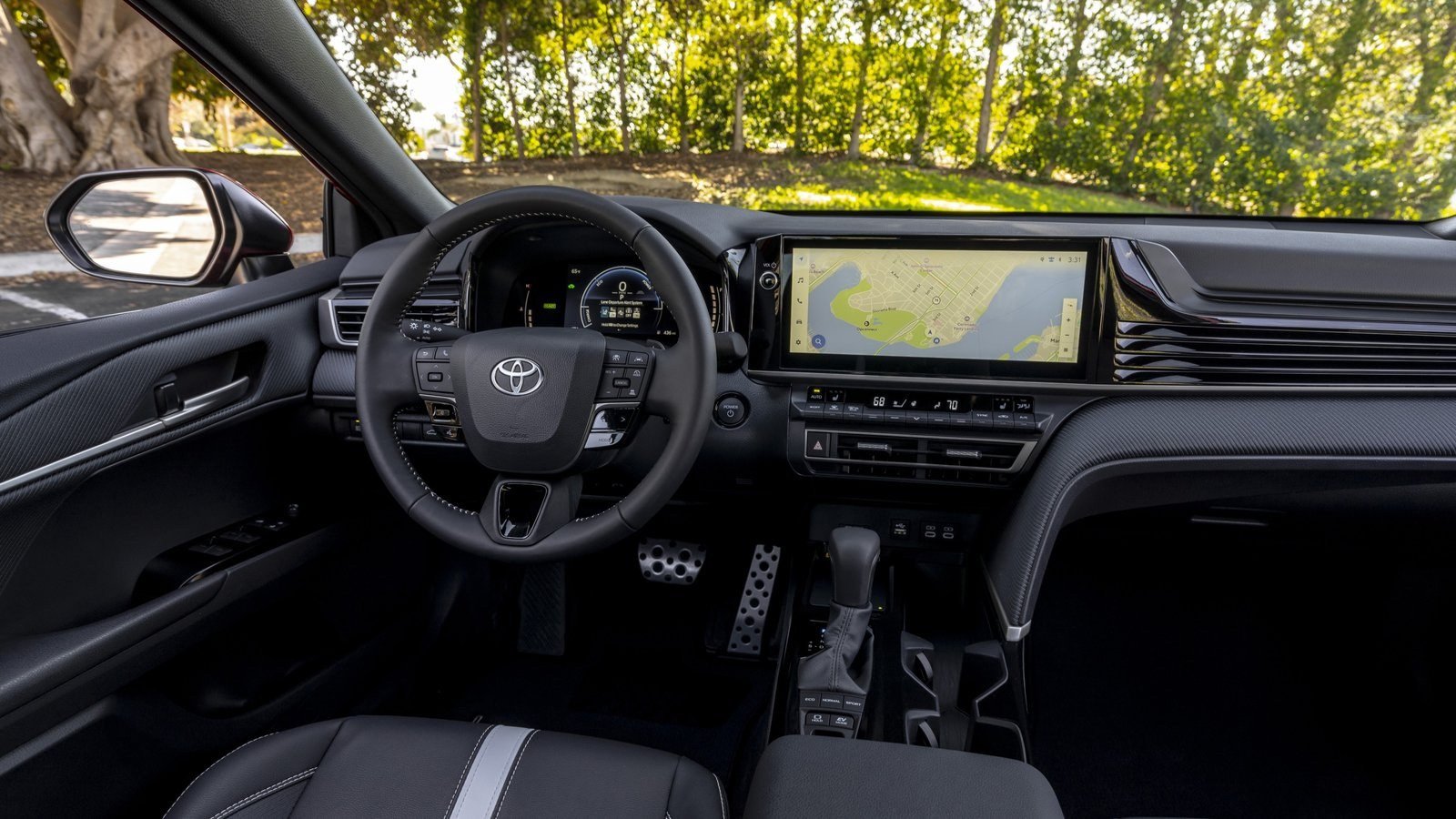
The comparison tightens one step up the ladder. The Altima SR at $29,190 is the sportier trim with 19-inch wheels and the 12.3-inch screen, and the Camry equivalent is the SE at $32,200, rated at 46 mpg rather than 51. The gap grows to $3,030 and the fuel saving shrinks to 5 cents a mile, so break-even moves out to about 61,000 miles, or four years at 15,000 a year. If you want the sport trim and keep cars for three years, the Nissan is the cheaper way to get it.
Where the Altima's case falls apart: AWD
The task we set ourselves was to find what the Altima offers for less money, and all-wheel drive looked like the obvious answer. It isn't. The cheapest AWD Altima is the SR AWD at $30,690, because Nissan dropped the SV AWD for 2027. Toyota sells all-wheel drive on the base LE for $1,525, so an LE AWD lists at $31,225. The Camry costs $535 more, is rated at 50 mpg against 28, and pays back the difference in about 8,300 miles. That is less than a year for almost anyone, and the AWD Altima also gives up 6 hp and a tenth of a gallon of tank capacity against the front-drive car.
Compare like for like and the Nissan still trails. The Camry SE AWD at $33,725 before destination is $3,035 dearer than the Altima SR AWD and rated at 46 mpg, which puts break-even at about 51,000 miles. Anyone buying a midsize sedan for winter traction is better served by the Toyota, and the price sheet, not the fuel economy, is the reason.
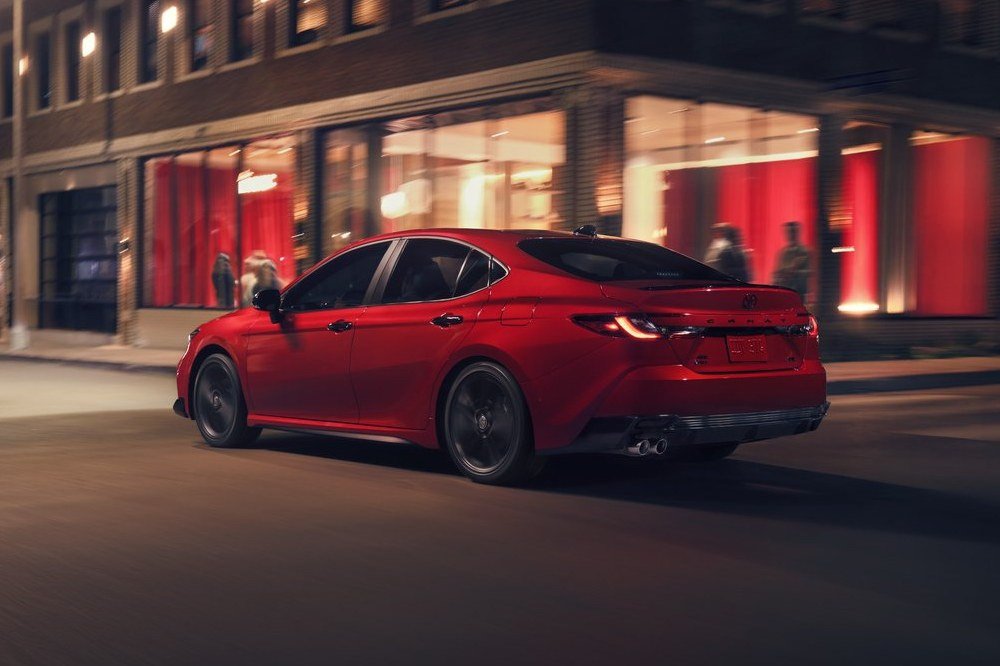
What the Altima does better
Two things, and both are real. The first is front-seat space: Nissan quotes 43.8 inches of front legroom and claims more than the Camry offers, and the Altima's Zero Gravity seats are among the better long-haul chairs in the class. The second is the trunk, 15.4 cubic feet against 15.1, though that is a difference you would struggle to notice. Rear legroom goes the other way, 35.2 inches against 38.0, which matters more for a family car.
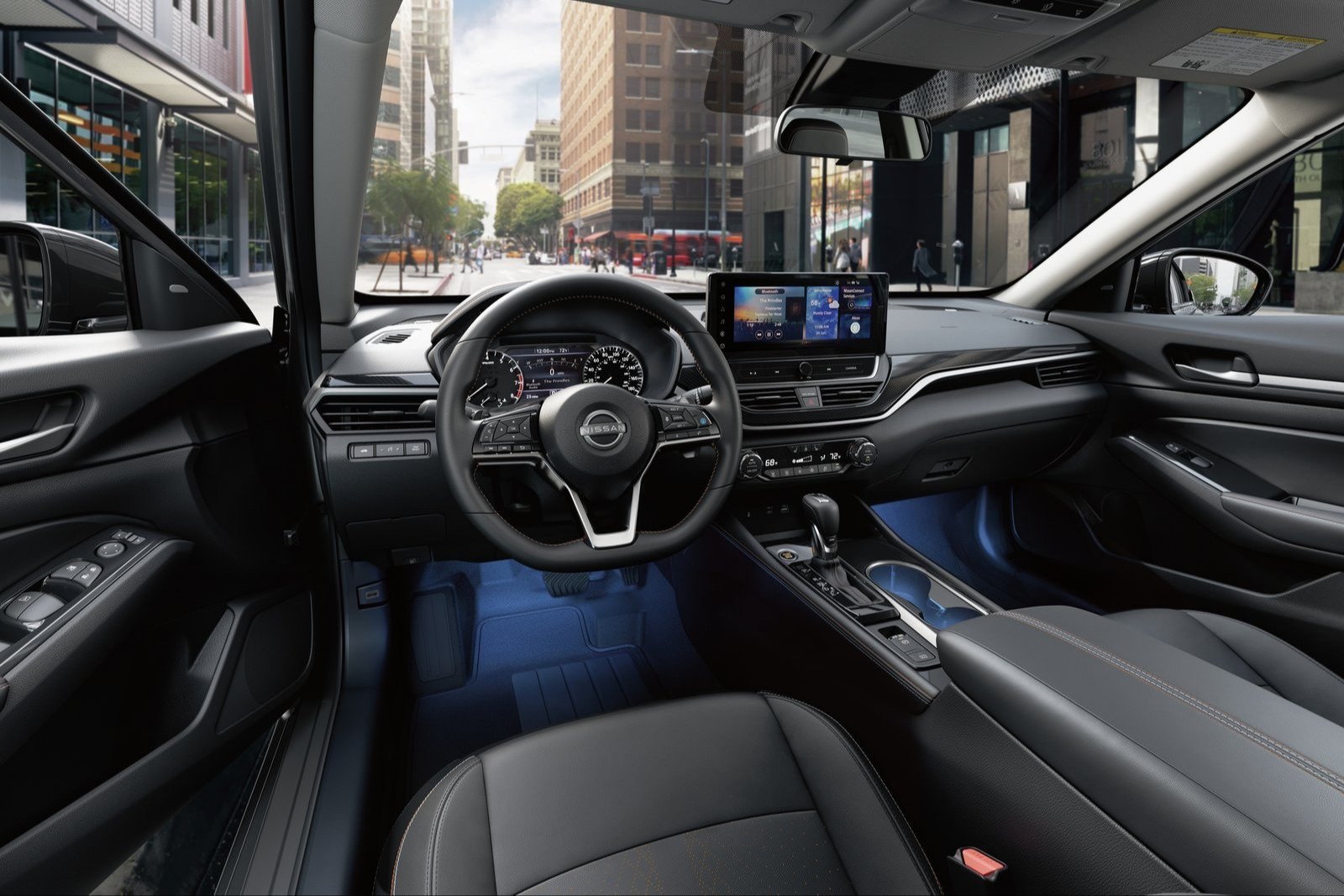
The Altima also makes the stronger case on paper for discounts. CarsDirect lists up to $2,500 in cash on 2026 Altimas through November 2, with nothing yet published on the 2027, while Toyota's only national Camry offer is 4.99 percent financing. A $2,500 rebate on a leftover 2026 Altima takes the real gap to the Camry past $4,000 and pushes break-even toward 75,000 miles. That is the one scenario where the Nissan wins on cost for a typical ownership period, and it depends on finding a 2026 car on a lot.
What the Camry does better
Safety is the gap buyers tend to overlook. The 2026 Camry is an IIHS Top Safety Pick+ with Good ratings in the small overlap, updated moderate overlap, and updated side tests. The 2026 Altima holds no IIHS award: it is rated Poor in the updated side test, with Marginal driver head protection, and Marginal in the updated moderate overlap test, where the Institute rates rear-passenger restraints Poor. NHTSA gives both five stars overall on their latest rated model year, but the Altima's frontal score is four stars to the Camry's five. The Altima's structure dates to 2019; the Camry's hybrid platform was renewed for 2025.
Then there is the powertrain. The Camry's 225 hp is 37 more than the Altima's, the hybrid's electric torque makes it quicker away from a stop, and the eCVT doesn't drone the way a conventional CVT does under load. Toyota backs the battery for 10 years or 150,000 miles and throws in two years of scheduled maintenance. The Altima's 2.5-liter is a known, unremarkable engine, and that is both its strength and the reason it costs less.
Sales tell the same story. Through September, Toyota sold 260,684 Camrys in the U.S., up 11.2 percent, and the Camry is Toyota's best-selling vehicle this year. Nissan sold 56,424 Altimas, down 26 percent, according to Nissan's third-quarter report, and the company has cut rental-fleet sales sharply, which is where a lot of Altimas used to go. A thinner trim walk for 2027 fits that picture.
What we don't know
- How long the Altima stays on sale. Nissan hasn't said anything about the car's future beyond the 2027 model year, and we aren't going to repeat speculation. If it goes, resale values could soften, which would hurt the up-front-savings case.
- Real-world fuel economy. The break-even figures use EPA ratings. Hybrids tend to beat their city ratings in traffic and miss them on fast highways; a mostly-highway Altima driver may see closer to 36 mpg and stretch the break-even accordingly.
- The 2027 Camry's destination charge and EPA listings. Toyota hasn't published either; we used the 2026 fee and ratings.
- Resale after three to five years. Camry hybrids have held value well, but we don't have 2027-specific data for either car, so it isn't in the math.
Who should buy the Altima in 2026
The Altima makes sense for a narrow group: buyers who need the lowest possible payment on a new midsize sedan from a Japanese brand, who drive fewer than about 10,000 miles a year, and who can find a discounted 2026 car. At $239 a month on CarsDirect's listed lease, it undercuts the Camry LE by $70 a month, and a short lease sidesteps the resale question entirely. Front-seat comfort is a legitimate reason too, if you spend hours behind the wheel and rarely carry adults in back.
Which one should you buy
For almost everyone else, the Camry. The $1,930 premium is gone in a little over two years of normal driving, the AWD version is barely more expensive than the only AWD Altima, and the Toyota is the safer car by every public measure. The Altima's price advantage is real but narrow, and it narrows further every time gas goes up a dime. If the Honda Accord is on your list too, the gas LX at $29,590 with destination sits between these two, and our Camry vs. Accord Hybrid cost-to-own comparison runs the same math on that pairing.