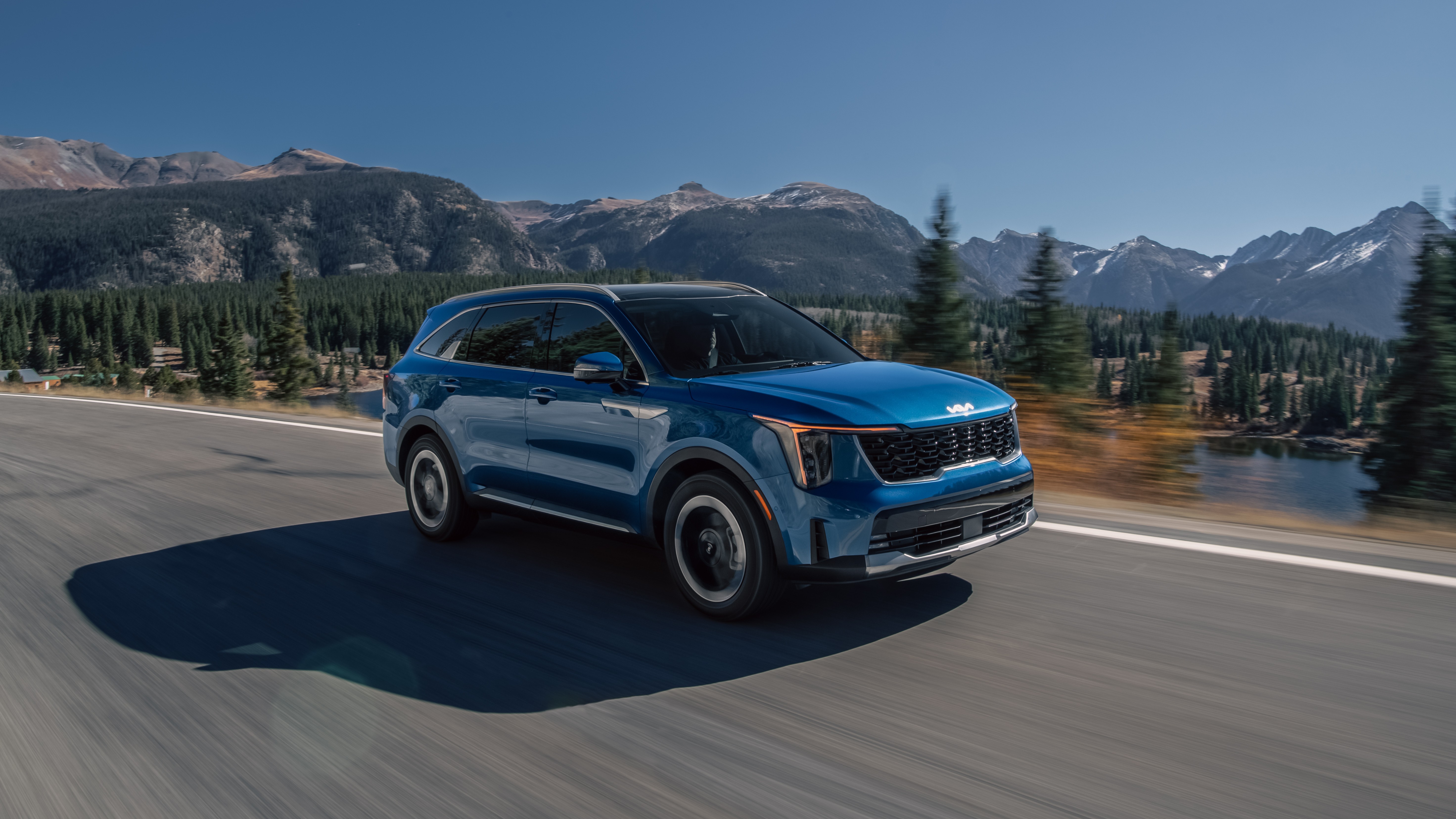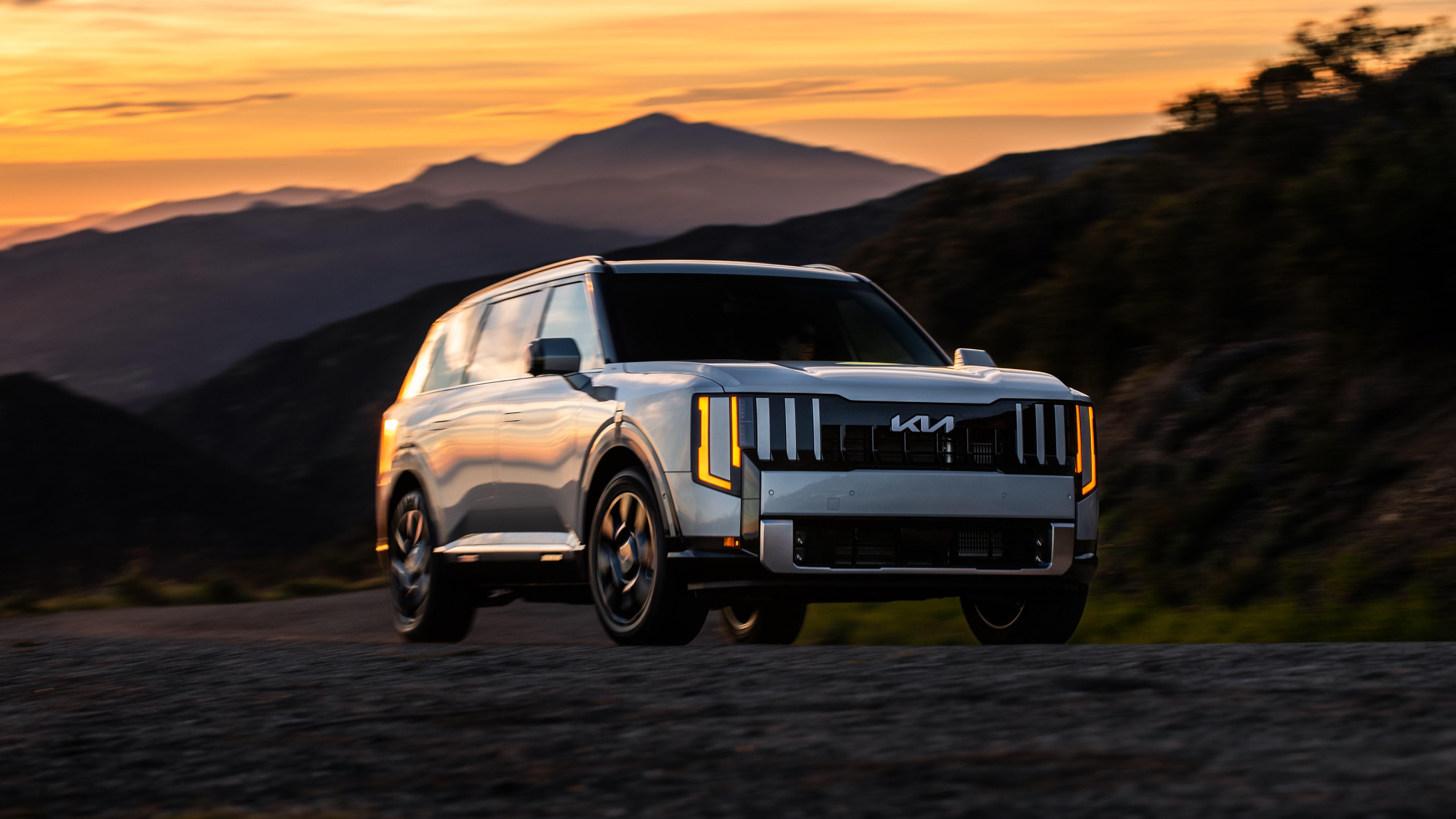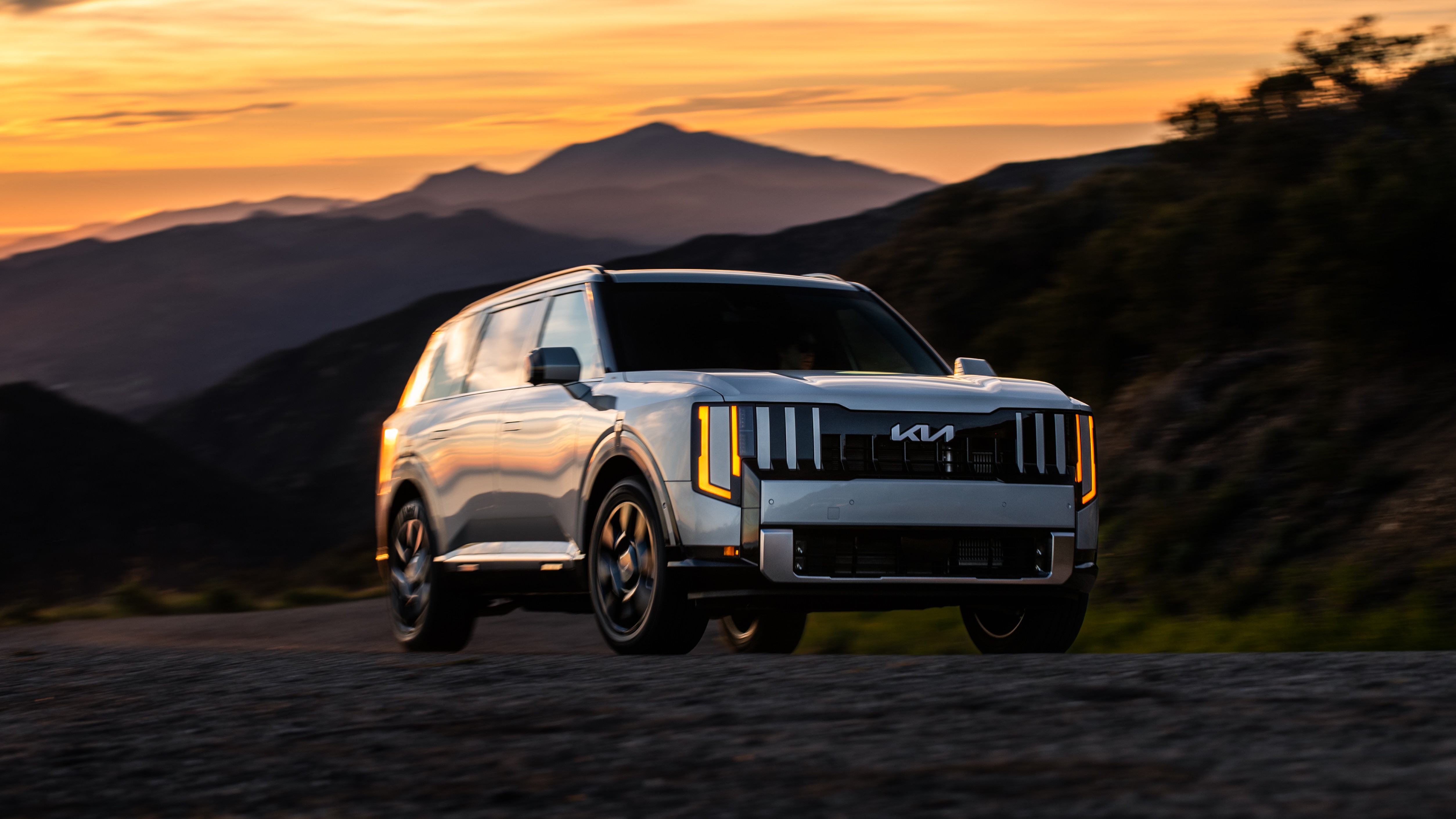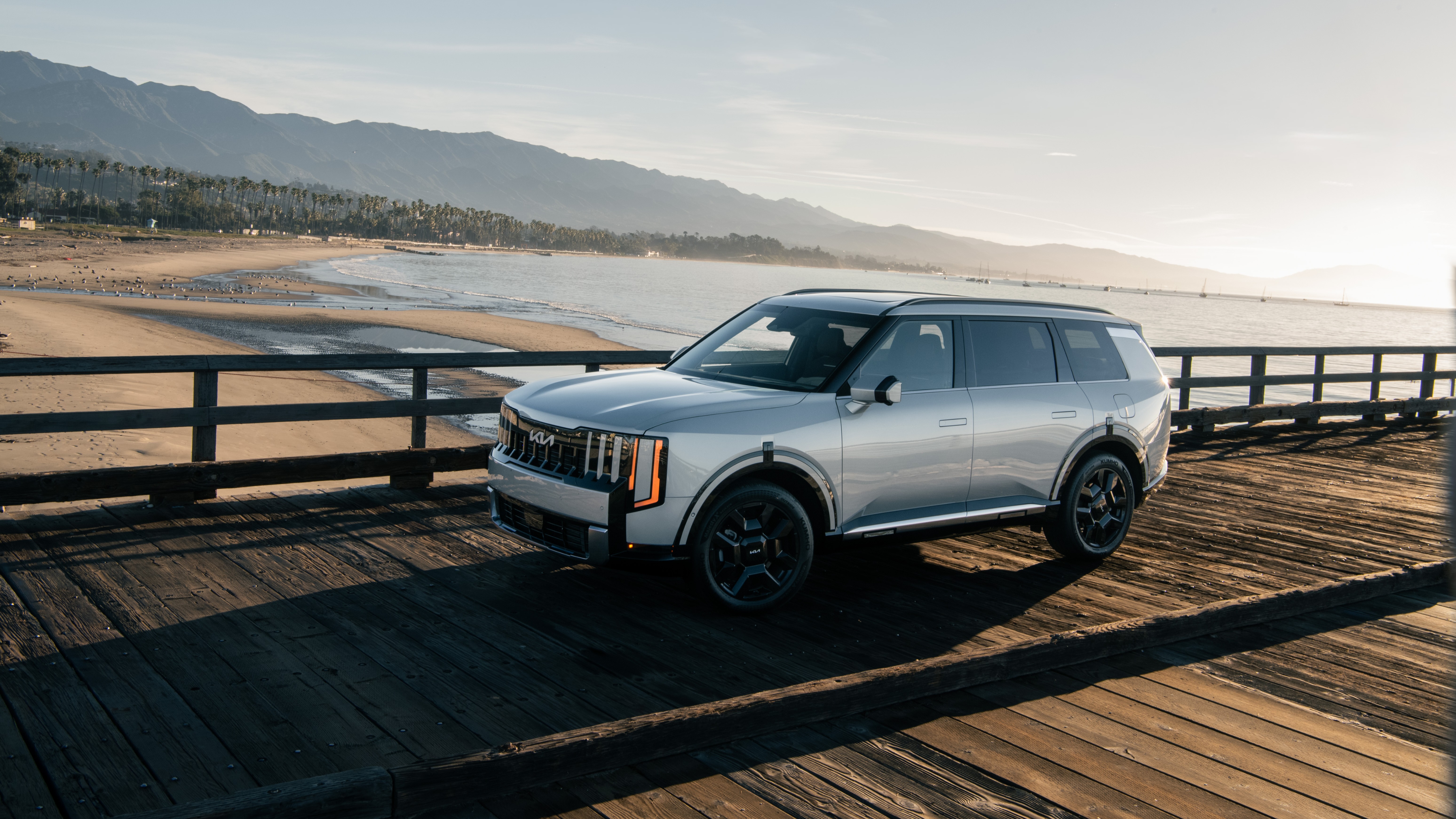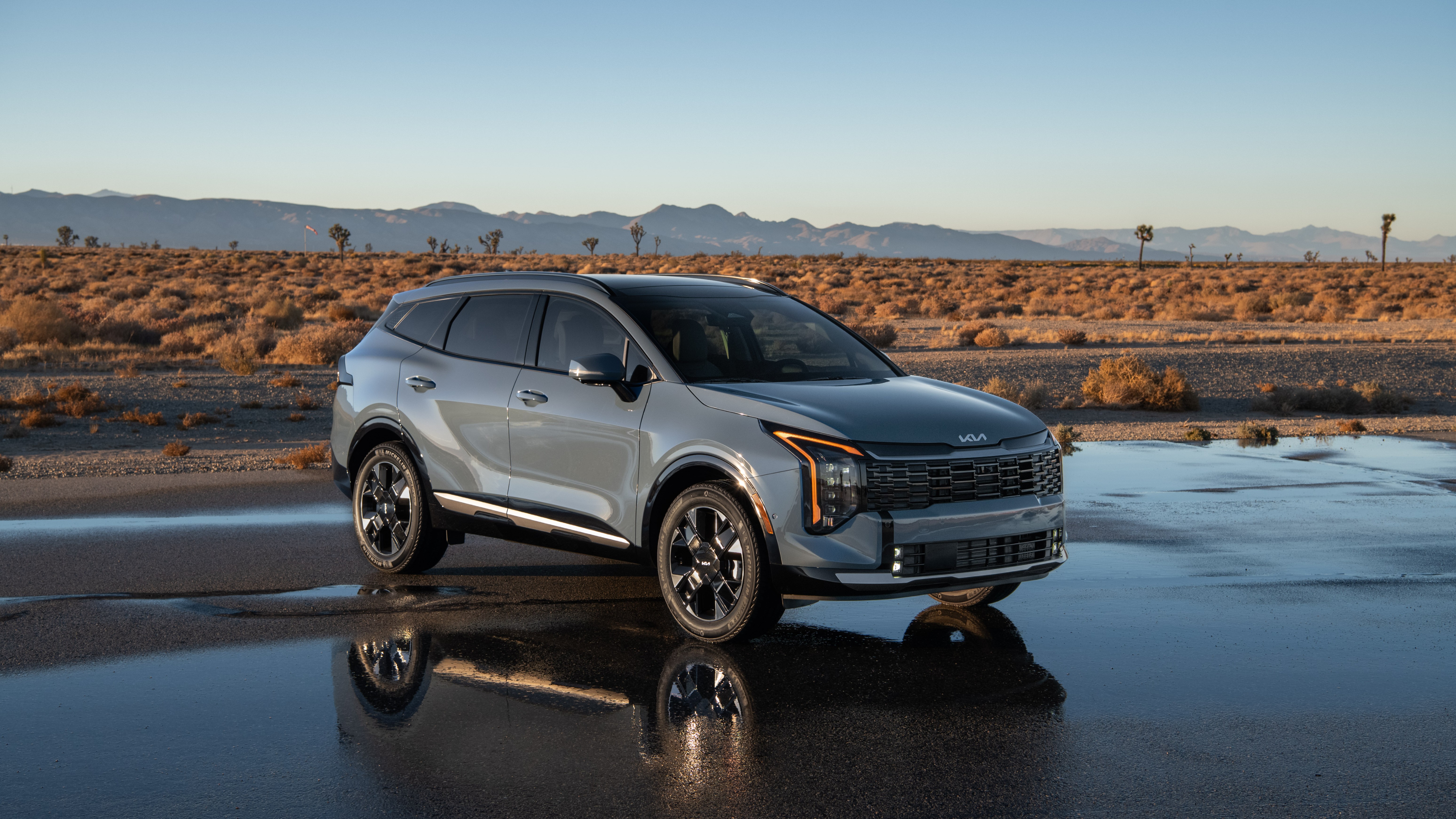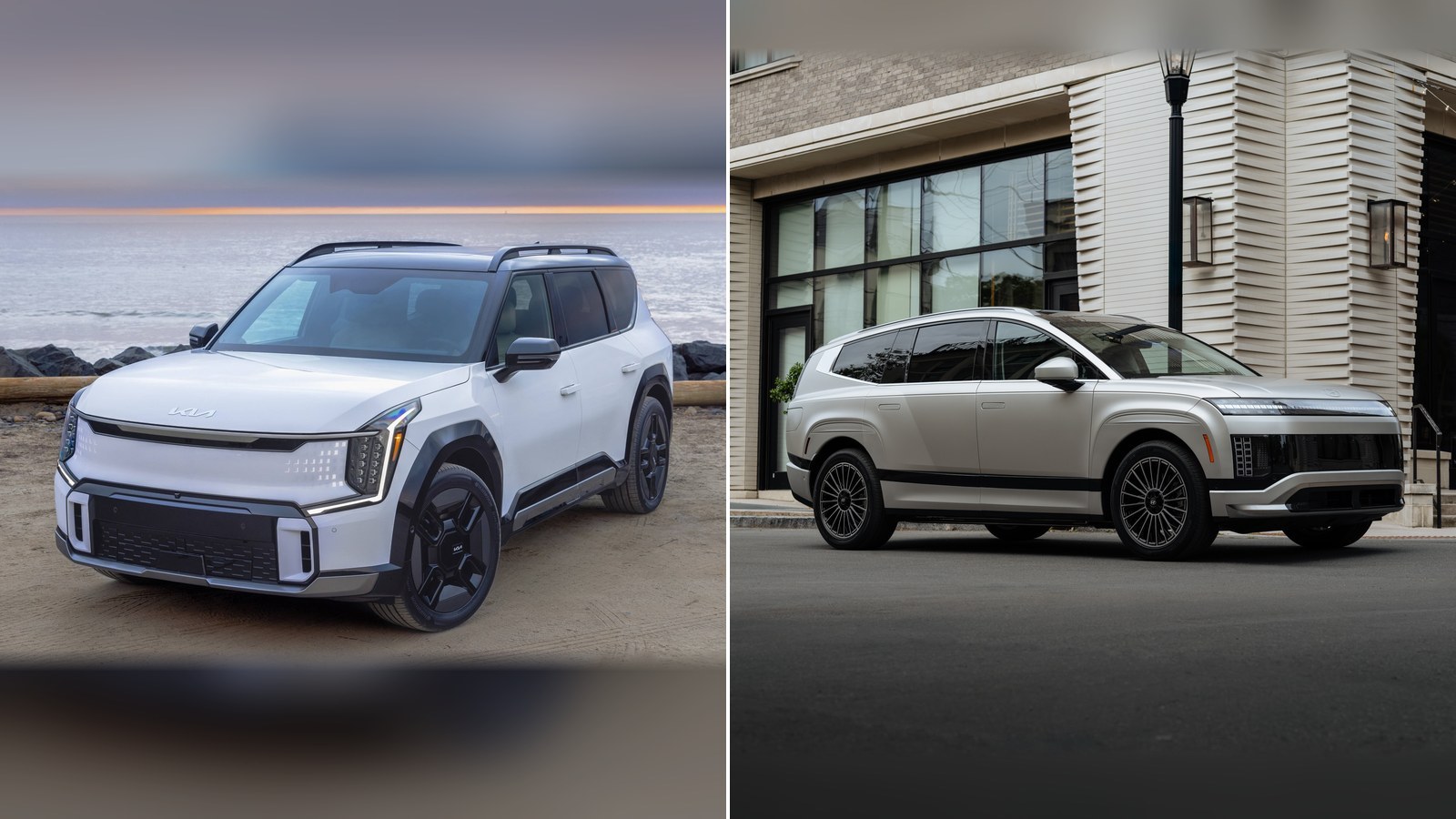
Kia EV9 vs. Hyundai Ioniq 9: Same Platform, Bigger Battery, and a Price Gap That Flips
Hyundai Motor Group's three-row EV twins share a platform but not a battery. Trim for trim, the Ioniq 9 often gives you more range for little or no extra money.
Hyundai Motor Group's three-row EV twins share a platform but not a battery. Trim for trim, the Ioniq 9 often gives you more range for little or no extra money.
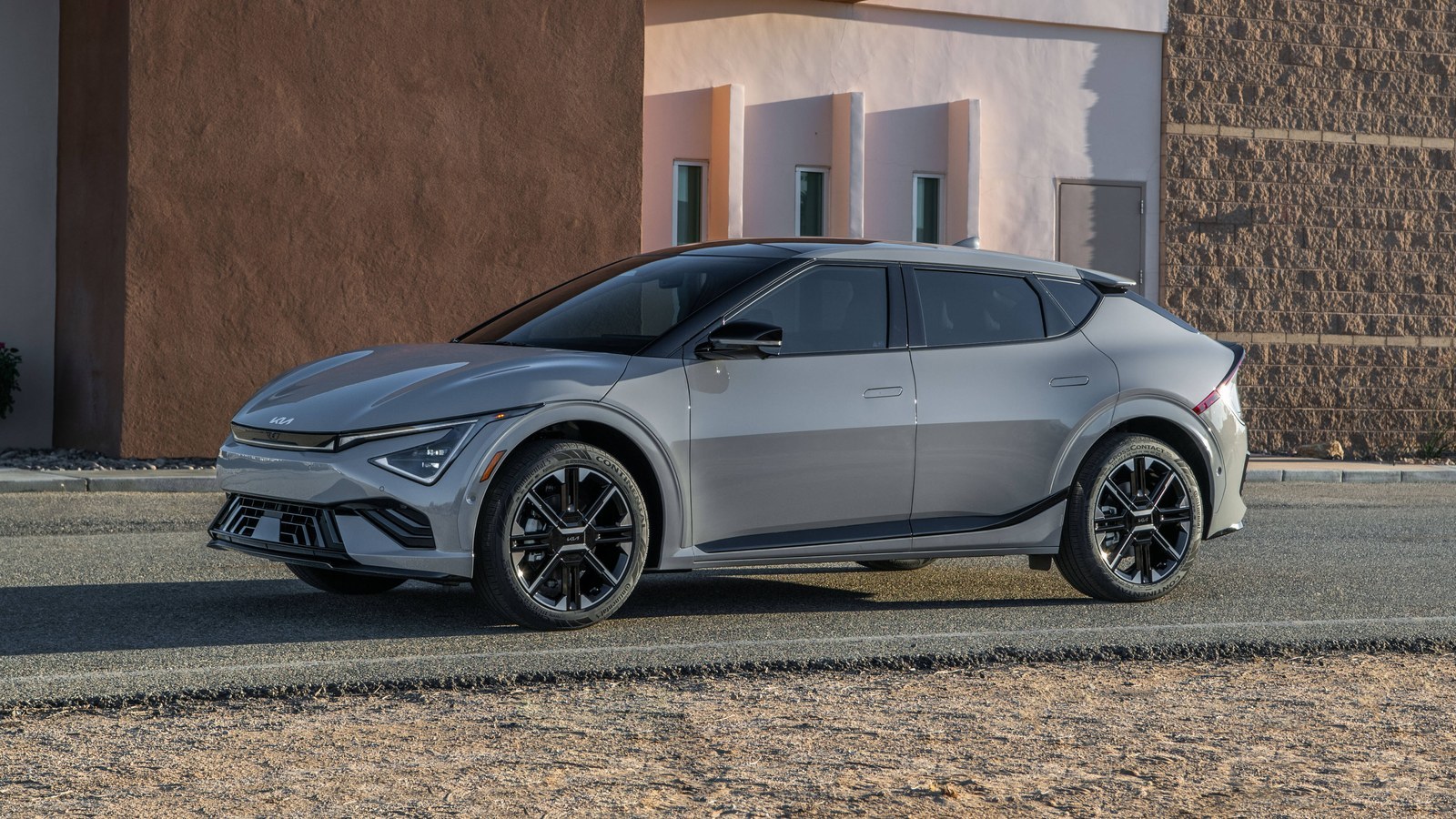
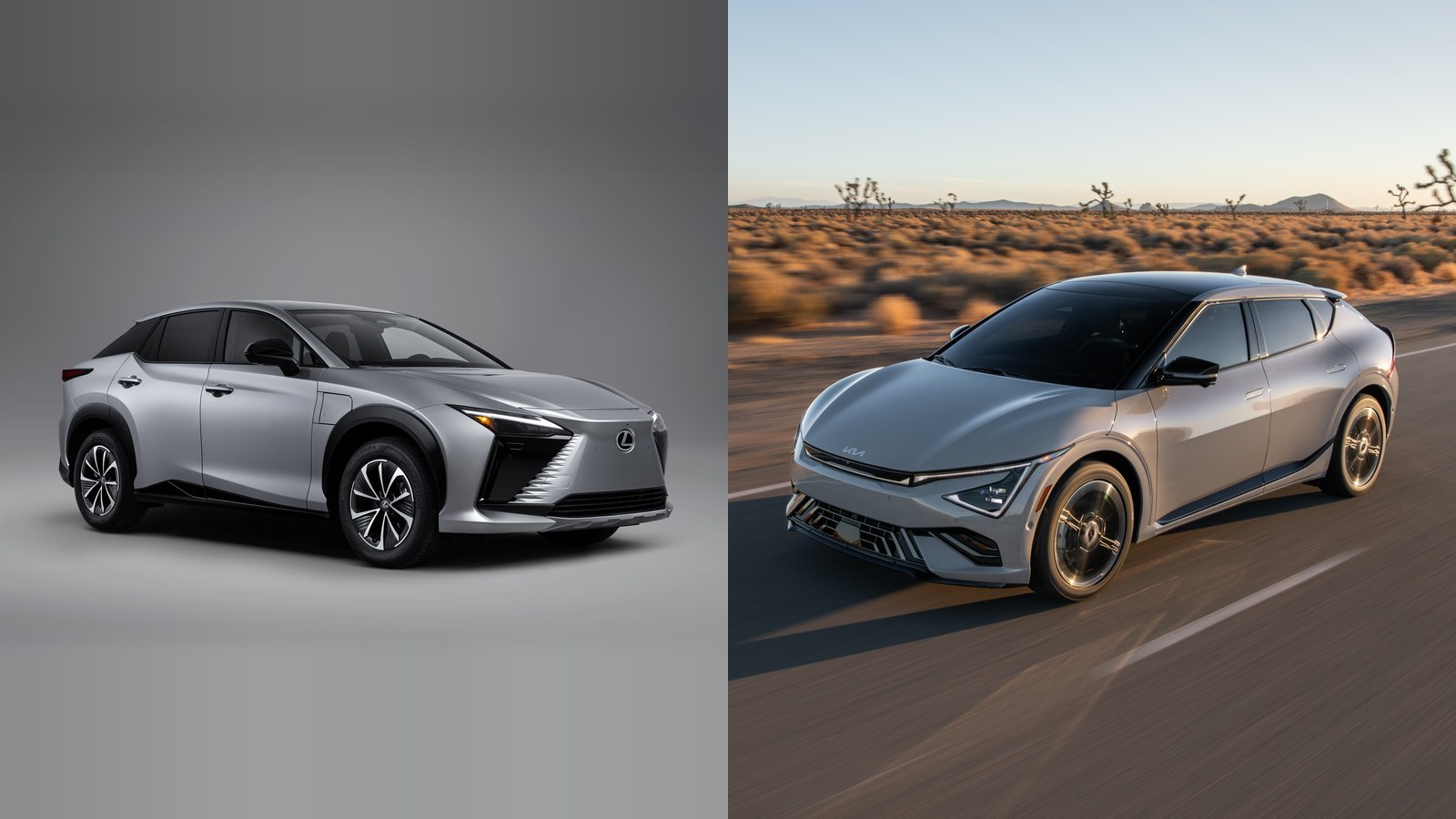
The cheapest RZ costs $8,050 more than the cheapest EV6. Matched by drivetrain, the gap falls to $650–$4,225, and the Kia still goes farther and charges faster.

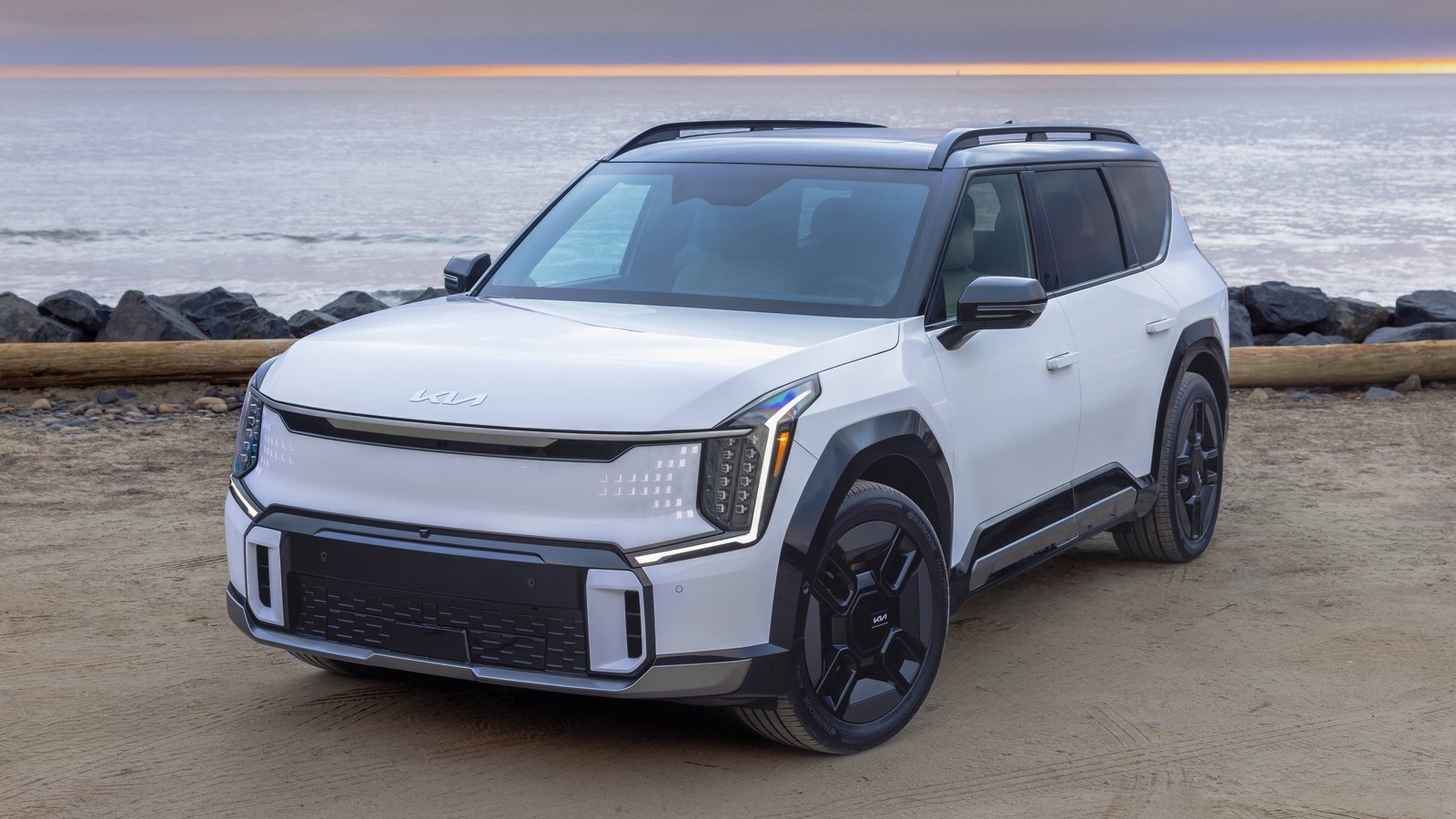
The three-row EV starts at $54,990 before a $1,645 destination charge, with four trims up by $90 to $190 and the Land now bundling the Nightfall package and Boost torque.

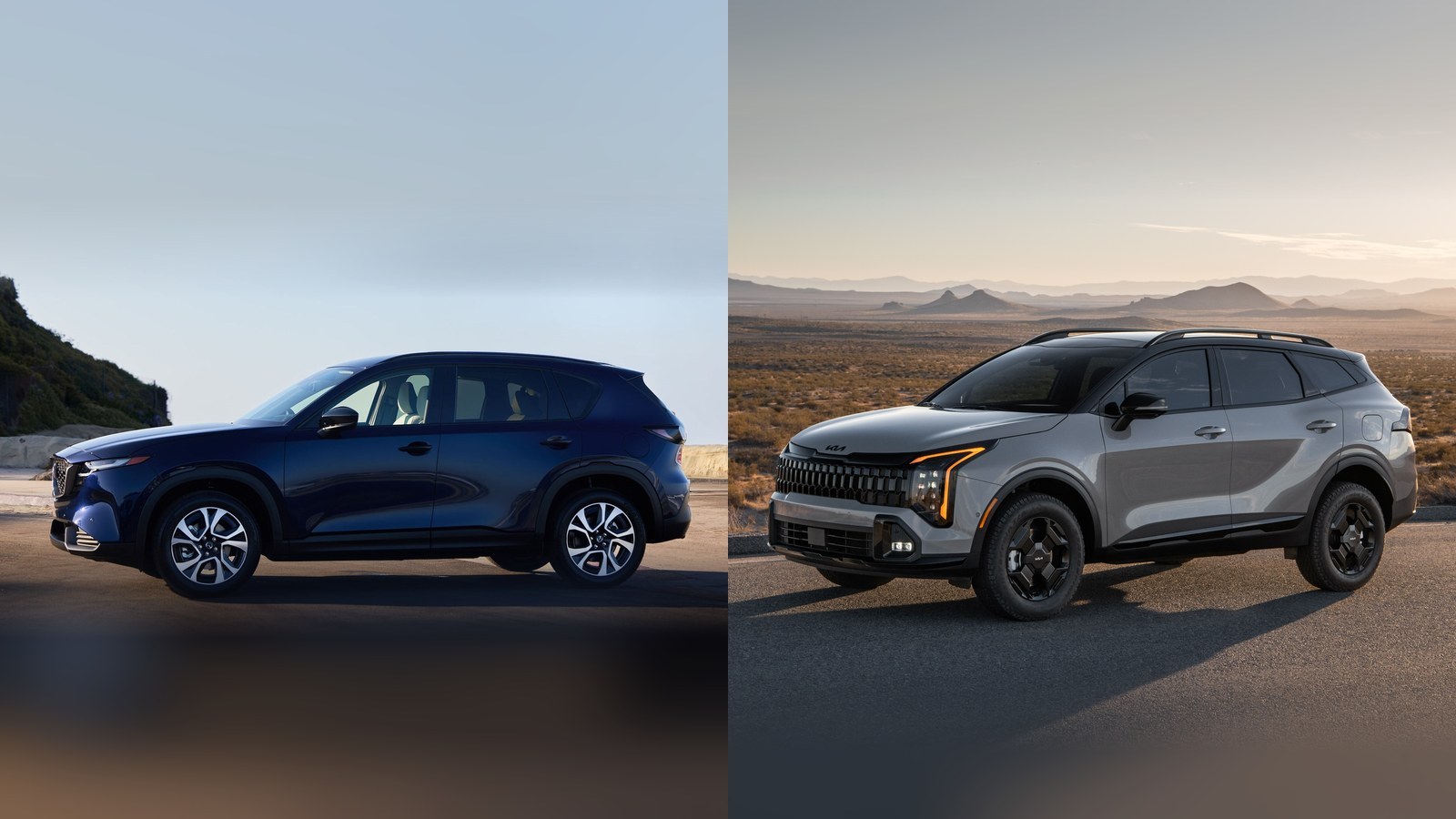
The Kia starts $1,100 cheaper, but the all-wheel-drive Mazda undercuts its AWD rival. The real difference is a hybrid Mazda still can't offer.

All seven trims carry 2026 stickers and the $1,545 destination fee into 2027, with no new equipment. The cheaper EV3 and a $39,990 Model Y Standard now bracket it.

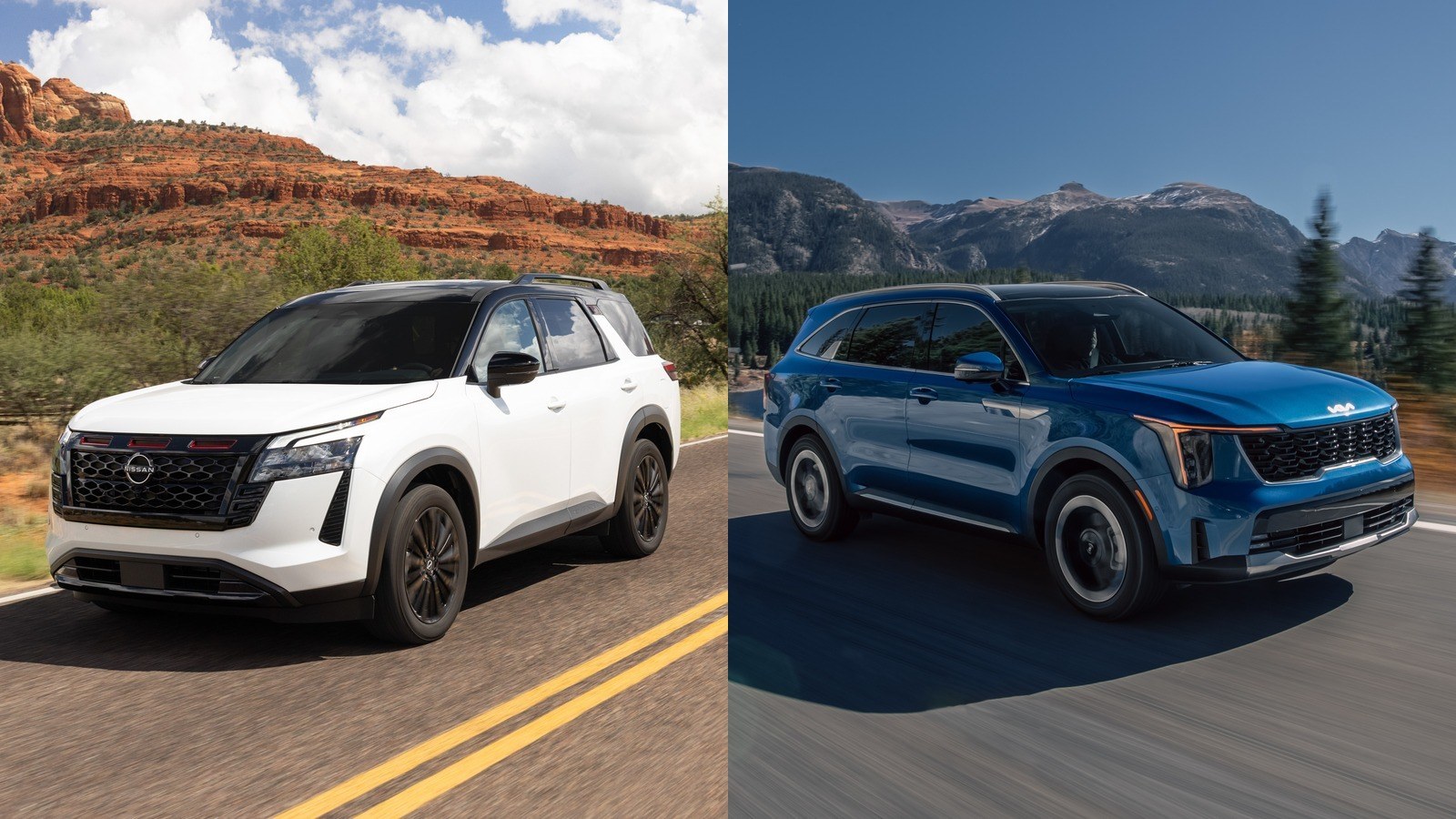
Nissan's V6 Pathfinder and Kia's Sorento now start within $1,000 of each other at $40,000. We ran the fuel, warranty, and towing math to see which family wins.

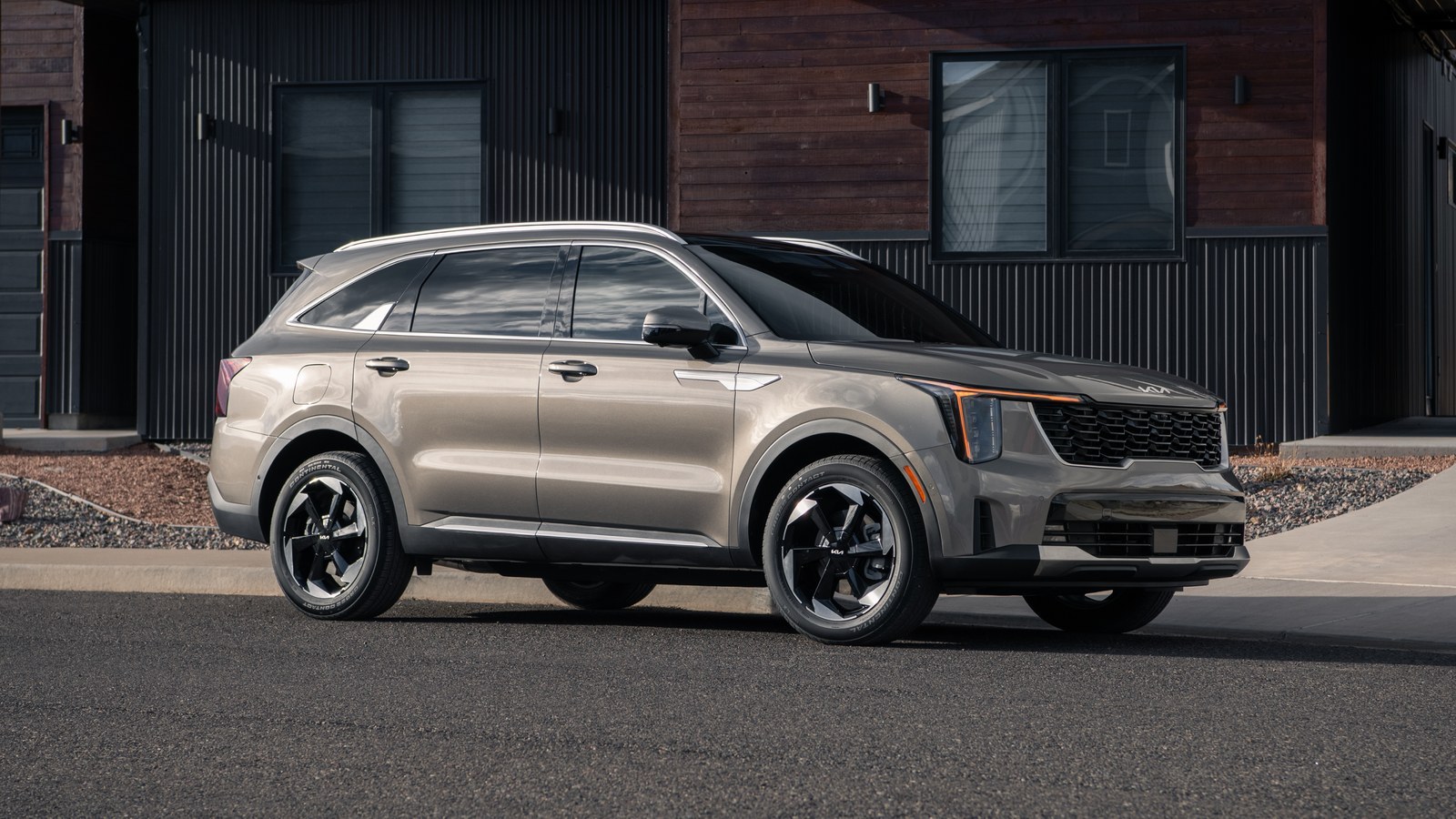
The $48,290 EX is gone, leaving the X-Line SX-Prestige as the only 2027 Sorento PHEV. It gains a head-up display and costs $400 more, $6,300 above the equivalent hybrid.

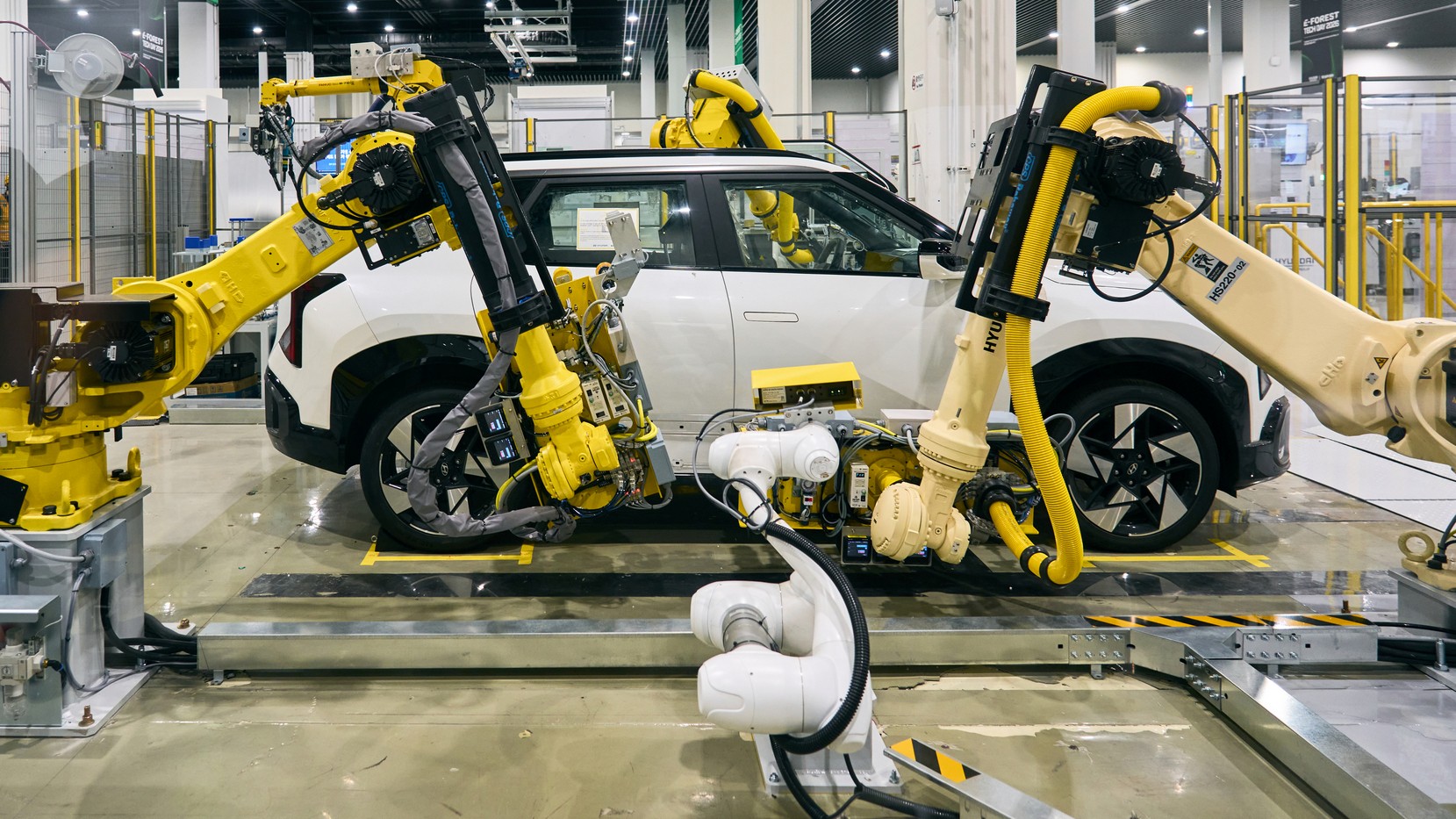
E-FOREST TECH DAY 2026 opens in Uiwang with about 200 new manufacturing technologies, including an in-house 3D inspection tunnel Hyundai says will go to overseas plants — where humanoid robots are due in 2028.

Every hybrid trim rises by $200, the destination charge climbs by $50, and a new X-Line EX puts the blacked-out look $4,500 below the top trim. The gap to the gas EX is now just $400.

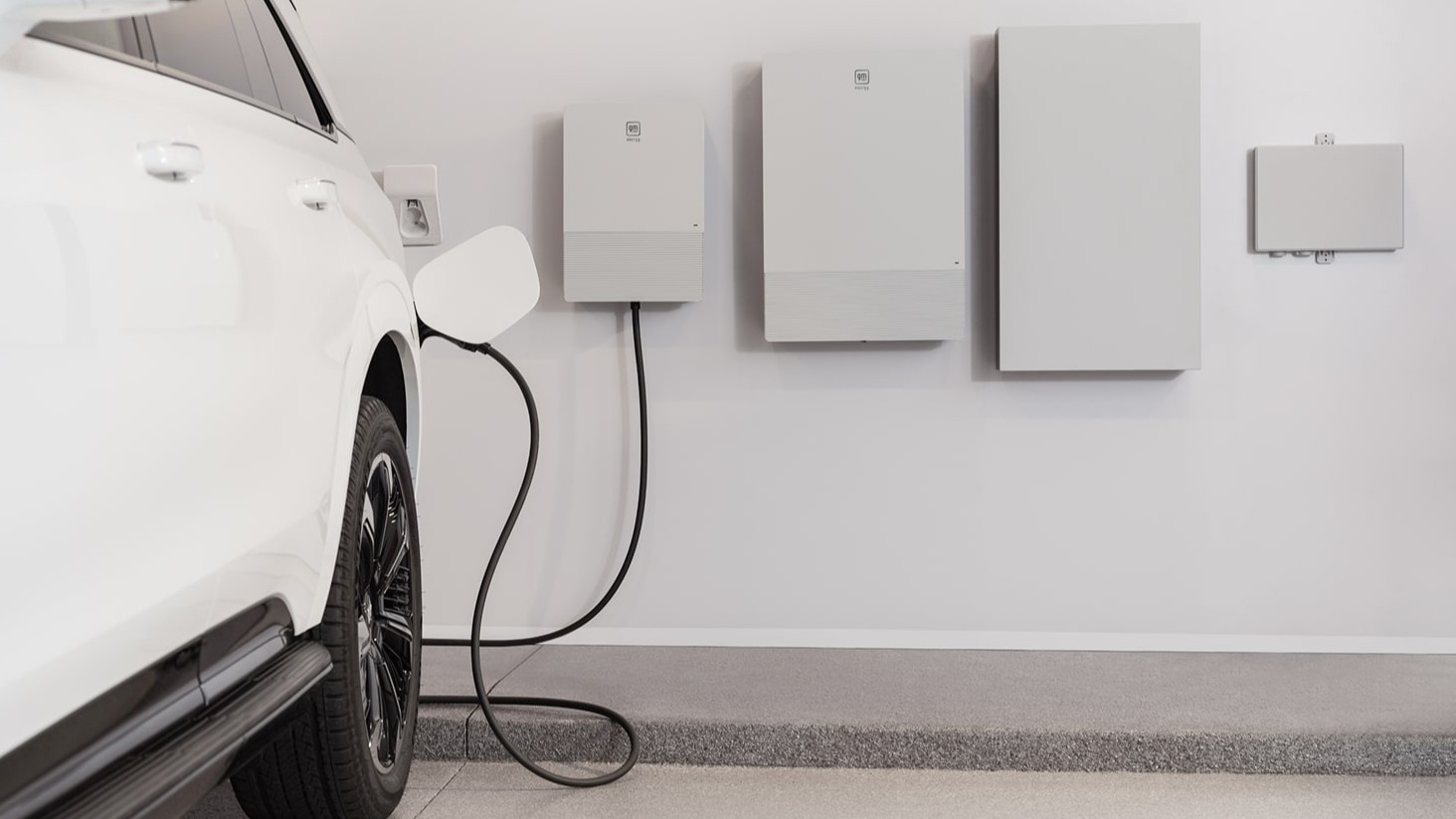
Twelve GM models, the Cybertruck and new Teslas with a Powerwall can back up a home today. Kia, Ford and Subaru owners face a longer list of caveats.

Kia and Hyundai share a 329-hp hybrid, Toyota has the roomiest third row, and the Santa Fe matches the best mpg. Here's which three-row hybrid fits which family.

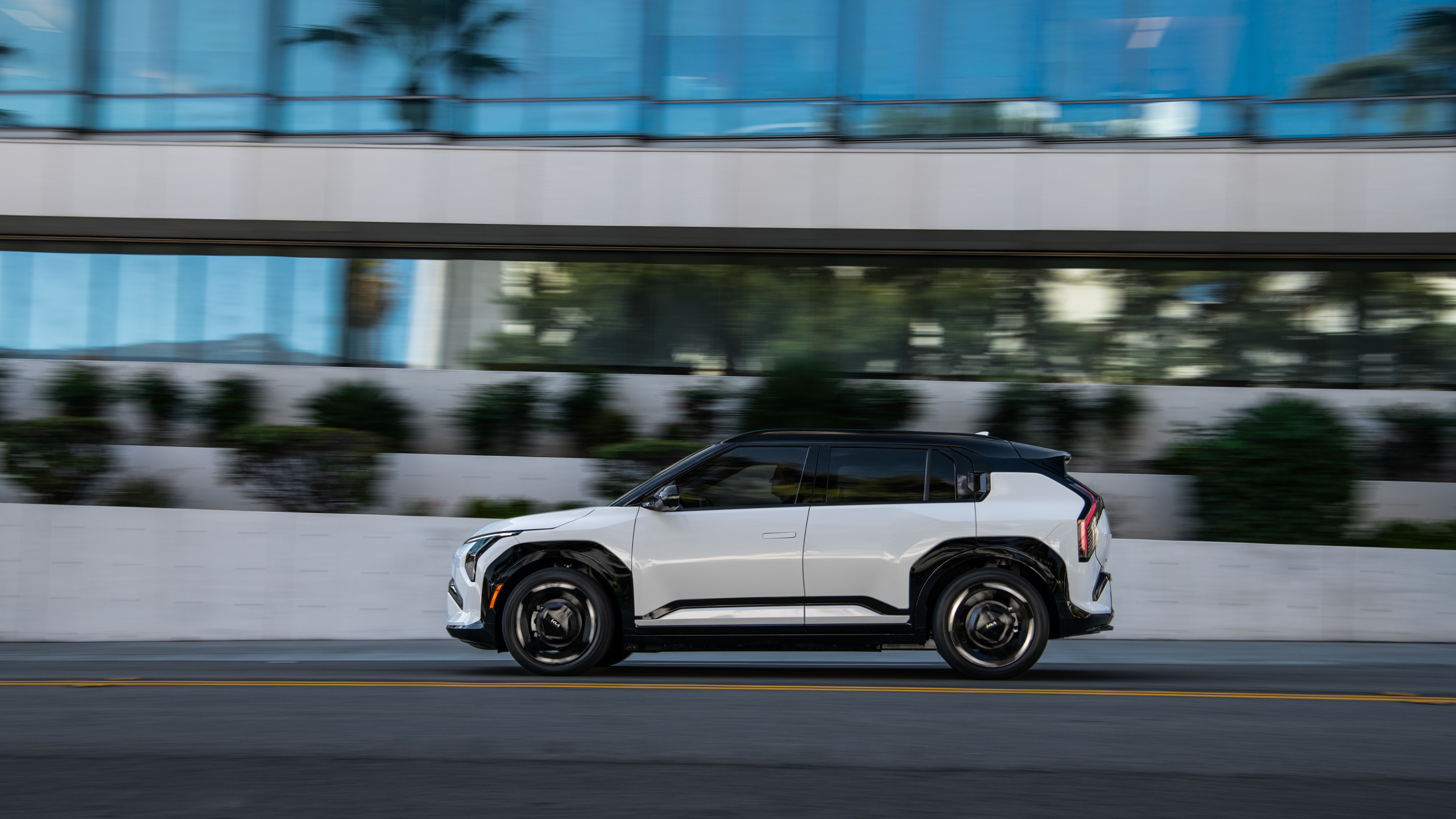
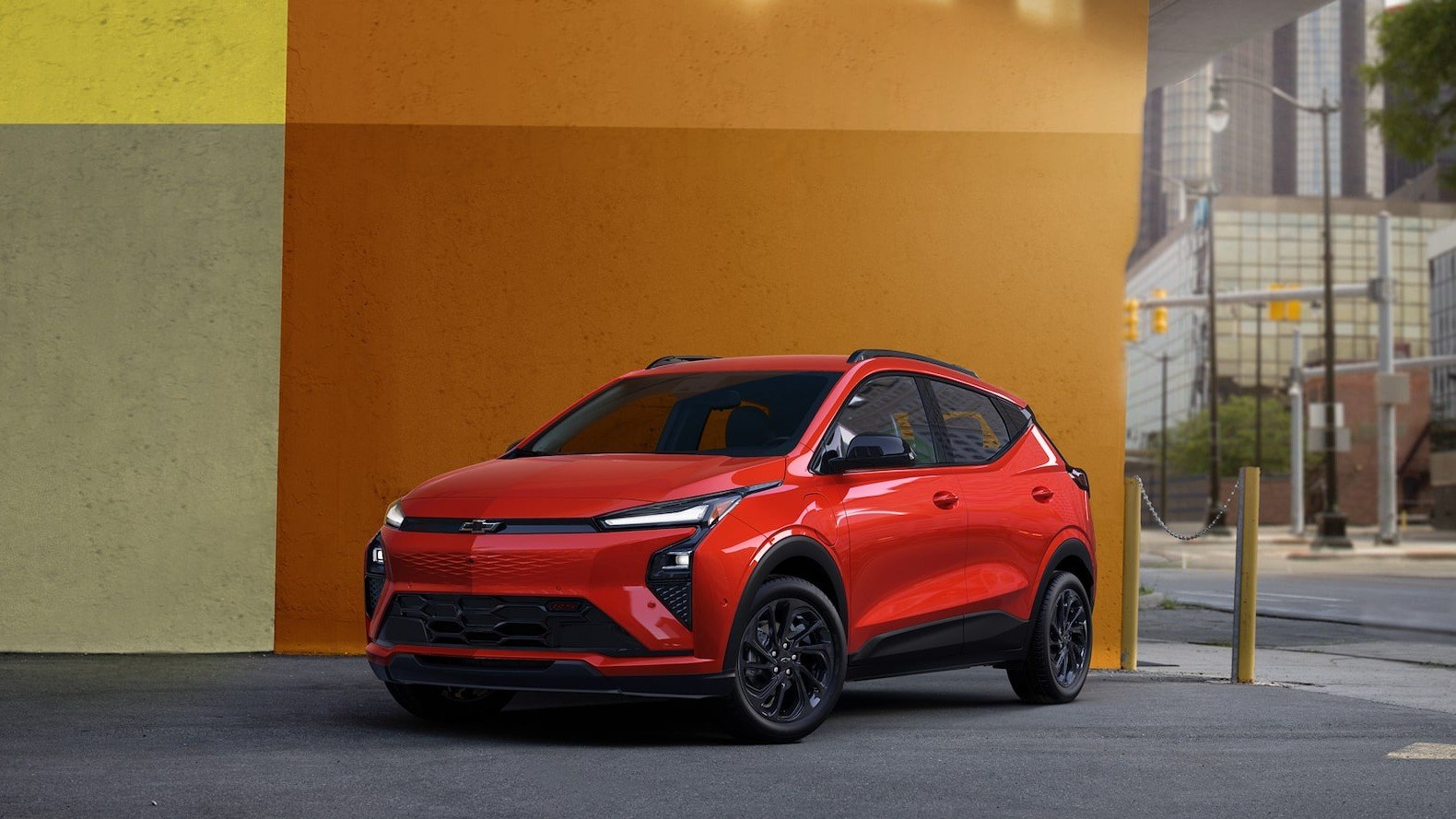
The entry-level EV3 Light FWD comes with dual 12.3-inch screens, a native NACS port, and 221 miles of range, which is 41 fewer than the cheaper Chevrolet Bolt.

Every trim rises $200 to $300 and destination climbs $50, yet the base K4 still costs $985 less than a base Corolla. The hatchback is a different story.

Every gas-powered trim rises by the same $200, and the only listed change is a green paint borrowed from the Telluride. Hybrid and plug-in pricing is still to come.

Kia sold 236,659 vehicles from July through September, its strongest quarter yet. Hybrid sales rose 152 percent in September while its EVs fell by more than a third.

Pacific Northwest jurors picked the 35-mpg Telluride Hybrid as their top hybrid, but the K4 Hatchback's value prize went to its priciest trim's engine.

Ten EVs land under $39,000 with destination and no federal credit to help. One is a limited run, one hasn't reached dealers, and one is nearly sold out.

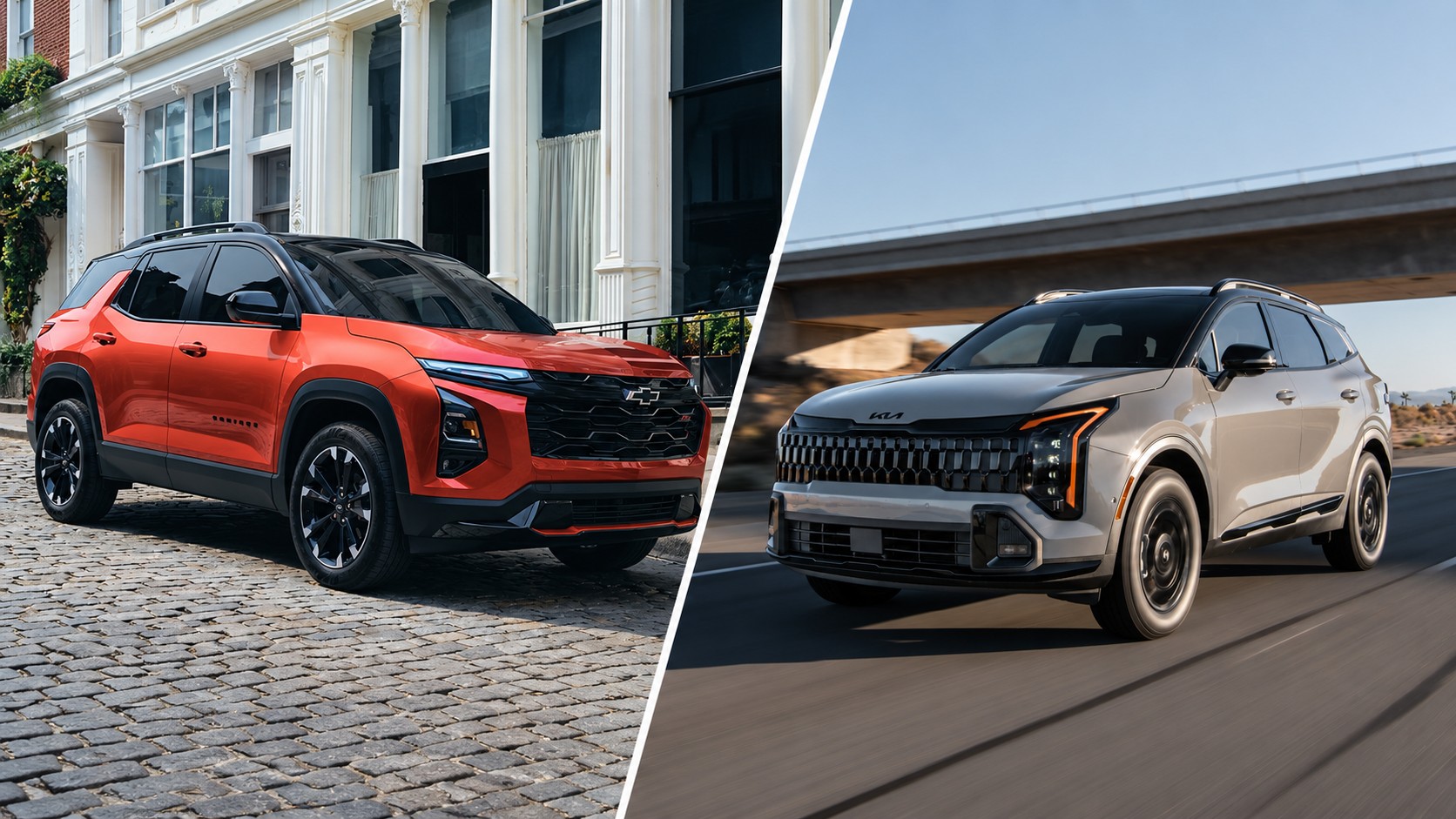
Their base prices are $10 apart before freight. The difference is Kia's $32,085 hybrid, which Chevy can't match, plus a warranty twice as long.

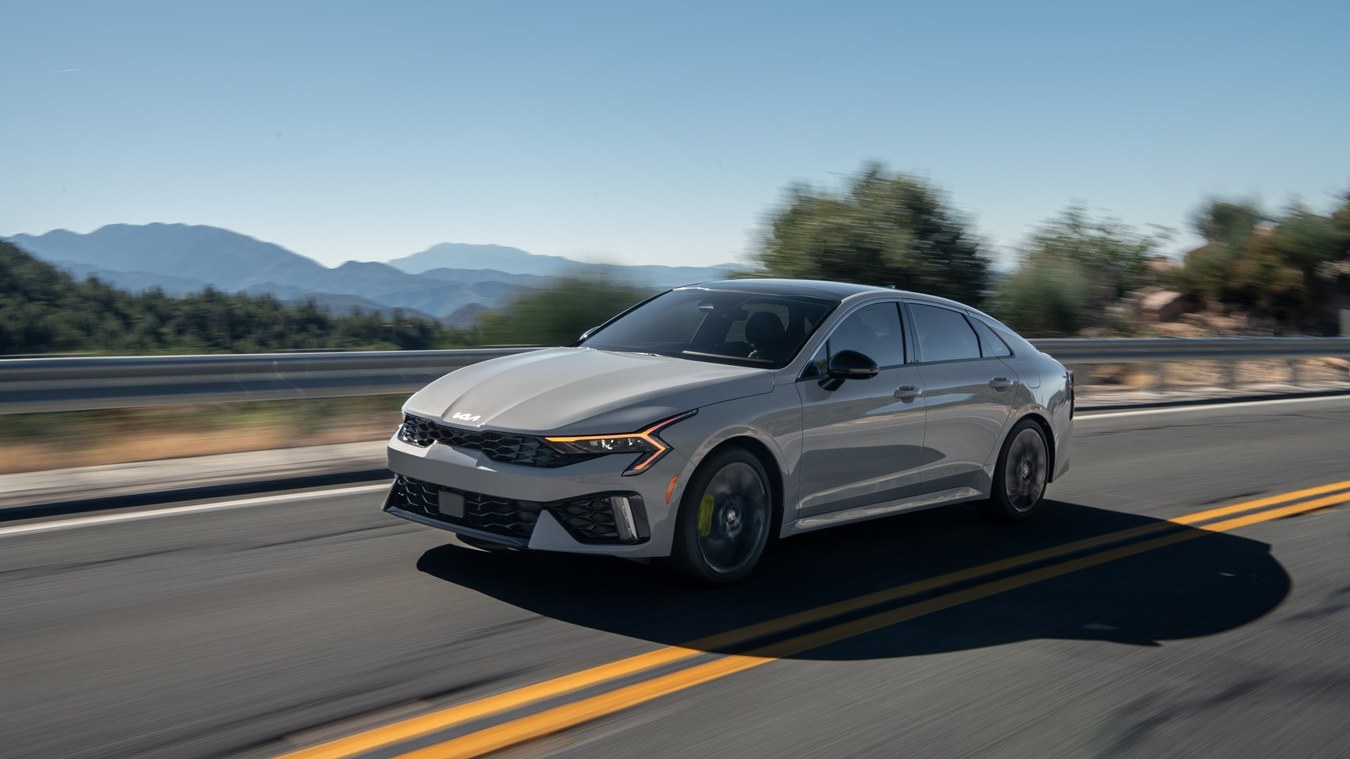
Kia's midsize sedan is down to three trims, each $200 pricier, while the GT-Line picks up an optional package with ventilated seats.

A Gesaffelstein-scored spot puts the Telluride, Sportage, and Carnival turbo-hybrids at the center of Kia's marketing — just as hybrids hit a record share of US new-car sales.